What is Vietnam's humid season, when does it happen, and how can you deal with it?
You'll learn how to recognize a humid spell in northern Vietnam, when to keep windows closed, how to use your air conditioner or dehumidifier, and what to do when floors, clothes, and belongings won't stay dry.
 23 min read
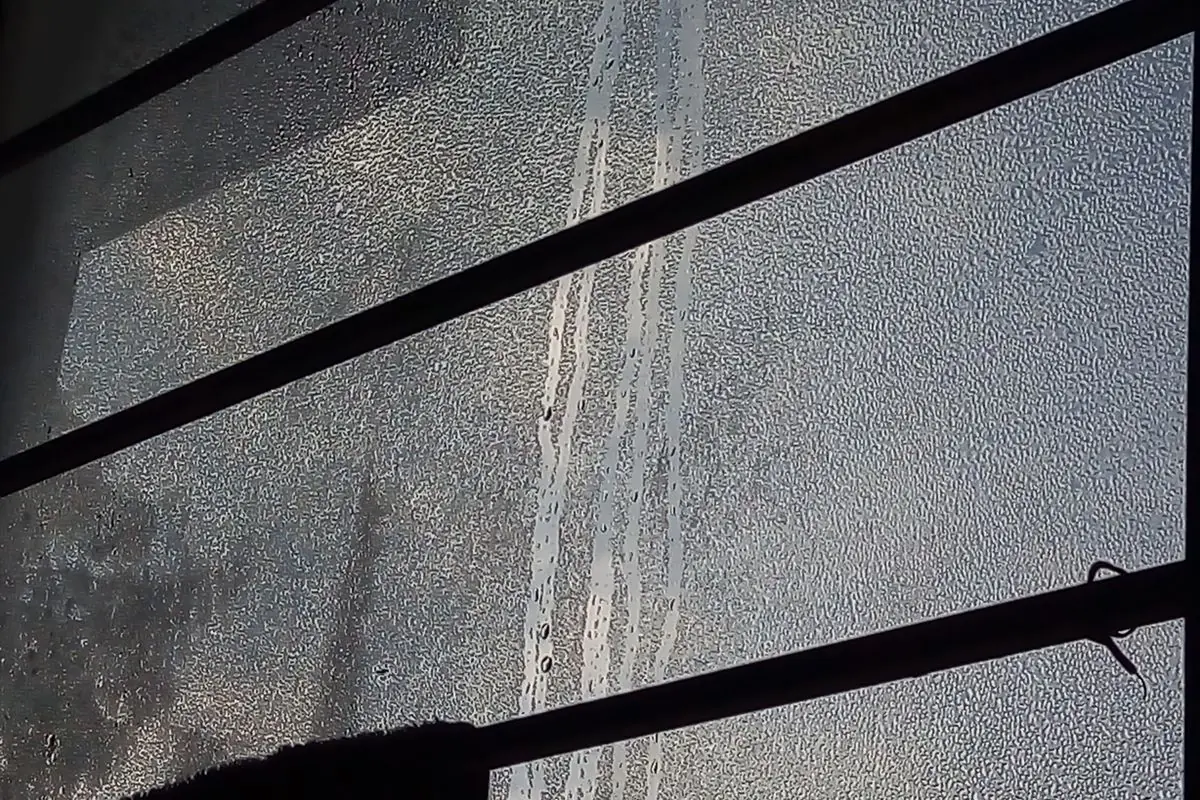
Condensation covers the glass, streaks running down.
A ground-floor room near Lach Tray Street in Hai Phong and a high-rise apartment near Truc Bach Lake in Hanoi can feel very different during Vietnam’s humid season. The higher apartment is generally less affected by cold ground temperatures, but neither is guaranteed to stay dry. Both can end up with wet tile floors, foggy mirrors, and laundry that takes two days to dry. This is a weather phenomenon known locally as nồm ẩm, most common in late winter and early spring when warm, moisture-laden air meets surfaces that are still cold from the previous chilly days.
What is nồm ẩm, and why do floors get wet when it hasn’t rained?
Nồm ẩm, often described as Vietnam’s humid or damp season, is a weather phenomenon in which moisture in the air condenses on cold surfaces, including tile floors, walls, windows, mirrors, and furniture.
It mainly affects northern Vietnam, including the Red River Delta and coastal cities such as Hai Phong and Hanoi.
For someone experiencing it for the first time, the strangest part is that water can appear inside a room even when the windows are shut and there has been no rain.
You might wake up and notice that the floor feels sticky under your feet. After a few steps, your slippers start making squeaking sounds against the wet tiles. The bathroom mirror is cloudy even though nobody has taken a hot shower, and tiny droplets are collecting on the inside of the windows.
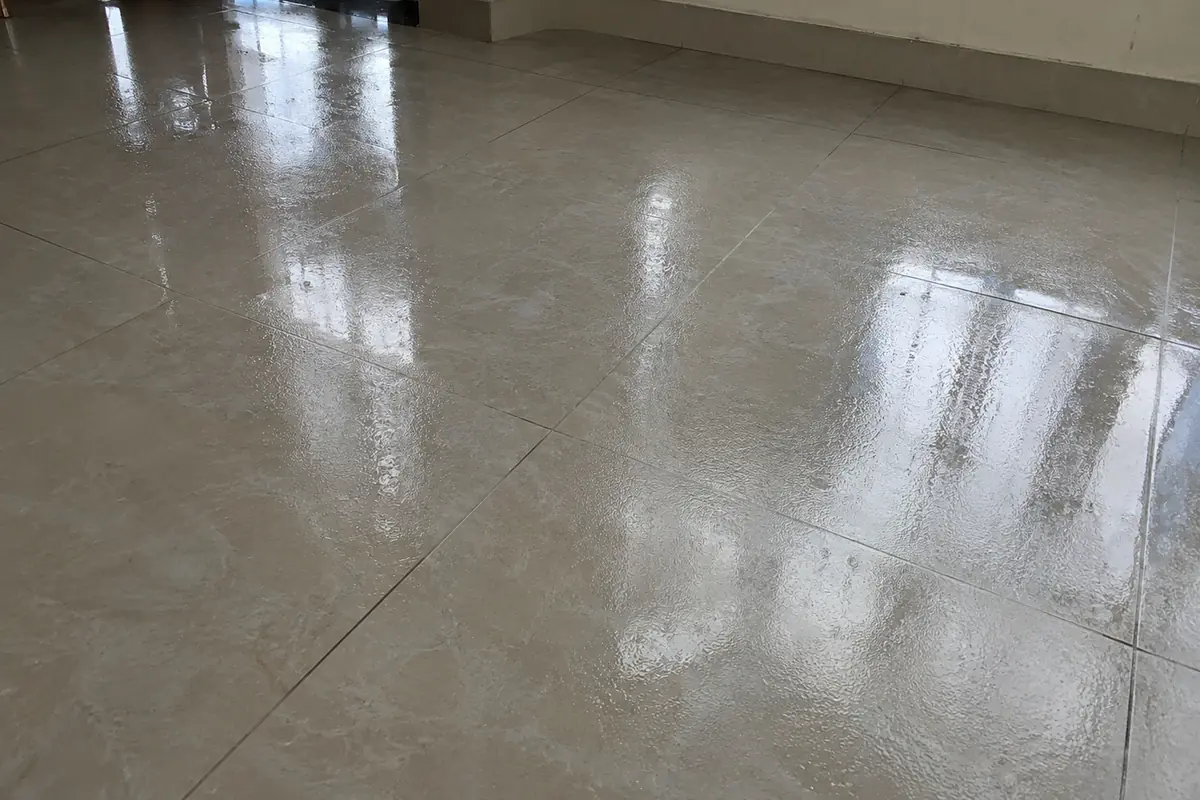
In most cases, that water hasn’t leaked in from outside.
During a typical humid spell, water vapor in the air comes into contact with cold surfaces and turns into liquid water through condensation.
What kind of wind causes nồm ẩm?
Nồm is often associated with warm, humid southeasterly winds bringing moisture from the sea into northern Vietnam as cold weather systems weaken.
The process becomes easier to understand in three stages.
First, several days of cold weather cool the building. Tile floors, concrete walls, and other construction materials retain that cold temperature even after the weather begins to change.
Next, the cold air retreats and warmer, more humid air moves in. The outdoor temperature may rise quickly, but the floor and walls take longer to warm up.
Finally, the air touching those cold surfaces cools down. When the surface temperature falls below the air’s dew point, moisture condenses into small water droplets.
This explains why ceramic tiles, stone floors, glass, and mirrors look visibly wet. Water stays on their surfaces instead of being absorbed.
It does not mean that humidity must reach exactly 80% or 90% before a humid spell begins.
High relative humidity increases the likelihood of condensation, but what ultimately determines whether water forms on a particular surface is its temperature relative to the dew point.
Why is summer humid without making floors as wet as spring?
Hai Phong experiences high humidity during many months of the year. Summer days can feel sticky, and clothes may take longer to dry, but floors rarely become wet in the same way they do in March.
The difference is the temperature of the building.
In July or August, floors and walls have warmed up along with the summer weather. They are less likely to remain dramatically colder than the surrounding air.
In February or March, however, a floor may still be cold after several days of chilly weather. When warm, humid air returns, condensation can form even without rainfall.
That is why an 85% humidity reading on a weather app does not automatically mean the house is experiencing nồm.
When is the humid season in Hanoi and Hai Phong?
Northern Vietnam’s humid season usually occurs from around mid-February to early April, with March a peak time for damp conditions.
Individual humid spells may last several days or about a week. Some are mild enough that you only notice a little moisture on the floor in the morning.
Others bring several consecutive days of wet tiles, damp walls, clothes that refuse to dry, and bedding that develops a musty smell.
The season does not begin on a fixed date each year. Several humid spells may occur, separated by days of relatively dry weather.
What is the humid season like in Hai Phong?
Hai Phong is a coastal city influenced by moist air masses from the sea. Late winter and early spring often bring cloudy skies, light drizzle, fog, and periods of high humidity.
The city’s humid season generally falls between February and April, although conditions vary from year to year.
You may have several dry days followed by a sudden change to warmer, damper weather. Floors that were perfectly dry the previous evening can begin collecting moisture the next morning.
Ground-floor rooms with stone or ceramic tile flooring show condensation more clearly.
Rooms with limited sunlight, walls pressed against neighboring buildings, or poor moisture control may remain damp longer.
However, not every building in Hai Phong experiences the same conditions. Two rooms in the same building can feel surprisingly different depending on their construction, surface temperatures, and ventilation.
Does Hanoi have the same humid season as Hai Phong?
Yes. Hanoi also experiences humid spells during the transition from winter to spring.
Older houses, ground-floor apartments, rooms with limited sunlight, and spaces with cold walls need extra attention.
High-rise apartments are not immune. Condensation may still appear on windows, cold walls, or other surfaces.
The severity depends on each weather event and the condition of the building. You cannot determine whether a room will stay dry simply from its Hanoi or Hai Phong address.
Can nồm ẩm happen in November?
Yes, although November is not the usual season.
In early November 2025, northern Vietnam experienced an unusual period of damp weather that meteorologists described as unseasonal.
Light rain, fog, and humid air affected parts of the region, creating conditions in which floors, walls, and household objects became damp despite the time of year.
The unusual humidity persisted until around November 11 before conditions began improving as the weather pattern changed and stronger cold air arrived.
This event illustrates why nồm cannot be restricted to three specific months.
Whenever the combination of moisture, air temperature, and cold surfaces is right, condensation can develop outside the typical spring season.
Monthly humidity in Hai Phong: why is August more humid than March?
The table below shows average monthly relative humidity for central Hai Phong during 2015-2024.
| Month | Average relative humidity |
|---|---|
| January | 81% |
| February | 81% |
| March | 85% |
| April | 83% |
| May | 82% |
| June | 81% |
| July | 83% |
| August | 86% |
| September | 84% |
| October | 79% |
| November | 79% |
| December | 74% |
Source: Monthly average relative humidity from gridded meteorological model data representing central Hai Phong, 2015-2024. These are modeled averages, not direct readings from an individual weather station or forecasts for specific days.
March averages 85% relative humidity, while August reaches 86%.
Looking only at those numbers, you might expect August to have even more condensation problems than March.
But average humidity is only part of the explanation.
In March, the ground and building materials may still be cold from winter, while the surrounding air becomes warmer and more humid.
In August, floors and walls have warmed along with the summer weather, making the temperature difference less likely to produce the same widespread condensation.
Other moisture problems can look like nồm.
For example, an air-conditioned room in summer may develop condensation on the outside of a cold window. That is condensation too, but it does not mean the region is experiencing a typical spring humid spell.
Monthly humidity figures are useful for understanding the climate. They cannot tell you which particular morning your floor will become wet.
How to recognize a humid day before everything gets wet
You can recognize nồm before puddles appear on the floor.
Common signs include:
- Tile or stone floors look shiny and feel wet even though nobody has mopped them.
- Moisture collects on the inside of windows and mirrors.
- Walls feel cold and damp when touched.
- Clothes hung overnight still feel heavy and slightly wet.
- Towels, sheets, and bedding develop a musty smell.
- Shoes take unusually long to dry.
- The room feels clammy or sticky, even when the temperature is not particularly high.
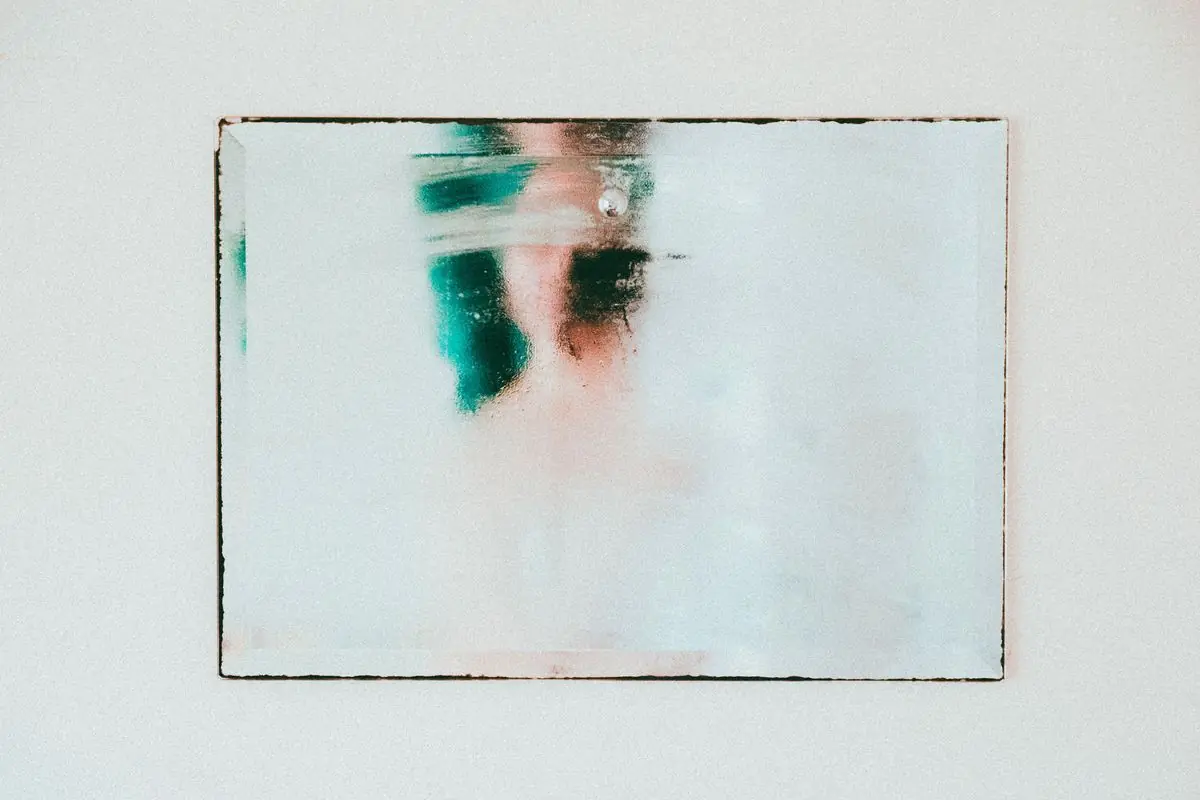
One sign alone does not prove you are experiencing nồm.
A mirror fogging up after a hot shower is normal. A permanently wet patch on one wall may indicate a plumbing leak or water entering through the building.
What makes a typical humid spell recognizable is the appearance of moisture on several cold surfaces after the weather has changed from cold to warm.
Should you buy a hygrometer?
A small digital thermometer and hygrometer can be useful if you live in Hanoi or Hai Phong for several months.
It measures the room’s temperature and relative humidity, helping you understand how damp the indoor environment has become.
Place it in the main living area, away from direct sunlight, air-conditioning vents, and other heat sources.
Indoor relative humidity is best kept below 60%, ideally between 30% and 50% when possible.
During a humid spell, aiming for approximately 50-55% can be a practical target while checking whether floors and windows are still developing condensation.
There is no need to make the room excessively dry.
A hygrometer showing 75% humidity tells you the indoor air is very humid. It does not, by itself, prove that every surface will become wet.
Surface temperature still matters.
Should you open or close windows during Vietnam’s humid season?
This is one of the most important decisions when dealing with nồm.
When the air outside is warm and humid while your floors and walls remain cold, keeping windows and balcony doors closed can help prevent additional moisture from entering.
The usual reflex on seeing a wet floor is to open every window and let the wind blow through.
Unfortunately, if that wind is bringing warm, moisture-laden air from outside, opening the windows can make condensation worse.
When should you keep windows closed?
Keep windows closed when:
- Water is visibly collecting on the floor.
- The outdoor air is foggy, drizzly, or extremely humid.
- Warm, damp winds are blowing into the room.
- You are using an air conditioner in Dry mode or a dehumidifier.
Closing windows does not mean sealing the building completely for days.
Homes still need appropriate ventilation, particularly in kitchens and bathrooms where cooking and showering generate moisture.
An extractor fan that vents outdoors can help remove moisture from those areas.
When is it better to open windows?
Open windows when outdoor air contains less moisture and ventilation will genuinely help dry the indoor environment.
This may happen after a drier cold air mass arrives or when the humid spell is coming to an end.
Do not assume that sunshine automatically means the air is dry.
Some spring afternoons are bright but still very humid.
If you have suitable measurements, compare indoor and outdoor temperature and moisture conditions. Dew point or actual water vapor content is more useful than comparing relative humidity percentages alone when the temperatures are different.
For a stuffy apartment, a short period of ventilation during favorable conditions may be useful before closing the windows again and continuing to dehumidify.
Does the Dry mode on an air conditioner help with humidity?
Yes. The Dry mode on many air conditioners can reduce indoor humidity and help limit condensation.
It is usually labeled Dry or shown with a water-drop symbol on the remote control.
When operating, the air conditioner passes room air over a cold coil. Some of the water vapor condenses and is drained away through the appliance’s drainage system.
This reduces the moisture content of the indoor air.
How to use Dry mode
Start by closing windows and doors that are letting humid outdoor air into the room.
Turn on the air conditioner, press the Mode button, and select Dry.
After running it for a while, check the hygrometer and look for changes in condensation on the floor and windows.
The results depend on the model, room size, indoor temperature, and humidity.
There is no point leaving Dry mode running continuously once the room is sufficiently dry.
It is also incorrect to assume Dry mode always consumes less electricity than Cool mode. Energy use depends on the appliance and operating conditions.
One drawback is that many air conditioners remove moisture through a cooling process.
On an already chilly day in northern Vietnam, the room may become uncomfortable before enough moisture has been removed.
A dedicated dehumidifier may be a better option in that situation.
Does Fan mode remove humidity?
No.
Fan mode circulates air without actively removing water vapor from the room.
A fan blowing across a wet floor may help the surface dry by increasing evaporation. However, that moisture remains in the indoor air unless it is ventilated out or collected by a dehumidifying device.
Similarly, heating a room can reduce relative humidity by increasing the air temperature, but the water vapor has not been removed.
Dehumidifier or air conditioner: which one should you use?
If you are staying in Hai Phong for only a few nights and your hotel has a properly functioning air conditioner, you probably do not need additional equipment.
For someone renting an apartment for several months, working from home, or dealing with wet floors repeatedly, a dedicated dehumidifier may be worth considering.
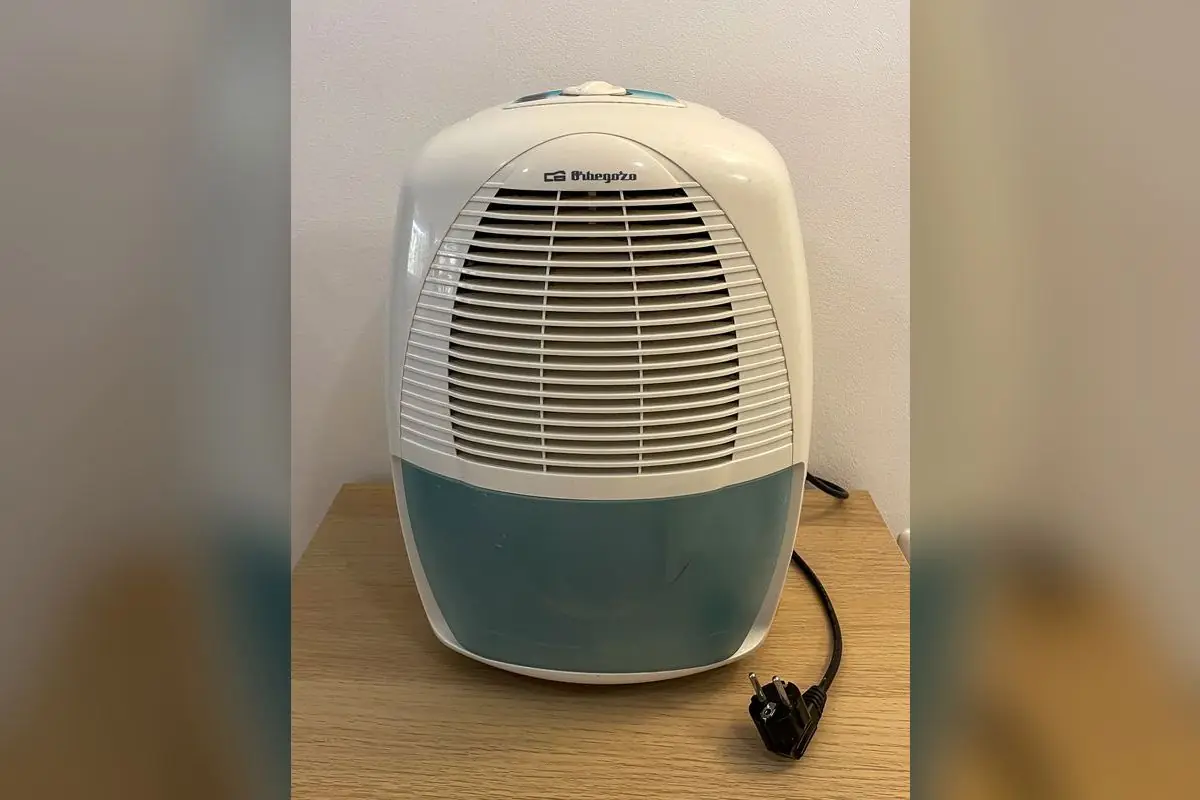
| Feature | Air conditioner in Dry mode | Dedicated dehumidifier |
|---|---|---|
| Main purpose | Reduces humidity, often while changing room temperature | Removes water vapor from the air |
| Cold weather | May make the room colder | Often more suitable, depending on the model |
| Humidity control | Depends on the air conditioner | Many models allow a target humidity setting |
| Water collection | Drains through the air-conditioning system | Collects water in a tank or drains continuously |
| Best suited for | Rooms with existing air conditioning and moderate humidity | Longer stays and regular humidity control |
A dehumidifier with sufficient capacity for your room will generally work better than a small unit that runs continuously without noticeably lowering humidity.
When choosing one, look at the extraction capacity in liters per day, the manufacturer’s testing conditions, water tank size, noise level, and whether continuous drainage is possible.
A machine rated to remove a certain number of liters per day may not collect that exact amount in your apartment. Actual performance changes with temperature and humidity.
Position the machine where air can circulate freely around its intake and outlet. Avoid pushing it against curtains or hiding it under a desk.
For a bedroom, noise is worth checking before buying.
A machine that is too loud may encourage you to switch it off overnight, precisely when the room is closed for several hours.
How to reduce humidity without a dehumidifier
Not every rental apartment, guesthouse, or homestay has a dehumidifier.
Dealing with the most immediate problems first still cuts down much of the inconvenience.
Start with the floor and walking areas
A wet floor deserves attention because slipping is an immediate risk.
Use a dry mop or absorbent cloth to remove moisture, especially along the route from your bed to the bathroom, around staircases, and near the entrance.
Avoid repeatedly mopping an already wet floor with more water.
That simply adds moisture that needs to evaporate.
Clean with water or a suitable cleaning product only when you can make sure the surface dries afterward.
Smooth stone and ceramic tile floors can become very slippery.
Wear slippers with good grip, and avoid rushing across wet floors, particularly after stepping out of the bathroom.
A doormat can help, but a fabric mat that stays soaked for days will become another moisture problem. Wash and dry it properly.
Reduce unnecessary sources of moisture
Cooking, hot showers, wet laundry, and excessive water-based cleaning all add moisture to a home.
When the building is already damp, these activities make humidity harder to control.
Use a kitchen exhaust hood that vents outdoors if one is available.
After showering, turn on the bathroom extractor fan rather than allowing all the steam to spread into the bedroom.
Avoid drying a large load of wet laundry next to your bed in a small, closed room without any way of removing moisture.
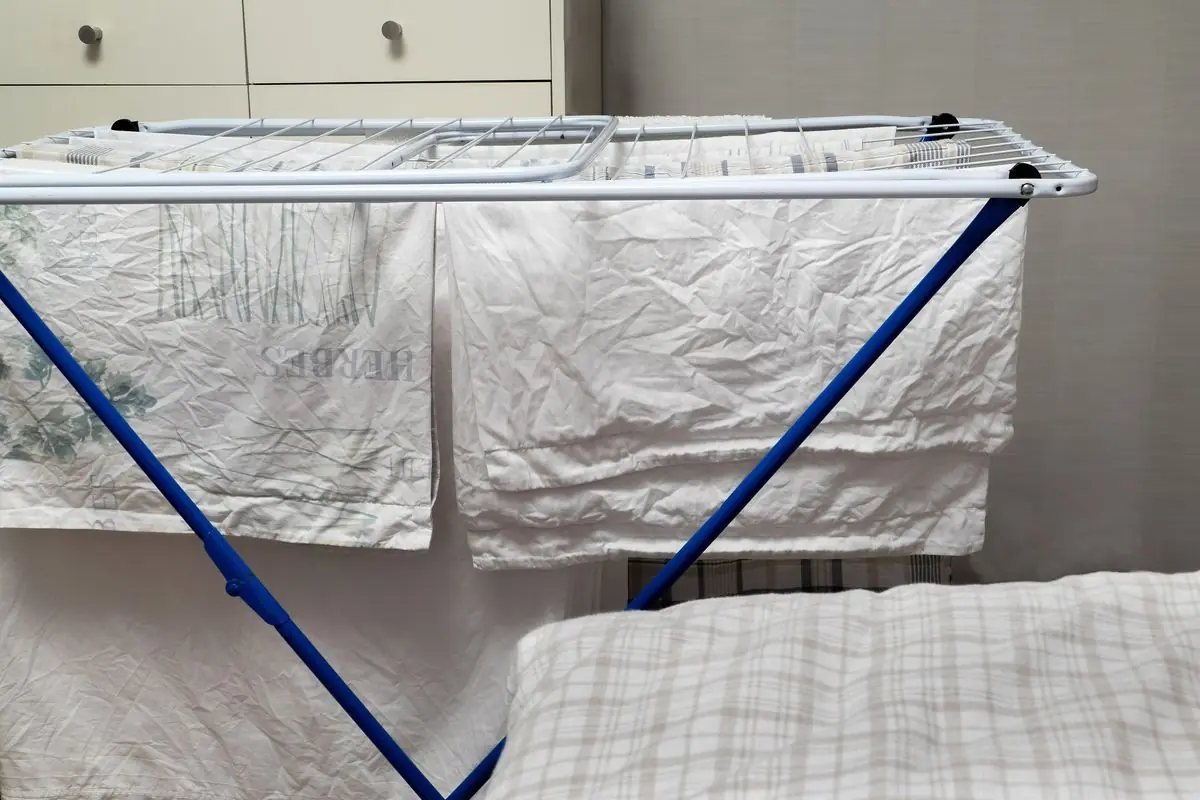
When indoor drying is unavoidable, use a designated area with appropriate moisture removal or ventilation.
Can moisture-absorbing packets replace a dehumidifier?
Not really.
Silica gel packets and moisture-absorbing containers can be helpful in shoe cabinets, drawers, document boxes, and other small enclosed spaces.
However, placing a few packets in the middle of a large room will not replace the continuous moisture-removal capacity of an air conditioner or dehumidifier.
Some moisture absorbers collect liquid as they work.
Keep these containers upright and away from children, pets, electronics, and valuable belongings. Spilled liquid can damage nearby objects.
How to dry clothes during the humid season
Laundry can become one of the most frustrating parts of living through nồm.
A shirt hung up in the morning may still feel damp that evening, especially around the collar, seams, and pockets.
Do not put clothing away before it is completely dry.
If you have a washing machine
Use an appropriate spin cycle to remove as much water as the fabric safely allows.
Take clothes out promptly after washing instead of leaving them inside the drum for several hours.
Hang garments with enough space between them for air to circulate.
Jeans, thick jackets, and towels take longer to dry than lightweight shirts.
When you need something ready for the following morning, a proper clothes dryer is more reliable than hoping it will dry naturally overnight.
If your washing machine has a dryer function, check the drying load capacity. It is often lower than the washing capacity.
If you do not have a clothes dryer
A fan combined with a dehumidifier can work well in a closed room.
The fan helps moisture evaporate from the fabric. The dehumidifier removes some of that water vapor from the room.
They perform different jobs.
You can also use a laundry service with tumble drying, which may be the most convenient option during a short hotel stay.
If you have only a few days before leaving, wash only what you need. Hanging an entire suitcase of wet clothes in a small room makes humidity much harder to manage.
What about sheets, blankets, and pillows?
Bedding can absorb moisture from the air, especially in a poorly ventilated room.
Change sheets and pillowcases when they feel clammy or develop an unpleasant smell.
Check the underside of mattresses, particularly when the bed is close to the floor or against an exterior wall.
Do not seal damp blankets inside storage bags.
They must be completely dry first. Otherwise, trapped moisture can create conditions for mold growth.
Protecting shoes, bags, electronics, and documents from moisture
Many belongings are not damaged by a single humid day.
Problems usually develop when objects remain damp for too long or are stored in enclosed spaces without adequate moisture control.
Sneakers and leather shoes
Shoes already contain moisture from sweat and sometimes rainwater.
Putting them straight into a closed cabinet during a humid spell can make drying much slower.
Remove the insoles when appropriate and allow the shoes to dry in a suitable location.
Moisture absorbers designed for footwear can also help.
For leather shoes, avoid intense heat or placing them close to heaters. Excessive heat can affect the leather, glue, and shape.
If mold develops, clean the shoes according to the material and manufacturer’s care instructions before returning them to storage.
Do not put moldy footwear back among clean shoes without dealing with the problem.
Handbags, suitcases, and stored clothing
A wardrobe placed directly against a cold wall is worth checking during the humid season.
Moisture may collect behind the cabinet, around the bottom, or in corners with limited airflow.
Leaving some space between furniture and walls makes inspection and air circulation easier.
A suitcase that has been exposed to rain should be wiped clean and left open until completely dry.
Check the clothes inside before closing it for storage.
Phones, cameras, and laptops
Electronic equipment should not be left in environments where condensation is forming repeatedly.
Avoid placing a laptop directly on a wet tile floor.
Cameras and lenses are better stored in appropriate dry cabinets or protective containers, with humidity maintained according to the manufacturer’s recommendations.
When moving equipment from a cold environment into warm, humid air, allow it time to adjust before removing it from a protective bag or using it.
This can help reduce condensation on cold surfaces.
Passports, books, and important papers
Paper absorbs moisture and can warp or become moldy when stored in damp conditions.
Passports, rental agreements, certificates, and other important documents should be kept in clean, dry storage with appropriate protection against moisture.
There is no need to seal every book you regularly use, but avoid positioning bookshelves directly against walls that are collecting water.
If books become damp, they should be dried appropriately before being returned to the shelf.
Do not store visibly moldy books beside unaffected ones.
How to store food during humid weather
The humid season can make bread, crackers, and other dry foods absorb moisture and lose their crisp texture.
Close opened packages properly and use clean, dry, airtight containers where appropriate.
Rice, cereals, flour, and other dry ingredients should be kept away from damp walls and floors.
Make sure containers are dry before filling them.
For cooked food, do not assume that cool weather makes it safe to leave meals sitting out for hours.
Perishable food should be refrigerated within two hours, or within one hour when the surrounding temperature is above 90°F (32°C).
Refrigerators should be kept at 40°F (4°C) or below.
Bread that develops visible mold cannot be saved by simply cutting off the moldy section and eating the rest.
Mold can spread beneath the visible surface of soft, porous foods.
Kitchen towels and dishcloths also deserve attention. Wash and dry them properly instead of leaving them permanently damp beside the sink.
How does the humid season affect your health?
Nồm does not mean everyone who goes outdoors will become ill.
The more immediate concerns are slippery surfaces, mold growth, and long periods spent in damp indoor environments.
Wet floors increase the risk of slipping
This is one of the most direct hazards.
Smooth tiles, polished stone staircases, bathroom entrances, and hotel lobbies can become slippery when water condenses on the surface.
Older adults, young children, and anyone moving around at night should be extra careful.
Keep walkways well lit, remove standing water, and avoid loose mats that can slide across wet flooring.
Mold can aggravate asthma and allergies
When moisture remains high for extended periods, mold can develop on walls, curtains, carpets, mattresses, and other materials that retain water.
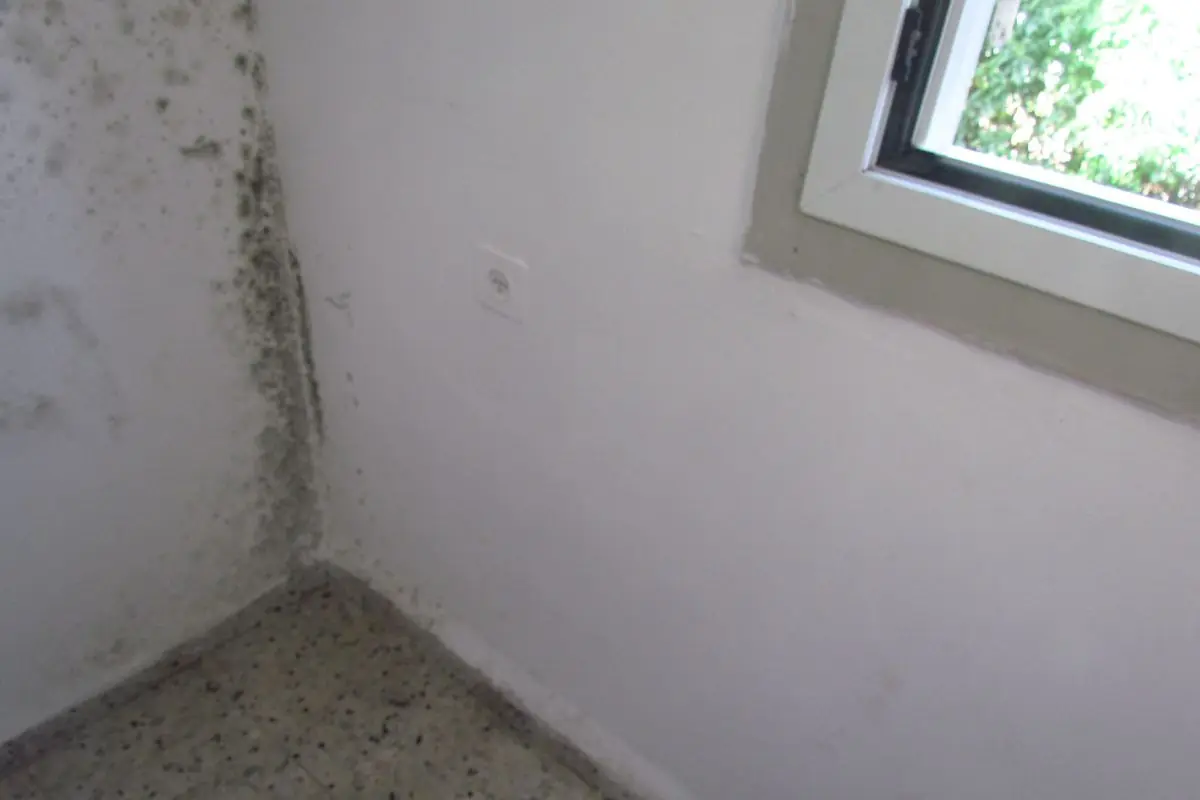
Exposure to mold and damp indoor conditions may contribute to sneezing, eye irritation, coughing, and wheezing in sensitive people.
For someone with asthma, mold may trigger or worsen symptoms.
Not everyone reacts in the same way.
It is also important not to blame every springtime symptom on the humid weather. Pollen, respiratory infections, and air pollution can cause similar discomfort.
People with asthma, significant allergies, or underlying respiratory conditions should consult their healthcare professional about managing symptoms and reducing exposure to mold.
What should you do if mold appears on the walls?
Start by identifying where the moisture is coming from.
A small area of mold on a hard surface may be cleaned with a suitable detergent, followed by thorough drying.
Follow the product’s safety instructions. Never mix chlorine bleach with ammonia or other cleaning chemicals.
Porous materials, including carpets, ceiling tiles, and some wall coverings, can be harder to clean when mold has penetrated deeply.
If mold is spreading, repeatedly returning, associated with water leaks, or affecting someone with a respiratory condition, ask the property owner or a qualified professional to investigate.
Dry wet materials and areas within 24-48 hours when possible to reduce the likelihood of mold growth.
Simply painting over a moldy wall without solving the moisture problem is unlikely to provide a lasting solution.
How to choose a hotel or apartment during the humid season
If you are visiting Hanoi or Hai Phong in February or March, room conditions can matter more than decorative features.
A cold ground-floor room without proper moisture control may become uncomfortable from the first morning.
You may find yourself drying shoes, looking for somewhere to hang towels, or carefully crossing slippery tiles every time you visit the bathroom.
Booking a hotel for a few nights
Before paying, look at actual room photographs, especially the windows, flooring, bathroom, and air-conditioning system.
If two rooms are otherwise similar, a higher-floor room with a properly functioning air conditioner may be preferable to a dark ground-floor room during the humid season.
However, a higher floor does not guarantee a dry room.
Cold windows, damp walls, and poor ventilation can still cause condensation.
Consider asking the receptionist or host:
This is more useful than asking only whether the room has windows.
A window provides little benefit when opening it would allow more humid air into the room.
Renting an apartment long-term
If you are relocating to Hai Phong or Hanoi, viewing an apartment on a humid day can reveal problems that may be invisible during sunny weather.
Check the bottom of walls, behind wardrobes, around windows, bathroom corners, and beneath the bed.
A freshly painted wall that still smells musty or shows recurring discoloration deserves closer attention.
Do not assume that a new coat of paint means the underlying moisture problem has been fixed.
Beyond air conditioning, check whether the apartment has an extractor fan, suitable laundry facilities, space for a dehumidifier, and safe electrical outlets.
A well-maintained high-rise apartment with good moisture control may be more comfortable than a ground-floor house with a cold concrete base.
Still, the actual condition of the property matters more than the neighborhood name or building height.
Can a newly built house avoid nồm?
Not entirely.
Proper ground moisture barriers, insulation, building materials, and ventilation design can reduce condensation problems.
However, even a newly constructed home needs adequate indoor humidity control.
An older building with good moisture management can be more comfortable than a new building with poor ventilation or untreated dampness.
Going outside during the humid season
A humid spell rarely means you need to cancel your plans in Hanoi or Hai Phong.
The biggest inconveniences are wet surfaces, reduced visibility when fog is present, and clothing that takes longer to dry.
In Hai Phong, watch your footing on stone steps, tiled courtyards, and smooth floors at restaurants or shops.
In Hanoi, polished sidewalks and outdoor staircases can also become slippery when damp.
Shoes with grippy soles are a better choice than footwear with smooth, worn-out bottoms.
If you are traveling by motorbike, take extra care on wet roads, painted road markings, and metal covers, especially when light drizzle accompanies the humidity.
Morning fog can also reduce visibility, even when the forecast does not predict heavy rain.
Photographers should avoid removing cold cameras from their bags immediately after entering warm, humid air.
Allowing equipment to adjust to the temperature may be more useful than constantly wiping a fogged lens.
When you return to your accommodation, check your shoes, jacket, and bag before putting them away.
Anything damp should be dried, especially if you are traveling again the following day.
A simple daily routine for humid weather
Instead of spending the entire day mopping floors or checking humidity readings, rely on a few timely actions. They can make a considerable difference.
- Morning
Dry the floor, check humidity
Check the floor and stairs before walking around. Dry any visible moisture, look at the hygrometer, and avoid opening windows that would let humid air inside. Use your dehumidifying equipment if needed.
- Midday
Put away dry clothes
Check hanging clothes and put away only those that are completely dry. Continue drying thicker garments with a dryer or in a room with moisture control. Ventilate briefly if outdoor conditions are favorable, rather than opening windows simply because the sky looks brighter.
- Afternoon
Empty the tank, wipe corners
Empty the dehumidifier tank when necessary. Inspect window ledges, cold walls, and corners where condensation collects. Wipe away standing water.
- Evening
Keep the path dry
Make sure the bedroom is reasonably dry. Check bedding and indoor slippers, and keep the route between your bed and the bathroom free of slippery patches.
This routine is particularly helpful during a humid spell lasting several days.
Once the floor is dry and indoor humidity is under control, there is no reason to operate equipment more than necessary.
Common mistakes when dealing with nồm
Several habits sound reasonable but fail to address the underlying moisture problem.
- Opening every window to let the wind in: This may introduce even more moisture when outdoor air is warm and humid. Ventilate when outdoor conditions are suitable.
- Repeatedly mopping with water: This adds water that must evaporate. When floors are wet from condensation, focus on absorbing and removing the moisture.
- Assuming a fan removes humidity: A fan circulates air but does not actively extract water vapor from it.
- Leaving Dry mode running constantly: It may make the room unnecessarily cold without providing the best possible humidity control. Monitor the actual results.
- Putting moisture-absorbing packets in a large room: These products are useful for small enclosed spaces, not as a replacement for a proper dehumidifier.
- Storing clothes that feel dry only on the outside: Thick seams, collars, and layered fabrics are still damp and, left too long, develop musty odors and mold.
- Painting over mold without fixing the cause: Mold is likely to return if water continues entering the wall or condensing on its surface.
Northern Vietnam’s humid season is most common between mid-February and early April, but not every day during that period will be damp. On mornings when the weather suddenly turns warmer after a cold spell, check the floor and outdoor conditions before opening your windows at around 7 AM. If warm, humid air is moving in, keep the windows mostly closed and wait for drier conditions before ventilating.
Frequently asked questions
What is nồm ẩm called in English?
Nồm ẩm is commonly described as *humid weather* or *damp weather*. A more precise explanation is *condensation caused by warm, humid air meeting cold surfaces*. The water that forms on floors, walls, and windows is called *condensation*. There is no single widely used English word that captures every characteristic of northern Vietnam's spring humid season.
Should I open or close windows during nồm?
Keep windows and balcony doors mostly closed when the outside air is warm and humid and your floors are cold enough for condensation to form. Open them when outdoor conditions are drier and ventilation can help reduce indoor moisture. Kitchens and bathrooms should still have appropriate ventilation.
Does air conditioner Dry mode work against humidity?
Yes. Dry mode removes some water vapor from the indoor air and can reduce condensation. However, its effectiveness depends on the air conditioner and room conditions. In cooler weather, a dedicated dehumidifier may be more comfortable because it generally does not require as much additional cooling.
How long does a humid spell usually last?
A typical humid spell may last several days to about a week, although the duration varies with weather conditions. Condensation may decrease when stronger, drier cold air arrives or when changes in temperature and sunlight allow building surfaces to warm and dry.
Why are ground-floor homes often more humid than higher apartments?
Floors in contact with the ground can remain cold after several chilly days. When warm, humid air enters the home, condensation may form on those cold surfaces. Higher apartments are generally less affected by ground temperatures but can still experience condensation on windows, walls, and other cold areas.