Hai Phong (Hải Phòng) Weather: Best Months to Visit
Hai Phong weather comes in clear seasons: a cool, damp winter, a clammy spring and a hot, wet summer with the occasional typhoon. For the city plus a trip out to Cat Ba (Cát Bà), October and November are the easiest months. For swimming, aim for May or June and keep your island days flexible.
 7 min read

Evening clouds over the Lach Tray (Lạch Tray) river, Hai Phong, September 2011.
In March, the tiled floor of a Hai Phong guesthouse can look freshly mopped when nobody has touched it. Mirrors fog, and laundry hung out three days ago still smells damp. Locals call it nồm. By December the air has turned dry and sharp, the sky is clear, and the crab noodle stalls are busiest first thing in the morning.
Northern Vietnam has proper seasons, and this port city on the Gulf of Tonkin swings between them more than many visitors expect of a country they picture as tropical all year.
Hai Phong weather, month by month
| Month | Avg high / low (°C) | Rain (mm) | Days with 1 mm+ | Humidity (%) |
|---|---|---|---|---|
| Jan | 21 / 15 | 38 | 7 | 81 |
| Feb | 22 / 16 | 28 | 6 | 81 |
| Mar | 25 / 20 | 41 | 10 | 85 |
| Apr | 28 / 23 | 70 | 12 | 83 |
| May | 32 / 26 | 193 | 20 | 82 |
| Jun | 34 / 28 | 240 | 21 | 81 |
| Jul | 33 / 27 | 282 | 23 | 83 |
| Aug | 32 / 27 | 414 | 27 | 86 |
| Sep | 32 / 26 | 307 | 23 | 84 |
| Oct | 29 / 23 | 132 | 13 | 79 |
| Nov | 27 / 20 | 46 | 9 | 79 |
| Dec | 22 / 16 | 21 | 5 | 74 |
High and low are averages of each day's maximum and minimum, not records. In Fahrenheit, June averages about 93°F by day and January about 59°F at night. A rain day only means at least 1 mm fell; that can be a single afternoon shower. The centre gets roughly 1,800 mm a year, most of it in five summer months.
These figures are a reanalysis calculated for a whole grid cell, not readings from one station, so the rain-day count can differ a lot from a ground station's, especially on days of drizzle or very light rain. Read that column as a sign of how showery a season is, not a count of days stuck indoors.
Winter: the north wind and clear, dry December
From December to February, waves of northeast monsoon air push cold down from the north. December is usually the driest, least humid month, often bright and crisp. January and February are colder and damper, with grey days and fine drizzle.
It is not beach weather, and Do Son and Cat Ba go quiet. It is, though, the best season for a hot bowl of crab noodle soup at breakfast or ginger rice balls late at night. Pack a windproof jacket and a warm mid-layer, and add a proper coat if the forecast mentions a strong cold surge. When booking, ask whether the room's air conditioner has a heating mode.
Lunar New Year (Tết) falls in January or February. The streets are festive, but many family-run places shut for the first few days.
The damp season, when walls sweat
Nồm usually arrives at the tail end of winter and into spring, roughly February to April. Moist southeasterly air blows in off the sea while walls, floors and furniture are still cold from the last cold snap, and water condenses on every surface. Humidity sits above 80%, close to saturation.
In the table, March and August are the two most humid months, each with about eight days of daily mean humidity at 90% or more. The difference is that in August the walls are warm and mostly stay dry; in March they are still cold, and they sweat.
The main travel nuisance is damp clothing and slippery floors, stairs and pavements, especially polished stone lobbies and tiled steps. Laundry barely dries, and grey skies flatten beach photos. Bring shoes with grip, a few quick-dry clothes and zip bags for your camera and phone, and pick a room whose air conditioner has a dry mode. Damp days suit museums, cafes and a walk past the French-era buildings in the old centre between showers. April warms up and the damp eases, which makes it a good month for the city.
Rain and typhoon season: May to September
Rainfall jumps in May and peaks in August. The heat builds too: a typical June has about nine days that reach 35°C (95°F). Summer rain tends to come as heavy showers, and a typical August has about one day with 50 mm or more.
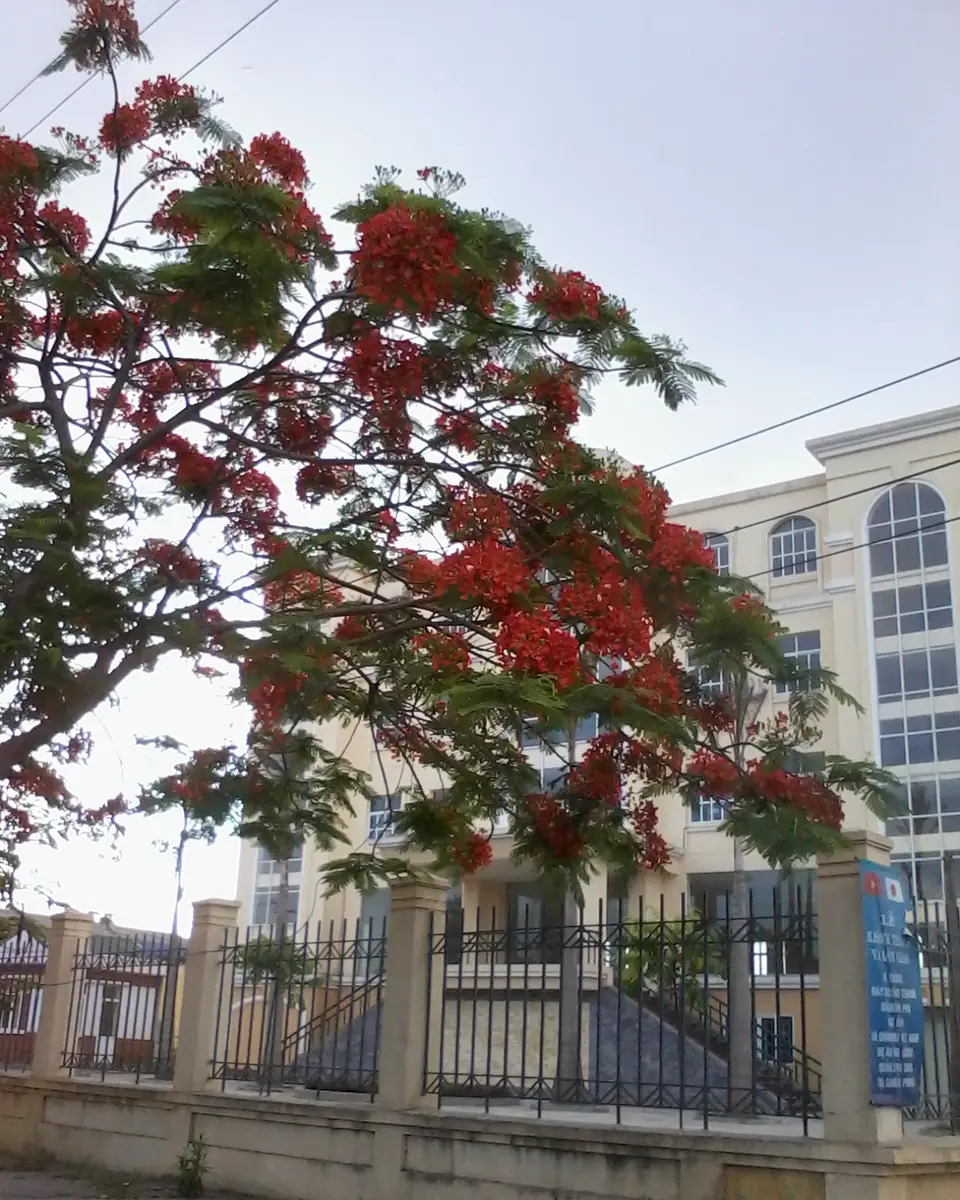
On ordinary summer days, we suggest doing outdoor things early and late and spending the middle of the day indoors. Carry a light rain jacket, sunscreen and water, and build a spare day into any island plan; it gives you room to move things, not a guarantee that boats will run. The wet season does not always end with September, either: October 2020 and October 2021 both had more than 250 mm.
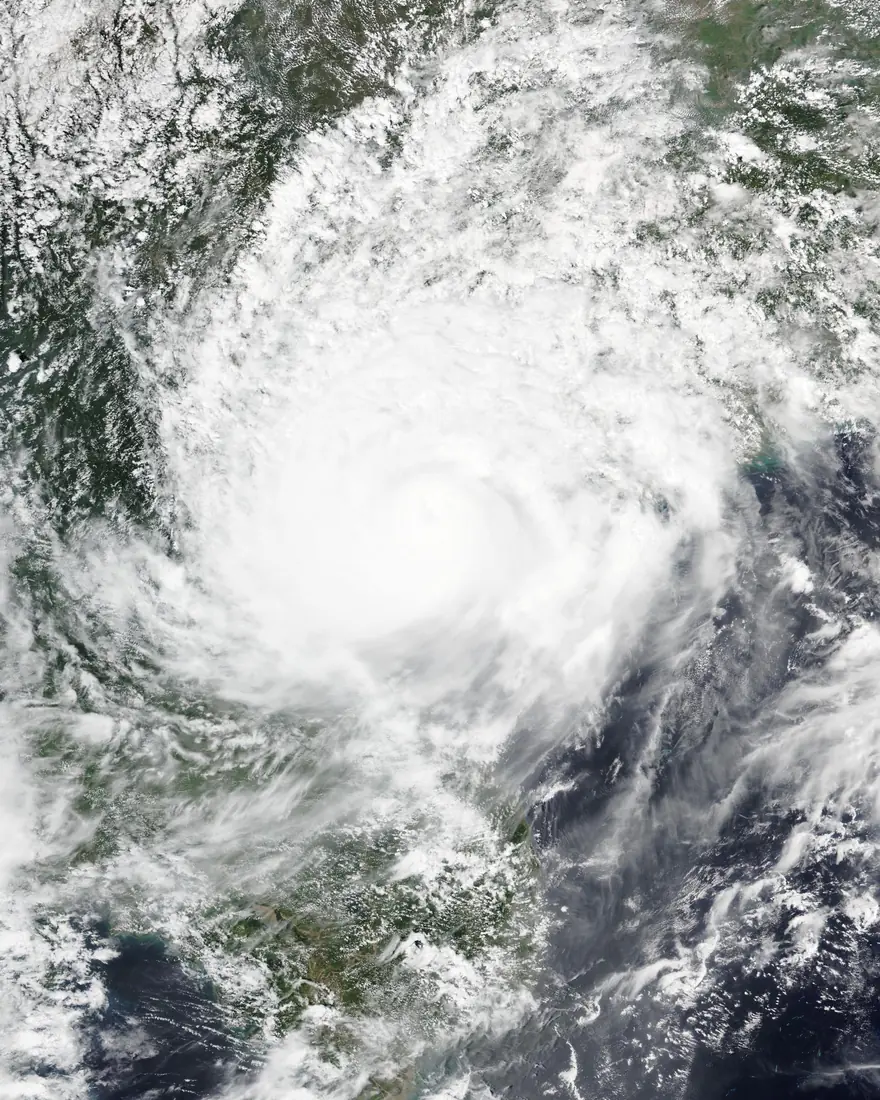
How warm is the sea?
These are modelled sea-surface temperatures from MeteoFrance via Open-Meteo, for a point offshore from Do Son, averaged from late November 2022 to December 2024. That is only about two years of data, taken offshore, so treat it as a rough guide rather than the temperature at the water's edge.
- January-February: about 19-20°C, cold for most swimmers.
- April: about 25°C. May and October: about 29°C.
- June-August: about 31-32°C, the warmest of the year; September still about 30-31°C.
- December: about 22-23°C. The point off Cat Ba runs half a degree to just over a degree cooler in winter.
Do Son's swimming season is usually counted as May to August. On the model figures the water in September is still as warm as early summer, but it is also a month of frequent storms and heavy rain, and the crowds thin out. Warm water does not mean a calm sea either: swim only in zones with buoys and a lifeguard on duty, follow the beach flags, and drop any plan to get in the water during a warning. The sea at Do Son is brown with river silt all year; Cat Ba's beaches are clearer.
Is Cat Ba different from the city?
The Cat Ba figures come from the same dataset and years, for the grid cell covering the town. That cell is mostly open sea, so the figures show a direction of difference, not conditions in the island's forest or on its peaks.
Summer days on Cat Ba run 2-3°C cooler than in the city: a June average high of about 31°C against 34°C. Winter nights are the reverse, 1-2°C milder. Rain shifts with the season: May is drier on the island, but July to October is wetter, with August around 480 mm. A late-summer island trip is no less likely to meet heavy rain than a stay in town.
The ferries and cable car to Cat Ba and boat trips on Lan Ha (Lan Hạ) Bay depend on the weather more than any other part of a trip here. After heavy rain, trails in Cat Ba National Park get slippery and some may close, so ask the park office before you set off.
The best time to visit Hai Phong, by trip type

| Trip | Best months | Watch out for |
|---|---|---|
| City walks, food | Oct-Dec, Apr | Feb-Mar damp: wear shoes with grip |
| Cat Ba and Lan Ha Bay | Oct-Nov, Apr-Jun | All year, boats only sail when cleared to leave port |
| Swimming at Do Son or Cat Ba | May-Aug | Lifeguarded zones only, follow flags; no swimming during sea bans. September water is still warm, but storms are frequent |
| Flamboyant blossom | May-Jun | Fierce midday sun, afternoon storms |
| Con Son (Côn Sơn) - Kiep Bac (Kiếp Bạc) festivals | 1st and 8th lunar months | Festival weekends are very crowded |
If we had to pick one month, it would be November: little rain, cool air, whole days on foot in the city without wilting, and comfortable conditions for the stone steps of Con Son mountain. In October the sea is still warm, at the cost of the occasional long wet spell; if you want a swim on Cat Ba, ask first which beaches still have buoyed zones and lifeguards. May and June are for beach and blossom lovers who can handle heat. August is doable if you accept the forecast may rearrange your plans.
Frequently asked questions
Can I use the averages to know whether it will rain on my travel dates?
No. The table shows which seasons tend to be hot, wet or humid, not what a given day will bring. About a week before you travel, check the national forecasting centre, then again each day if you have a boat trip or a beach day planned.
Does Hai Phong ever get properly cold?
Yes. January averages about 15°C (59°F) at night, but strong cold surges go much lower: in the 2015-2024 data for the city centre, the night of 24 January 2016 dropped to about 4°C (39°F). Between December and February, pack one genuinely warm jacket, especially if forecasts mention a reinforced cold air mass.
How do I protect a camera in the damp season?
Keep cameras and lenses in a sealed bag with silica gel, and not overnight by a window or in the bathroom. Taking a camera from an air-conditioned room into damp outside air fogs the lens; leave it in the bag for a while so the temperature evens out before you open it.