Vietnamese coffee is more than iced milk coffee: find your perfect cup
Love strong, bitter coffee? Start with a black iced coffee. Prefer something sweet and creamy? Try bạc xỉu or coconut coffee. To understand what makes Vietnamese coffee different, it helps to know a little about robusta beans and the traditional phin filter before you order.
 23 min read
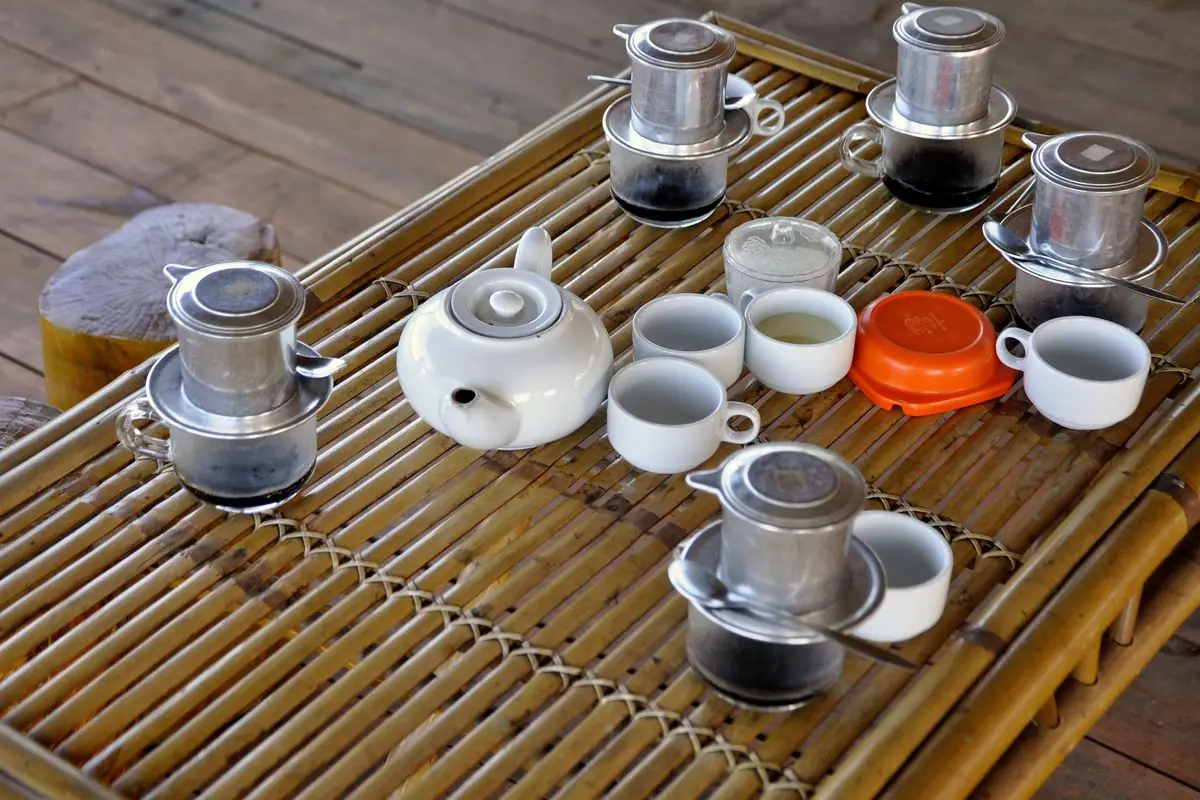
Each phin makes one cup, dripping straight down into it.
Many first-time visitors assume Vietnamese coffee is simply strong black coffee mixed with sweetened condensed milk. Robusta and arabica are types of coffee beans, a phin is a brewing tool, and drinks such as đen đá, nâu đá, bạc xỉu and egg coffee are different ways of enjoying coffee. Once you understand those three distinctions, most Vietnamese coffee menus become much easier to navigate.
1. Where does Vietnam rank in world coffee production?
Vietnam is the world’s second-largest coffee producer, after Brazil, and one of the most important suppliers of robusta coffee worldwide.
For the 2025/26 coffee season, the United States Department of Agriculture (USDA) raised its estimate of Vietnamese production from 30.8 million to 31.7 million 60-kilogram bags. This includes approximately 30.5 million bags of robusta and 1.2 million bags of arabica.
That puts robusta at more than 95% of Vietnam’s coffee production.
For the 2026/27 season, the USDA forecasts that Vietnamese coffee production could reach approximately 32.5 million bags. That figure is a projection rather than a confirmed harvest total.
Export figures are equally impressive. In 2025, Vietnam exported approximately 1.59 million metric tons of coffee worth US$8.92 billion, the country’s highest export value ever. Compared with 2024, export volume increased by 18.3%, while export value rose by 58.8%.
The two sets of figures work differently: USDA production statistics are calculated by coffee season and expressed in 60-kilogram bags, while Vietnam’s 2025 export figures cover the calendar year. They should not be treated as interchangeable measurements.
When did coffee first arrive in Vietnam?
Coffee plants were introduced to Vietnam by the French in 1857. The earliest variety brought over was arabica, initially cultivated in parts of northern Vietnam.
By 1888, coffee cultivation had expanded into plantation-style production. During the early twentieth century, robusta and other varieties gradually appeared, and cultivation spread farther south.
The Central Highlands eventually became Vietnam’s main coffee-producing region, centered on Đắk Lắk and the area around Buôn Ma Thuột. The climate, altitude and soil in many parts of this region are well suited to robusta cultivation.
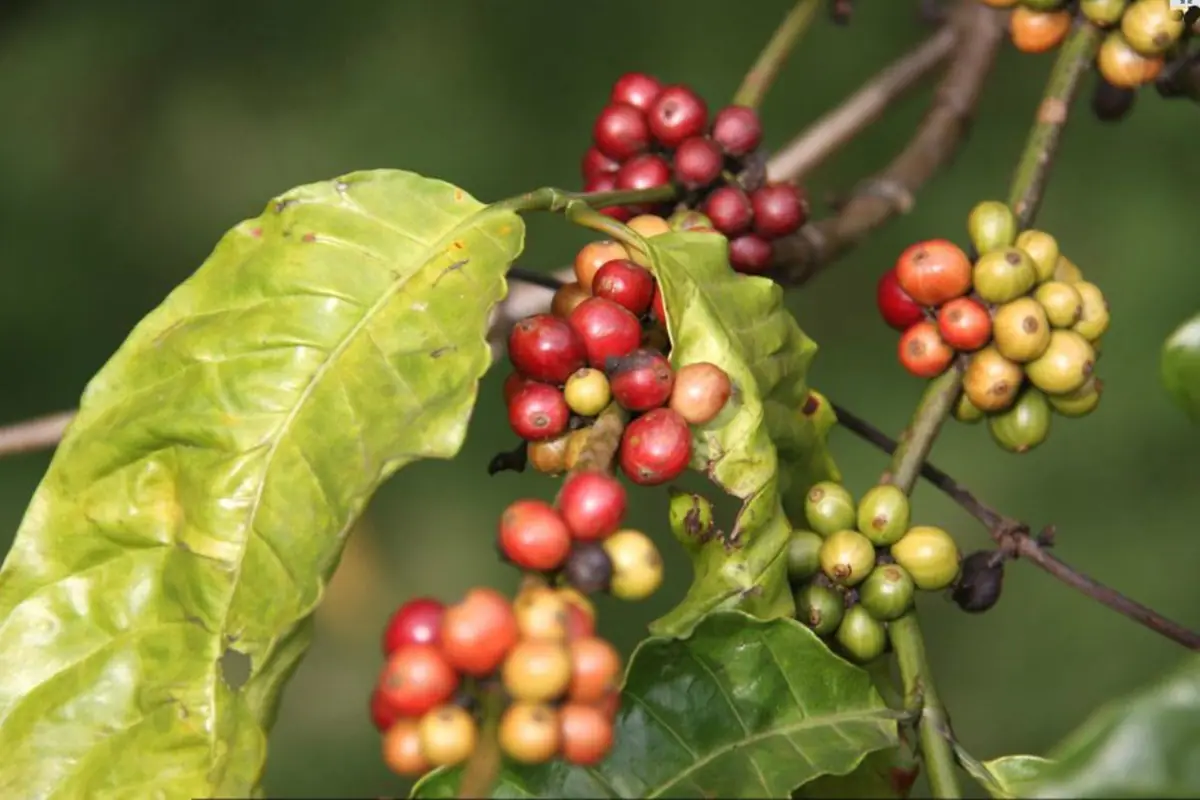
What began as an imported crop eventually became one of Vietnam’s major agricultural exports and an everyday part of Vietnamese life.
But the way Vietnamese people drink coffee has also developed far beyond its early European influences.
Instead of relying exclusively on espresso or hot black coffee, Vietnamese coffee culture embraced metal drip filters, condensed milk, ice and other familiar ingredients, creating drinks that are now closely associated with the country.
2. How many types of Vietnamese coffee are there?
Three bean groups commonly mentioned in Vietnam are robusta, arabica and cà phê mít, a local name associated with the Liberica/Excelsa group.
Robusta and arabica are by far the most commercially important.
As for coffee drinks, there is no fixed number. Traditional phin coffee alone can be served black, with milk, hot or iced. Add egg coffee, salt coffee, coconut coffee, cream-topped drinks and espresso-based variations, and the list becomes considerably longer.
Robusta: strong, bitter and high in caffeine
Robusta is known in Vietnamese as cà phê vối.
It generally produces a full-bodied cup with noticeable bitterness, relatively low acidity and a strong coffee character. Depending on the variety, processing method and roast level, you may notice flavors reminiscent of cocoa, roasted nuts or dark chocolate.
Robusta beans generally contain more caffeine than arabica, roughly twice as much when comparing caffeine concentrations in the beans.
That’s one reason a small Vietnamese phin coffee can feel stronger than a much larger, more diluted cup.
Robusta is widely grown in Đắk Lắk, Gia Lai and other coffee-producing areas of Vietnam’s Central Highlands.
Robusta is the natural starting point for traditional Vietnamese coffee. Its strong flavor remains noticeable even when mixed with sweetened condensed milk and plenty of ice.
Robusta should not be considered inferior to arabica, though.
Carefully cultivated, processed and roasted specialty robusta can produce clean flavors, pleasant sweetness and a surprisingly complex cup.
Arabica: more aromatic, with brighter acidity
Arabica is called cà phê chè in Vietnamese.
Compared with robusta, arabica often has a more complex aroma, more noticeable acidity and a lighter drinking experience.
Depending on where it was grown and how it was processed, arabica may have floral, fruity, caramel or chocolate-like notes.
In Vietnam, arabica is cultivated in cooler, higher-altitude locations such as Cầu Đất in Lâm Đồng Province, Sơn La and several other mountainous regions.
If you normally drink filter coffee, pour-over or americano in Europe or North America, a medium-roast Vietnamese arabica might feel more familiar than a dark-roast robusta.
Acidity in coffee is not a flaw in itself.
The bright, slightly tart flavor of some arabica beans can be an intended characteristic. Harsh, unpleasant sourness, on the other hand, may be related to poor ingredients, roasting or brewing.
Cà phê mít: a less common Vietnamese coffee
Cà phê mít is the everyday Vietnamese name for coffee from the Liberica/Excelsa group.
It is much less widespread than robusta or arabica, and you’re unlikely to encounter it at every neighborhood café.
You may find it at specialist roasters, certain growing regions or cafés interested in unusual coffee varieties.
Its flavor profile can be distinctive, sometimes featuring woody notes, ripe-fruit aromas or other strong characteristics.
It is worth exploring if you are interested in coffee tasting. For most first-time visitors, though, robusta and arabica are the two varieties to understand first.
Vietnamese coffee bean comparison
| Feature | Robusta | Arabica | Cà phê mít |
|---|---|---|---|
| Vietnamese name | Cà phê vối | Cà phê chè | Liberica/Excelsa |
| Typical flavor | Bold, noticeably bitter | Brighter acidity, aromatic | Distinctive, strong aromas |
| Caffeine | Generally higher | Generally lower | Varies by variety |
| Notable growing regions | Central Highlands | Cầu Đất, Sơn La | Scattered growing areas |
| Popular brewing styles | Phin, iced milk coffee | Filter, pour-over, espresso | Specialty preparations |
| Availability | Very common | Less common than robusta | Limited |
Don’t choose beans based only on which variety someone claims is the best.
A carefully processed medium-roast robusta might suit your taste much better than an overly dark arabica.
Also, not every Vietnamese black coffee is made from 100% robusta. Many cafés use blends of robusta and arabica to balance strength, aroma and flavor.
3. What is a Vietnamese phin coffee filter?
A phin is a small metal coffee filter, usually made from aluminum or stainless steel, that sits directly on top of a cup or glass.
A traditional phin set includes a brewing chamber for the ground coffee, a bottom filter plate, an insert that holds the grounds in place and a lid.
Hot water is poured over the coffee grounds, then slowly passes through the filter and drips into the cup below.
Unlike an espresso machine, a phin does not use high mechanical pressure to force water through the coffee.
The dripping speed depends on the grind size, amount of coffee, volume of water and how the filter insert is positioned.
How to make Vietnamese phin coffee at home
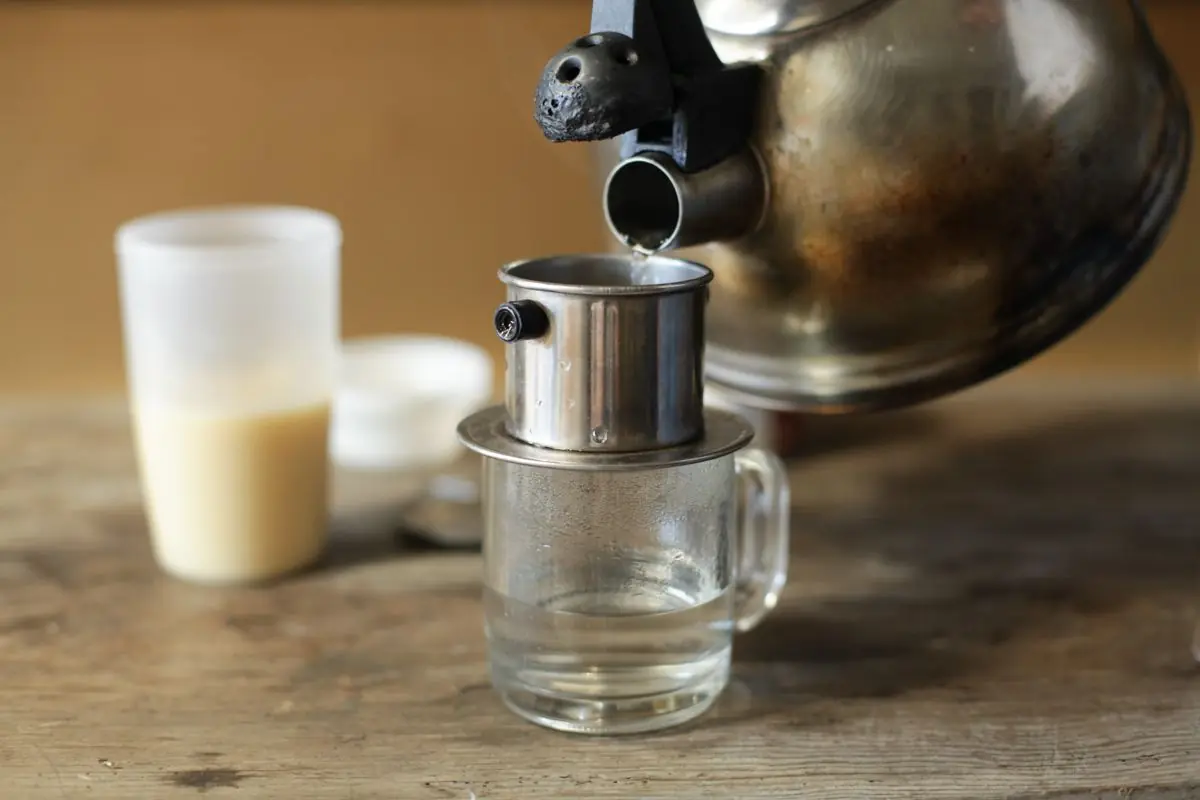
Here is a practical starting recipe for one small phin.
- Prepare approximately 25 g of coffee ground for a Vietnamese phin and 80-100 ml of hot water at around 92-96°C.
- Rinse the filter with hot water, then discard the rinse water.
- Add the ground coffee and shake the phin gently to level the surface.
- Place the filter insert over the grounds without pressing too firmly.
- Pour in approximately 20-30 ml of water and let the grounds bloom for 30-60 seconds.
- Add the remaining water, put the lid on and allow the coffee to drip into the cup.
With an appropriate grind and coffee dose, brewing takes around 4-7 minutes, and some filters take longer.
If the water passes through too quickly, the coffee may taste weak.
If the phin drips extremely slowly or stops entirely, the grounds may be too fine or the insert may be pressing down too firmly.
These quantities are useful for experimentation; every Vietnamese café follows its own recipe.
How is phin coffee different from espresso?
Espresso machines use pressure to extract coffee quickly, producing a small, concentrated drink.
A phin works more slowly and does not create espresso-style crema in the same way.
However, phin coffee can still be very strong, particularly when prepared with robusta and a low water-to-coffee ratio.
In Vietnam, you’ll find cafés using traditional phin filters alongside modern coffee shops equipped with espresso machines.
Some establishments even prepare Vietnamese iced milk coffee using espresso rather than phin coffee.
4. Six Vietnamese coffee drinks worth knowing
These six drinks cover many of the flavors and styles you’ll encounter at traditional cafés.
4.1. Đen đá: Vietnamese black iced coffee
Đen đá is black coffee served over ice.
Depending on the café, sugar may be added automatically or provided separately.
This is the best starting point for tasting the coffee itself without condensed milk or cream masking its flavor.
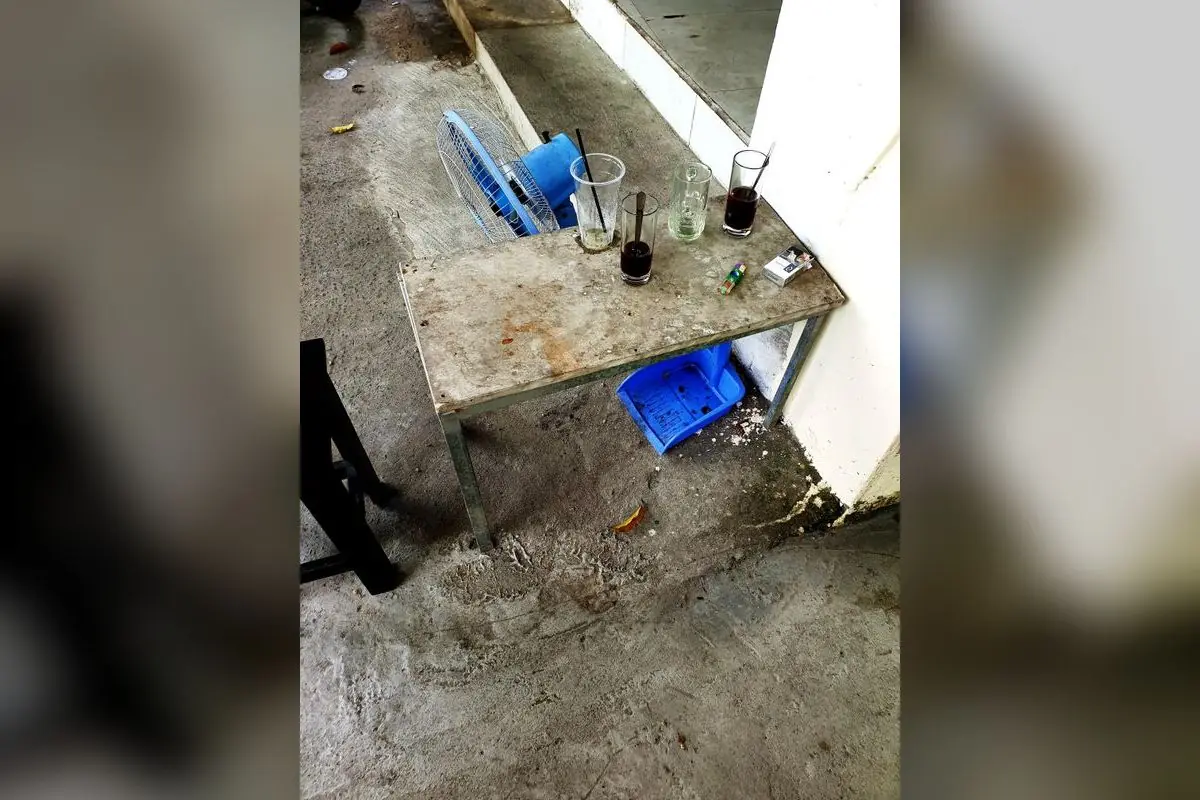
A robusta-based đen đá can be quite intense. The bitterness may be especially noticeable in the first few sips, gradually becoming milder as the ice melts.
If you don’t want sugar, order:
“Đen đá không đường.”
That means black iced coffee without sugar.
If you prefer a lighter drink, ask whether the café can adjust the amount of coffee or add water.
Be aware that ordering less ice won’t necessarily make your coffee less concentrated.
4.2. Cà phê sữa đá and nâu đá: Vietnamese iced coffee with condensed milk
This is one of the most recognizable Vietnamese coffee drinks.
Strong coffee is combined with sweetened condensed milk and served over ice.
The bitterness of the coffee contrasts with the sweetness and richness of the condensed milk.
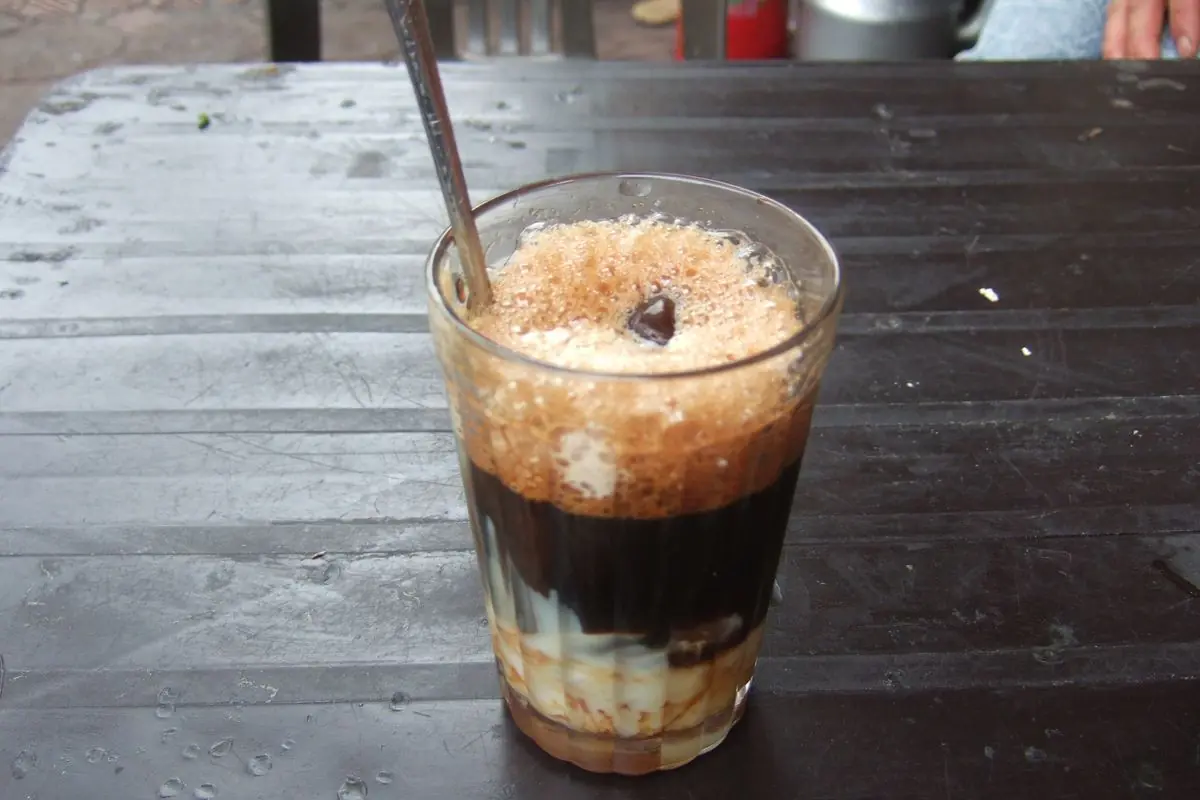
In northern Vietnam, you’ll hear this drink called nâu đá, literally “brown iced coffee.”
In southern Vietnam, cà phê sữa đá, meaning “iced coffee with milk,” is the more familiar name.
The two names refer to essentially the same style of drink, although recipes and coffee-to-milk ratios vary from café to café.
If you’re new to Vietnamese coffee and want something traditional without the full bitterness of black robusta, this is a good choice.
Sweetened condensed milk already contains sugar, though.
Asking for “less sugar” may not reduce the sweetness much if the café uses a large amount of condensed milk.
You can instead ask for less condensed milk or check whether the staff can prepare a less sweet version.
4.3. Bạc xỉu: a milkier, gentler coffee
Bạc xỉu looks similar to Vietnamese iced milk coffee, but the balance of ingredients is different.
The milk is generally more prominent, while the coffee contributes aroma and a little bitterness.
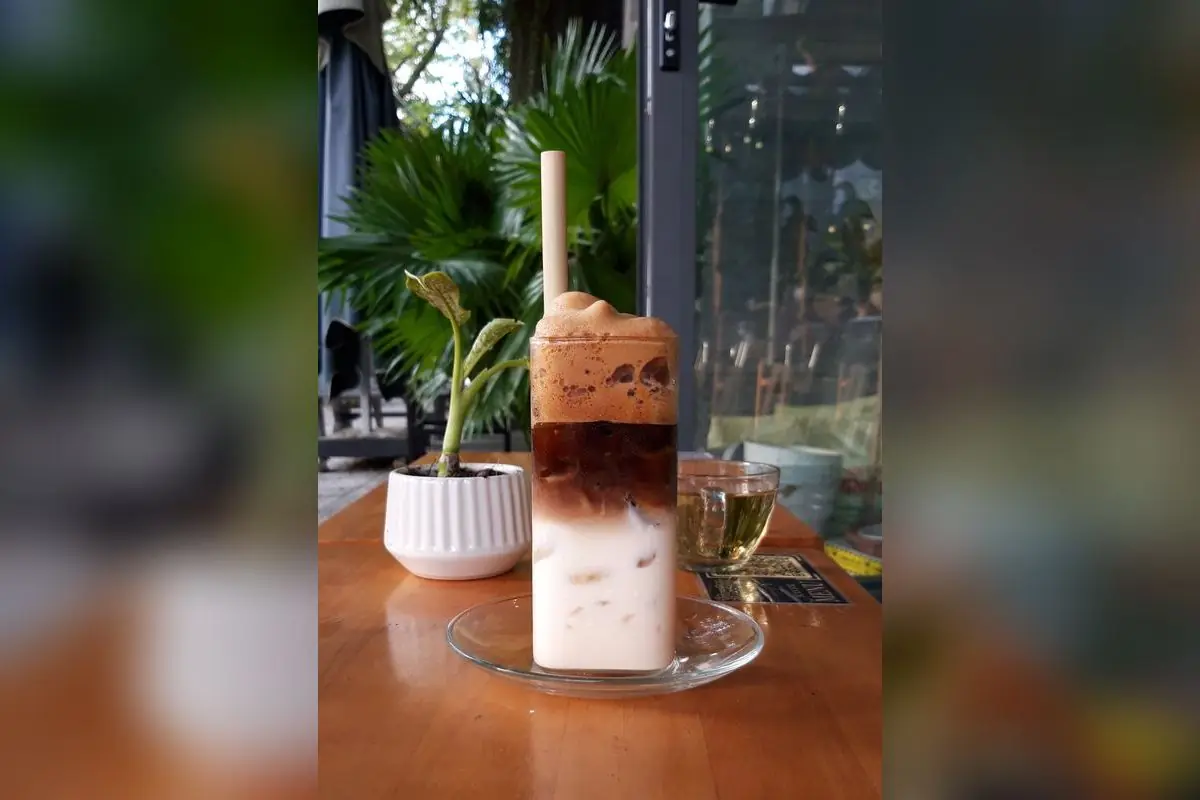
- Cà phê sữa đá: Coffee is the main flavor, with condensed milk adding sweetness and richness.
- Bạc xỉu: Milk is the main component, with a smaller coffee contribution.
Bạc xỉu is a good option if you don’t enjoy strongly bitter drinks, prefer sweeter beverages or want a gentler introduction to Vietnamese coffee.
Some cafés prepare bạc xỉu with both fresh milk and condensed milk. Recipes are not completely standardized.
And although bạc xỉu tastes milder, it still contains caffeine.
4.4. Cà phê trứng: Hanoi’s famous egg coffee
Egg coffee is one of Hanoi’s best-known coffee specialties.
It usually consists of strong coffee topped with a thick, pale-yellow egg cream.
The cream is prepared by whipping egg yolks with sweetening and richening ingredients until the mixture becomes light and smooth.
When you drink it, the first sensation is often the soft, sweet, creamy topping, followed by the stronger coffee underneath.
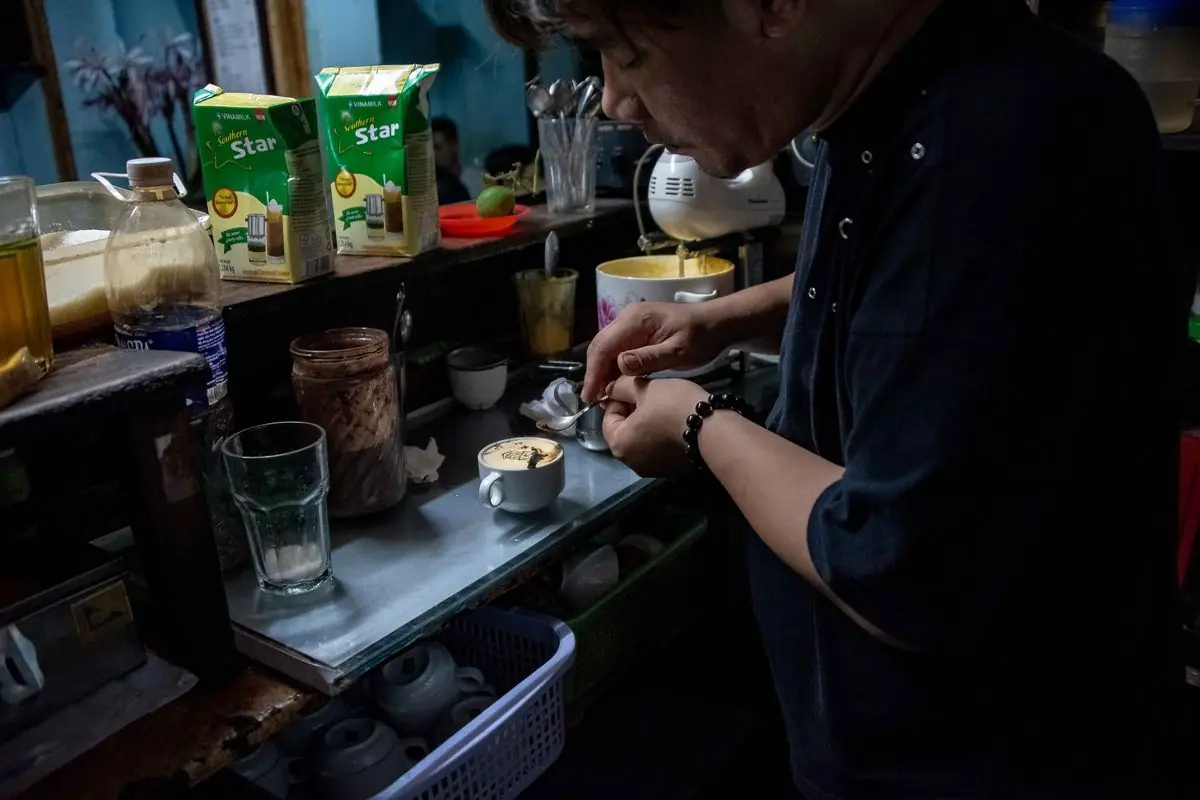
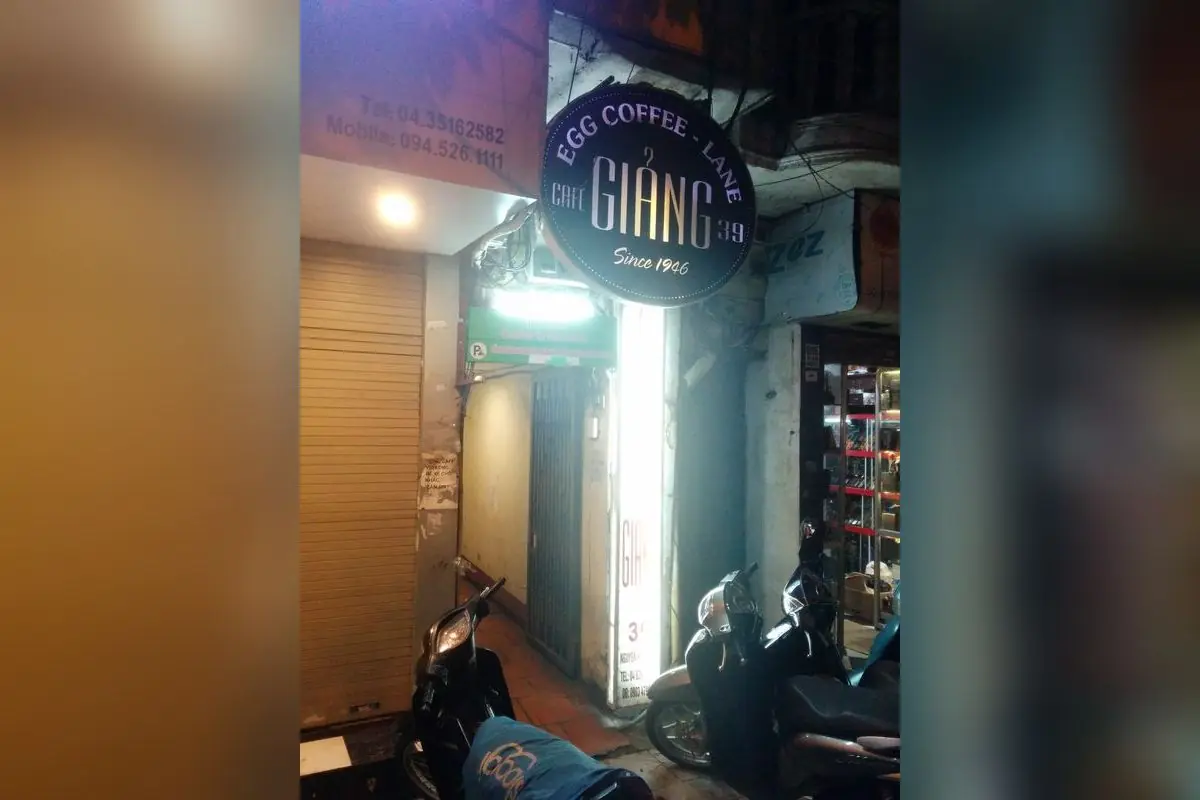
Café Giảng is closely associated with the history of this drink.
Founded in 1946, the café is linked to Nguyễn Văn Giảng, whom the family identifies as the creator of its signature egg coffee.
Its famous location is tucked inside the alley at 39 Nguyễn Hữu Huân, Hoàn Kiếm Ward, Hanoi, under the administrative boundaries introduced in 2025.
This location opens daily from 7:00 AM to 10:00 PM.
Don’t expect a large storefront directly facing the street. The café entrance is inside the alley, and it can be easy to walk past while looking at the surrounding shops.
If you enjoy warm, creamy drinks, order hot egg coffee. Many cafés also serve iced versions.
4.5. Cà phê muối: Vietnamese salt coffee
The name might sound strange if you’ve never tried it.
Salt coffee does not usually mean a cup of black coffee with an obviously salty taste.
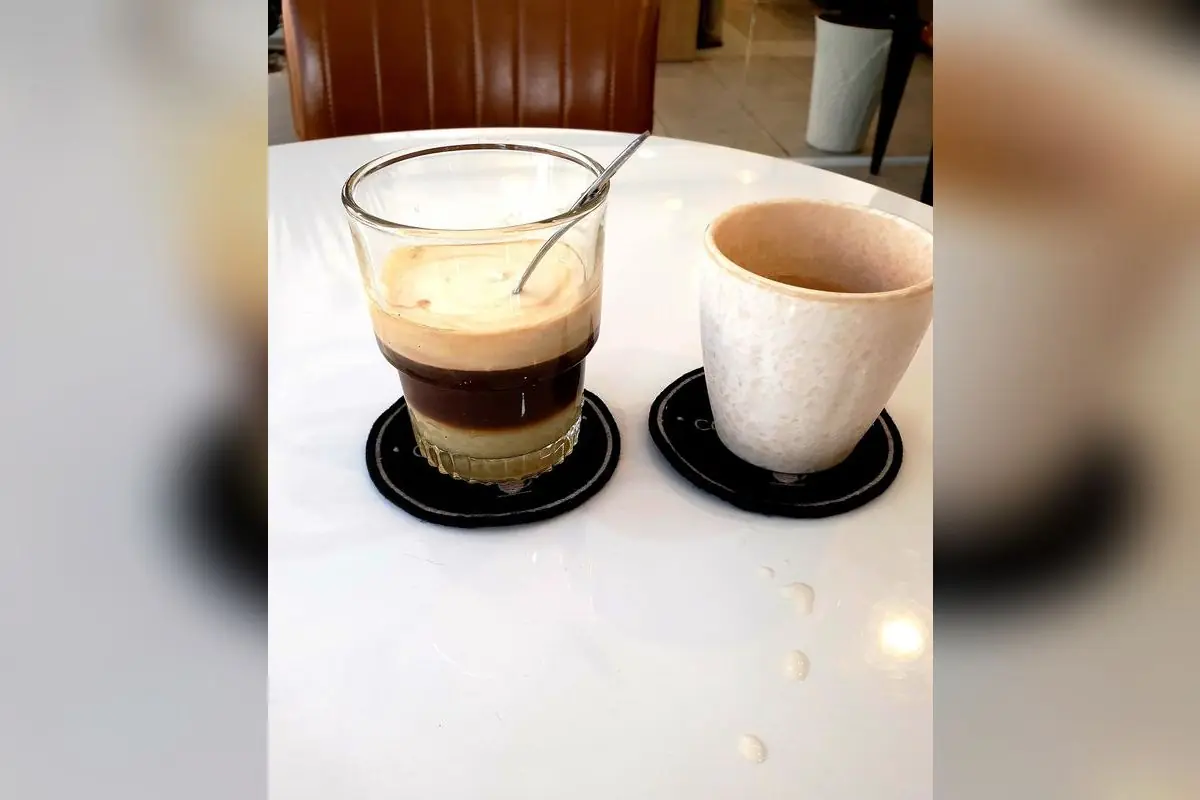
Most modern versions combine coffee with milk or a creamy topping containing a small amount of salt.
The salt helps balance bitterness and sweetness. A well-prepared glass usually tastes only mildly salty.
Vietnamese salt coffee is associated with Huế, the former imperial capital in central Vietnam.
According to an account shared by café founders Hồ Thị Thanh Hương and Trần Nguyễn Hữu Phong, they developed the drink in 2010 when opening their first café at 10 Nguyễn Lương Bằng.
This is the origin story told by the founders of the Cà Phê Muối brand. It should not be treated as absolute historical proof that nobody had ever combined coffee and salt before 2010.
Today, salt coffee is available in Huế, Hanoi, Ho Chi Minh City and many other destinations.
If you enjoy creamy coffee but find bạc xỉu too sweet, salt coffee is worth trying.
Some cafés serve the drink in separate layers of coffee and salted cream, allowing customers to mix them themselves.
4.6. Cà phê cốt dừa: Vietnamese coconut coffee
Coconut coffee combines coffee with coconut milk or coconut cream, often blended with milk and ice.
In many versions, the coconut mixture becomes a smooth, icy cream, with strong coffee poured over or alongside it.
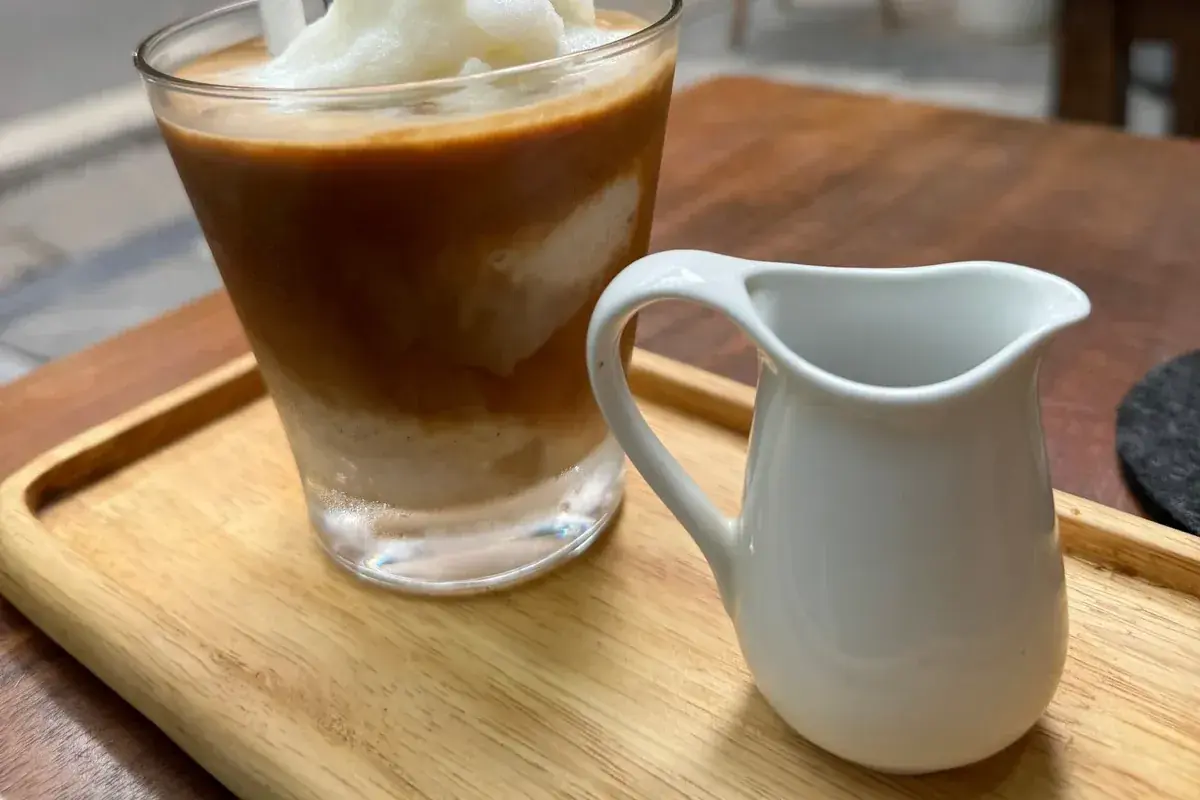
The appeal comes from the contrast between the sweet coconut flavor and the bitterness of coffee.
It’s best served cold, while the blended coconut mixture is still thick and smooth.
Coconut coffee is popular in both Hải Phòng and Hanoi, although exactly where the drink was invented has not been established.
In Hải Phòng, coconut coffee is associated with several long-established cafés around Lam Sơn Street.
One recognizable name is Cà phê cốt dừa Cô Hạnh, at 130 Lam Sơn, An Biên Ward.
Originally associated with a familiar location in Hải Phòng, the brand has since expanded to multiple branches.
In the port city, Lam Sơn is a good area to consider when looking for coconut coffee.
Coconut coffee is also appealing on a hot day.
However, it is quite sweet and may contain dairy milk or condensed milk. Don’t assume it’s vegan simply because coconut is the main flavor.
5. How much does Vietnamese coffee cost in 2026?
Coffee prices in Vietnam vary considerably depending on the city, location, café brand and drink size.
A neighborhood sidewalk café may charge much less than a major coffee chain inside a shopping mall.
For trip planning, menu prices from named cafés are more useful than a single nationwide average.
Vietnamese coffee price guide for 2026
| Drink | Café or brand | Reference price |
|---|---|---|
| Black iced phin coffee | Highlands Coffee | 29,000 VND, small |
| Iced phin coffee with milk | Highlands Coffee | 29,000 VND, small |
| Iced bạc xỉu | Highlands Coffee | 29,000 VND, small |
| Regular black phin coffee | Cộng Cà Phê | 40,000 VND |
| Regular nâu coffee | Cộng Cà Phê | 45,000 VND |
| Bạc xỉu | Cộng Cà Phê | 45,000 VND |
| Coconut coffee | Cộng Cà Phê | 59,000 VND small; 69,000 VND large |
| Egg coffee and other drinks | Café Giảng, Hanoi | General beverage price range: 35,000-60,000 VND |
| Salt coffee | Cà Phê Muối, 10 Nguyễn Lương Bằng, Huế | Approximately 20,000-30,000 VND |
The Café Giảng range refers to its general beverages rather than a menu price for a particular egg coffee. Actual prices may vary by branch, size, delivery channel and date.
Even among popular chains, the differences are noticeable.
Highlands Coffee offers traditional phin drinks starting at around 29,000 VND, while many of Cộng Cà Phê’s regular coffee options are priced around 35,000-49,000 VND.
Cộng’s coconut coffee costs more than its traditional black or milk coffee because the ingredients and preparation are different.
At airports, tourist attractions and cafés in prime locations, don’t assume prices will match those at ordinary city branches.
Check the menu at the specific location before ordering.
6. How to order coffee in Vietnamese
You don’t need to speak fluent Vietnamese to order coffee in Vietnam.
Drink names are often short, and café staff are accustomed to customers asking for adjustments such as less ice, reduced sweetness or takeaway service.
Useful Vietnamese coffee vocabulary
| Vietnamese | English |
|---|---|
| Cà phê | Coffee |
| Đen | Black coffee |
| Sữa | Milk |
| Sữa đặc | Sweetened condensed milk |
| Sữa tươi | Fresh milk |
| Đá | Ice / Iced |
| Nóng | Hot |
| Không đường | No sugar |
| Ít đường | Less sugar |
| Ít ngọt | Less sweet |
| Ít đá | Less ice |
| Không đá | No ice |
| Pha phin | Brewed with a Vietnamese phin filter |
| Mang đi | Takeaway |
| Uống tại quán | Drink here |
| Bao nhiêu tiền? | How much is it? |
The easiest way to order coffee
A useful sentence to remember is:
“Cho mình một cà phê sữa đá.”
Meaning: One Vietnamese iced coffee with condensed milk, please.
To order something else, simply replace the drink name.
| What you want | What to say in Vietnamese |
|---|---|
| Black iced coffee without sugar | Cho mình một đen đá không đường. |
| Iced milk coffee, less sweet | Cho mình một cà phê sữa đá ít ngọt. |
| Hot black coffee | Cho mình một cà phê đen nóng. |
| Iced bạc xỉu | Cho mình một bạc xỉu đá. |
| Hot egg coffee | Cho mình một cà phê trứng nóng. |
| Salt coffee | Cho mình một cà phê muối. |
| Coconut coffee | Cho mình một cà phê cốt dừa. |
| Iced milk coffee to go | Cho mình một cà phê sữa đá mang đi. |
Cho mình is a natural, polite way to order in many everyday situations.
You can also use cho tôi or cho em, depending on the context and your relationship with the person serving you.
Don’t worry too much about delivering the sentence perfectly. Pointing to the menu while saying the drink name is also useful.
How do you ask for less sweet coffee?
These three phrases are especially practical:
“Cho mình ít ngọt nhé.”
Please make it less sweet.
“Có thể giảm sữa đặc được không?”
Could you use less condensed milk?
“Cho mình không đường.”
No sugar, please.
Some cafés prepare their coffee-and-milk mixtures in advance.
In those cases, the staff may not be able to change the ratio exactly as requested.
Choosing unsweetened black coffee or another drink may be easier than requesting several changes to a pre-prepared recipe.
Drinking at the café or taking your coffee away
A staff member may ask:
“Bạn dùng tại đây hay mang đi?”
This means: Would you like to drink here or take it away?
You can answer:
“Mình uống tại quán.”
I’ll drink here.
Or:
“Mình mang đi.”
Takeaway, please.
Some self-service cafés ask customers to pay at the counter and collect their drinks from a pickup area.
More traditional cafés may bring your coffee to the table and collect payment afterward.
Three common ordering mistakes
Mistake 1: Assuming nâu đá uses fresh milk. Traditional nâu đá generally contains sweetened condensed milk. Fresh milk is a separate order: ask for cà phê sữa tươi or a latte.
Mistake 2: Assuming black iced coffee always comes without sugar. Some cafés add sugar as part of their usual recipe. Say không đường if you want it unsweetened.
Mistake 3: Ordering bạc xỉu because you think it contains no caffeine. Bạc xỉu still contains coffee. Its caffeine content depends on the amount of coffee and the type of beans used.
7. Vietnamese coffee culture: why do people spend so much time at cafés?
In many countries, coffee is something people buy on the way to work.
That also happens in Vietnam, especially in busy cities. But sitting down for coffee remains an important part of everyday social life.
Morning coffee doesn’t have to be rushed
In many Vietnamese cities, the period from approximately 6:30 AM to 9:00 AM is a popular time for coffee.
You’ll find people stopping before work, meeting friends after breakfast or spending a little time reading and watching the street.
Some cafés sit beside bánh mì stalls, phở shops or other breakfast businesses.
A customer might order a glass of black iced coffee or iced milk coffee and stay for a conversation rather than leave immediately.
However, not every café opens early.
Some specialty coffee shops, mall cafés and places catering to younger customers begin serving later in the day.
Low plastic stools and sidewalk coffee
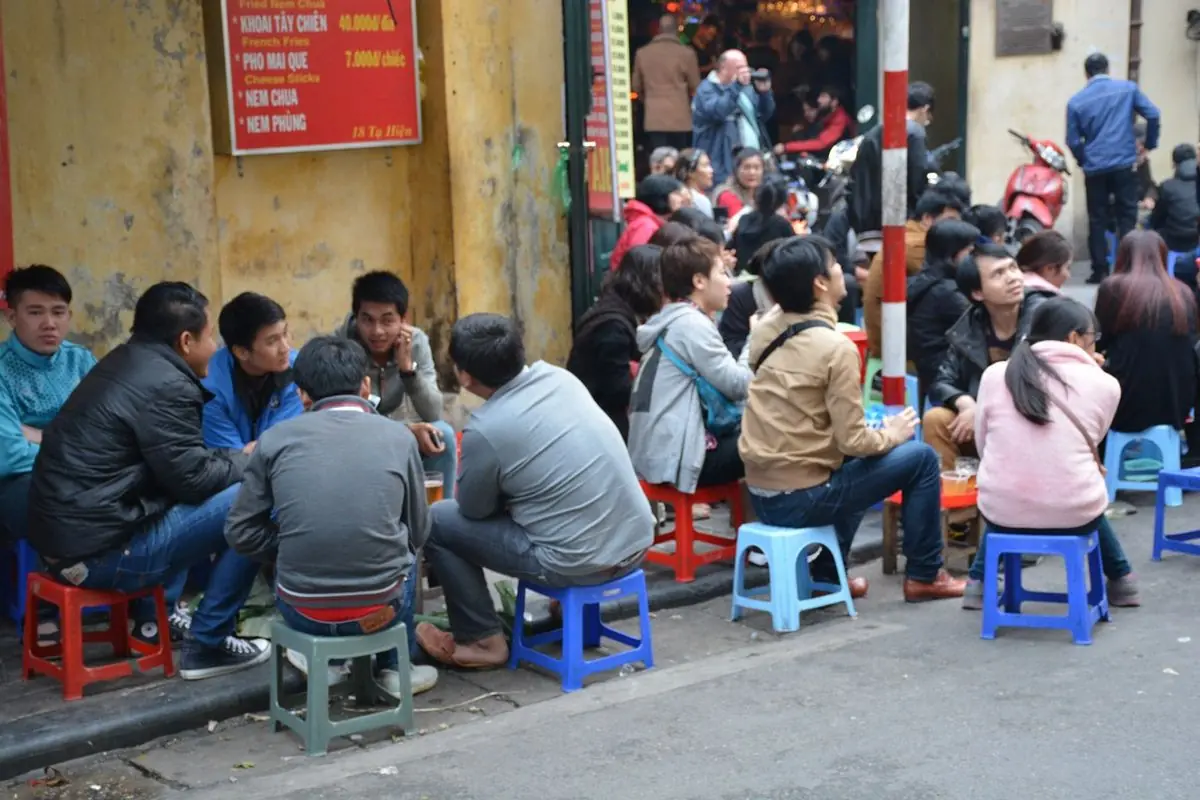
One of Vietnam’s most recognizable café scenes involves small tables and low stools outside a shop, where outdoor seating is permitted.
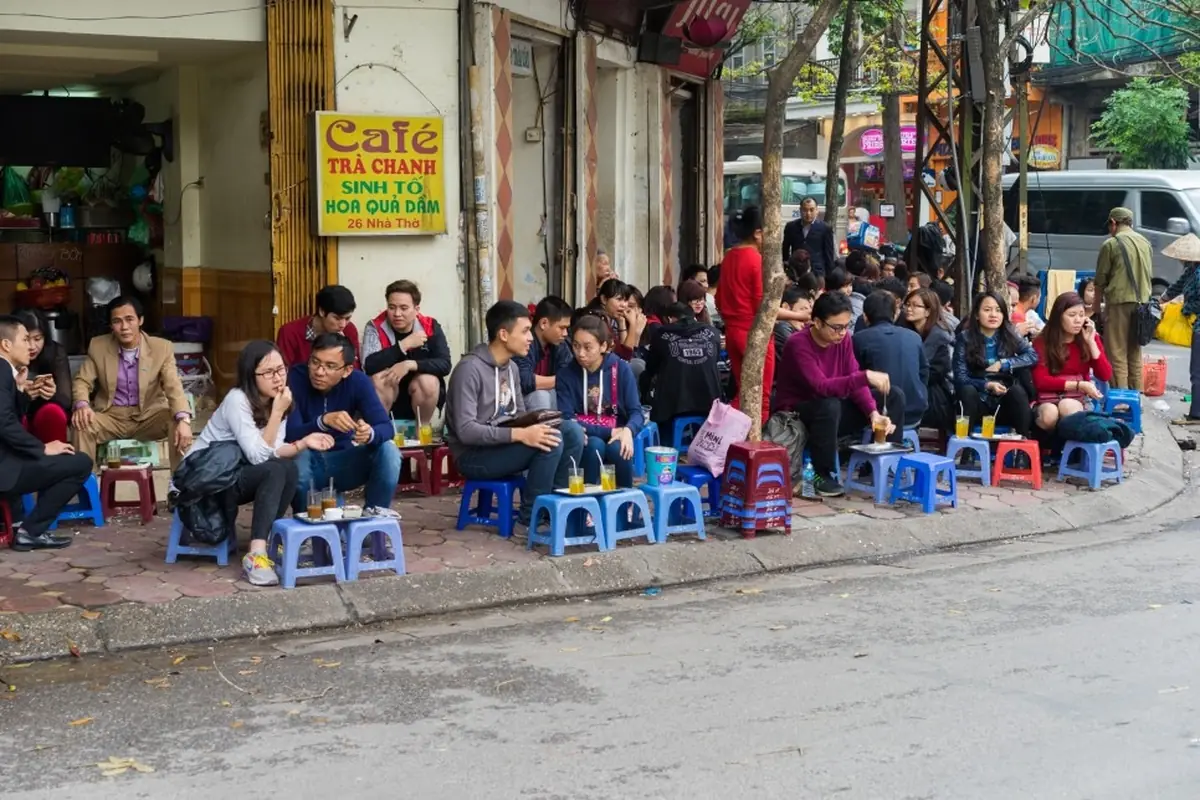
Coffee is often served in relatively small glasses, sometimes with complimentary tea or water.
At some cafés, customers sit and chat for a surprisingly long time over a single drink.
But sidewalk coffee isn’t the best option for every activity.
Low stools are uncomfortable for prolonged laptop work. Traffic noise, hot weather and sudden rain can also shorten your visit.
If you need to work for several hours or join an online meeting, an indoor café with proper tables, power outlets and quieter seating is a more practical choice.
How long can you stay at a Vietnamese café?
There is no universal rule requiring customers to leave after a fixed amount of time.
At traditional cafés, spending time talking with friends is common.
However, at a small café with limited seating, particularly when other customers are waiting, it is considerate to free up your table after finishing.
If you plan to work all morning, choose somewhere designed for longer visits rather than a small shop serving customers who mainly stop for a quick drink.
Complimentary drinking water, Wi-Fi and power outlets vary from café to café, and not every place has them.
Do you need to tip at Vietnamese coffee shops?
Tipping is not compulsory at Vietnamese cafés.
Some customers leave small change or offer a tip for particularly good service, but there is no general expectation that you must add a fixed percentage to your bill.
8. What coffee should you try in Hanoi, Huế, Hải Phòng and Ho Chi Minh City?
You don’t need to order the same drink in every Vietnamese city.
Different destinations have their own coffee traditions, popular specialties and cafés associated with local daily life.
Hanoi: nâu đá and egg coffee
In Hanoi, start with nâu đá if you want to learn one of the most familiar northern names for Vietnamese iced milk coffee.
Then set aside another morning or afternoon for egg coffee in the Old Quarter.
Café Giảng, at 39 Nguyễn Hữu Huân, is easy to combine with a walk around Hoàn Kiếm Lake.
Going in the morning often means avoiding the busiest periods when tourists gather in the Old Quarter.
Huế: salt coffee
In Huế, salt coffee deserves a place on your list.
Cà Phê Muối at 10 Nguyễn Lương Bằng is associated with the founding story told by Hồ Thị Thanh Hương and Trần Nguyễn Hữu Phong.
Recipes vary between cafés around the city.
Some serve a thick salted cream topping, while others blend the coffee and milk more thoroughly.
If you’re interested in the drink’s reported origin, visiting the café associated with its founders is more meaningful than choosing a place that has only recently added salt coffee to its menu.
Hải Phòng: coconut coffee
In Hải Phòng, coconut coffee is an easy recommendation for friends visiting Vietnam for the first time.
The coconut flavor is familiar, the coffee still has enough presence, and the icy, creamy texture feels completely different from traditional iced milk coffee.
Lam Sơn is one of the streets associated with long-established coconut coffee businesses.
Cô Hạnh, at 130 Lam Sơn, is one of the recognizable names.
Ho Chi Minh City: iced milk coffee and bạc xỉu
In Ho Chi Minh City, ordering a cà phê sữa đá in the morning is one of the simplest ways to experience the local coffee routine.
There are many styles of café, from small takeaway counters and sidewalk shops to air-conditioned chains.
Bạc xỉu is also worth trying if you like the aroma of coffee but prefer a milk-forward drink.
Don’t choose a café solely because it looks attractive in online photos.
A traditional café with comfortable seating and a view of the street is a better place to watch everyday city life than a shop focused mainly on delivery orders.
9. Buying Vietnamese coffee beans to take home
After several days of trying coffee in Vietnam, you may want to bring a bag of beans home.
Coffee makes a practical souvenir. It is relatively compact, easy to pack and gives you something to share with friends along with stories from your trip.
But choosing the right beans matters more than choosing the prettiest packaging.
Choose robusta for strong Vietnamese-style iced coffee
If your goal is to recreate Vietnamese iced milk coffee at home, a medium-to-dark roast robusta is worth considering.
Look for bags that clearly identify the coffee’s origin, ingredients and roast level.
Robusta from Đắk Lắk is a common choice.
Well-processed, medium-roast robusta can also be interesting if you want a strong cup without an excessively burnt flavor.
Don’t assume darker roasting always means better coffee.
Very dark roasting can hide many of the distinctive flavors that make individual coffee beans interesting.
Choose arabica for aromatic black coffee
Coffee drinkers who normally skip milk may find Vietnamese arabica from Cầu Đất or Sơn La a better fit.
A medium roast makes it easier to notice the brighter acidity and aromatic characteristics of the beans.
Buying a small bag first is sensible.
Liking an arabica coffee at one café does not mean every Vietnamese arabica will taste the same.
Roast level, bean variety, processing method and freshness can all make a substantial difference.
Choose a blend for a balance of strength and aroma
Some coffee drinkers prefer a robusta-arabica blend rather than either bean on its own.
Robusta can provide body and intensity, while arabica contributes additional aroma and flavor complexity.
There is no single ideal blending ratio.
Read the information on the package and choose according to the brewing method and flavor you enjoy.
Five things to check before buying Vietnamese coffee
1. Bean type
The packaging should clearly state whether the coffee is robusta, arabica or a blend, ideally with the proportions listed.
A marketing name is not a substitute for ingredient information.
2. Roast date
Look for a clear roast date rather than relying only on the expiration date.
Coffee that has been roasted long ago and stored poorly may have lost much of its aroma.
3. Whole beans or ground coffee
If you have a grinder at home, whole beans give you more control over grind size.
Otherwise, ask the shop to grind the coffee for your brewing equipment.
4. Ingredients
Check whether you are buying pure roasted coffee or a product containing sugar, milk powder or other ingredients.
Some roasted coffee products also contain added flavorings.
Read the label carefully rather than assuming every coffee product contains only coffee beans.
5. Packaging
Choose properly sealed bags with clear information about the producer, production location and storage instructions.
At a coffee shop, you can say:
“Cho mình loại robusta nguyên hạt, rang vừa.”
Meaning: I’d like medium-roast whole-bean robusta.
Or:
“Mình muốn mua cà phê pha phin, bạn xay giúp được không?”
Meaning: I’d like coffee for a Vietnamese phin. Could you grind it for me?
If the staff asks how fine you want the grind, simply say:
“Xay cho phin Việt Nam.”
Please grind it for a Vietnamese phin.
Should you buy a Vietnamese phin filter as a souvenir?
Yes, particularly if you want to make traditional Vietnamese iced milk coffee at home.
A small phin is simple, lightweight and easy to pack. It does not require electricity.
Aluminum filters are light; stainless steel models feel sturdier.
For personal use, a single-serving phin is more practical than a large filter designed to make coffee for several people.
Before buying, check that the set contains the brewing chamber, bottom filter plate, insert and lid.
At shops that sell both filters and beans, the staff can recommend a grind size and coffee dose for that particular phin.
10. Which Vietnamese coffee should you order first?
If you’re standing in front of a long Vietnamese coffee menu and can’t decide, use your taste preferences as a starting point.
| Your preference | What to order |
|---|---|
| Strong, bitter coffee | Đen đá không đường |
| Traditional coffee with some sweetness | Cà phê sữa đá or nâu đá |
| A milder coffee taste | Bạc xỉu |
| Warm, rich and creamy | Hot cà phê trứng |
| Sweet cream with a subtle salty contrast | Cà phê muối |
| Coconut flavor and a frozen, creamy texture | Cà phê cốt dừa |
| Aromatic coffee with brighter acidity | Medium-roast arabica, prepared as filter or pour-over |
One final point for caffeine-sensitive travelers: Vietnamese coffee made with robusta can be quite strong, but the caffeine content cannot be determined from the drink’s size or name alone.
The quantity of ground coffee, bean variety and brewing method all affect how much caffeine ends up in the cup.
If you’re sensitive to caffeine, especially in the evening, a drink without coffee may be the more comfortable choice.
The next time you walk into a Vietnamese café, try ordering one drink in Vietnamese: “Cho mình một nâu đá ít ngọt.” Once you discover whether you prefer the boldness of robusta or the aroma of arabica, choosing a bag of Vietnamese coffee to take home becomes much easier.
Frequently asked questions
Is Vietnam the second-largest coffee producer in the world?
Yes. Vietnam is the world's second-largest coffee producer after Brazil. The USDA estimated production for the 2025/26 season at approximately 31.7 million 60-kilogram bags, with robusta accounting for the vast majority.
What types of coffee beans are grown in Vietnam?
The three commonly mentioned groups are robusta (*cà phê vối*), arabica (*cà phê chè*) and cà phê mít, associated with the Liberica/Excelsa group. Robusta dominates production, while arabica and cà phê mít are grown on a smaller scale. Beans also differ by variety, growing region, processing method and roast level.
What is the difference between Vietnamese salt coffee and egg coffee?
Salt coffee combines coffee with milk or cream containing a small amount of salt to balance sweetness and bitterness. Egg coffee uses a fluffy topping made from whipped egg yolks, producing a rich, creamy drink closer to a dessert. Salt coffee is associated with Huế, while egg coffee is a well-known specialty of Hanoi.
Are nâu đá, cà phê sữa đá and bạc xỉu the same drink?
Nâu đá and cà phê sữa đá are generally two regional names for the same style of iced coffee made with sweetened condensed milk. Bạc xỉu also contains coffee and milk, but it usually has a higher proportion of milk, making it sweeter and milder in coffee flavor.
How do you order coffee in Vietnamese?
Say “Cho mình một cà phê sữa đá” to order Vietnamese iced coffee with condensed milk. Add *không đường* for no sugar, *ít đá* for less ice, or *mang đi* for takeaway. If you want traditional phin-brewed coffee, ask “Quán có cà phê pha phin không?”