Visiting temples and pagodas in Hai Phong: choosing the right places matters more than seeing them all
Temples, pagodas, and communal houses in Hai Phong are three different kinds of religious building. Knowing whom each place honors and what it's known for helps you pick your stops and visit them respectfully.
 19 min read
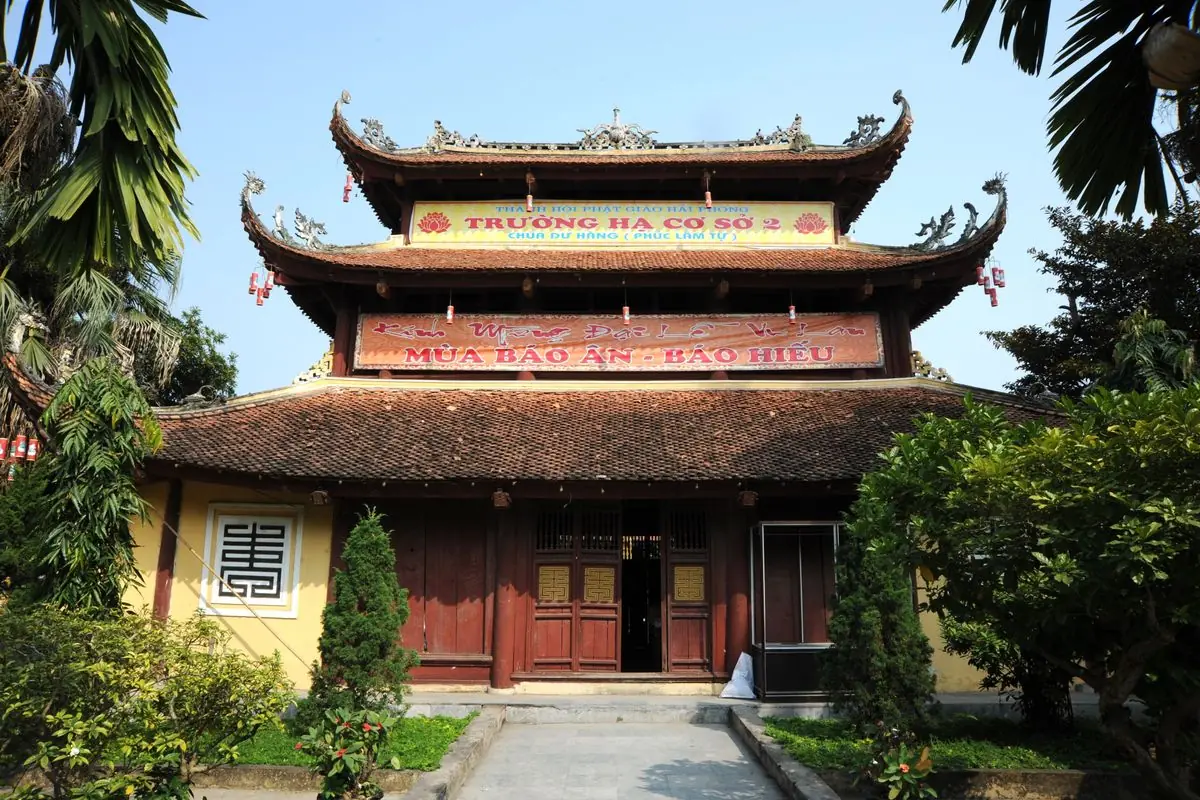
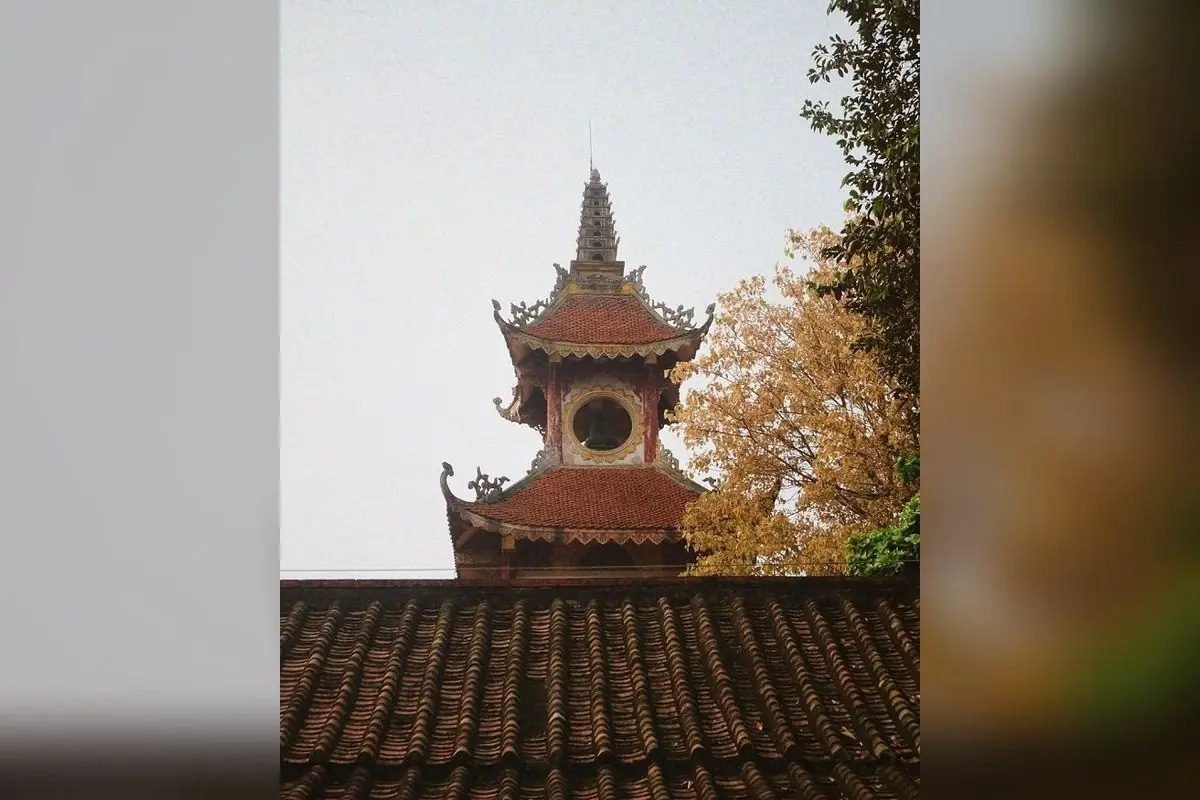
Tiered tiled roofs with curled corners rise above the garden at Du Hang Pagoda.
Without a plan, a temple-hopping morning can end with a collection of photographs and very little understanding of the places you’ve visited. Grouping nearby sites, you can spend half a day at Nghe Temple, Du Hang Pagoda, and Hang Kenh Communal House in the city center, or at Hang Pagoda, Co Chin Temple, and Ba De Temple in Do Son. Each route covers a different side of Hai Phong’s history, architecture, and spiritual life.
1. Which temples and pagodas in Hai Phong should you visit?
Hai Phong has many historic religious buildings, but they don’t all offer the same experience. Some visitors come for traditional architecture, carved woodwork, and old tiled roofs. Others are more interested in local history or joining the Vietnamese tradition of visiting sacred places to pray for peace and good fortune.
The three kinds of building differ in who they honor:
- Pagoda (chùa): primarily a Buddhist place of worship, where people pay respect to the Buddha, pray for peace, and appreciate the architecture and surroundings.
- Temple (đền): usually dedicated to historical figures, national heroes, deities, or spiritual beings of Vietnamese folk belief.
- Communal house (đình): traditionally a center of village life, often dedicated to a guardian spirit or someone who contributed to the community. Local festivals and ceremonies are held there too.
Some sites contain several shrines and overlapping religious traditions, so these distinctions are only a starting point.
| Place | Best for | Main highlight |
|---|---|---|
| Nghe Temple | History lovers | Female General Le Chan and Nguyen-dynasty architecture |
| Du Hang Pagoda | Buddhist architecture enthusiasts | Bell tower, stone stupas, and historic Buddhist statues |
| Hang Kenh Communal House | Traditional art enthusiasts | Carved woodwork and the history of Ngo Quyen |
| An Bien Communal House | Visitors interested in Hai Phong’s origins | Worship of Le Chan and traditional festivals |
| Co Chin Suoi Rong Temple | Visitors interested in Mother Goddess worship | Sacred spring, spirit mediumship, and ceremonial singing |
| Hang Pagoda | Visitors seeking unusual architecture | An old cave shrine and a newer pagoda overlooking the sea |
| Ba De Temple | Pilgrims and folklore enthusiasts | The legend of Dao Thi Huong and coastal scenery |
| Tuong Long Tower | History and architecture lovers | Reconstructed nine-story tower and elevated views |
For international visitors exploring Hai Phong for the first time, especially those interested in Vietnamese culture and history, the city-center route is the natural start.
For families visiting during Lunar New Year or travelers hoping to combine spiritual visits with coastal scenery, Do Son is a better fit.
2. Temples and pagodas worth visiting in central Hai Phong
Nghe Temple
Honoring Female General Le Chan
Address: Le Chan Street, Le Chan Ward, Hai Phong.
For Hai Phong’s history, Nghe Temple is the place to start.
The temple is dedicated to Le Chan, a female general who joined the Trung Sisters’ uprising against Chinese rule in the first century CE. She is also remembered for helping establish the ancient settlement of An Bien, closely tied to the origins of modern Hai Phong.
The temple was rebuilt in 1919, incorporating architectural features characteristic of the Nguyen dynasty. It subsequently underwent several restorations, including major conservation work between 2008 and 2009. It received national historical relic status in 1975.
As you explore the temple, look closely at the wooden and stone carvings. Dragons, qilin, turtles, phoenixes, and traditional floral motifs decorate various architectural elements.
A large stone stele also records the life and contributions of Le Chan, making it particularly interesting for visitors who want to understand the historical figure behind the place.
A collection of 16 groups of gold objects from Nghe Temple, dating from the early twentieth century, was recognized as a National Treasure in 2024. It is preserved at Hai Phong Museum rather than displayed at the temple.
Visitors hoping to see the original artifacts should check the museum’s exhibition arrangements in advance.
Best time to visit: weekday mornings are generally more comfortable for appreciating the architecture. The temple becomes busier around Lunar New Year, the first and fifteenth days of the lunar month, and especially during the Le Chan Festival, held from the seventh to the ninth day of the second lunar month.
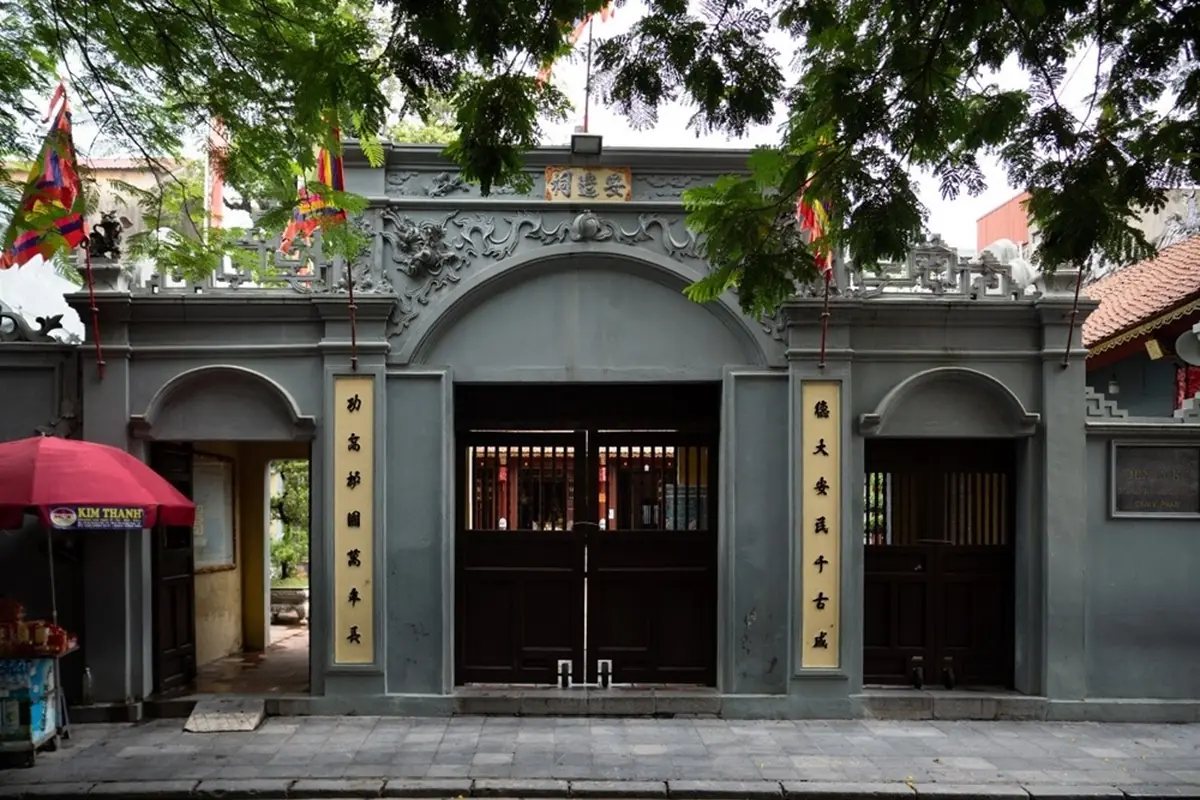
Du Hang Pagoda
An ancient Buddhist site with a bell tower and stone stupas
Address: Du Hang Street, Le Chan Ward, Hai Phong.
Du Hang Pagoda, also known as Hang Pagoda and formally called Phuc Lam Tu, traces its origins to the Early Le dynasty, around the late tenth or early eleventh century.
During the Tran dynasty, it became associated with monks connected to the Truc Lam Zen Buddhist tradition. The pagoda was recognized as a national historical and cultural relic in 1986.
Beyond its age, Du Hang is worth seeing for its layout.
The main structures follow a traditional Vietnamese Dinh-shaped layout, resembling the letter 丁. The main Buddha hall contains seven bays, while the entrance features a three-roof-level bell tower.
The great bronze bell bears an inscription referring to Phuc Lam Temple.
To the left of the entrance is a garden of stone stupas containing the remains of former abbots and senior monks. On the right is a sculpture garden. The pagoda also preserves important Buddhist texts, including a collection of the Dirghagama, known in Vietnamese as the Trường A Hàm.
If you enjoy architectural photography, spend time observing the bell tower, the layered roofs, and the carved details. The quieter corners of the courtyard are good for sitting a while after the main shrine.
Du Hang is especially popular with Vietnamese worshippers during Tet and the first weeks of the lunar year.
The pagoda also maintains ceremonies commemorating Emperor-Monk Tran Nhan Tong on the second day of the eleventh lunar month and Zen Master Huyen Quang on the following day.
Best time to visit: around 8-10 a.m. on a weekday suits a relaxed visit. Expect more worshippers during Tet, full-moon days, and major Buddhist celebrations.
Hang Kenh Communal House
Where woodcarvings tell the story of Ngo Quyen
Address: 47 Nguyen Cong Tru Street, Le Chan Ward, Hai Phong.
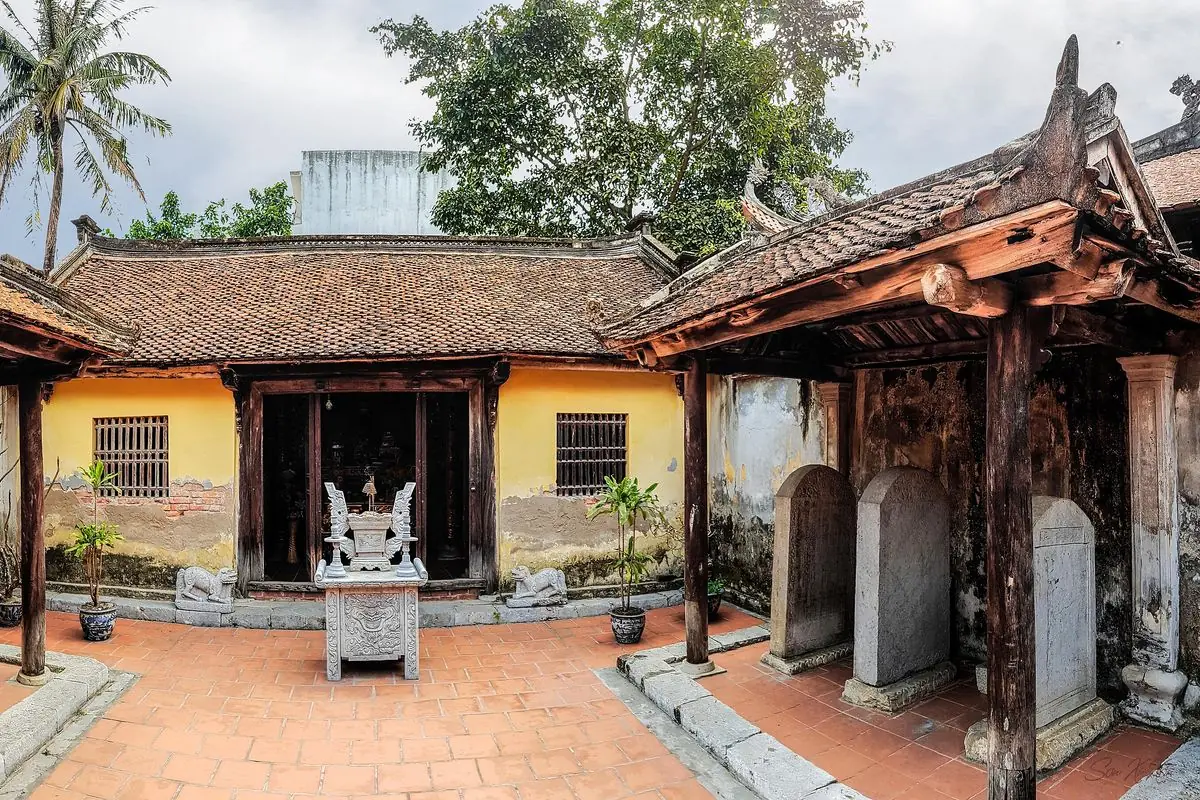
Hang Kenh Communal House, traditionally called Nhan Tho Dinh, is a nationally recognized architectural and artistic monument with more than 300 years of history.
The building honors Ngo Quyen, the Vietnamese leader who defeated Southern Han forces at the Battle of Bach Dang River in 938. His victory helped begin a prolonged period of Vietnamese independence.
Hang Kenh is known for its wood carving.
Its timber beams, columns, doors, and decorative panels feature elaborate carvings of dragons, phoenixes, and other traditional motifs.
The communal house has a substantial wooden structure, curved tiled roofs, and a crescent-shaped pond at the entrance. Together, these elements create a noticeably different atmosphere from that of the Buddhist pagodas nearby.
The workmanship is easy to appreciate even if you’re no architecture expert. Try examining the carvings from several angles, as changing light and perspective can reveal layers of detail that are easy to miss.
The site also hosts springtime ceremonies honoring Ngo Quyen and other traditional cultural activities.
Best time to visit: weekday mornings or early afternoons are good choices for examining the architecture. The communal house may be busier during commemorative ceremonies and cultural events.
An Bien Communal House
Another important site dedicated to Le Chan
Address: 50/170 Hai Ba Trung Street, Le Chan Ward, Hai Phong.
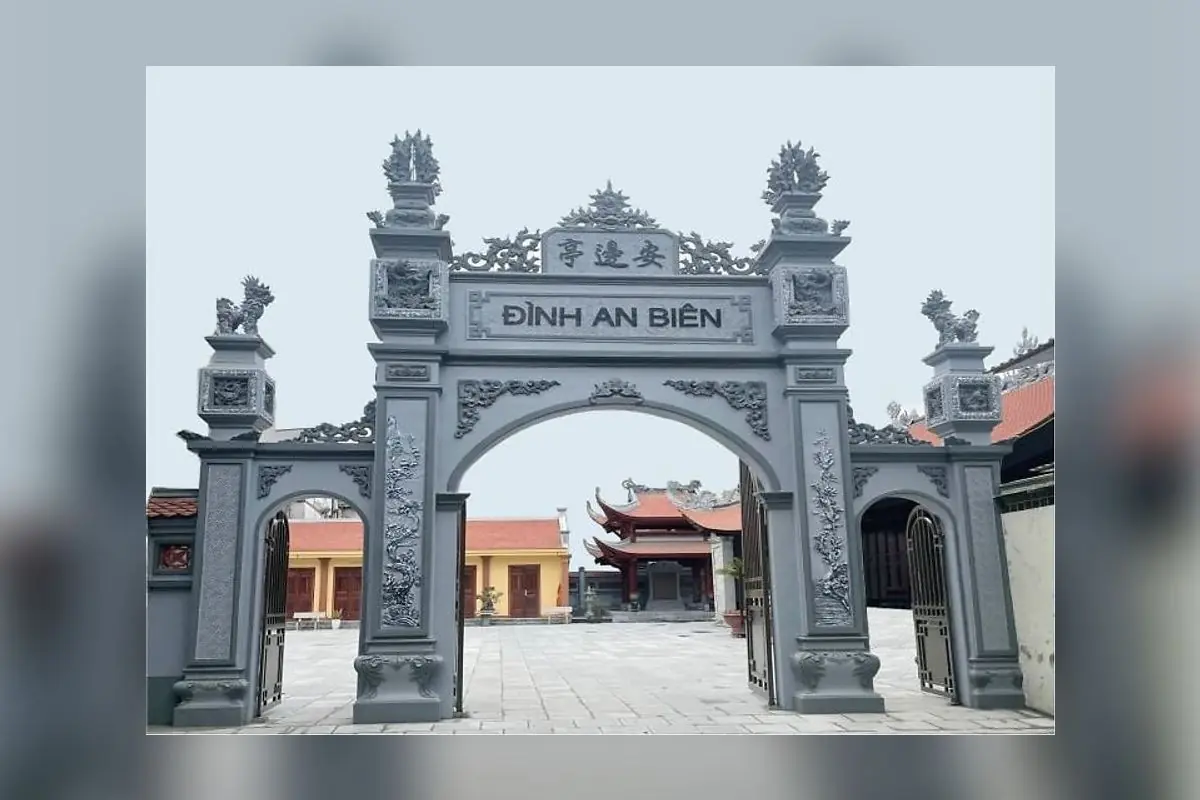
An Bien Communal House is located relatively close to Nghe Temple and is also dedicated to Female General Le Chan.
The communal house features traditional architectural elements, including Nguyen-dynasty-style carvings and a spacious courtyard. It received national historical relic recognition in 2009.
Visiting An Bien helps explain why Le Chan occupies such an important place in Hai Phong’s cultural identity.
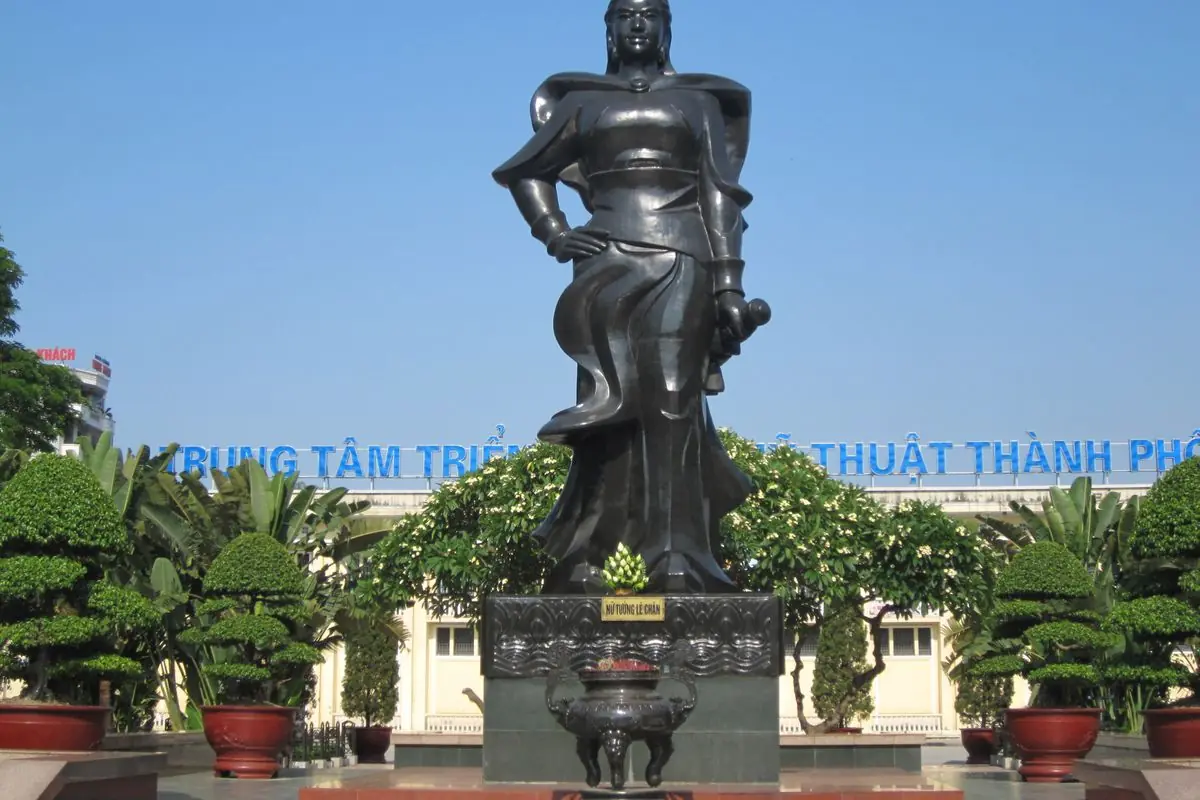
Nghe Temple, An Bien Communal House, and the Le Chan Monument are the three principal sites where the annual festival honoring the general takes place.
The bronze Le Chan Monument, inaugurated in 2000, stands 7.5 meters tall in a central area of the city.
An Bien makes a worthwhile additional stop after Nghe Temple, particularly for visitors interested in the history of the old An Bien settlement.
Road-widening work around Alley 170 on Hai Ba Trung Street is planned during 2026-2027, so check access conditions before visiting.
3. Temples and pagodas in Do Son: combining worship with coastal scenery
Leaving central Hai Phong, you’ll find another cluster of religious and historic sites in Do Son.
The scenery changes noticeably here. Some temples stand at the foot of wooded hills, others face the sea, and one pagoda began in a natural rock cave.
The following sites are now part of Do Son Ward, Hai Phong.
Older place names such as Ngoc Xuyen, Van Son, and Ngoc Hai still appear on maps and in travel descriptions, so they’re given below where helpful.
Co Chin Suoi Rong Temple
A popular place of Mother Goddess worship
Address: Suoi Rong Road, former Ngoc Xuyen area, Do Son Ward, Hai Phong.
Co Chin Temple in Do Son is also known as Co Chin Suoi Rong Temple or Long Son Temple.
Located at the foot of Rong Mountain, it is a well-known place of worship in the Vietnamese Mother Goddess tradition.
The principal deity is Co Chin, with additional shrines dedicated to spiritual figures in the Three Palaces and Four Palaces belief systems.
The temple contains traditional decorative woodwork and sacred statues preserved and maintained through various renovations.
One of its distinctive natural features is a small stream fed by underground water from the mountain. The stream gives the area its name, Suoi Rong, meaning Dragon Stream.
Just in front of the temple is Ngoc Xuyen Communal House. Nearby, you’ll also find Mau Ngu Phuong Temple and the route leading toward Tuong Long Tower, making these places easy to combine into one outing.
Co Chin Temple is also associated with hau dong, Vietnamese spirit mediumship, and hat van, ceremonial singing connected to Mother Goddess worship.
International visitors can watch, but ask permission before taking close-up photographs of participants or ceremonies.
Best time to visit: the first and fifteenth days of the lunar month, along with the Lunar New Year period, tend to attract many worshippers.
The fifth day of the first lunar month is a particularly busy occasion. The ninth day of the ninth lunar month is another important traditional observance at the temple.
Arrive early in festival season: the access roads are relatively narrow and can become congested when visitor numbers increase.
Hang Pagoda
A Buddhist sanctuary inside a natural cave
Address: former Van Son area, Do Son Ward, Hai Phong.
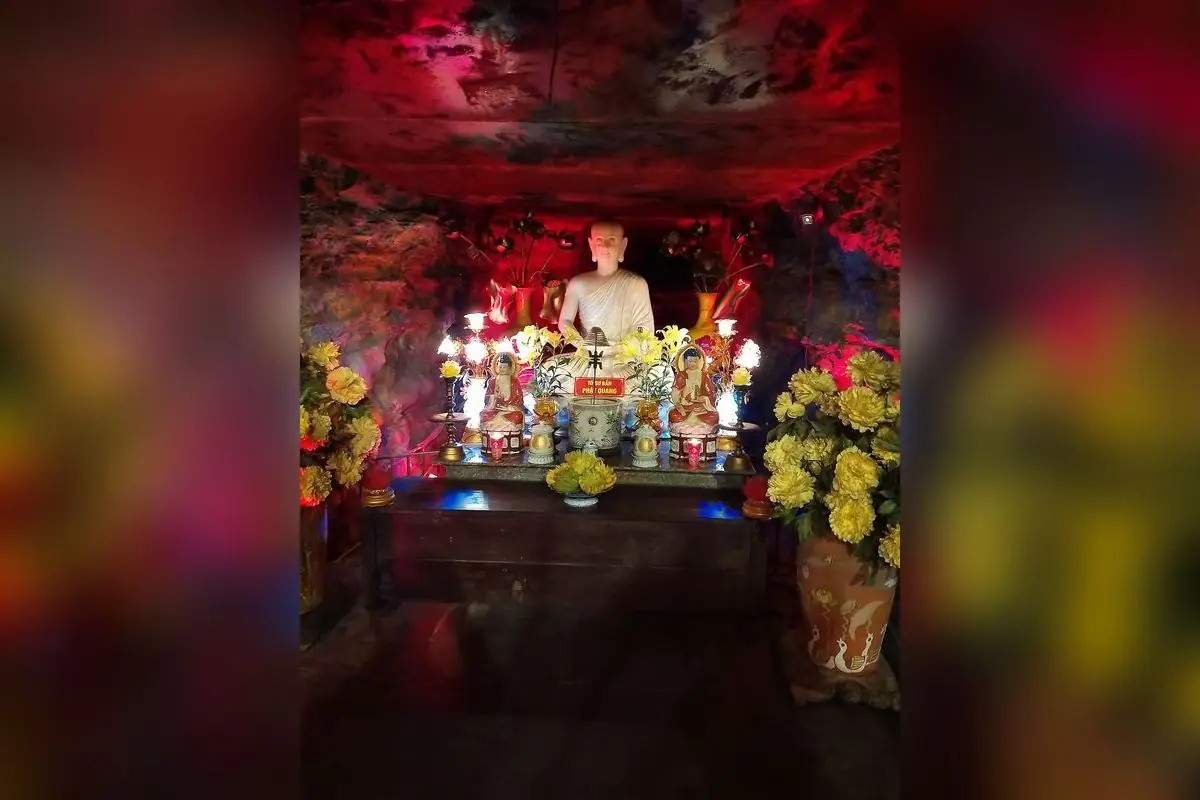
Hang Pagoda, formally known as Coc Tu, began in a natural cave. A newer three-story pagoda now stands outside, looking out to sea.
The cave extends approximately 25 meters into the hillside, creating a distinctive worship space unlike the more conventional pagodas found elsewhere in the city.
Local tradition tells of a monk named Ban who traveled from Thien Truc, generally identified with present-day India, to Do Son to spread Buddhist teachings.
Some versions of the legend connect the monk to Chu Dong Tu, a well-known figure in Vietnamese folklore.
For this reason, Hang Pagoda is sometimes described as one of the earliest places linked to the introduction of Buddhism to Vietnam.
However, this interpretation is rooted primarily in traditional stories. It should not be presented as a firmly established historical conclusion.
Inside the cave, visitors can find a shrine dedicated to the founding monk, stone religious sculptures, and other features that reflect the pagoda’s history.
Outside, the complex includes Buddhist buildings added or restored in different periods.
Hang Pagoda was recognized as a city-level heritage site in 2010.
Best time to visit: mornings are generally pleasant for exploring the cave and enjoying the coastal atmosphere. The pagoda can become much busier during Lunar New Year, full-moon days, and Buddhist festivals.
Ba De Temple
A seaside shrine and a legend of injustice
Address: at the foot of Doc Mountain, former Ngoc Hai area, Do Son Ward, Hai Phong.
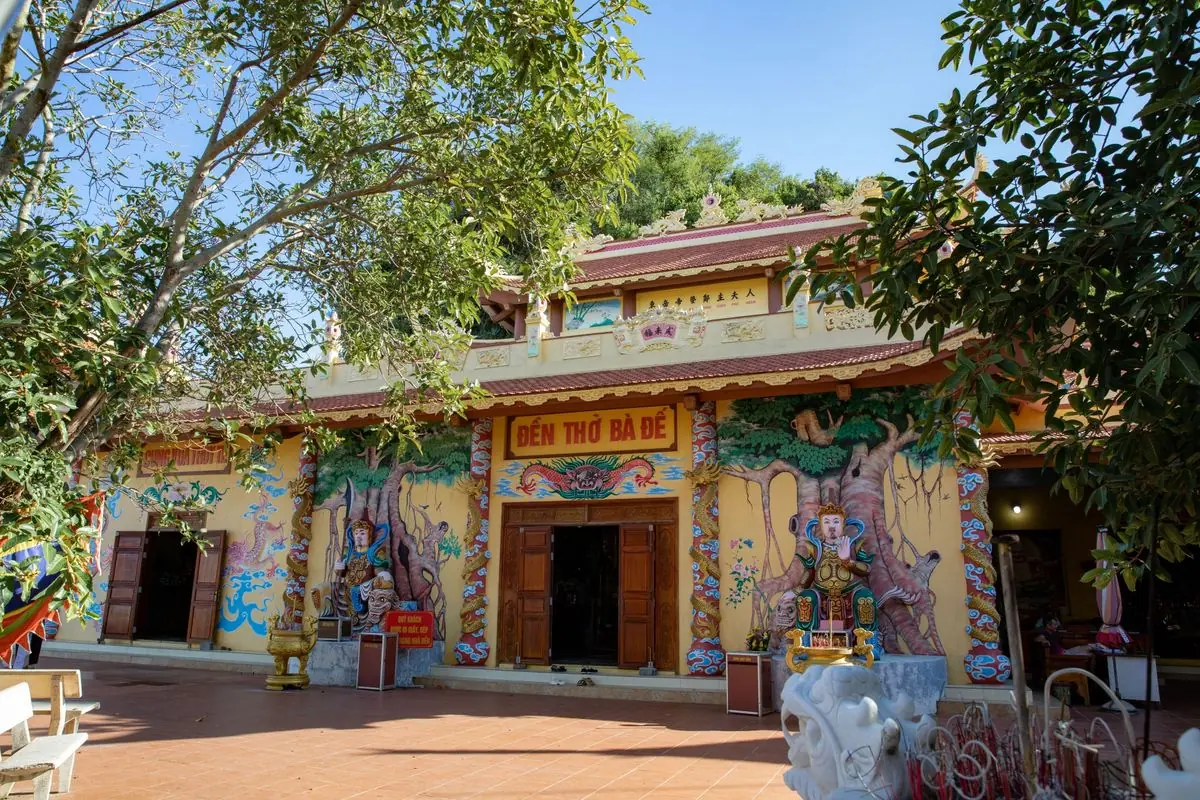
Ba De Temple rests against Doc Mountain, looking out toward the waters of Do Son.
Its location gives the temple an unusual atmosphere: sheltered by the hillside yet open to the sea.
The temple honors Ba De, traditionally identified as Dao Thi Huong, a local woman remembered in folklore connected to a Trinh lord.
According to the legend, she was a beautiful young woman who became the victim of a wrongful accusation and was drowned at sea.
When the Trinh lord learned what had happened, he ordered a ceremony to clear her name and had a temple established at the place where she died.
This is a traditional folk narrative, and its details should not all be treated as independently verified historical events.
In local belief, Ba De is revered as a protective figure people turn to for peace, justice, and the hope of overcoming wrongful suffering.
The main sanctuary honors Ba De and her mother, while the side shrines are for the Three Mother Goddesses.
Local residents began significant restoration work on the temple in 1988, helping it develop into a familiar pilgrimage destination.
The annual Ba De death anniversary festival takes place from the 24th to the 26th day of the second lunar month.
In 2026, the festival was held from April 11 to 13, featuring incense offerings and traditional spiritual ceremonies.
Best time to visit: an early or mid-morning visit on an ordinary weekday is comfortable for sightseeing. During the annual festival, expect larger crowds and allow extra time for parking and accessing the temple.
Tuong Long Tower
An echo of Ly-dynasty architecture
Address: Long Son Mountain, Do Son Ward, Hai Phong.
Tuong Long Tower stands on Long Son Mountain, close to the broader group of religious sites around Co Chin Suoi Rong Temple.
Travelers interested in Vietnamese history and Buddhist architecture will get the most out of it.
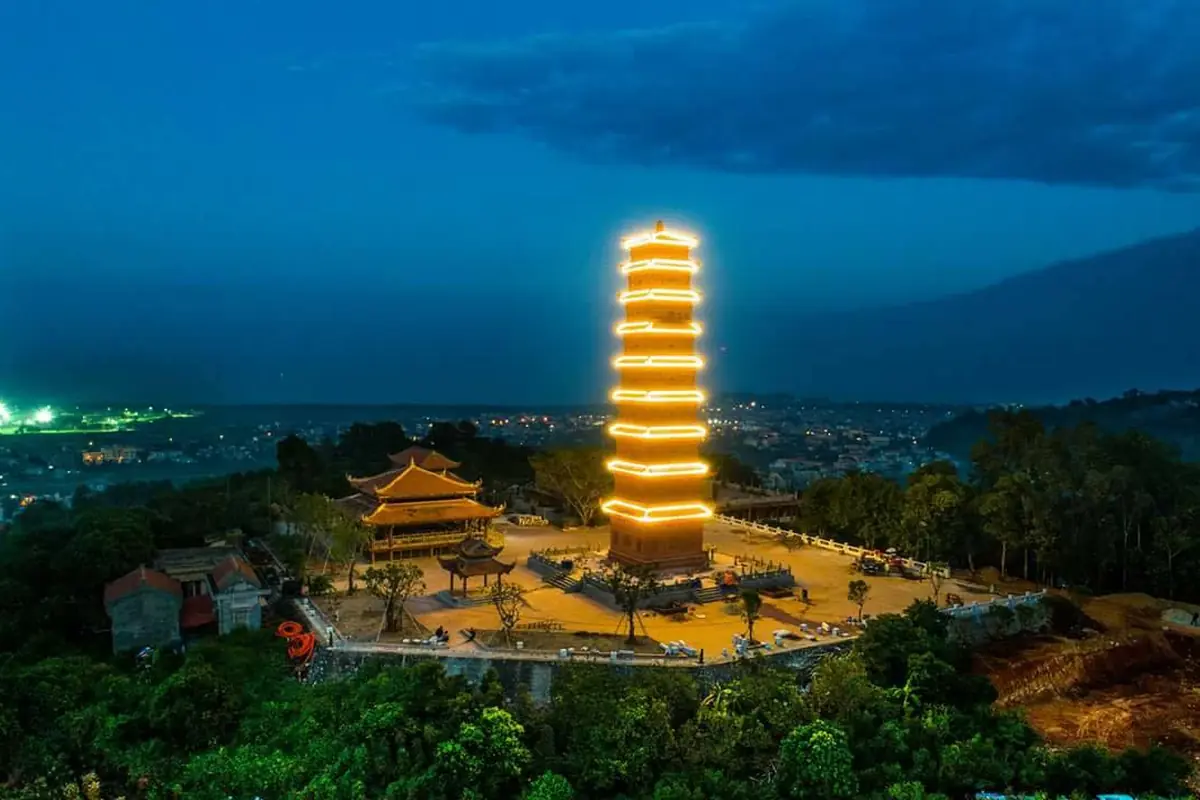
The tower originally dates to the eleventh century, during the reign of Emperor Ly Thanh Tong.
Historical records describe the original structure as a nine-story tower approximately 45 meters tall, once an important landmark overlooking the coastal area.
In 1804, during the reign of Emperor Gia Long, the original tower was dismantled so its bricks could be used in the construction of Hai Duong Citadel.
The nine-story structure visible today is therefore a reconstruction, not an intact eleventh-century tower.
The present complex includes a main worship hall, entrance gate, large bell, and an exhibition area introducing archaeological discoveries made at the original site.
From the elevated grounds, visitors can enjoy views across parts of the Do Son peninsula.
Tuong Long is especially rewarding for those willing to spend time learning about the original foundations, excavated materials, and architectural history.
4. Two half-day itineraries for visiting Hai Phong’s sacred sites
Route 1: half a day in the city center - history and traditional architecture
Route: Nghe Temple → An Bien Communal House → Du Hang Pagoda → Hang Kenh Communal House.
- 8:00-8:40 a.m.
Nghe Temple
Learn about Le Chan and admire the carvings - 8:55-9:20 a.m.
An Bien Communal House
The communal house and the story of old An Bien - 9:40-10:25 a.m.
Du Hang Pagoda
Bell tower and stone stupa garden - 10:45-11:35 a.m.
Hang Kenh Communal House
Admire woodcarvings and learn about Ngo Quyen
This itinerary works well for travelers staying in central Hai Phong, particularly international visitors with around four hours available before continuing their journey.
The stops are relatively close together, though taxis or ride-hailing services still make more sense for the longer connections.
Walking between Nghe Temple and An Bien Communal House can be enjoyable in cooler weather.
History enthusiasts may want to spend more time at Nghe Temple and Hang Kenh Communal House. Families visiting primarily for Buddhist worship might prefer giving Du Hang Pagoda a little more attention.
Route 2: half a day in Do Son - temples, pagodas, and the sea
Route: Co Chin Suoi Rong Temple → Tuong Long Tower → Hang Pagoda → Ba De Temple.
- 7:30-8:15 a.m.
Drive from central Hai Phong
Travel toward Do Son via Pham Van Dong Road - 8:15-8:50 a.m.
Co Chin Suoi Rong Temple
Offer incense and see a Mother Goddess shrine - 9:00-9:40 a.m.
Tuong Long Tower
Tower history and views from the hill - 10:00-10:40 a.m.
Hang Pagoda
Visit the Buddhist sanctuary inside the cave - 10:55-11:35 a.m.
Ba De Temple
Learn the local legend and enjoy coastal scenery
This route is particularly suitable for families visiting during Lunar New Year, small groups with private transport, or travelers who want to explore Do Son beyond its beaches.
Central Hai Phong is approximately 20-25 kilometers from Do Son, depending on your starting point.
By car, the journey along Pham Van Dong Road generally takes around 30-45 minutes under favorable conditions. Allow more time during festivals and busy weekends.
The attractions are spread across coastal and hillside areas, so a private vehicle or taxi makes the itinerary much easier.
The approach to Tuong Long Tower includes sloping sections. Visitors traveling with young children, older relatives, or people with limited mobility should plan accordingly.
How to reach Do Son by public bus
Without private transport, bus route 03 is an option for reaching Do Son.
Following changes introduced in 2025, route 03 connects the VSIP industrial area, Hai Phong’s Political and Administrative Center, parts of the urban area, and Do Son.
The route passes streets including Tran Phu, Quang Trung, To Hieu, Lach Tray, Pham Van Dong, and Ly Thanh Tong.
Published fares are:
- Full-route ticket: VND 30,000 per person, one way.
- Eligible shorter journey: VND 25,000 per person, one way.
Outbound buses start running around 5 a.m. and return services from Do Son around 6 a.m., with final departures in the early evening.
The operator and the city have given different figures for how often buses run, so check the current schedule before traveling.
The bus can take you to the Do Son area, but it does not stop directly outside every temple and pagoda on this itinerary.
You’ll generally need a taxi or ride-hailing service to complete the individual connections.
5. When are Hai Phong’s temples and pagodas most crowded?
A temple visit during a major festival feels quite different from a quiet weekday morning.
For some travelers, the crowds, incense, ceremonial music, and traditional activities are part of the attraction. Others prefer a slower experience with more opportunities to admire the architecture.
| Occasion | Usually busy at | What to expect |
|---|---|---|
| First and fifteenth days of each lunar month | Du Hang, Nghe, Co Chin, and Ba De | Regular worshippers and incense offerings |
| Tet and the early lunar new year | Most temples and pagodas | Seasonal pilgrimages and prayers for peace |
| Seventh-ninth days of the second lunar month | Nghe Temple and An Bien | Le Chan Festival |
| 24th-26th days of the second lunar month | Ba De Temple | Annual Ba De commemoration |
| Ninth day of the ninth lunar month | Co Chin Suoi Rong Temple | Important traditional observance |
| Second-third days of the eleventh lunar month | Du Hang Pagoda | Commemorative ceremonies |
The Le Chan Traditional Festival in 2026 took place from March 25 to 27, corresponding to the seventh through ninth days of the second lunar month.
Activities included incense offerings, ceremonial processions, cultural performances, traditional games, and a countryside-style market.
The festival has been recognized as part of Vietnam’s National Intangible Cultural Heritage since 2016.
During the celebrations, areas around Nghe Temple, An Bien Communal House, and the Le Chan Monument can become crowded.
Visiting during the festival is rewarding for anyone interested in living cultural traditions; allow more travel time and watch for temporary traffic restrictions.
For architecture or photography, weekday mornings work better.
Around 8-10 a.m. often provides comfortable light and a calmer atmosphere, although crowd levels cannot be guaranteed.
6. Temple etiquette in Hai Phong: what international visitors should know
What should you wear to a temple or pagoda?
Nobody expects you to wear an ao dai or any other traditional Vietnamese outfit to enter a temple or pagoda.
Clean, modest, comfortable clothing is generally appropriate.
A shirt covering the shoulders, long trousers, or a skirt reaching below the knees is a safe choice.
Try to avoid very short clothing, transparent outfits, or beachwear.
Shoes that are easy to remove are also helpful, since some worship areas may require visitors to leave footwear outside.
Do you need to bring offerings?
A small one is enough.
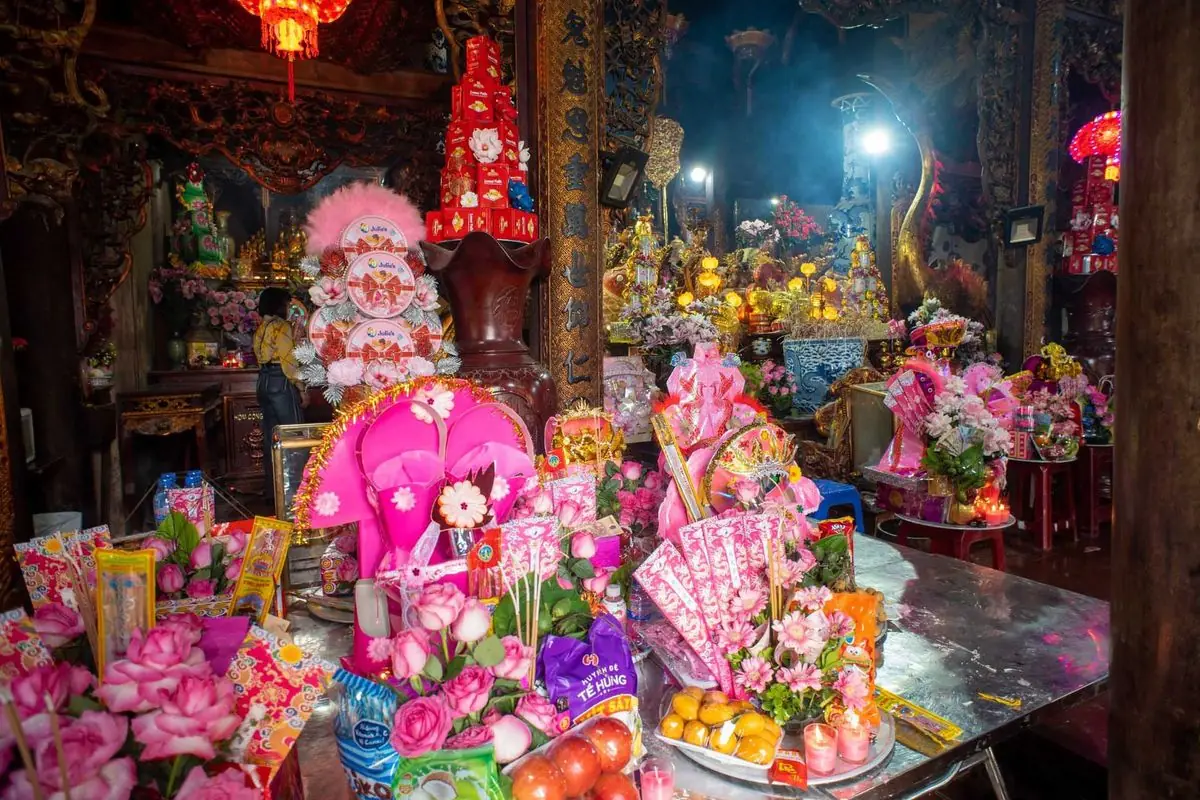
Fresh flowers, fruit, incense, or a simple vegetarian offering may be appropriate for ordinary worship, depending on the site’s specific rules.
Some temples dedicated to folk deities have different offering traditions from Buddhist pagodas.
When unsure, ask a caretaker before placing anything on an altar, especially in areas reserved for particular ceremonies.
Visitors who are simply interested in architecture and culture are not expected to participate in religious offerings.
You can explore, observe, and learn without performing any ritual.
Where should you leave donations?
Donations, often called cong duc in Vietnamese, are voluntary contributions toward the upkeep or religious activities of a sacred site.
There is no universal minimum donation required at temples and pagodas.
Place money in an official donation box or follow instructions provided by the site’s management.
Avoid putting banknotes directly onto statues, into their hands, or among ceremonial objects.
Also, don’t assume that buying offerings, paying someone to write a prayer sheet, or exchanging banknotes outside a temple is compulsory.
You can politely decline.
Is photography allowed inside temples?
Photography is often permitted in courtyards, entrance areas, and outdoor spaces.
However, main sanctuaries, inner shrines, and areas containing valuable artifacts may restrict or prohibit photography.
Always check the signs before taking pictures.
Avoid flash photography around delicate artifacts or wherever it is not permitted.
When people are praying, conducting ceremonies, or participating in hau dong spirit-mediumship rituals, keep a respectful distance and ask before taking close-up photographs.
Don’t block an entrance or a worshipper’s path just to get a better camera angle.
Can non-religious visitors enter Vietnamese temples and pagodas?
Yes.
Most of the places in this guide are both active worship sites and important cultural or historic landmarks.
When a ceremony is unfamiliar, quiet observation, a respectful manner, and following local guidance are entirely appropriate.
For international visitors, Vietnamese temple customs may differ from religious traditions at home.
Even where architectural styles or Buddhist practices seem familiar, the local arrangement of shrines and ceremonies may have its own meaning.
7. Practical tips before your visit
Choose a route in advance, focus on the places that interest you most, and keep the number of stops modest.
For the city-center itinerary, comfortable walking shoes, drinking water, and a charged phone for navigation are usually enough.
The Do Son route involves hillside paths and coastal areas, so shoes with good grip, a light jacket, and sun protection are helpful.
Search for locations using both their current and former administrative names.
For example, Co Chin Suoi Rong Temple may still be listed under the former Ngoc Xuyen area, while Hang Kenh Communal House may appear with its former Hang Kenh Ward address.
Under the current administrative arrangement, they belong to Do Son Ward and Le Chan Ward, respectively.
As for opening hours and costs, don’t assume all religious sites operate on the same schedule or that every associated activity is free.
General visits, parking, ceremonial services, and cultural performances may be managed separately.
Large ceremonies can also temporarily restrict access to particular worship areas.
Finally, leave a little flexibility in your schedule.
You might find yourself wanting to spend another fifteen minutes in Du Hang Pagoda’s courtyard, examine one more woodcarving at Hang Kenh, or linger by the sea at Ba De Temple.
Whether you return to Hai Phong for Tet, a traditional festival, or simply have a few free hours between other activities, you can use the same approach: choose a neighborhood, follow your interests, and give each stop enough time.
Frequently asked questions
Where is Co Chin Temple in Do Son, and how do you get there?
Co Chin Suoi Rong Temple is located on Suoi Rong Road, in the former Ngoc Xuyen area, now part of Do Son Ward, Hai Phong. From central Hai Phong, travel toward Do Son via Pham Van Dong Road, then continue toward Rong Mountain. Search for "Co Chin Suoi Rong Temple" or "Long Son Temple" on your map to reduce the risk of confusing it with another shrine.
What makes Du Hang Pagoda special?
Du Hang Pagoda is one of Hai Phong's best-known historic Buddhist sites, with origins traditionally traced to the Early Le dynasty. Its highlights include a three-roof-level bell tower, a seven-bay Buddha hall, a garden of stone stupas, and preserved Buddhist texts. It suits both worshippers and visitors interested in traditional architecture.
Who is worshipped at Ba De Temple, and when is its festival?
Ba De Temple honors Dao Thi Huong, a woman remembered in Do Son folklore through a tragic story of wrongful accusation and later spiritual veneration. Her annual commemoration takes place from the 24th to the 26th day of the second lunar month. This is one of the temple's busiest pilgrimage periods.
Is the Hang Kenh night tour still available?
The "Dau Thieng Hang Kenh" cultural night tour launched in June 2025 and has previously offered traditional performances and a 3D mapping show. Shows start at 7:30 p.m., though the listed show nights vary from one booking channel to another. Call the organizer on 0866 569 235 to confirm availability before planning an evening visit.
What should I wear to a pagoda in Hai Phong, and are donations required?
Wear modest, comfortable clothing that covers your shoulders and knees, and remove your shoes when requested. You are not required to buy offerings or make a donation just to visit. If you wish to contribute, use an official donation box rather than placing banknotes on statues or other religious objects.