Things to Do in Hai Phong (Hải Phòng): A Walk Through the Port City and Beyond
Many of the old centre's sights are within 2 km of the Opera House in Hai Phong (Hải Phòng), making an easy half-day walk. A little further out are Thien Van (Thiên Văn) hill in Kien An (Kiến An), the Bach Dang memorial site across the Cam (Cấm) river and, for families, VinWonders Vu Yen (Vũ Yên).
 9 min read
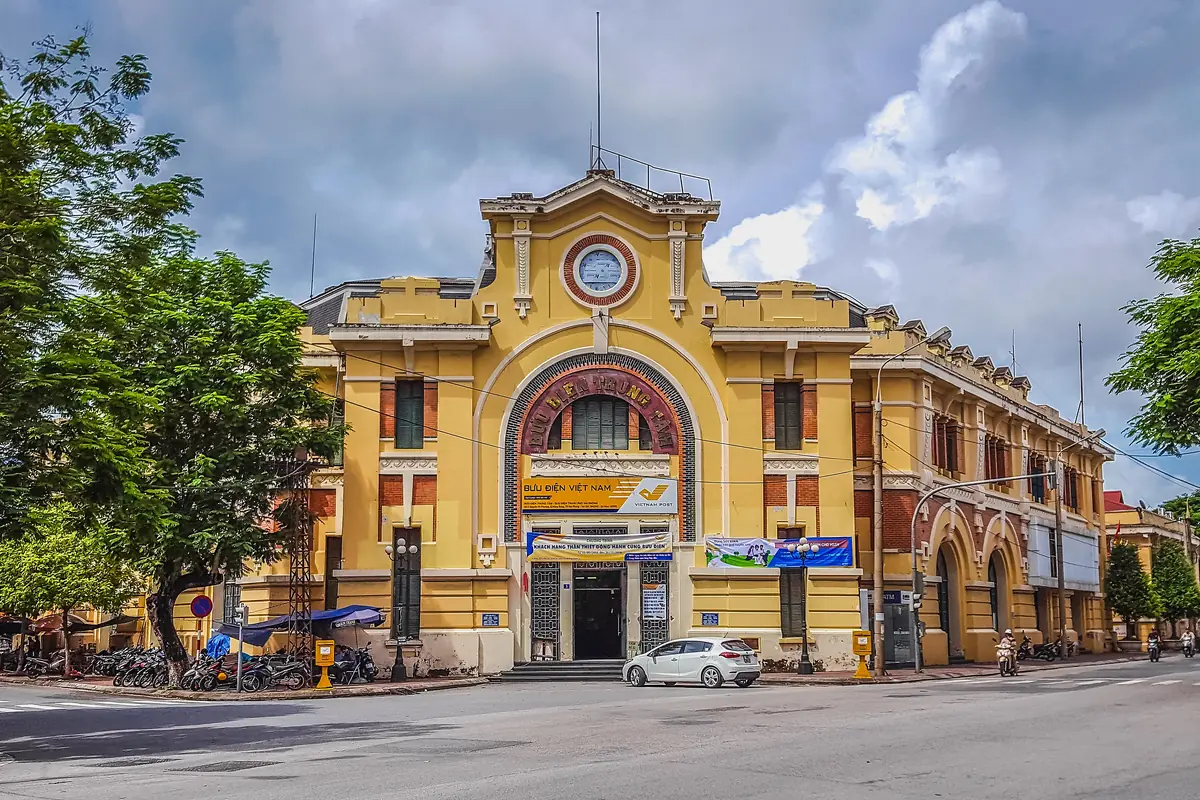
The yellow Hai Phong Post Office on the corner of Nguyen Tri Phuong (Nguyễn Tri Phương) and Hoang Van Thu (Hoàng Văn Thụ) streets, August 2016.
At seven in the morning, the gardens in front of the Opera House are already busy with people doing their exercises, old men reading the paper on stone benches and scooters looping the square on the way to work. Hai Phong is not a city built for visitors. It is a working port, and the things worth seeing are mixed into everyday life: a century-old yellow post office, a temple in the middle of a street of shops, a stretch of old river turned into a lake.
Half a day, a full day or with kids
| You have | Our suggestion | Keep in mind |
|---|---|---|
| Half a day | Walking loop 1-5: Opera House, post office and French quarter, museum, Nghe temple, Tam Bac (Tam Bạc) river | Start before 10am; the museum is closed on Mondays |
| A full day | The old centre in the morning, then one of two in the afternoon: Thien Van hill in Kien An or the Bach Dang site in Thuy Nguyen (Thủy Nguyên); dinner in town | The two lie in different directions, so doing both in one afternoon is a rush |
| With young children | Half to a full day at VinWonders Vu Yen; the Opera House square once the afternoon cools | In the water park, stay right beside young children and watch them the whole time |
A walk around the Opera House
Everything in this loop is walkable, about 3 km if you take in every stop, and fills an unhurried morning. Set off before 10am to stay out of the worst of the sun, especially in summer.
The Opera House and central gardens
Good for: architecture, photos · 20-30 minutes outside
The City Theatre (Nhà hát thành phố), as it is officially called, is the anchor of the centre, its French facade facing a square and a long strip of gardens. There is no fixed schedule for visiting the interior; the surest way to see the horseshoe-shaped auditorium is to buy a ticket for a performance. By day, walk the gardens and photograph the building from across the square.
The post office and the French quarter
Good for: old-building lovers · 30-45 minute stroll
The mustard-yellow post office at 5 Nguyen Tri Phuong was completed in 1905 and is still the central post office. From here, walk along Hoang Van Thu, Dien Bien Phu (Điện Biên Phủ) and Minh Khai streets to see one French-era building after another: banks, schools and old hotels with shutters and arched windows. Minh Khai and Phan Boi Chau (Phan Bội Châu) have plenty of cafes and chrysanthemum tea stalls (trà cúc) for a break. Stay on the pavement where you can, cross at marked crossings and lights, and look both ways for scooters.
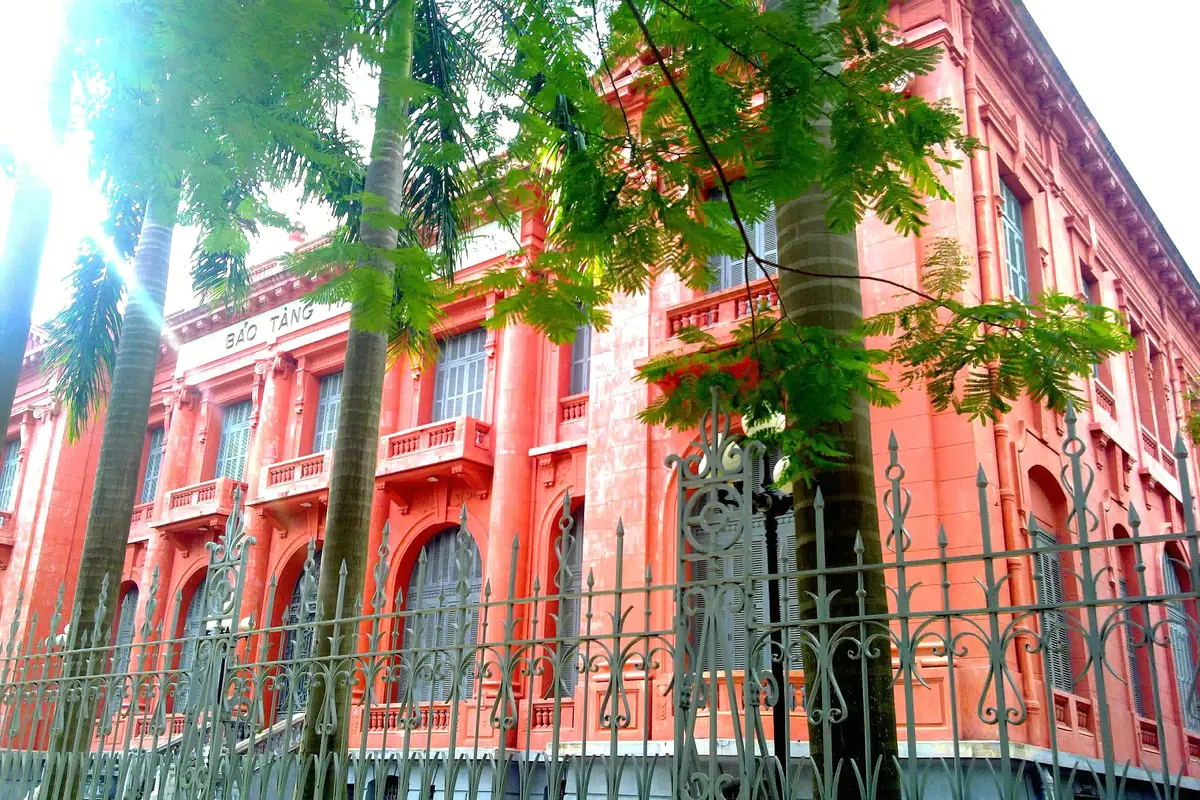
Hai Phong Museum (Bảo tàng Hải Phòng)
Dien Bien Phu street · closed Mondays · 45-60 minutes
The red building dates from 1918 and is worth a look from the street alone. Inside, the galleries cover the city's history and culture, which suits people who like to understand how the port grew up before seeing the rest of town. It opens Tuesday to Sunday. Sources list entry as anything from free to VND20,000, and the hours differ too: some give 8-11am and 2-5pm, others 8am-5pm straight through. Mornings are the one slot every source agrees on; phone ahead if you plan to go in the afternoon.
Le Chan statue and Nghe temple
Good for: everyone · 30-40 minutes
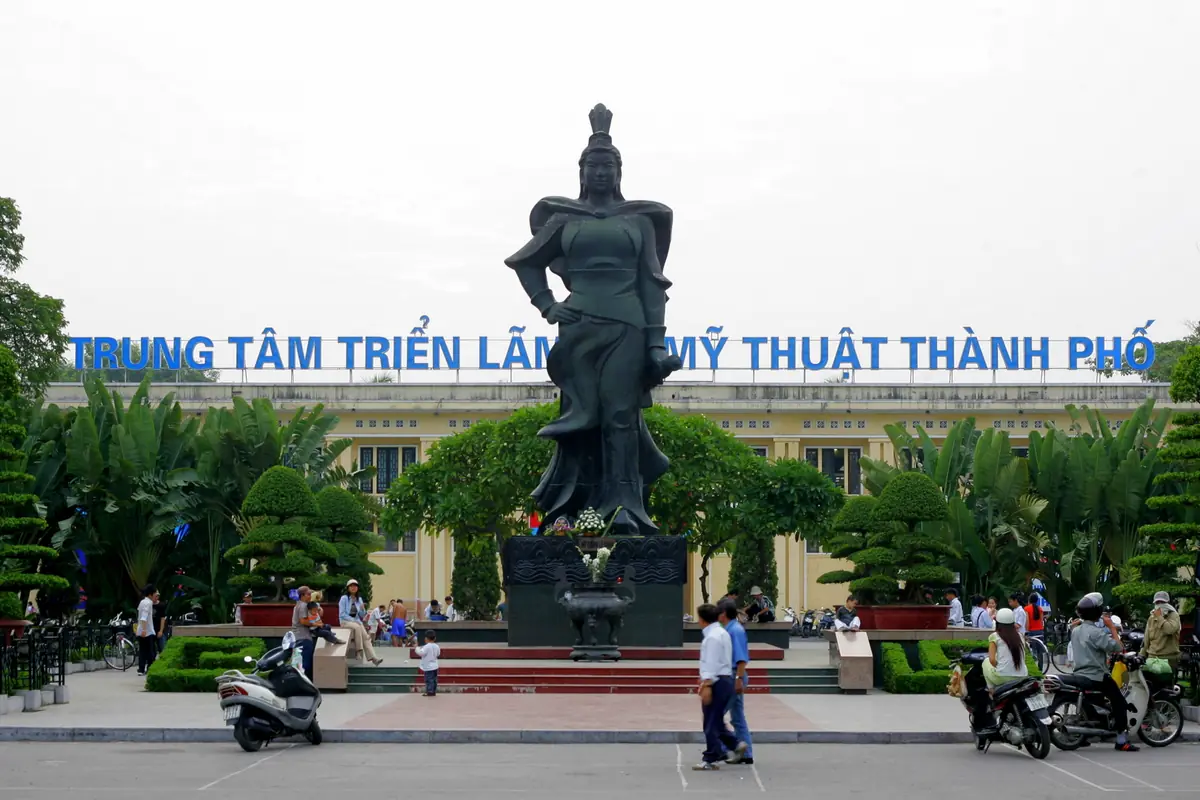
The statue of the heroine Le Chan (Lê Chân), a general of the first-century uprising led by the Trung sisters, stands at the end of the central gardens; locals credit her with founding the old An Bien (An Biên) settlement. A few minutes' walk away on Le Chan street is Nghe temple (đền Nghè), where she is worshipped. The rear sanctuary was built in 1919 and the front hall a few years later, in Nguyen-dynasty style. The temple's set of 22 gold ritual objects was named a national treasure at the end of 2024. It gets busy on the first and fifteenth days of the lunar month; cover shoulders and knees and keep your voice down.
The Tam Bac river and old streets
Good for: an afternoon stroll, photos · 30-60 minutes
The stretch of the Tam Bac (Tam Bạc) river through the centre is where the port city began, lined by Tam Bac and Bach Dang streets and their narrow old shophouses, the area locals casually call the old quarter (phố cổ). It is at its nicest in the cooler late afternoon. Two markets that older guides mention have changed: the Iron Market (chợ Sắt) site is set aside for a commercial and hotel development, and Tam Bac market burned on the morning of 12 February 2023; its traders moved to a temporary Tam Bac market in June 2024, and the old site is earmarked for a park. Walk along the Tam Bac river and stop at any roadside cafe that takes your fancy.
Do not confuse the river with Tam Bac lake in the central gardens. The lake is an old stretch of river that was closed off by the Tam Ky (Tam Kỳ) dam in 1985; the river itself flows on the other side of the dam.
Du Hang Pagoda (chùa Dư Hàng)
About 2 km from the Opera House · 30-45 minutes
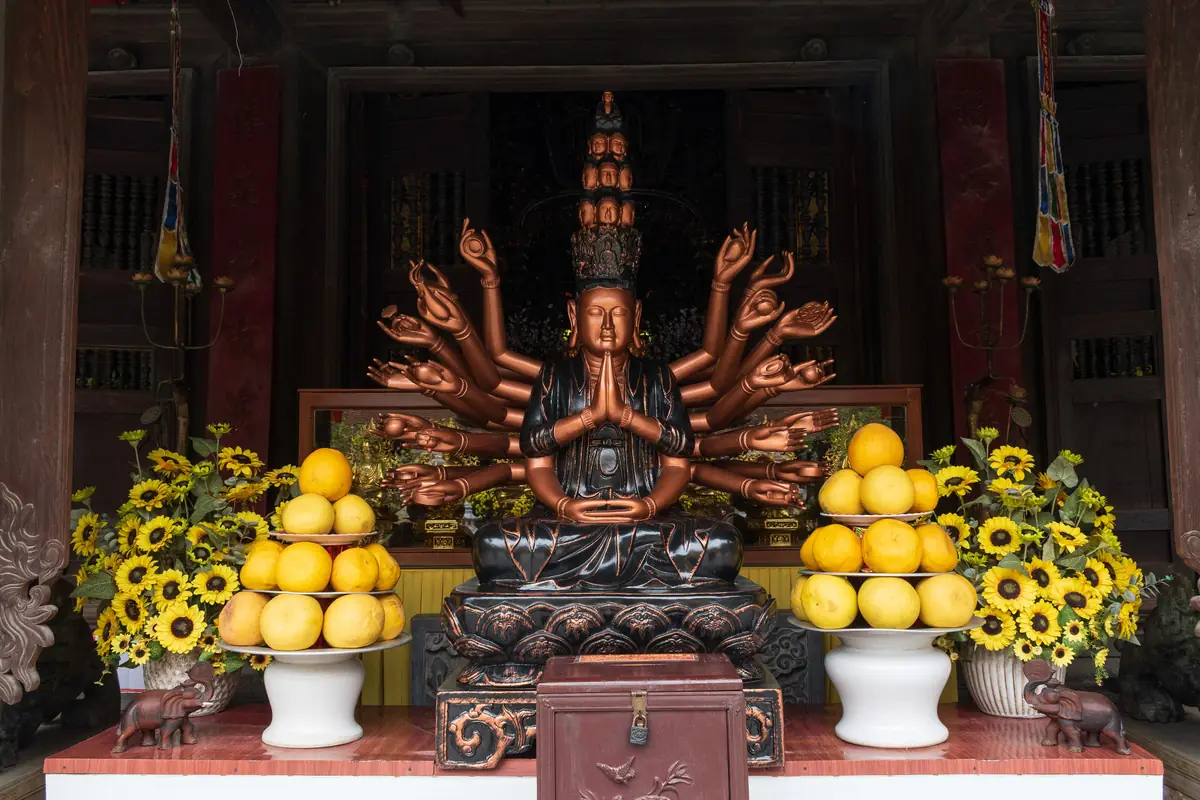
Du Hang Pagoda, formally Phuc Lam Tu, has been a national heritage site since 1986, with a seven-bay main hall and a three-storey bell tower. It is our pick for a quiet hour in the middle of a city day: trees, a lotus pond and far fewer people on weekdays than at festivals and Tet. Take a Grab or Xanh SM ride, or walk if the weather is cool.
Half a day further out
Thien Van hill (đồi Thiên Văn), Kien An
About 11 km · good for: walking, views · 1.5-2 hours round trip
The hill takes its name, "observatory hill", from the Phu Lien weather station built on the summit in 1902, about 113 m up. The road to the top winds about 2.5 km through pine forest; in early 2026 it was being upgraded and many people were walking up rather than riding. On a clear day you can see across to Trang Kenh and Do Son (Đồ Sơn). Go in the morning or late afternoon with water and walking shoes; after rain the slopes are slippery, so save it for a dry day.
Bach Dang memorial site, Trang Kenh (Tràng Kênh), Thuy Nguyen (Thủy Nguyên)
About 19 km · good for: history fans · 1-1.5 hours
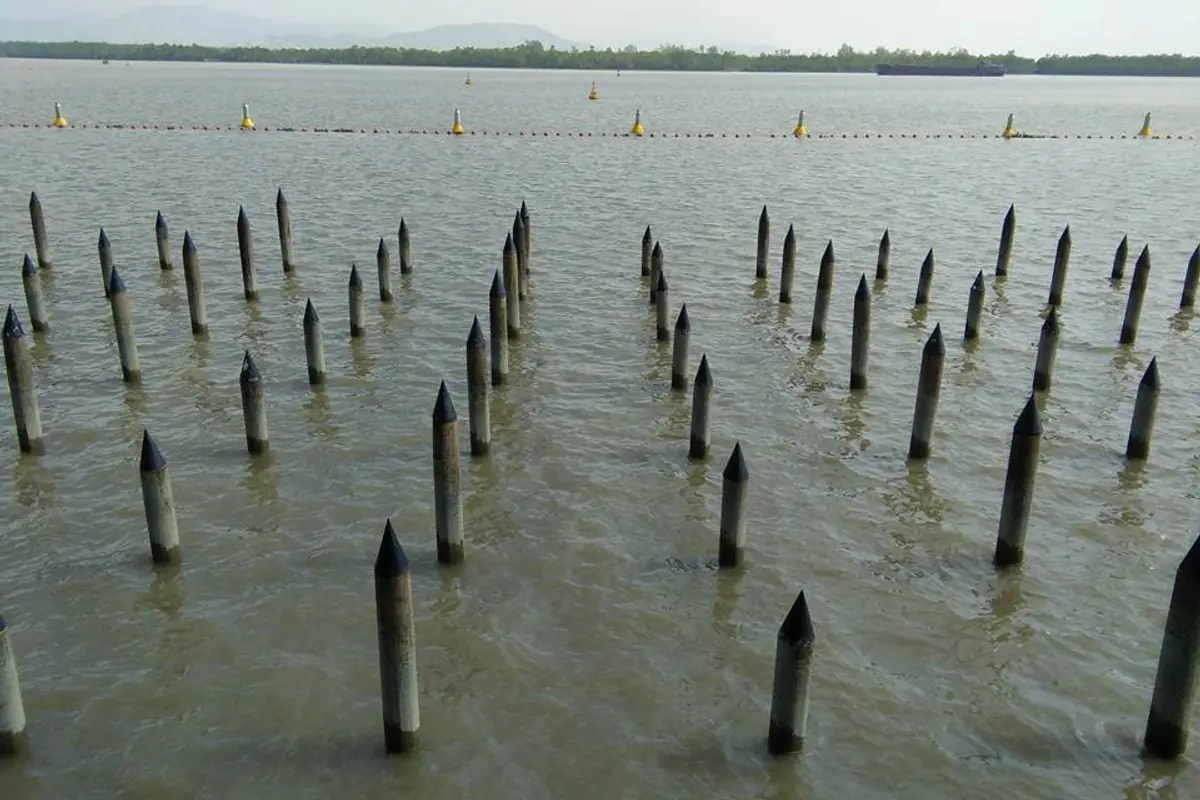
Across the Cam river, this site honours the river battles fought on the Bach Dang (Bạch Đằng), where Vietnamese commanders defeated invading fleets by planting iron-tipped stakes in the riverbed and luring ships onto them at low tide. There are temples to Ngo Quyen, Le Dai Hanh and Tran Hung Dao, a Truc Lam pagoda and a replica field of stakes in the water. It is a national historic site with no entry fee. We like it more than most photo spots because the river scenery and the story go together. Pairing it with Thien Van hill in one half day is a rush; pairing it with lunch in Thuy Nguyen works well.
Tuyet Tinh Coc (Tuyệt Tình Cốc)
Former An Son area, Thuy Nguyen · not a managed attraction
This green lake in an old limestone quarry became famous on social media, but we have not confirmed a current visitor operator or an authorised access route. The water is more than 30 m deep below sheer rock walls, parts of which can collapse, and the local authority and the licensed quarrying company fenced the lake in 2017 to keep people out. We would not climb the fence or the rock faces for a photo: look from public ground only, do not go into the water and do not bring small children. For river and limestone scenery in Thuy Nguyen, the Bach Dang site is the easier choice.
VinWonders Vu Yen (Vũ Yên)
About 10 km · good for: families with kids · half to full day
The park on Vu Yen island opened on 1 July 2025 with a zoo, indoor and outdoor rides and the Aloha water park, next to a pedestrian street of food stalls. The water park is ticketed separately at VND150,000 (1.4 m and taller) or VND110,000 (1-1.4 m), and a rides, zoo and water park combo is VND450,000/310,000; prices vary between weekdays, weekends and holidays. VinWonders' own pages give different opening hours (one says 9am-6.30pm on weekdays and 8.30am-7.30pm at weekends, others run to 8pm or 9pm), so confirm on its app or website before you go. For couples or adults travelling without kids, we think half a day in the French quarter and along the Tam Bac river is the better use of time.
Hai Phong at night
Evenings here revolve around food more than nightlife. A lap of the Opera House square once the lights come on, then a plate of snails or a late bowl of crab noodle soup (bánh đa cua) on the pavement, is what plenty of locals do. On Saturday evenings from around 7pm, the Opera House square and Tam Ky (Tam Kỳ) garden usually host free city-run street music.
The city has opened a pedestrian night food street on the central gardens, between Quang Trung and Tran Hung Dao streets. The pilot ran from 6pm to midnight on Fridays and Saturdays from 28 August to 24 October 2026, and the city's plan includes a handover so that it can carry on afterwards. Check the post-pilot schedule (which nights, what hours, which stretch) before you go, on the Hai Phong Department of Culture, Sports and Tourism website or the city portal.
On Thursday evenings, Thien Van Garden Hill on Thien Van hill hosts open-air community music nights (times and tickets not published). If you have spent the afternoon at VinWonders, stay on for dinner on the Vu Yen pedestrian street next door.
With children
At VinWonders Vu Yen, children under 1 m get in free; the other height-based prices are listed under stop 10 above. In the water park, stay right beside young children and watch them the whole time, even with lifeguards around. Older children may enjoy a morning at Hai Phong Museum. The Opera House square has room to run around in the late afternoon, but scooters circle it constantly: hold hands when crossing.
Day trips
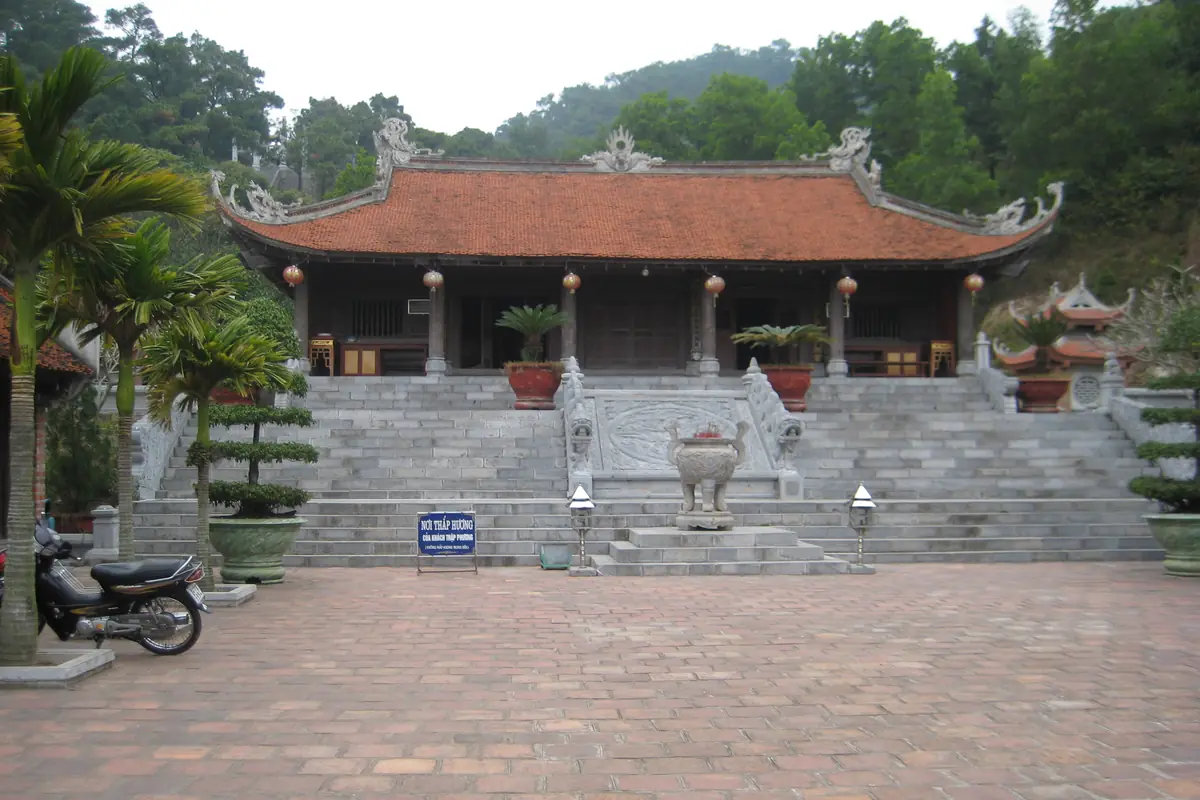
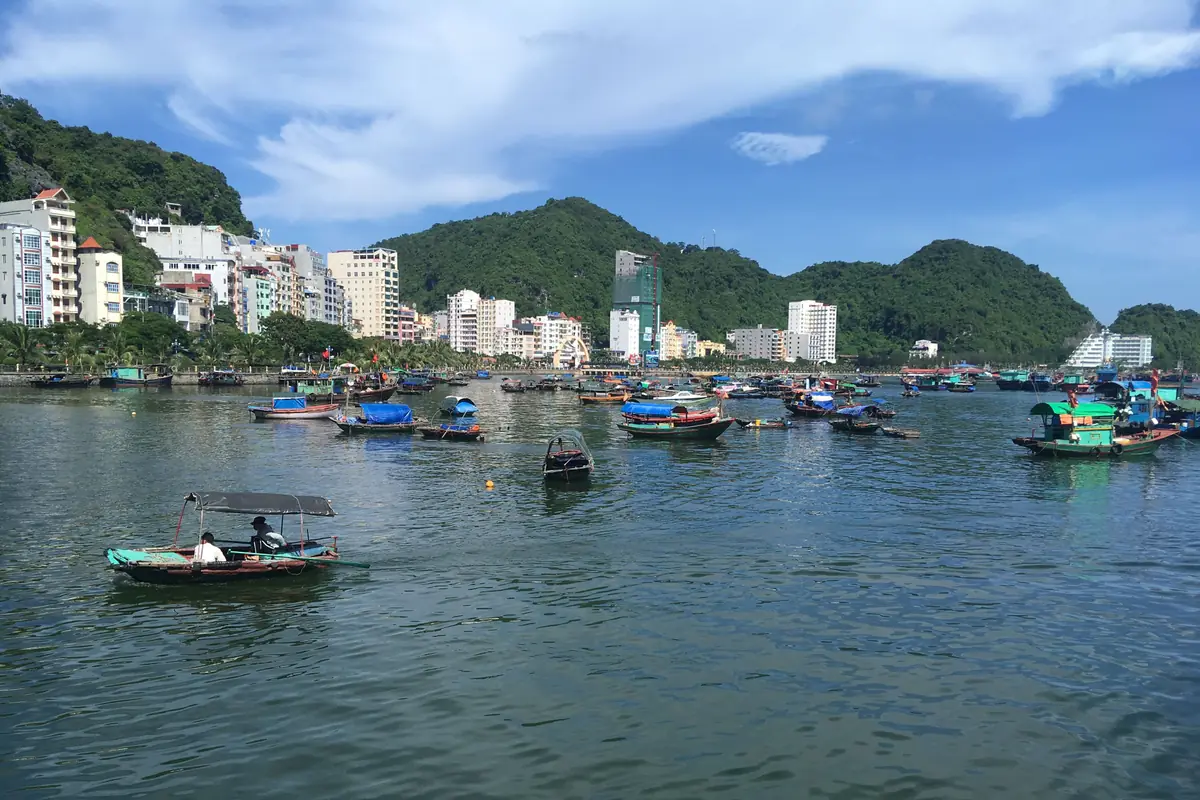
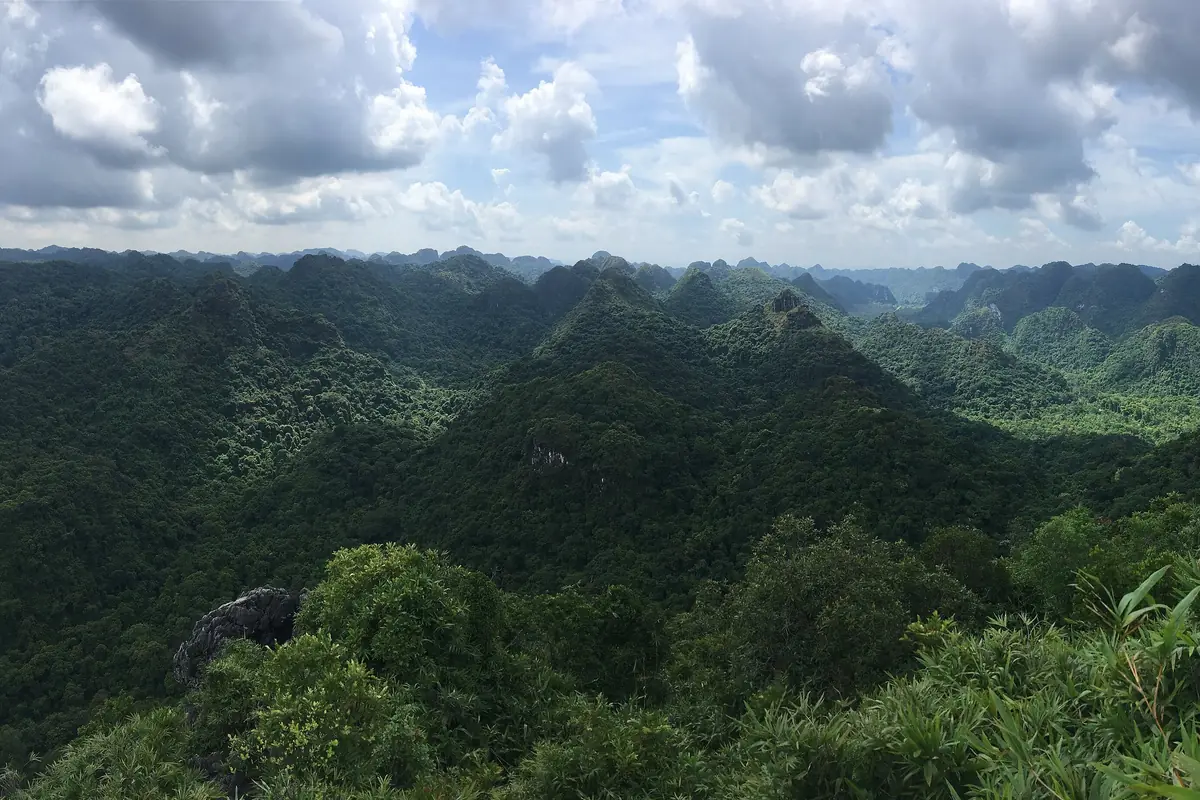
The nearest beach is Do Son, about 20 km south-east, with its island, fish market and buffalo fighting season. For clear water and limestone bays, head to Cat Ba (Cát Bà) and Lan Ha Bay: Lan Ha Bay works as a day trip by boat; stay overnight if you also want the beaches or the national park. The pine hills of Con Son (Côn Sơn) and the riverside Kiep Bac (Kiếp Bạc) temple in Chi Linh, now also part of Hai Phong, make an easy day trip. If you only have one day, breakfast, the French quarter and an afternoon at the beach is the easiest rhythm.
Frequently asked questions
What can I do in Hai Phong on a rainy day?
Hai Phong Museum (closed Mondays; best in the morning), Nghe temple and Du Hang Pagoda all work in light rain, followed by tea or coffee on Minh Khai or Phan Boi Chau streets. Keep Thien Van hill for dry weather, and postpone outdoor and riverside stops if a thunderstorm warning is issued.
Do I need a scooter to get around Hai Phong?
Not in the centre, where walking and ride-hailing apps are enough. For Thien Van hill, Thuy Nguyen or Do Son, a taxi is simpler. Riding a scooter in Vietnam requires a licence valid for the vehicle (for many visitors, an International Driving Permit under the 1968 Convention together with their home licence), plus a helmet, and the main roads carry heavy port truck traffic.
What is the best month for walking around Hai Phong?
October and November usually bring softer sun and far less rain than summer, which suits a full day on foot. In summer, walk before 10am and after 4pm. Take a café break at midday, then visit the museum during its confirmed opening hours.