Visiting Hai Phong museums: where to go and when they open
From historical galleries in the city center to the HQ671 ship at the Naval Museum, Hai Phong's three museums have little in common. Half a day fits one of them comfortably, the downtown and Naval museums both close 11:00 AM-2:00 PM, and the Den Nghe gold collection is not on display every day.
 15 min read
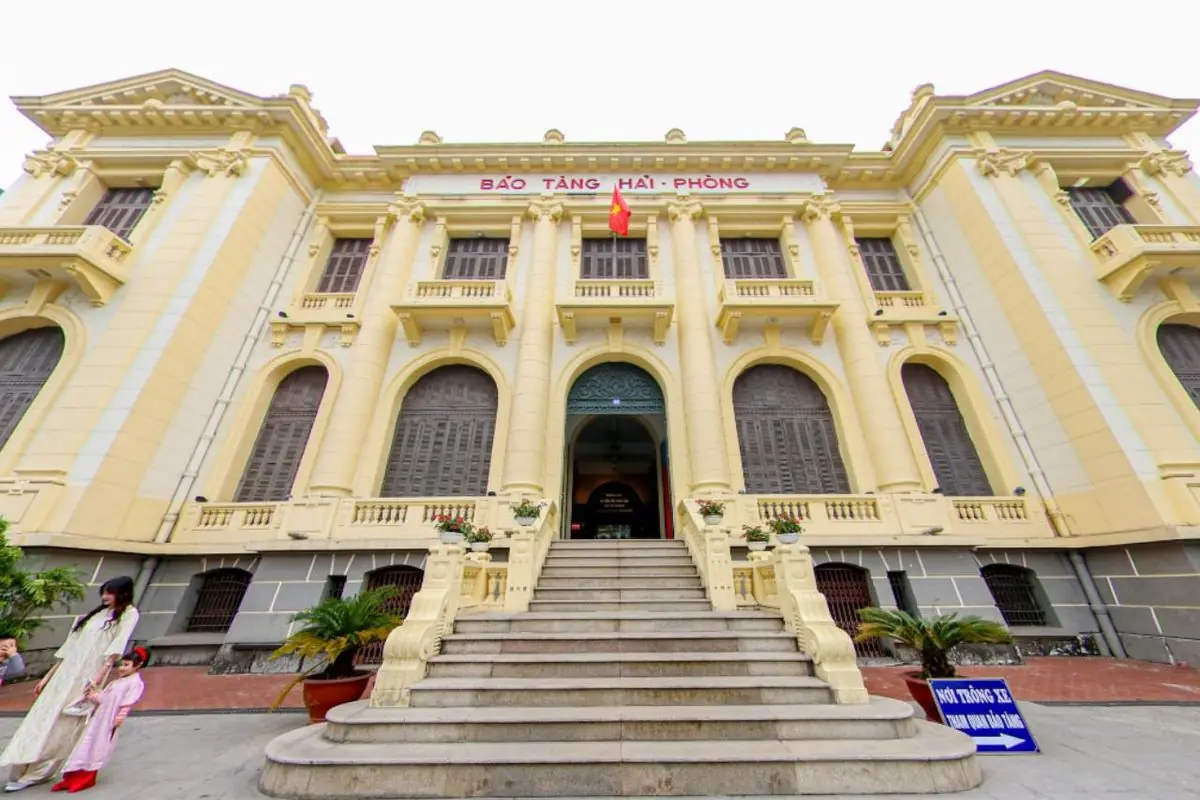
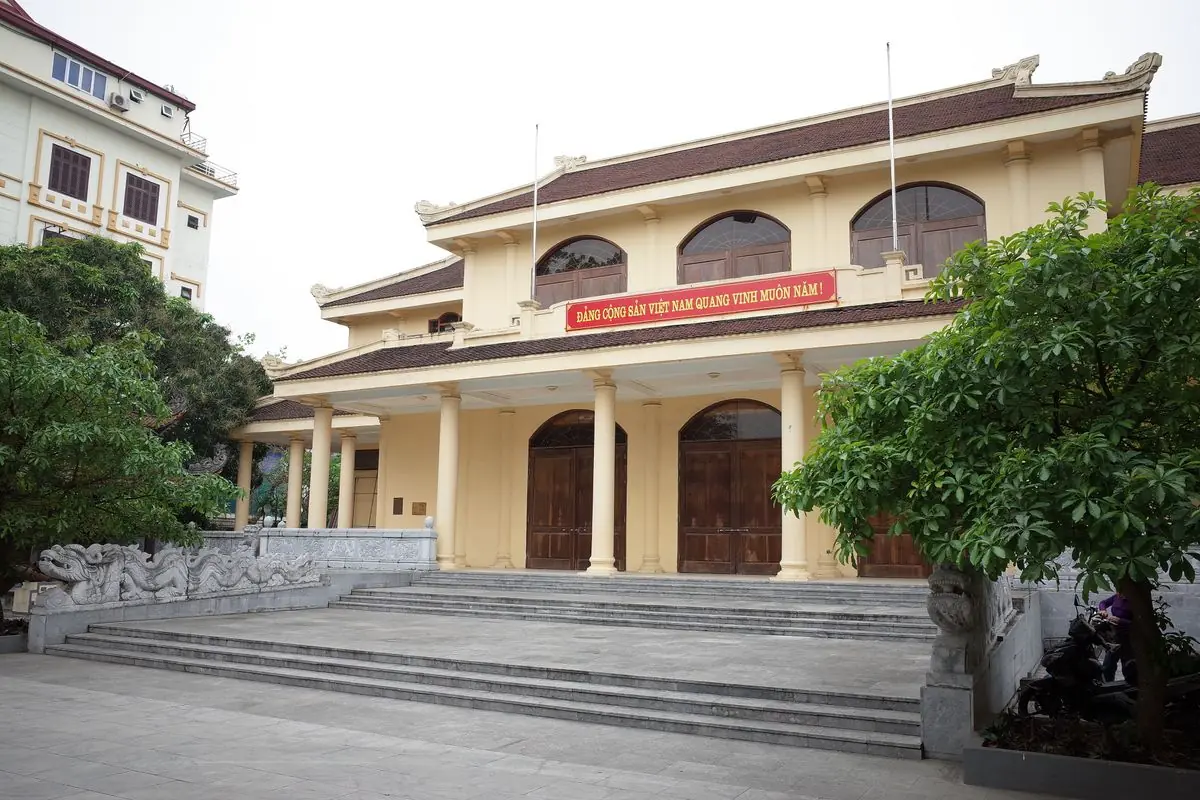
Hai Phong Museum's pale yellow facade at 66 Dien Bien Phu, with a stone staircase leading to the main door.
Hai Phong Museum is an old building in the city center, but the city also has a Naval Museum filled with military vessels and aircraft, plus a museum branch in the former Hai Duong area. Half a day fits one of them comfortably, and both the downtown museum and the Naval Museum close 11:00 AM-2:00 PM, so check the opening hours first.
1. Which museums in Hai Phong are worth visiting?
The three museums have little in common. One follows Hai Phong’s development through centuries of history, another brings you face to face with military equipment once used at sea, while the third focuses on the heritage of the former Hai Duong region, historically known as Xu Dong.
| Museum | Best for | Main highlights |
|---|---|---|
| Hai Phong Museum (Branch 1) | Visitors staying downtown, history and architecture enthusiasts | Gothic-style building, local history collections, temporary exhibitions |
| Hai Phong Naval Museum | Families with children interested in ships and aircraft, military history enthusiasts | HQ671 ship, Ka-25 helicopter, torpedoes, naval history |
| Hai Phong Museum (Branch 2, formerly Hai Duong Museum) | Archaeology enthusiasts, pottery lovers, visitors interested in Xu Dong culture | Chu Dau ceramics, ancient burials, Ho Chi Minh exhibits, MiG-21 aircraft |
With only half a day in central Hai Phong, start with Branch 1. Its downtown location makes it easy to visit in the morning or afternoon, leaving time to explore nearby streets, cafés, and restaurants.
The Naval Museum deserves a separate trip. Beyond its indoor exhibitions, the outdoor grounds contain several large military vehicles and pieces of equipment that are particularly interesting for children.
The former Hai Duong Museum is in Thanh Dong, well away from Hai Phong’s traditional city center. It makes more sense for travelers already staying in Hai Duong or those planning a dedicated visit to explore the region’s cultural heritage.
2. What can you see at Hai Phong Museum in the city center?
Hai Phong Museum, Branch 1
66 Dien Bien Phu, Hong Bang
Address: 66 Dien Bien Phu Street, Hong Bang Ward, Hai Phong. Some heritage records give 11 Dinh Tien Hoang Street instead. These are different address references for the same museum complex, not separate branches.
Phone: +84 225 3823 451.
A historic building that once housed the Franco-Chinese Bank
Walking past Hai Phong Museum, you’ll probably notice its pale yellow façade, tall windows, and distinctly European architectural details.
Built in the early 20th century, the building originally served as the Franco-Chinese Bank. Its Gothic-inspired architecture reflects the period when Hai Phong developed as an important colonial port.
In December 1958, the city decided to convert the building into a museum. Hai Phong Museum was officially established on December 20, 1959, making it Vietnam’s earliest established provincial or municipal museum.
Much of the exterior architecture has survived. Before heading inside, take a few minutes to look at the building’s arched openings, decorative columns, and symmetrical façade.
What is inside Hai Phong Museum?
The museum has 16 exhibition rooms across two floors, with more than 1,000 square meters of display space. Its collections contain over 20,000 objects, along with historical documents and photographs related to the city.
The permanent galleries follow Hai Phong’s development through different periods. Early sections introduce the region’s natural environment, prehistoric settlements, and the lives of communities along the coast and river estuaries. Later rooms explore the feudal period, old Hai Phong, and the city’s transformation from the late 19th century onward.
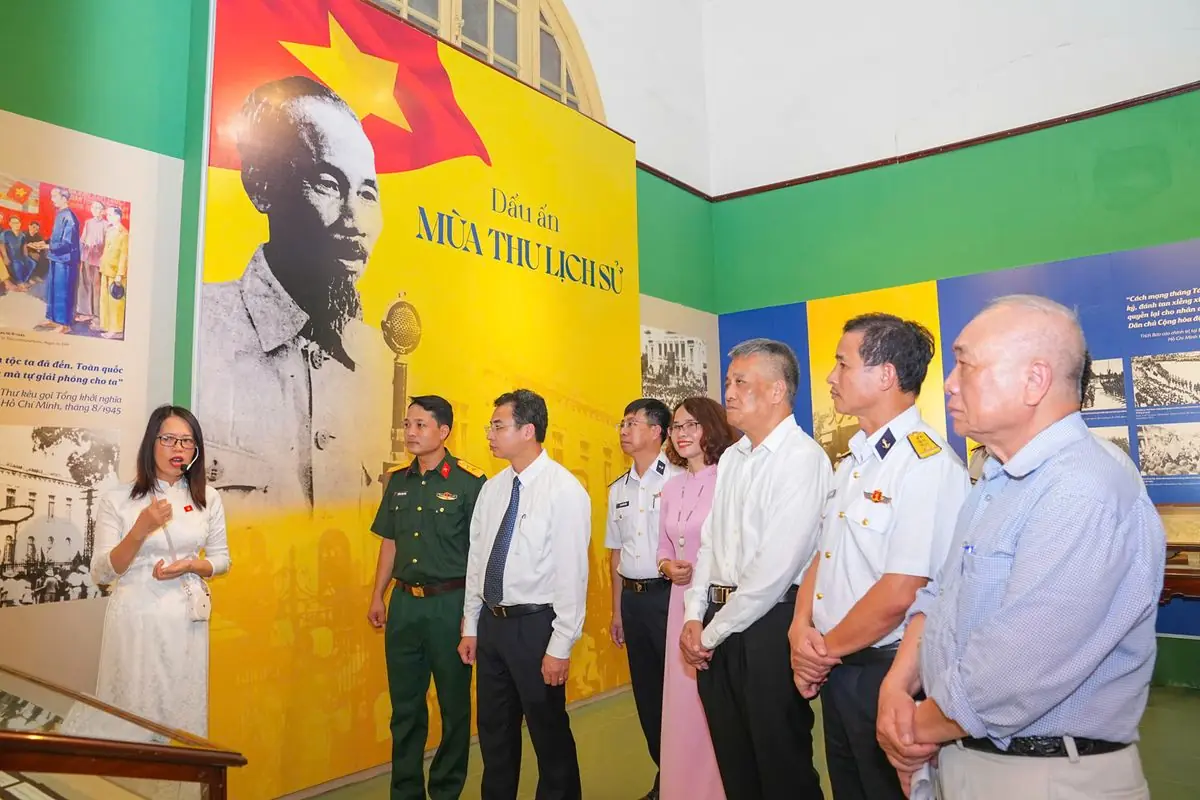
Several galleries cover revolutionary movements, wars, and the city’s development during the modern era. Others focus on transportation, agriculture, industry, culture, foreign relations, and President Ho Chi Minh’s connection with Hai Phong.
International visitors unfamiliar with Vietnamese history can start with the archaeological objects, photographs of old Hai Phong, and displays about port life. The objects, historical images, and themed layout tell much of the story without the Vietnamese descriptions.
Not every label comes in English, Korean, Chinese, or Thai. International groups interested in detailed historical explanations should contact the museum beforehand to ask about guided tours and foreign-language support.
Hai Phong Museum opening hours and admission
The regular visiting schedule for the downtown museum is:
| Information | Details |
|---|---|
| Opening days | Tuesday to Sunday |
| Morning session | 8:00 AM-11:00 AM |
| Afternoon session | 2:00 PM-5:00 PM |
| Weekly closing day | Monday |
| Admission | Free |
Public holidays may have different arrangements. During the New Year holiday in January 2026, the museum remained open for four consecutive days. Other holidays may bring additional exhibitions and cultural activities.
3. National treasures and special exhibitions at Hai Phong Museum
Where is the Den Nghe gold artifact collection?
The Den Nghe gold artifact collection is currently preserved at Hai Phong Museum, rather than being permanently displayed at Den Nghe Temple.
This valuable collection is associated with the worship of General Le Chan, an important historical figure closely connected with Hai Phong’s origins.
The collection consists of 16 groups of objects, primarily made of gold and crafted in the artistic style of the Nguyen dynasty during the early 20th century.
Among them are gold betel leaves, areca nut clusters, ceremonial tablets, fans, earrings, a lip-wax container, bracelets, and necklaces.
Local worshippers originally donated these objects to honor Le Chan, who is revered as a sacred mother figure. The pieces reflect both traditional goldsmithing techniques and the religious practices of the community.
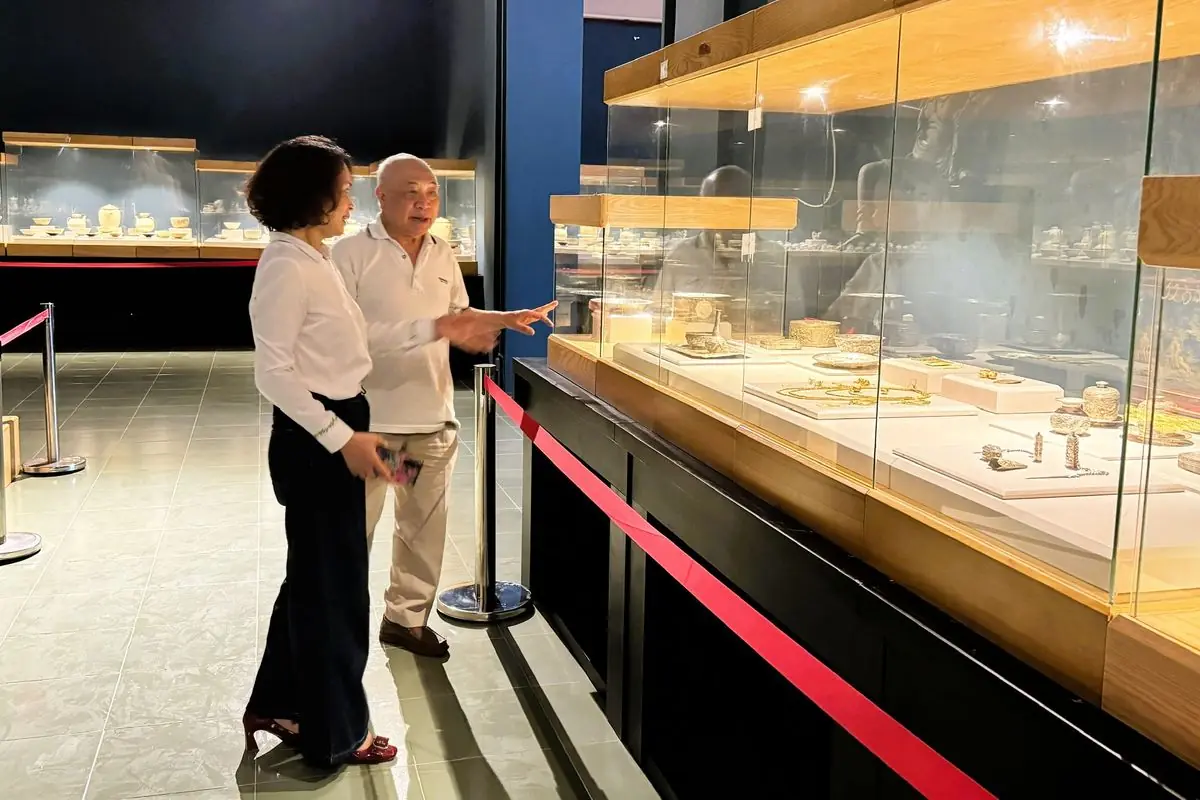
After spending several decades in bank custody, the collection was transferred to Hai Phong Museum in February 2024.
The public first had an opportunity to see the collection at a special exhibition on May 11, 2024.
On December 31, 2024, it was officially recognized as a National Treasure of Vietnam.
What other national treasures are in Hai Phong?
Hai Phong has 33 officially recognized National Treasures.
Following its administrative merger with Hai Duong, these treasures are spread across different locations and represent a wide variety of historical periods and artistic traditions.
Besides the Den Nghe gold collection, notable examples include:
- HQ671 military transport ship: A vessel that took part in transport operations along the Ho Chi Minh Trail at Sea. It is now displayed at the Hai Phong Naval Museum and was recognized as a National Treasure in 2017.
- Tram Gian Pagoda woodblocks: A collection of 864 carved wooden printing blocks dating from the 17th to the 19th centuries, associated with Tram Gian Pagoda in An Phu Commune. The collection received National Treasure recognition in 2025.
- An Bien Collection: A private collection belonging to collector Tran Dinh Thang, containing 18 recognized National Treasures, including valuable ceramic and bronze objects.
- Huu Chung bronze drum: A National Treasure recognized in 2015 and preserved within the museum collection associated with the former Hai Duong area.
The An Bien Collection was exhibited at Hai Phong Museum in 2024. That display was temporary, and the 18 treasures are not part of the permanent galleries.
Which special exhibitions are open in November 2026?
From October 16 through November 30, 2026, Hai Phong Museum is hosting the exhibition "80 Years - Hai Phong Remembers Uncle Ho’s Words".
The exhibition brings together more than 300 documents, photographs, and artifacts across three sections: President Ho Chi Minh’s life and career, his visits to Hai Phong, and the city’s efforts to follow his teachings.
The exhibition covers his 11 visits to Hai Phong, beginning with his first visit on October 20-21, 1946.
It suits visitors interested in 20th-century Vietnamese history, and international travelers will find plenty of historical photographs of the city’s wartime years and later development.
Another exhibition, "Journey Through Vietnamese Heritage", is scheduled to open on November 18, 2026, and is expected to run for approximately one month. The planned display will feature around 300 artifacts, from stone tools and bronze objects to ceramics, embroidery, and works of art from different dynastic periods.
Until opening day, "Journey Through Vietnamese Heritage" can’t be visited yet. Its final schedule and selection of artifacts may still change during preparations.
4. Hai Phong Naval Museum: ships, aircraft, and maritime history
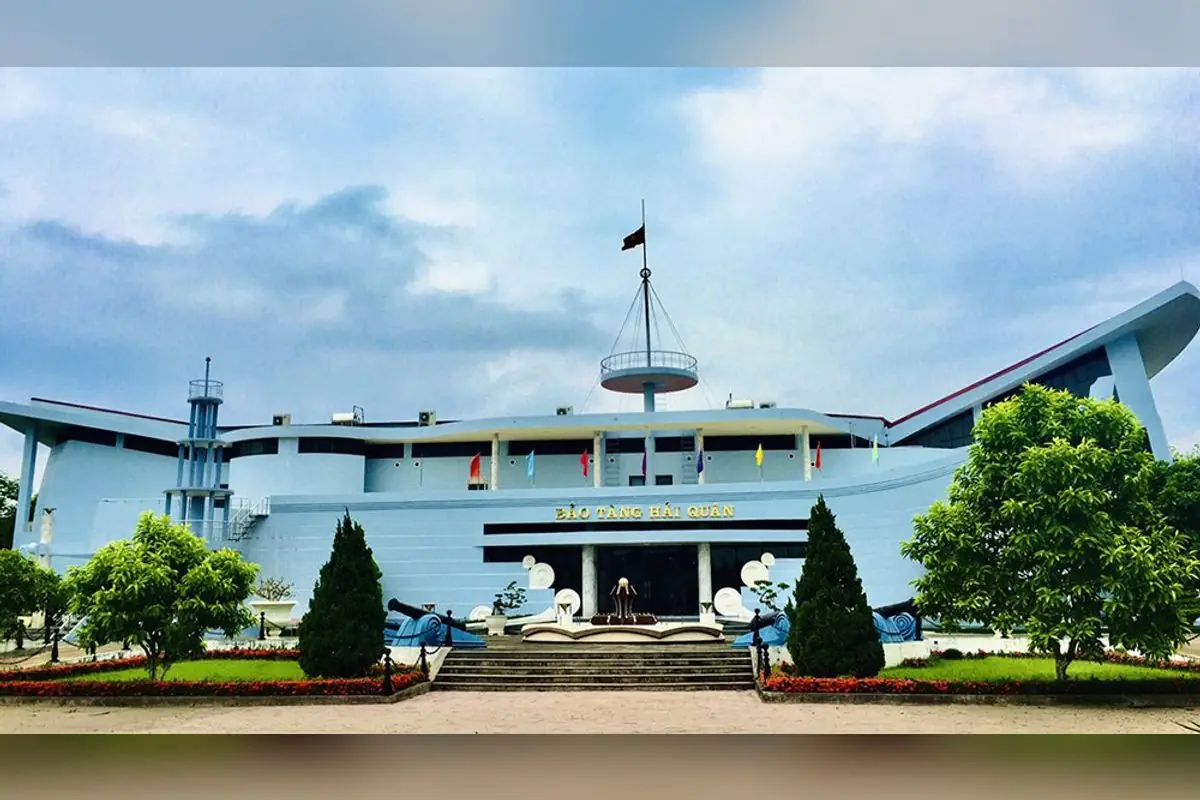
The HQ671 ship and outdoor military exhibits
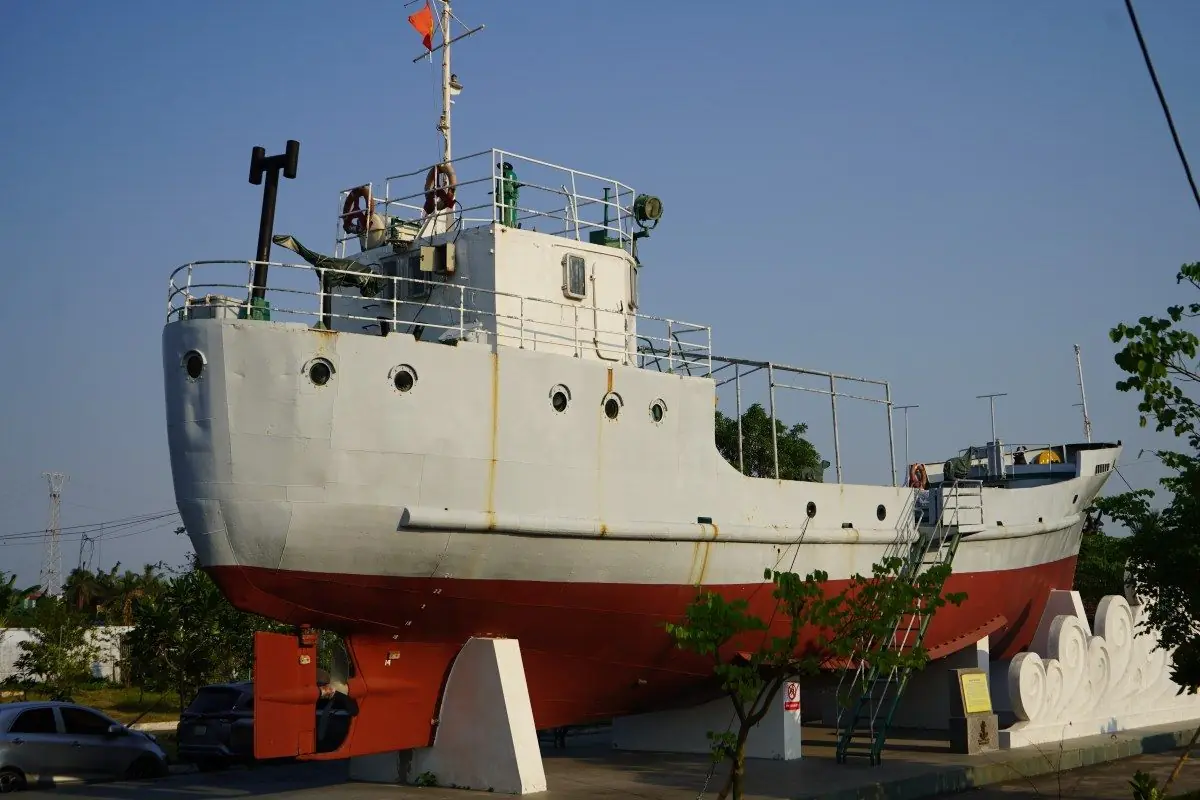
The HQ671 military transport ship is the museum’s best-known exhibit, one of the vessels associated with the secret maritime supply route known as the Ho Chi Minh Trail at Sea.
The ship participated in transport operations that supported military activities during the war. Standing beside the real hull gives you a sense of its size that photographs and scale models can’t.
The outdoor area also contains a Ka-25 anti-submarine helicopter, tanks, torpedoes, and other military equipment. Children who love aircraft or big vehicles will want to linger here.
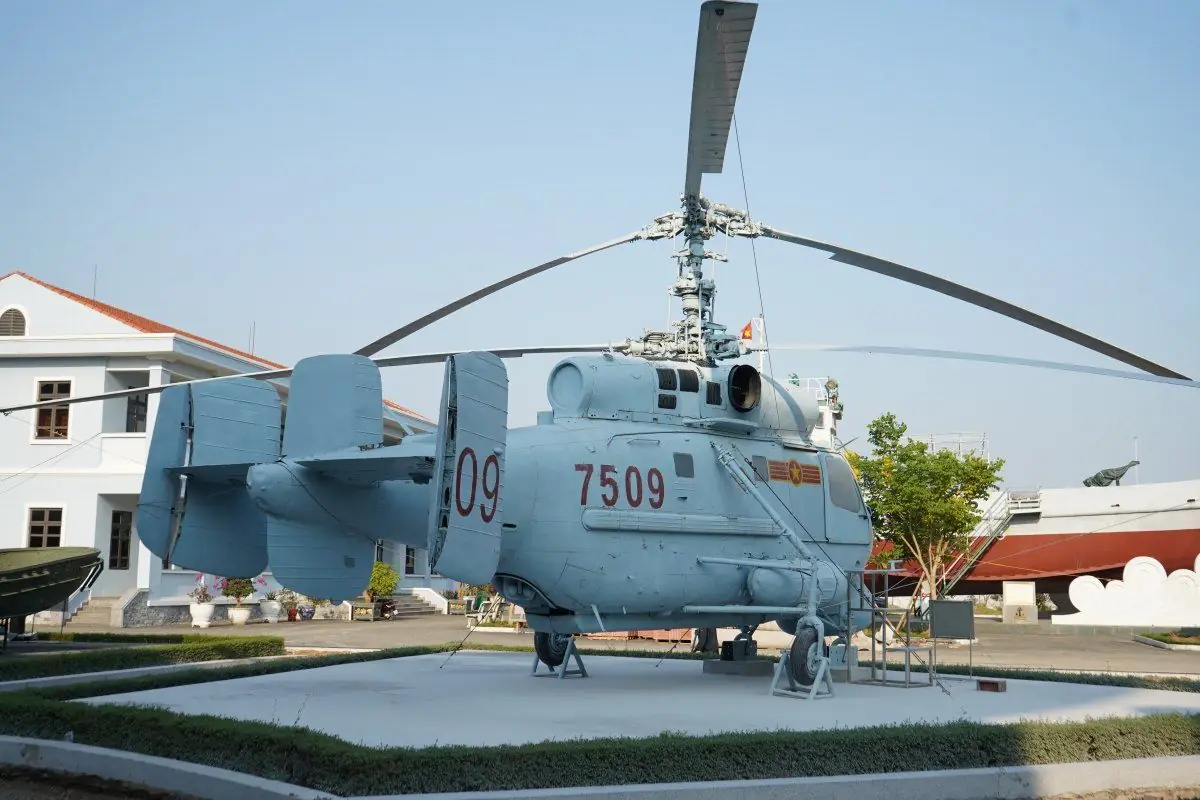
International visitors can take in the shapes, size, and visible equipment of these exhibits without relying on the Vietnamese descriptions. Access to the ship, permission to approach certain objects, and entry into restricted areas depend on the instructions of museum staff.
What is inside the Naval Museum?
The indoor exhibition building covers approximately 1,800 square meters. Its galleries cover naval operations on rivers and at sea, the establishment of the Vietnam People’s Navy, and the development of the country’s maritime defense forces.
The museum holds more than 11,000 documents and artifacts, with a substantial selection displayed for visitors. Among them is a hat worn by President Ho Chi Minh during his visit to Ha Long Bay in 1962.
Documentary films and guided explanations tell you which events the outdoor ships and aircraft took part in.
Visitors interested in detailed military history should ask about guided tour availability, documentary screenings, and foreign-language interpretation before arriving.
Hai Phong Naval Museum opening hours and tickets
| Information | Details |
|---|---|
| Regular opening days | Tuesday to Saturday |
| Morning session | 8:00 AM-11:00 AM |
| Afternoon session | 2:00 PM-4:30 PM |
| Weekly closing days | Sunday and Monday |
| Public holidays | May open under special arrangements |
| Admission | Call +84 225 3814 788 to ask |
The afternoon session ends 30 minutes earlier than at the downtown Hai Phong Museum. The outdoor exhibits and indoor galleries take around two hours, so arrive by 2:30 PM at the latest.
Sunday is normally a closing day. For a special holiday opening, call the museum rather than trusting the hours shown in navigation apps.
5. Former Hai Duong Museum: exploring Xu Dong heritage
Hai Phong Museum, Branch 2
11 Hong Quang, Thanh Dong
Address: 11 Hong Quang Street, Thanh Dong Ward, Hai Phong.
Current name: Hai Phong Museum, Branch 2.
Former phone number: +84 220 3852 493.
Activity registration (2026 programs): +84 968 504 852.
Following the administrative merger of Hai Phong and Hai Duong, the former Hai Duong Museum became Branch 2 of Hai Phong Museum.
Some online search results still use the old provincial name or former administrative address.
The museum occupies a site that once housed Nguyen Ai Quoc School. It was handed over for museum use in 1987 and officially opened to visitors in 1990 after restoration work and exhibition preparations.
What makes this museum different from the one in central Hai Phong?
This branch focuses on the history and culture of Xu Dong, the traditional name for the Hai Duong region.
The principal exhibition building introduces the area’s natural environment, archaeological discoveries, social development, and historical changes across different periods.
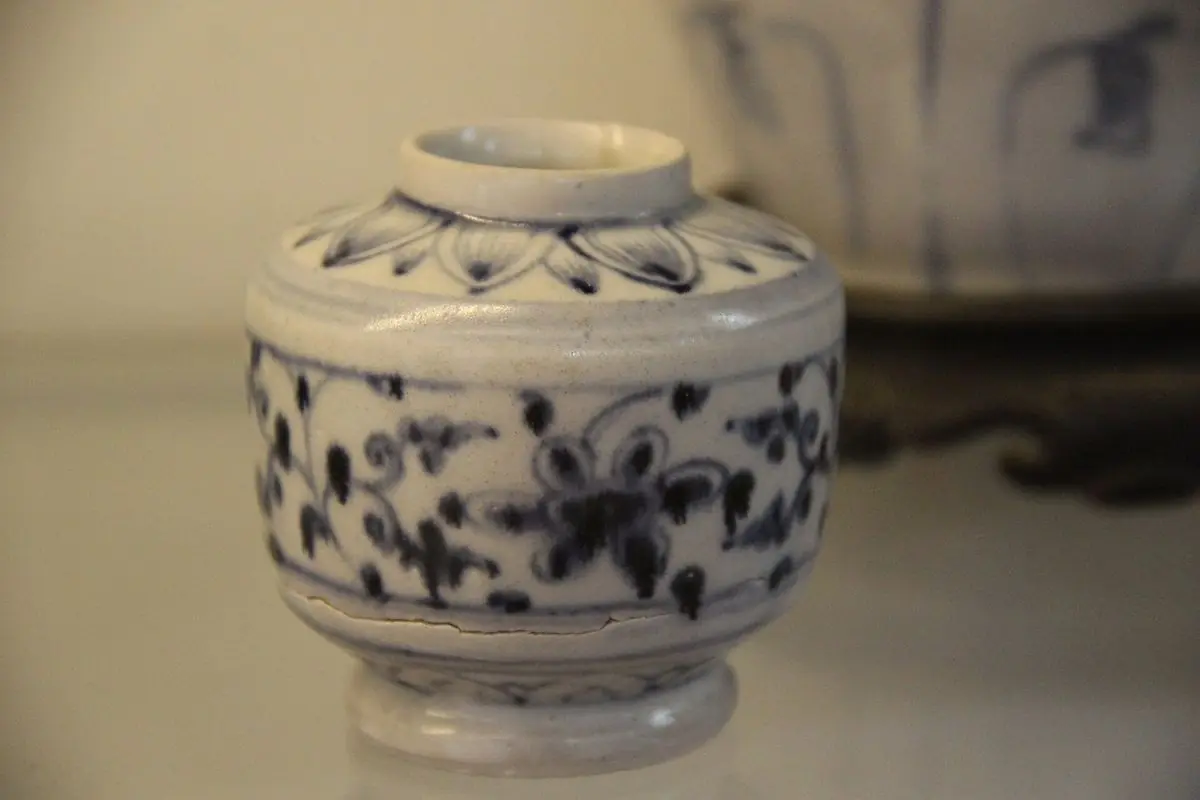
The ceramics section is worth extra time for anyone who appreciates traditional craftsmanship. Chu Dau pottery is a major highlight, with its elegant forms and decorative techniques connected to one of Vietnam’s important historical ceramic traditions.
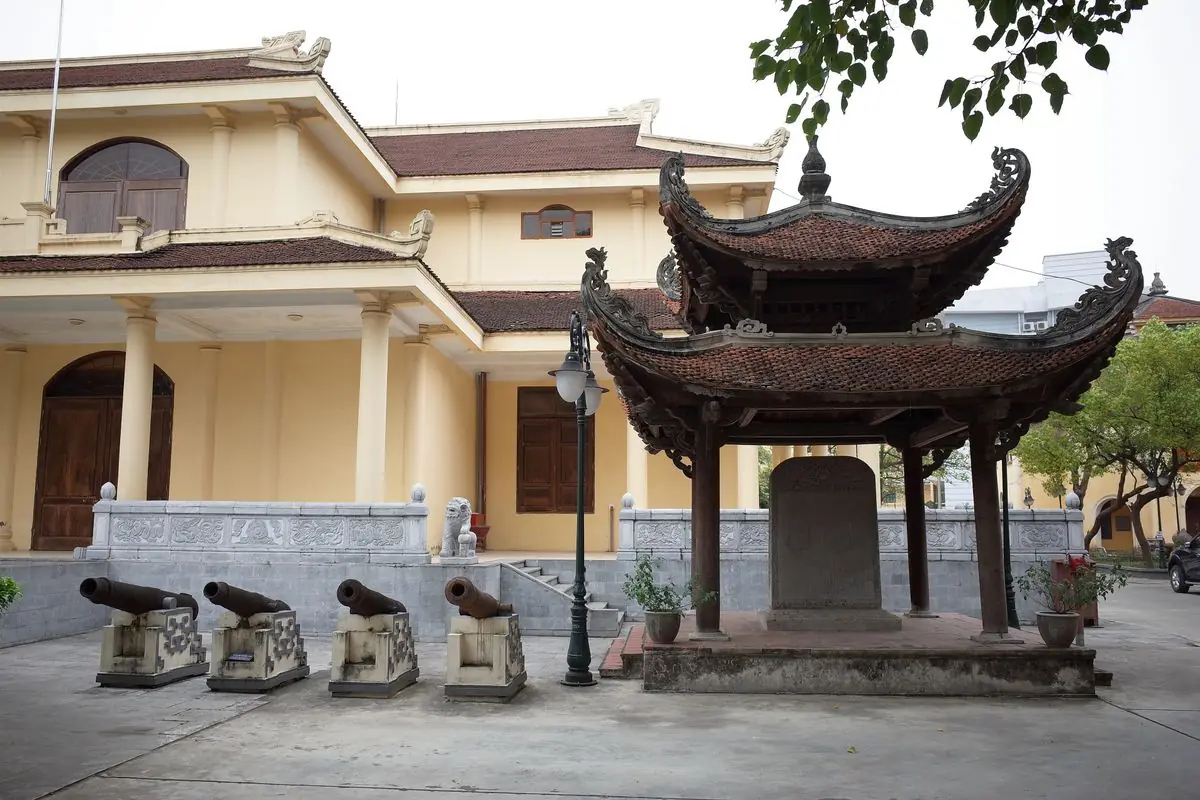
Outside, the museum displays stone steles, cannons, stone bridges, ancient burial-related artifacts, and a MiG-21 aircraft.
Its archaeological materials include examples associated with wooden boat-shaped burials and other historic burial practices discovered in the region.
Part of the second floor is dedicated to President Ho Chi Minh and his visits to Xu Dong.
Photographs, documents, and personal artifacts illustrate his connections with local communities and their daily lives.
Children will get more out of pottery activities, traditional craft demonstrations, and the outdoor aircraft than out of historical labels. These hands-on activities are generally organized as part of scheduled programs, so they may not be available to individual visitors every day.
Opening hours and admission at the former Hai Duong Museum
During its hands-on activity program in late April 2026, Branch 2 received visitors in two sessions:
- Morning: 7:30 AM-11:00 AM.
- Afternoon: 1:30 PM-5:00 PM.
Those were the program’s own hours. Outside such programs, Branch 2 opens to visitors around its exhibitions and events, so call the registration line, +84 968 504 852, about your planned date.
If you come across old ticket prices or opening hours from the Hai Duong Museum days online, ignore them; they date from before the organizational changes.
The site is also undergoing a museum renovation and conservation project, with contractor selection still going on in 2026. The museum has kept welcoming visitors for exhibitions and cultural programs during the year, but some rooms or outdoor sections may be closed for the work.
6. Half-day museum itineraries in Hai Phong
Itinerary A: a morning around central Hai Phong Museum
This route works well for travelers staying downtown, visitors spending one day in Hai Phong, or anyone looking for an indoor activity on a rainy day.
- 8:00-9:30 AM
Hai Phong Museum galleries
Start with the prehistoric and old Hai Phong galleries, then move toward whichever subjects interest you most, such as port history, industry, or wartime life.
During November 2026, set aside extra time for the special exhibition about President Ho Chi Minh’s relationship with Hai Phong.
- 9:30-10:00 AM
The building's architecture
The courtyard and historic façade offer pleasant opportunities for photographs.
On rainy days, simply shorten this outdoor stop and spend a little more time inside the museum.
- 10:00-11:00 AM
Walk around the city center
The museum is surrounded by some of Hai Phong’s older urban streets.
Stop for coffee, find a local snack, or look at more of the area’s historic buildings.
For an afternoon visit, start the museum at 2:00 PM, finish around 3:30 PM, and spend the remaining time walking around downtown before dinner.
Itinerary B: an afternoon at Hai Phong Naval Museum
This itinerary is best for Tuesday through Saturday, when the museum follows its regular visiting schedule.
- 2:00-3:00 PM
Outdoor exhibits first
Begin with the HQ671 ship, helicopter, and other large military vehicles.
Children like these best, so see them while everyone still has energy.
- 3:00-4:00 PM
Visit the indoor galleries
Focus on the stories behind the unnumbered transport ships, the development of the Vietnam People’s Navy, and the museum’s historically significant artifacts.
- 4:00-4:30 PM
Finish your visit
Use the final part of the afternoon to revisit a favorite section or take photographs in permitted areas before leaving.
Heavy rain makes the outdoor exhibits hard going. In that case, start with the indoor galleries and assess the weather before heading outside, following any instructions from the museum staff.
Can you visit both museums in half a day?
Both in one half-day is too tight. They are in different parts of Hai Phong, and the travel time combined with the long midday closure makes the schedule unnecessarily rushed.
A more comfortable plan is to spend the morning at the downtown museum, have lunch, and visit the Naval Museum when it reopens at 2:00 PM.
That approach works for travelers with almost a full day available, provided both museums are open on the chosen date.
Branch 2 in the former Hai Duong area deserves a separate outing, particularly for visitors interested in Chu Dau ceramics and Xu Dong history.
7. Practical tips for international visitors and families
Travelers who stop in Hai Phong before or after Cat Ba Island usually have one morning or afternoon for a museum.
Visitors interested in architecture and the city’s overall history will probably prefer the downtown Hai Phong Museum. Those fascinated by military history, ships, and naval equipment will find more to explore at the Naval Museum.
For travelers who don’t speak Vietnamese, galleries featuring photographs, archaeological objects, everyday artifacts, or military vehicles are generally easier to enjoy than displays relying heavily on written historical explanations.
If you want translated labels or a guide who speaks English or another language, call and ask before you go.
Around 60-90 minutes suits younger children unfamiliar with museums, while those who love ships and aircraft may happily spend longer at the Naval Museum.
Inside exhibition galleries, follow photography rules and avoid touching displayed objects. National Treasures, historic ceramics, and rare documents may have stricter conservation requirements.
Useful museum phone numbers
| Museum | Contact |
|---|---|
| Hai Phong Museum, Branch 1 | +84 225 3823 451 |
| Hai Phong Naval Museum | +84 225 3814 788 |
| Hai Phong Museum, Branch 2 | +84 220 3852 493 (older number) |
| Branch 2 activity registration | +84 968 504 852 |
Branch 2’s older number may no longer be staffed, so save the activity registration number as a backup.
Hai Phong also has the Military Region 3 Museum in the Bac Son area of the former Kien An district. Its displays focus on the history of armed forces in the Red River Delta, including military equipment, weapons, and historical exhibits.
Its hours for individual visitors and its ticket prices aren’t clear, though, so treat it as an optional extra rather than a fixed stop.
Pick one museum per half day, avoid the 11:00 AM-2:00 PM gap, and call ahead before heading to the Naval Museum or Branch 2.
Frequently asked questions
What are Hai Phong Museum's opening hours? Is it closed on Mondays?
Hai Phong Museum at 66 Dien Bien Phu Street normally opens Tuesday through Sunday, from 8:00 AM to 11:00 AM and 2:00 PM to 5:00 PM. It closes every Monday, although special holiday arrangements may differ.
Is Hai Phong Museum free to enter?
Yes. General admission to Hai Phong Museum's downtown branch is free. For the Naval Museum and the former Hai Duong Museum, call each one about admission before you go.
Is Hai Phong Naval Museum open on Sundays, and what can visitors see?
The Naval Museum is normally closed on Sundays and Mondays, with regular opening days from Tuesday through Saturday. Its highlights include the HQ671 military transport ship, Ka-25 anti-submarine helicopter, torpedoes, and historical collections related to the Vietnam People's Navy.
Where is the Den Nghe gold artifact collection displayed?
The Den Nghe gold collection is preserved at Hai Phong Museum, Branch 1. Recognized as a National Treasure in 2024, it is generally presented during special exhibitions and cultural events. Call the museum to ask whether the original artifacts will be out on the day you visit.
How many national treasures are there in Hai Phong?
Hai Phong has 33 officially recognized National Treasures. They include the Den Nghe gold collection, HQ671 ship, Tram Gian Pagoda woodblocks, and 18 treasures from the privately owned An Bien Collection. These artifacts are preserved at different locations rather than all being displayed at Hai Phong Museum.