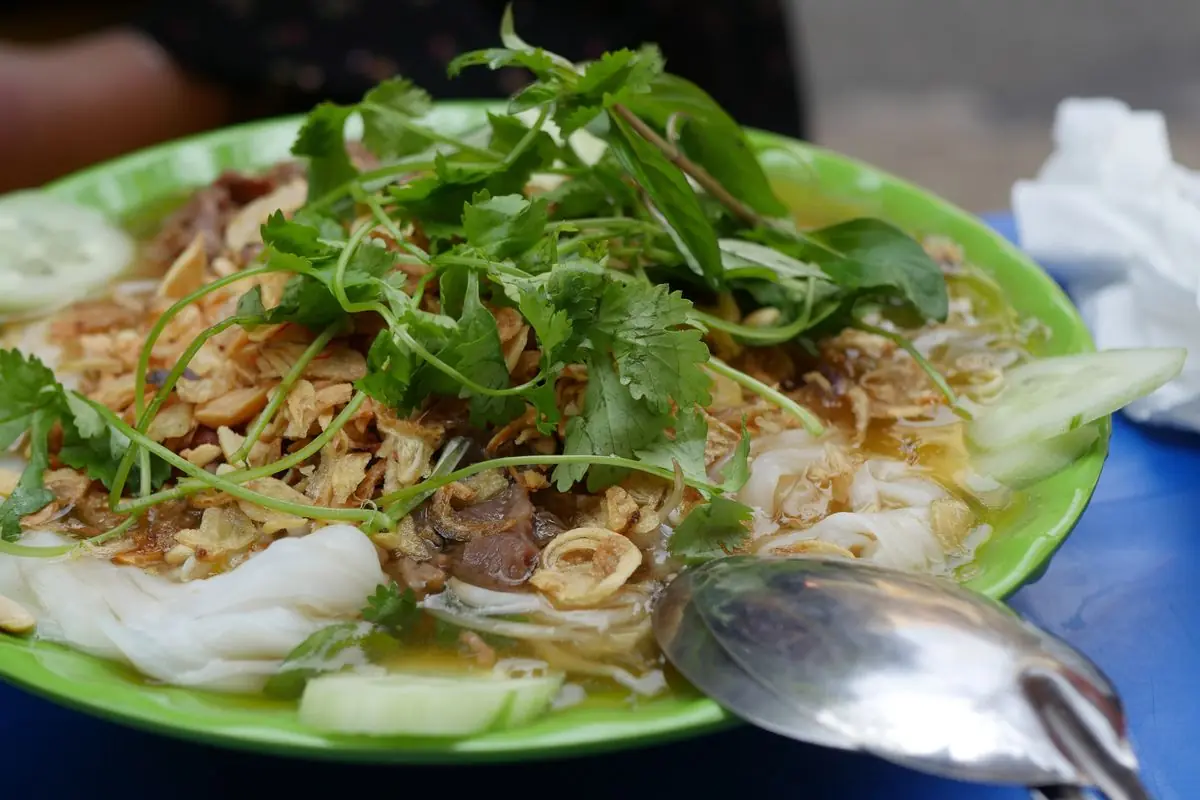
Why can fresh rươi be hard to find even during rươi season?
Eating rươi straight from the harvest means planning around the tide. If your travel dates are fixed, a restaurant using properly frozen rươi offers a more dependable way to try this northern Vietnamese specialty.
 12 min read

Chả rươi patties fried golden on both sides, served with coriander and fresh chilli.
Rươi season in 2026: two useful dates, with room for the tide
At 7:30 a.m. on 1 November 2026, the scheduled opening of Vinh Thuan’s Rươi Festival brought attention to Mieu Lac, a historic shrine with a heritage tree more than 700 years old. For visitors looking for northern Vietnam’s autumn “sea worm” specialty, the main season follows the ninth and tenth lunar months. In 2026, the two traditional dates to remember are 29 October and 13 November.
Local people often quote a saying that points to the twentieth day of the ninth lunar month and the fifth day of the tenth. Those are lunar dates. Reading them as 20 September and 5 October on your usual calendar could send you out well before the harvest you hoped to see.
| Seasonal reference | Gregorian date in 2026 | What it means for your trip |
|---|---|---|
| Ninth lunar month | 10 October-8 November | A period to check for the main late-year harvest |
| Twentieth day of the ninth lunar month | 29 October | A traditional reference for a productive tidal period |
| Tenth lunar month | 9 November-8 December | Another period to ask farms and restaurants about fresh supplies |
| Fifth day of the tenth lunar month | 13 November | The next traditional date around which to make enquiries |
| Vinh Thuan Rươi Festival | 31 October-1 November | The 2026 event at Mieu Lac, now finished |
The festival has ended, and the 13 November reference date is still ahead. That makes it a useful starting point for contacting a farmer or restaurant, rather than a guaranteed harvesting appointment.
Rươi emerge during short windows influenced by water conditions and weather. A field does not produce a visible harvest every day throughout the season. The late-2025 crop in Chi Minh was delayed by roughly a month following storms and rain, with harvesting continuing into early January 2026.
The Gregorian dates also shift from year to year because Vietnam’s lunisolar calendar does not line up with the Gregorian calendar. Lunar months contain 29 or 30 days, and some years include an additional lunar month. The traditional saying stays the same; the dates in your travel planner need updating.
What is rươi, and what should you order first?
Rươi are bristle worms belonging to the family Nereididae, with the scientific name Tylorrhynchus heterochaetus. They live in muddy brackish environments, including riverbank fields and estuary areas.
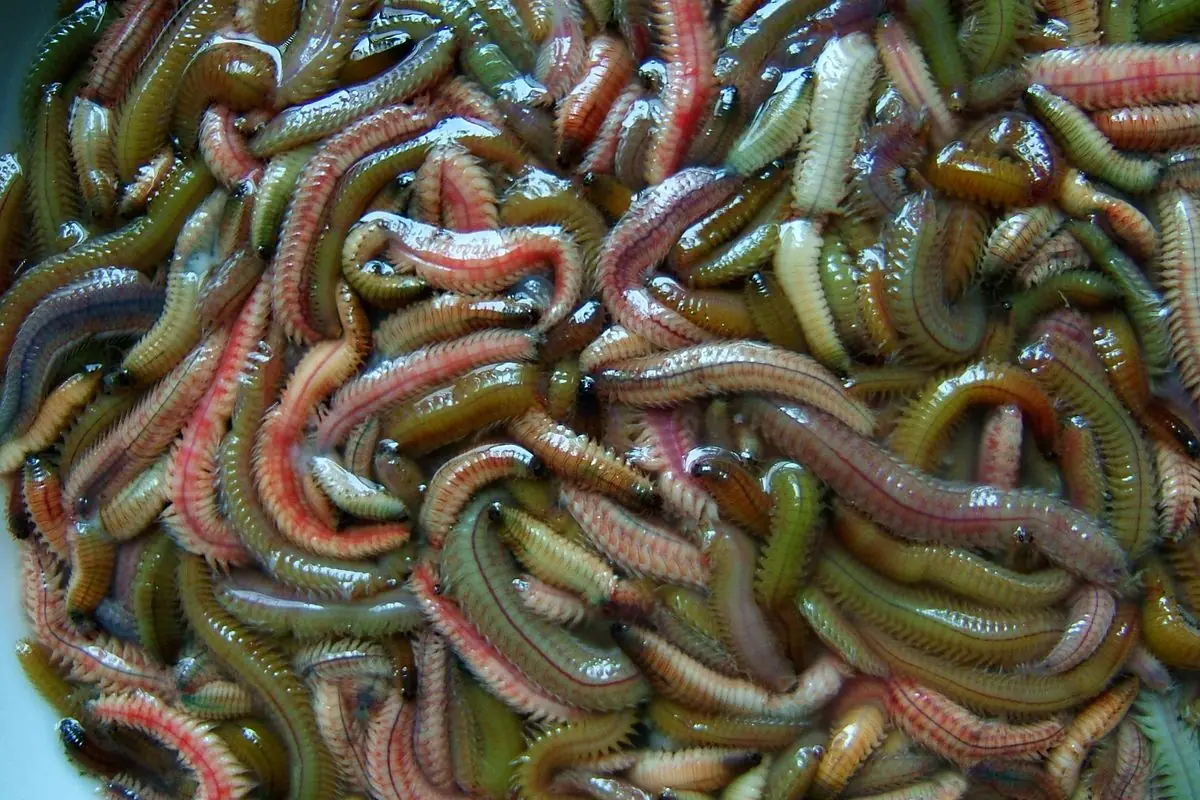
“Sea worm” is a common English description, but it can give visitors the wrong idea about where to go. A rươi trip here is more likely to take you to a riverside farming area than to a beach or fishing harbour.
There are harvest periods around May-June as well as later in the year. The ninth and tenth lunar months are the main seasonal reference for visitors planning an autumn food trip.
Chả rươi is usually the most approachable first dish. The worms are mixed with ingredients such as minced pork, egg, dill, shallots and seasoning, then fried into patties. Tangerine peel gives the mixture a distinctive fragrance. Once cooked, the patty looks quite different from the fresh worms you might see at a farm.
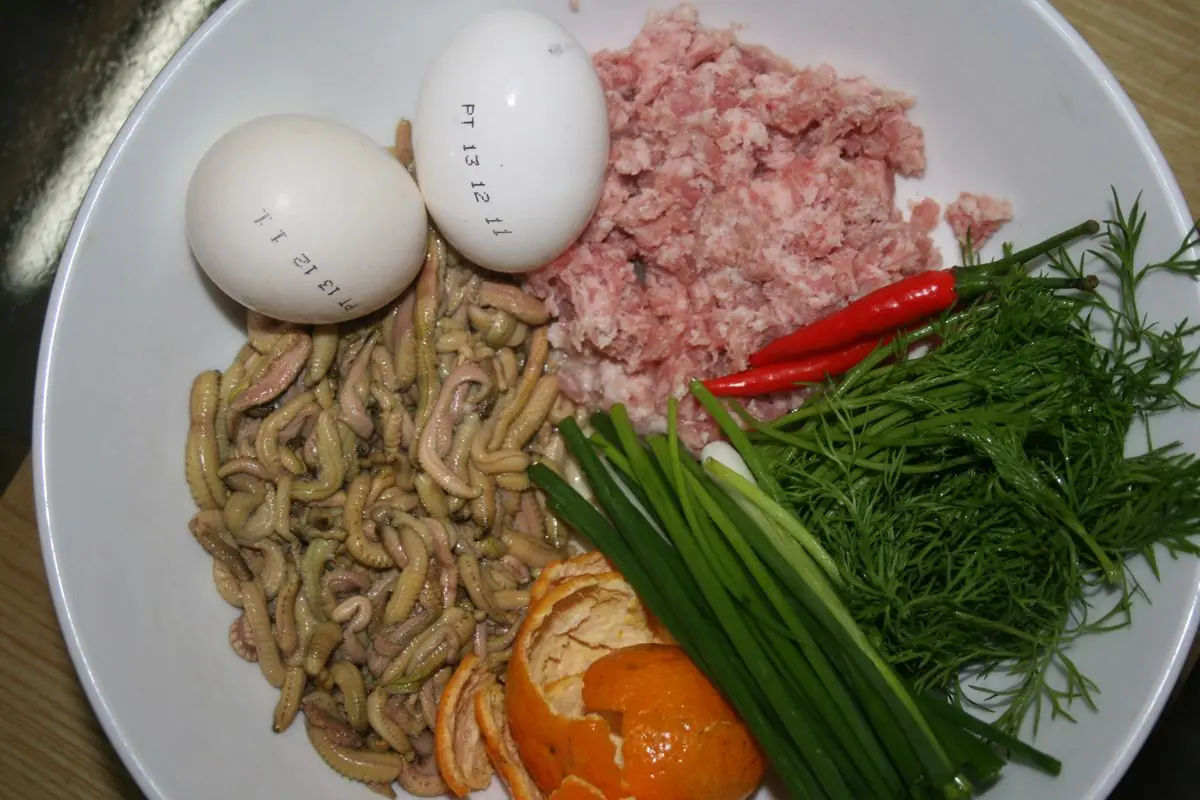
For two people, one serving with rice or noodles is a reasonable starting order. You can add another dish if you enjoy it. This is a way to avoid ordering too much, not a way to test whether you have an allergy.
Rươi kho, a slow-cooked preparation, suits people who enjoy rich, savoury dishes with rice. Nem rươi comes in fried rolls that are easy to share. Canh rươi is a soup option if you would rather not order an entire meal of fried food.
Mắm rươi is fermented and has a stronger smell and flavour. Someone who likes a fried rươi patty will not necessarily enjoy a jar of the fermented product. Ask the intended recipient before buying it as a gift.
The ingredients matter for dietary restrictions. Chả rươi commonly contains pork and egg, so it is neither a vegetarian dish nor necessarily suitable for someone who eats seafood but avoids meat. Ask the restaurant about its actual recipe.
Finding the former Hai Duong rươi areas on today’s map
Names such as Tu Ky, Thanh Ha and Vinh Bao still appear in conversation, product labels and older travel articles. Following the 2025 administrative changes, the areas discussed here are within Hai Phong.
Keep both the familiar regional name and the current commune name when searching. A restaurant in the former Hai Duong city centre and a hotel near Hai Phong’s historic city centre may now share the same city name in their addresses, but they are not in the same neighbourhood.
Chi Minh: a good starting point for Tu Ky rươi
The present Chi Minh Commune was formed from the former communes of Chi Minh, An Thanh and Van To in Tu Ky District, taking effect on 1 July 2025.
This is a useful destination if you specifically want to explore the area associated with rươi Tứ Kỳ. Harvesting takes place along the Thai Binh River and in managed fields where water is regulated. Cong Soi, a local sluice, is associated with bringing water into the rice-and-rươi farming area.
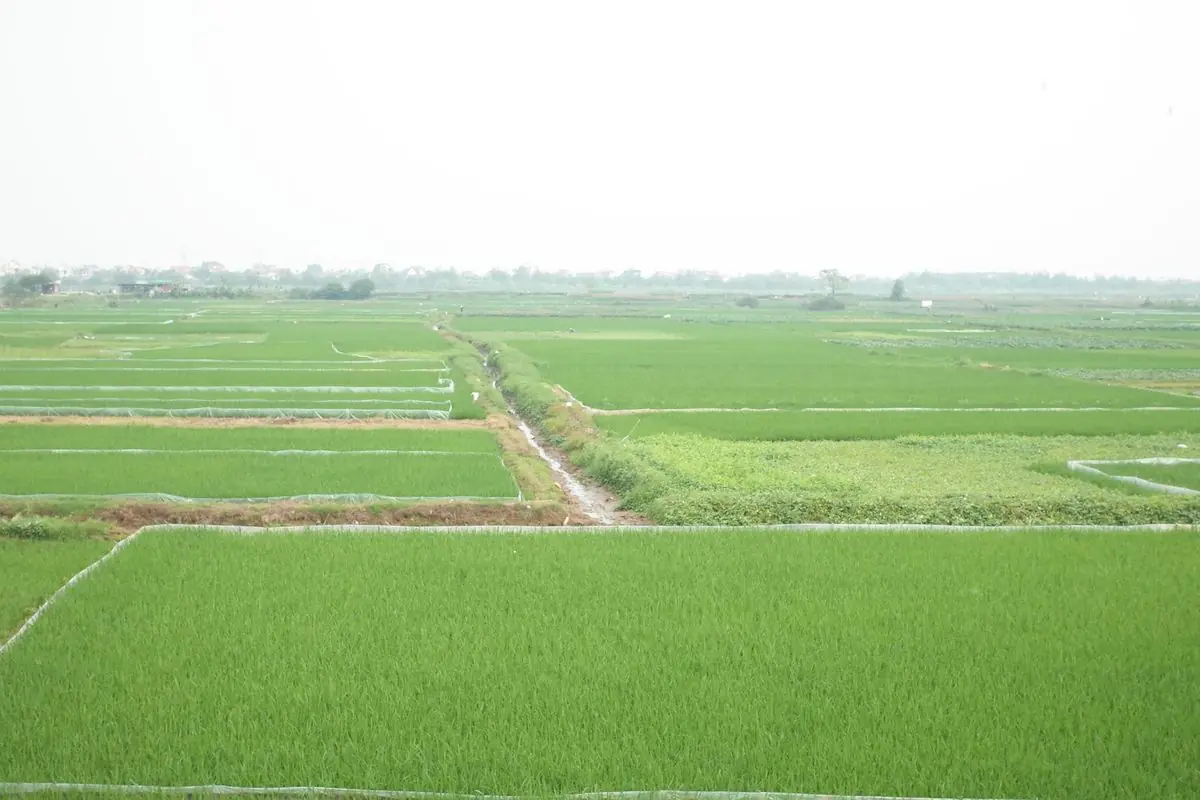
One possible contact is Hợp tác xã Du lịch, bảo tồn rươi cáy An Thanh, the An Thanh cooperative involved in tourism and rươi conservation.
Explain whether you want to buy food, visit a field or watch a harvest. These may involve different meeting points and different arrangements. Ask for a map pin to the agreed entrance rather than simply navigating to the commune centre.
Vinh Thuan: the former Vinh Bao growing area
Vinh Thuan Commune was formed from Vinh An, Giang Bien and Dung Tien in the former Vinh Bao District. Its rươi areas are associated with the Luoc and Thai Binh rivers, while “rươi Vĩnh Bảo” remains a familiar product name.
Mieu Lac hosted the 2026 Rươi Festival on 31 October and 1 November, with cultural activities, a cooking competition and local products.
Outside festival dates, do not assume the food stalls remain in place. Mieu Lac is a useful landmark, but it is not a permanent guarantee of freshly cooked chả rươi or a farmer selling beside the gate.
For an ordinary weekday visit, arrange a seller or farm contact first.
Ha Dong: an option in the former Thanh Ha area
Ha Dong Commune incorporates Thanh Hong, Vinh Cuong and Thanh Quang from the former Thanh Ha District. Local rươi and cáy harvesting areas include Kien Tu, Thuan Thieu, Thanh Cuong, Vinh Ninh and Lap Le.
Vinh Lap Cooperative is another name you may encounter when looking for rươi products from this area.
Ha Dong makes sense if you already have a contact there or it fits your onward journey. There is little reason to visit all three growing areas in one day simply to buy a kilogram of rươi. Choose the place that has confirmed stock and a practical collection time.
Where can you eat chả rươi in Hai Phong?
A named restaurant to contact is Tuấn Rươi Tứ Kỳ, 60 Trương Hán Siêu, Hải Dương Ward, Hai Phong, in the former Hai Duong city centre.
The menu includes rươi dishes such as patties with noodles, spring rolls, soup and sticky rice served with slow-cooked rươi. The restaurant also offers products to take away.
Ask which dishes are available on your chosen date. If fresh seasonal rươi is the reason for your visit, ask whether that day’s dish uses newly harvested or frozen ingredients. Proper freezing allows restaurants to serve rươi outside the brief harvest windows.
A useful enquiry covers four things: availability, ingredients, price per serving and service time.
Ask the restaurant itself for 2026 menu prices and daily opening hours. Arrange a specific mealtime with the restaurant before building the rest of your day around it.
If you are staying near Hai Phong Opera House or Cat Bi Airport, check the route to 60 Trương Hán Siêu in Hải Dương Ward carefully. This is not a restaurant within walking distance of the old Hai Phong city centre.
For takeaway products alone, a cooperative or processor near the growing area may be more convenient. Ask whether the product is fully cooked, partly prepared or raw, and what refrigeration it needs during the journey.
How much does rươi cost?
The most useful distinction is between a farm-gate transaction and a small retail purchase.
A trader buying a large harvest directly from a field is not buying the same service as a visitor collecting a cleaned, portioned and chilled box. Packaging and delivery may also be charged separately.
The following figures identify the seller, year and type of sale. The 2025 retail figures are historical comparisons, not current offers.
| Seller | Product and sales context | Recorded price |
|---|---|---|
| Tran Van Sung’s household, Trai Vuc, Chi Minh | Fresh rươi sold at the field, from a harvest approaching two tonnes | VND 130,000/kg, evening of 30 October 2026 |
| Nguyen Thi Ha’s household, Trai Vuc, Chi Minh | Fresh rươi sold at the field, from a harvest approaching 30 kg | VND 140,000/kg, evening of 30 October 2026 |
| Farm owner Xuan Hanh, former Vinh Bao area | Retail fresh rươi, smaller and larger sizes | VND 300,000 and 350,000/kg, 2025 season |
| Farm owner Hanh Hai, Lien Hoa growing area, former Kim Thanh | Retail fresh rươi | VND 250,000-300,000/kg, 2025 season |
The VND 130,000-140,000 figures describe particular transactions on 30 October. They do not establish a universal retail price for November 2026.
Prepared products such as chả rươi and rươi kho sold under the “Rươi Vĩnh Bảo” collective brand were priced at around VND 700,000-800,000/kg in 2025. This is a regional product reference, not a current quotation from Tuấn Rươi or another named shop.
Restaurants may charge by patty, plate or set. Ask how many pieces are included and whether rice or noodles cost extra.
For takeaway purchases, confirm the food’s net weight, preparation, total price and cooling arrangements. Half a kilogram of finished patties cannot be compared directly with half a kilogram of raw rươi: the patties contain other ingredients and have already been prepared.
If a seller’s price is higher than a figure you have read, ask what accounts for the difference. Size, harvest date, cleaning, packaging and delivery are more useful points of comparison than an old headline price.
Fresh, frozen or already cooked: which should you buy?
Buy fresh rươi when you can go straight to a kitchen
Fresh rươi deteriorate quickly. For a live purchase, look for intact, plump worms that are moving actively, and avoid batches containing many damaged, decomposing or broken specimens.
You need a practical plan for chilling and preparing the purchase. A day that still includes sightseeing, a long lunch and several hours in a car is not an ideal setting for carrying raw rươi.
Some farmers arrange delivery in boxes or insulated containers. Ask when the order will be packed, when it should arrive and how it will be kept cool. A seller’s estimate of how long the worms might survive is not a food-safety guarantee for every journey.
Choose frozen rươi if you want ingredients for later
An Thanh Cooperative has developed frozen rươi alongside prepared products. Frozen portions can be more practical if you want to cook after returning home.
Check the producer’s name, production date, use-by information and storage temperature. Smaller portions help avoid thawing a large pack when you only need enough for one meal.
Explain the actual travel time to the seller, including any stops. A product that starts frozen still needs suitable handling throughout the trip.
A hotel minibar should not automatically be treated as a freezer. Confirm storage arrangements before buying enough for an overnight stay.
Choose prepared patties when you want less work at home
Chả rươi and rươi kho reduce the amount of preparation you need to do yourself. They still require the storage and reheating steps specified by the producer.
Ask whether the food is ready to eat, needs reheating or must be cooked further. Collect chilled or frozen purchases near the end of your outing, shortly before departure.
For mắm rươi, choose an intact, clearly labelled container with storage instructions. Its naturally strong smell does not tell you whether it has been produced and stored correctly.
Can visitors watch a rươi harvest?
Sometimes, provided a farmer agrees and the water conditions cooperate.
Rươi harvesting is agricultural work, not a demonstration that begins at the same time every day. When the worms emerge and move with the water, farmers collect them using sluices and nets. Some harvesting happens after dark, with lamps used to check the flow.
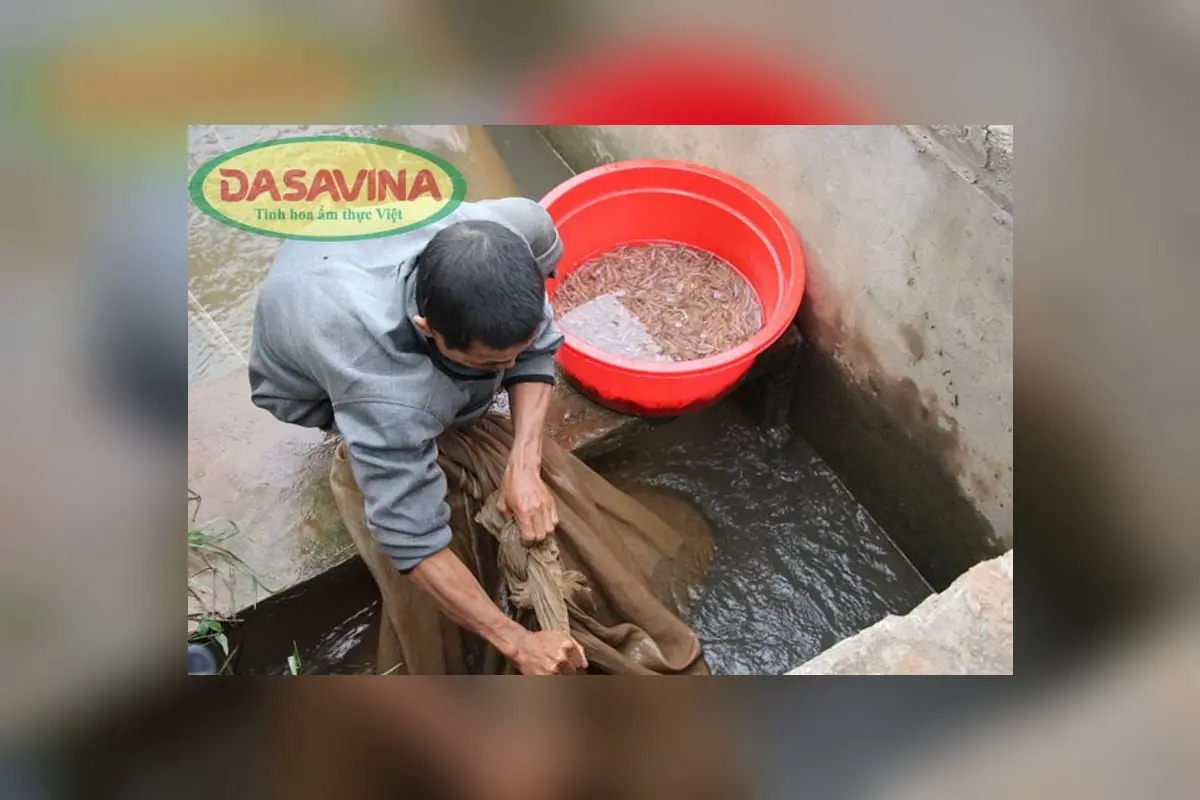
Buying and selling may continue later in daylight. Arriving early in the morning could therefore mean seeing traders collecting orders rather than watching worms enter the nets.
Before travelling, establish the expected date, the time you should arrive and whether visitors are welcome. Ask separately if you hope to participate. Permission to watch does not necessarily include entering the field or handling equipment.
Wear shoes with grip and clothes you do not mind getting muddy. For an evening visit, agree on the exit route and return transport as well as the meeting point. Stay back from sluice edges and soft banks unless the farmer directs you otherwise.
A manageable day might combine the agreed farm visit, a prearranged restaurant meal and a final stop to collect chilled purchases. If the harvest cannot be confirmed, keep the meal and drop the field visit. There is no need to spend hours waiting beside a field simply because the lunar date looked promising.
Eating rươi safely
Anyone who has previously reacted to rươi should avoid eating it again. If you have a seafood or other food allergy, seek medical advice before trying it; being a bristle worm does not establish that rươi is safe for you.
Do not use a small bite in a restaurant as a home allergy test. Even a tiny amount of a known allergen can cause a reaction. Ask about egg and other ingredients in the dish, as well as shared equipment.
Choose thoroughly cooked food made from properly handled ingredients. Spoiled rươi should not be salvaged by adding seasoning or frying for longer. Tangerine peel contributes flavour; it is not a guarantee against poisoning or allergy.
If you currently have stomach upset, leave the tasting for another occasion. For young children, pregnant travellers, older people or anyone following a medical diet, discuss suitability with the relevant healthcare professional rather than treating a seasonal specialty as something everyone must try.
Taking rươi products on a flight
Vietnam Airlines: check the packaging before buying
Vietnam Airlines limits fish sauce, fermented products and other odorous liquids to 3 litres or 3 kg per passenger.
The airline specifies plastic bottles with tightly closed, taped lids. Liquid must not exceed 95% of each bottle’s capacity, and bottles must be securely packed in a sealed foam box. It recommends checked baggage for these items and does not accept odorous items on ATR72-operated flights.
Dry ice used for cooling is limited to 2.5 kg per person and requires airline acceptance. Packaging must allow gas to escape. Checked packages must carry the required “DRY ICE” or “CARBON DIOXIDE, SOLID” marking and quantity information.
Give the seller your airline and route, then confirm the arrangement with the airline itself. Another carrier may apply different rules.
Returning to the EU
Chả rươi commonly contains pork. EU rules do not allow ordinary personal imports of meat products from Vietnam, so do not plan to bring pork-containing chả rươi home in your normal passenger luggage.
There is a separate allowance of up to 20 kg for qualifying fishery products. That does not establish that every rươi preparation, fermented jar or mixed dish qualifies. Confirm the product’s classification and applicable conditions with the relevant authority before purchasing it for travel.
Travellers returning elsewhere should check their destination’s food-import rules too. Airline acceptance concerns carriage; border authorities decide whether the product may enter the country. Vacuum packing does not change the ingredients.
If you cannot establish that a product is permitted, enjoy it during the trip instead of buying an insulated box you may have to surrender at arrival.
On a later visit outside the main season, the same approach still works: arrange the meal, ask about the ingredients and collect takeaway food just before leaving. Save the field visit for a time when a farmer can confirm the water.
Frequently asked questions
When is rươi season in Hai Duong?
In the former Hai Duong area, now within Hai Phong, the main late-year season is traditionally associated with the ninth and tenth lunar months. Actual harvests depend on water conditions and weather, so freshly harvested rươi are not available every day throughout that period.
What are the rươi season dates in 2026?
The two traditional reference dates fall on 29 October 2026 and 13 November 2026. The ninth and tenth lunar months together run from 10 October to 8 December 2026. These dates help with enquiries and planning but do not guarantee a harvest.
How much does a kilogram of rươi cost?
Recorded farm-gate sales in Trai Vuc, Chi Minh, on 30 October 2026 were VND 130,000/kg from Tran Van Sung’s household and VND 140,000/kg from Nguyen Thi Ha’s household. Retail purchases can cost more. The VND 250,000-350,000/kg retail examples in this guide come from named sellers in 2025, not a general 2026 price list.
Where can I eat chả rươi in Hai Phong?
One named option is Tuấn Rươi Tứ Kỳ, 60 Trương Hán Siêu, Hải Dương Ward, in the former Hai Duong city centre. Confirm the day’s dishes, prices and service time before travelling. Visits to producers in Chi Minh, Vinh Thuan or Ha Dong should also be arranged ahead.
Is rươi safe for someone with a seafood allergy?
It should not be assumed safe. Consult a medical professional before trying it if you have a seafood allergy, and avoid it if you have previously reacted to rươi. A small tasting portion is not a reliable or safe allergy test.