The best time to visit Vietnam for a trip across the whole country
March and April are often the easiest months for combining northern, central and southern Vietnam. A good month for the beach can be a poor one for mountain trekking.
 20 min read

A bamboo boat takes visitors through Tam Coc, Ninh Binh.
What is the best time to visit Vietnam?
You might arrive at Da Nang railway station in October expecting the same clear skies that friends are enjoying in Hanoi. That is why saying “autumn is the best season in Vietnam” does not tell you enough: March and April are usually the safest starting point for a north-to-south itinerary, while a trip focused on one region may be better in another month. Decide whether you care most about cities, beaches or mountains before you book the long flights.
The short answer: choose a month that fits your route
March to early April offers one of the most useful overlaps for a first visit covering several regions. Hanoi and Ninh Binh are generally warming up without the full force of summer, Hue and Hoi An are entering a more favorable stretch, and Ho Chi Minh City and the Mekong Delta are usually still within their drier months. You can still get rain, but a mixed itinerary runs into the fewest seasonal conflicts then.
Street food, long walks and mountain scenery in the north are at their best in October and November. Central-coast beaches suit March to May best, and summer works too for anyone who can handle the heat. The Mekong Delta and Phu Quoc are easier to visit from December to March. Travelers looking for golden rice terraces need a more specific calendar: harvesting happens at different times depending on altitude, location and the year.
The most useful decision is often not whether to go in March or April, but how much ground to cover. Vietnam is long. Trying to squeeze Hanoi, Ha Long Bay, Sapa, Hue, Hoi An, Nha Trang, Da Lat, Ho Chi Minh City and Phu Quoc into two weeks means you will spend far too much of the holiday in transit. Choose three or four geographical clusters and leave room for ordinary travel delays.
Why Vietnam does not have one perfect travel season
Vietnam stretches across several climate zones, with mountains, river deltas and a long coastline. Northern Vietnam has a noticeable winter and a hot, humid summer. The south stays warm throughout the year and is more easily understood in terms of wet and dry seasons. Parts of the central coast receive their heaviest rains at the very time that the weather is becoming more comfortable in Hanoi. A national weather icon on a flight-booking page therefore tells you surprisingly little.
This guide uses the north for Hanoi, Ninh Binh, Ha Long Bay and the northern mountains; the central coast for Hue, Da Nang and Hoi An; and the south for Ho Chi Minh City, the Mekong Delta and Phu Quoc. Nha Trang deserves a separate note because its rainy season does not precisely match Hue’s. Da Lat also deserves its own space because its elevation makes it cooler than nearby lowland cities.
The difference is not simply how many millimeters of rain fall. An afternoon shower in Ho Chi Minh City may clear before dinner. Prolonged heavy rain in Hue or Hoi An can affect low-lying streets and road journeys. Both belong under “Vietnam rainy season” in a search result, but they create very different travel problems. Think about whether rain would merely change your lunch plans or force you to cancel a boat, a trek or an entire transfer day.
The monthly guide below describes typical climate patterns. Local forecasts, wind warnings and any instructions from transport operators take priority once your departure is close.
Vietnam weather by month: north, central and south
The central column mainly refers to Hue, Da Nang and Hoi An. Nha Trang’s somewhat different pattern is noted where it matters.
| Month | North: Hanoi, Ninh Binh, Ha Long, Sapa | Central coast: Hue, Da Nang, Hoi An | South: HCMC, Mekong, Phu Quoc | Best general fit |
|---|---|---|---|---|
| January | Cool or cold, with possible drizzle and mist; much colder in the highlands | Rain can linger; cool days; Nha Trang begins improving | Dry-season sunshine, often good for Phu Quoc | South and island beaches |
| February | Cool, sometimes chilly and damp | Weather generally improving, especially later in the month | Mostly dry, warm to hot | Central and south; check Tet dates |
| March | Gradually warmer, pleasant for sightseeing | One of the easier months before intense heat | Predominantly dry but growing hotter | A full north-to-south route |
| April | Warmer with some humid days | Increasing sunshine and heat, good for beach time | End of dry season; very hot days possible | Multi-region sightseeing |
| May | Hotter and wetter | Sunny and hot; beach conditions often attractive | Wet season becoming established | Central coast and Nha Trang |
| June | Hot, humid, rain and thunderstorms | Hot and often sunny; busy domestic beach season | Regular showers, often later in the day | Central beaches with a heat plan |
| July | Humid and rainy; storm and landslide risks | Hot summer beach conditions, subject to local warnings | Rainy; rougher seas possible at Phu Quoc | Nha Trang and selected central beaches |
| August | Heavy showers possible, especially on mountain routes | Still hot, with increasing late-season weather risks | Rainy, with possible rough island crossings | Flexible city-and-coast trips |
| September | Gradually cooling; harvest season in some mountain areas | More rain and tropical storm risk | Wet season continues | Northern cities and carefully planned mountains |
| October | Often a particularly comfortable month | High rain and flood risk around Hue and Hoi An | Rain often persists, with gradual transition | Hanoi, Ninh Binh and the north |
| November | Generally cool and comfortable | Heavy rain can still affect Hue and Hoi An | Rain easing in many areas | North; south with flexibility |
| December | Cold spells and mist, especially in mountains or on Ha Long Bay | Some rain may linger; Nha Trang not always fully dry | Dry conditions becoming more established | HCMC, the Mekong and Phu Quoc |
Read down a regional column for a single destination. If you are traveling the length of Vietnam in a single month, read across the row and consider the weakest section of the route. October shows the problem: it can be a lovely month in Hanoi and a difficult one for a carefully scheduled week of outdoor activities in Hoi An. July shows the reverse. Northern mountain roads may be affected by heavy rain while the coast around Nha Trang is often sunnier.
Northern Vietnam: spring, autumn and the cold months
March to April and October to November are the windows to aim for in Hanoi, Ninh Binh and the countryside. Spring gradually warms the north, while autumn often brings more comfortable walking conditions than midsummer. This is the sort of weather that suits a morning around Hoan Kiem Lake, a visit to the Temple of Literature and another hour of wandering through the Old Quarter without having to hide from the fiercest afternoon heat.

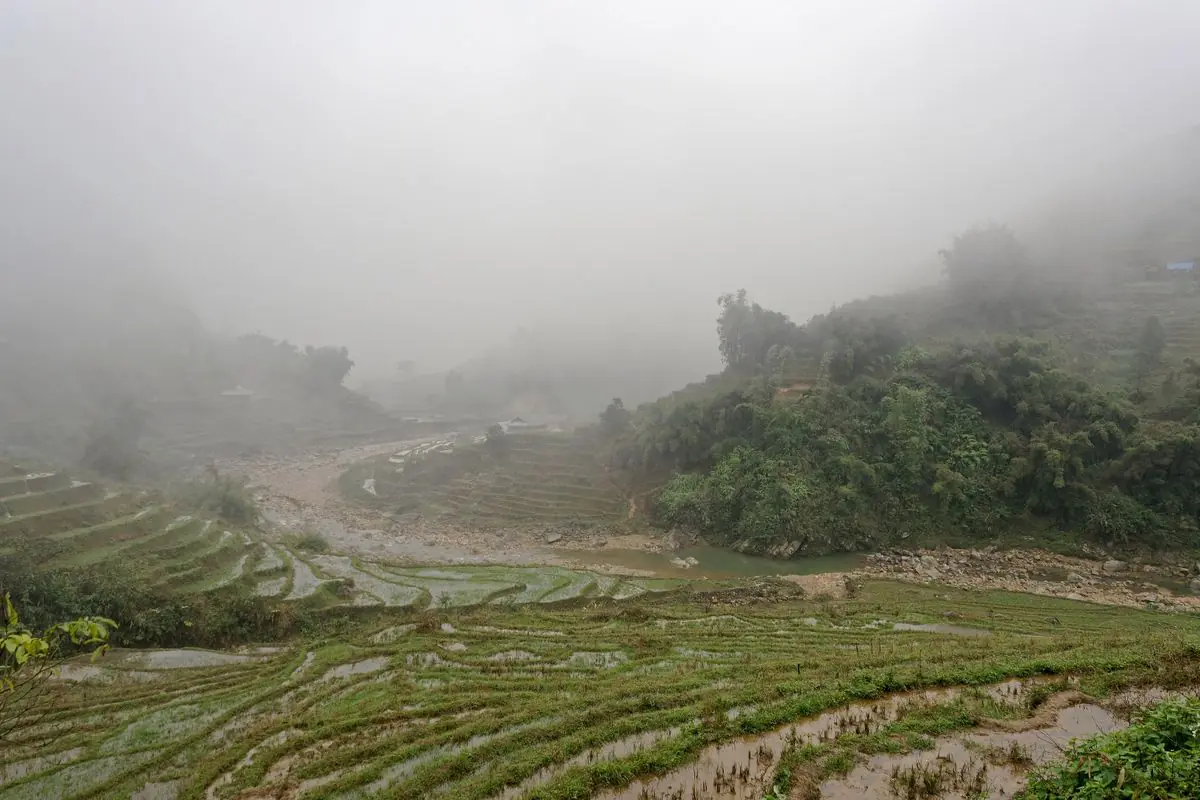
Ha Long Bay has a slightly different problem. June to August can bring storms, thunderstorms and boat disruptions, while winter often produces mist over the limestone formations. Fog has its own beauty, but you may not get the sweeping views from the photos that sold you the cruise. An overnight boat that is the highlight of your holiday should not sit right before a nonrefundable international flight. Keep an extra day in Hanoi or Ninh Binh if possible.
In Sapa, Ha Giang and Mu Cang Chai, March to May can work well for walking, while September to October can reward travelers with dramatic landscape changes and rice harvests in some areas. Exact harvesting dates differ from valley to valley. Summer rain can also affect mountain roads, and landslides are a more serious concern than whether your hiking photographs look cloudy. A local road closure means changing the route.
Central Vietnam: when to visit Hue, Hoi An and Da Nang
February to April is usually the most versatile window for Hue, Da Nang and Hoi An. It often gives you better odds for walking around historical sites, visiting cafes and adding some beach time. May through August can still be excellent for a beach-focused holiday, although temperatures can be punishing in the middle of the day. See Hue’s Imperial City early, rest over lunch, and save Hoi An’s old streets for the cooler late afternoon or evening.
The difficult stretch is usually September to December, with wet weather sometimes lingering into January or February. This is when prolonged rainfall, typhoons and flooding can interrupt travel plans in parts of the central coast. Hoi An’s historic district is close to a river and has low-lying streets, making flooding an important consideration during severe rain. In October, ask how your accommodation handles access during floods and read the cancellation terms before paying for multiple excursions.
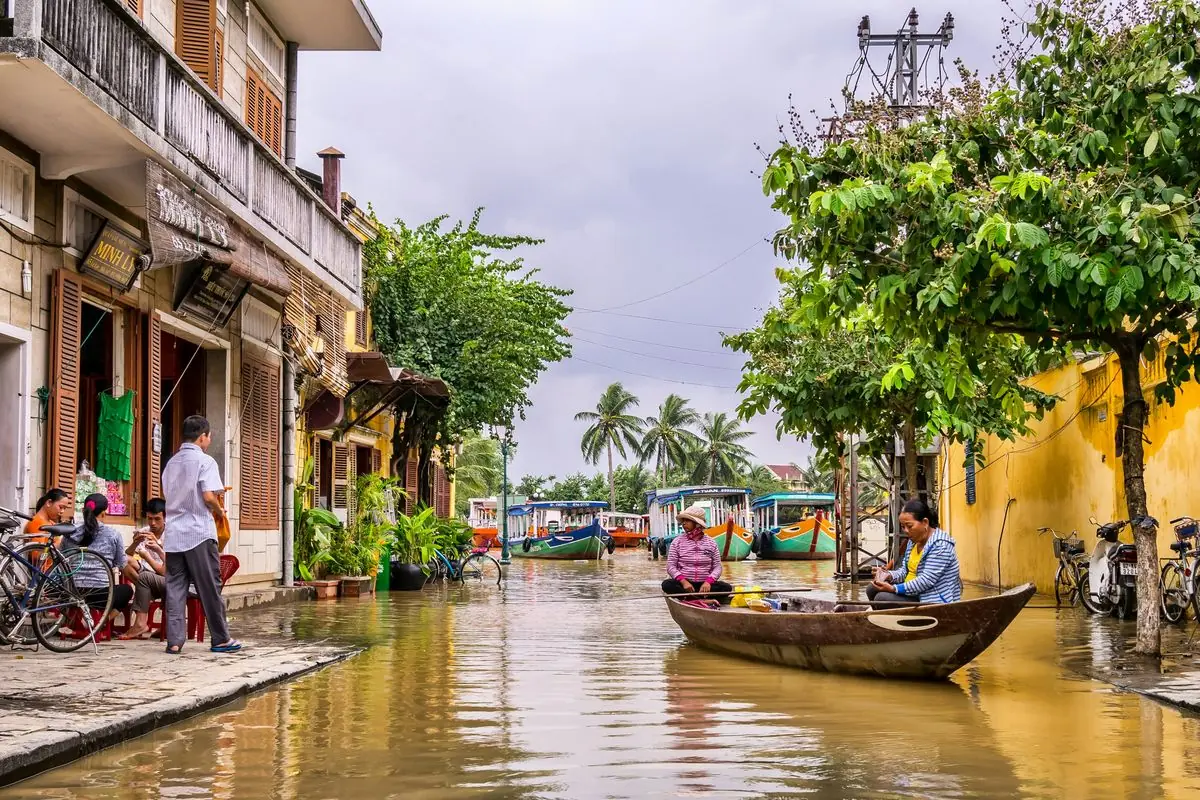
A five-night holiday is more resilient if you can move sightseeing days around. You may have booked a walking tour, a countryside bicycle trip and a boat outing; do not make all three nonrefundable simply to save a little at checkout. In a wet month, indoor activities and a flexible train or car transfer can be the difference between an enjoyable visit and several days spent waiting for conditions to improve.
Do not lump the whole central region together: Nha Trang follows a different pattern from Hue and Hoi An. Nha Trang is generally more suitable for a beach holiday from January to August, with a wetter period from September to December. In July, for example, Nha Trang may be a more sensible choice for sun and sea than a multi-day northern mountain trek. Yet favorable seasonal statistics do not guarantee calm seas on the day of a snorkeling or island-hopping trip. Boat operators and local maritime authorities make those decisions based on actual conditions.
Phong Nha and other central destinations with caves, streams and mountain routes require a further check. Heavy rain can alter water levels or tour access. A particular cave or outdoor expedition belongs in the more favorable season, and it is worth checking the operator’s weather rules before you count on it.
Southern Vietnam: dry season, rainy afternoons and islands
Ho Chi Minh City and the Mekong Delta are usually easiest for outdoor plans from December through April. You will often enjoy more settled weather, but dry does not mean cool. The city can be very hot, particularly toward the end of the dry season. An early market visit, a morning river excursion and a relaxed lunch make more sense than arranging hours of walking under the midday sun.
From about May through November, expect the south’s wetter pattern. In Ho Chi Minh City, a shower can arrive suddenly in the afternoon and disappear again, leaving plenty of time for museums, food stops and neighborhoods with good indoor alternatives. This kind of rain need not ruin a city holiday. Localized street flooding and traffic, however, can become inconvenient after intense downpours. Leave more time than usual for journeys to Tan Son Nhat Airport during bad weather or busy periods.
Phu Quoc deserves its own decision. December to March is often an excellent time for a beach break, while roughly July to September brings greater risk of rainy, windy or rough-sea conditions. The wet season still has good days; the trouble is how few spare boat days you have on a four-night stay. A very cheap island hotel stops being a bargain once the main activity you came for is off for your whole stay.
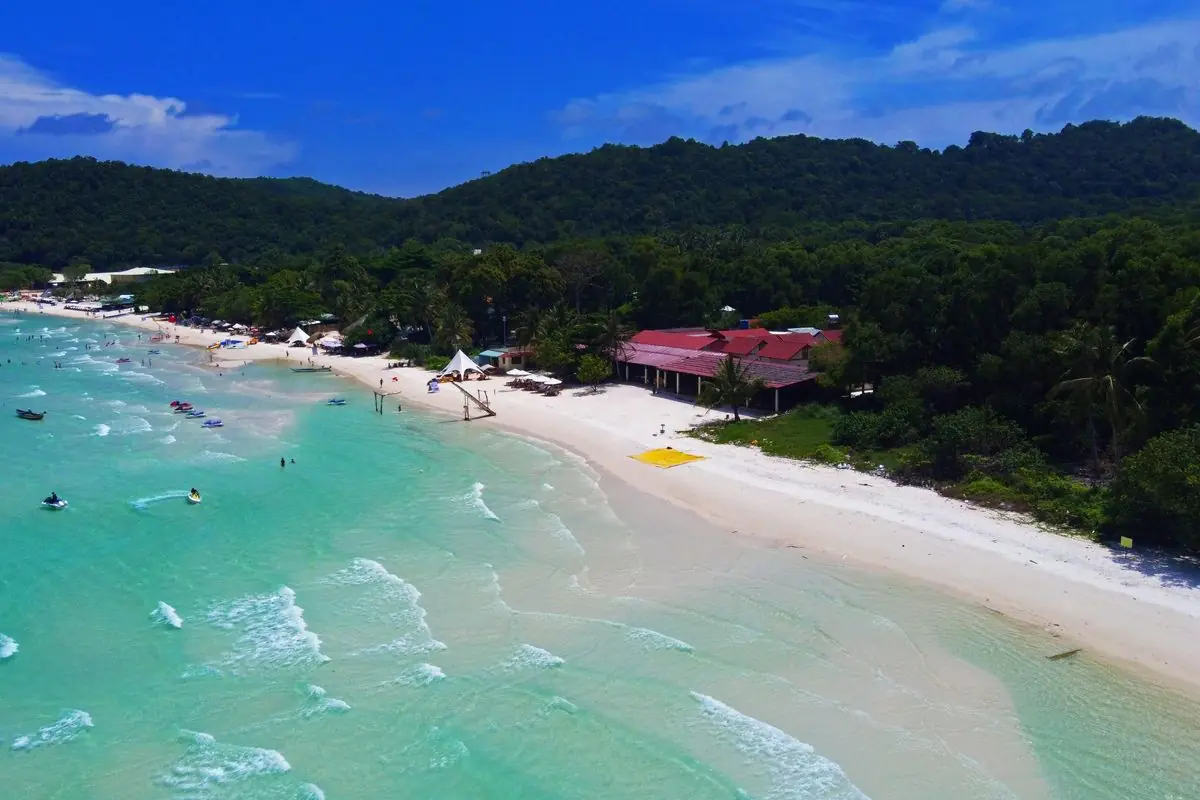
Southern Vietnam can still be satisfying in a wetter month for food, street life and cultural sightseeing. If your goal is to spend every day snorkeling or on a small boat, put far more weight on sea conditions and the season of your chosen island.
Where Da Lat fits into the calendar
Da Lat sits in the highlands, which keeps it cooler than the coast and gives it its own rain pattern. November to March generally offers more favorable weather for walks, cafes and sightseeing, while April to October tends to be wetter. The city can feel cool in the evening even when Ho Chi Minh City is hot. Do not pack for Da Lat by the temperature in Ho Chi Minh City; bring a light warm layer.
A Ho Chi Minh City-Da Lat-Nha Trang route can be attractive in the earlier part of the year, mixing cities, cooler hills and beach time. In July, it is better to keep indoor alternatives in Da Lat and place sea activities around Nha Trang only when the forecast and operator conditions allow. Mountain road journeys also deserve a margin for heavy rain and reduced visibility.
When is Vietnam’s rainy season?
The phrase Vietnam rainy season hides several calendars. In the north, much of the heavier rain comes during the hot period, roughly May to September. In central coastal destinations such as Hue and Hoi An, the wetter and more disruptive season is weighted toward September to December, sometimes spilling into the early months of the following year. In the south, May to November is the usual rainy-season window. Nha Trang, Phu Quoc and Da Lat have local patterns that should be checked individually.
Museums, food markets, coffee stops and leisurely urban itineraries can work perfectly well around showers. Some travelers even prefer the quieter atmosphere. The risk depends on whether your essential activity needs a safe sea crossing, clear mountain access, low river levels or a tight connection between transport services. When the whole trip is built around an island boat, a long hike or an overnight cruise, the consequences of severe weather are much bigger.
Vietnam typhoon season and the months to approach carefully
Tropical storms and typhoons in the South China Sea do not follow a fixed timetable or affect only one part of Vietnam. The north and the Gulf of Tonkin can be affected in summer and early autumn. On the central coast, September to November is a particularly important risk period, especially if your route includes Hue, Da Nang and Hoi An. Heavy rain and floods can also develop without a direct typhoon landfall. The precise risk varies from year to year, and storms can occur outside these months.
Before leaving, check Vietnam’s national meteorological forecasts, local government announcements, port authority notices and updates from your actual train, ferry or cruise operator. Conditions can change during a single day. Read your travel insurance carefully, too: check that weather disruption, cancellations and the specific activities you have booked are covered.
You may see a forecast suggesting fewer storms than usual in a particular year. Such a forecast covers the whole season and says little about your particular week. Even a relatively quiet season can contain a damaging event. On a trip with islands, cruises and mountain roads, building in flexibility is part of the preparation.
Should you visit Vietnam during Tet?
Yes, if you want to experience the holiday and are comfortable with a different pace of travel. Tet, the Lunar New Year, brings flower displays, decorated streets and an atmosphere unlike an ordinary week. Some family-run restaurants and shops close, opening hours change and demand for long-distance transport increases. Beach destinations can also become busy with domestic travelers. Turning up at a station for a next-day ticket is a gamble at this time of year.
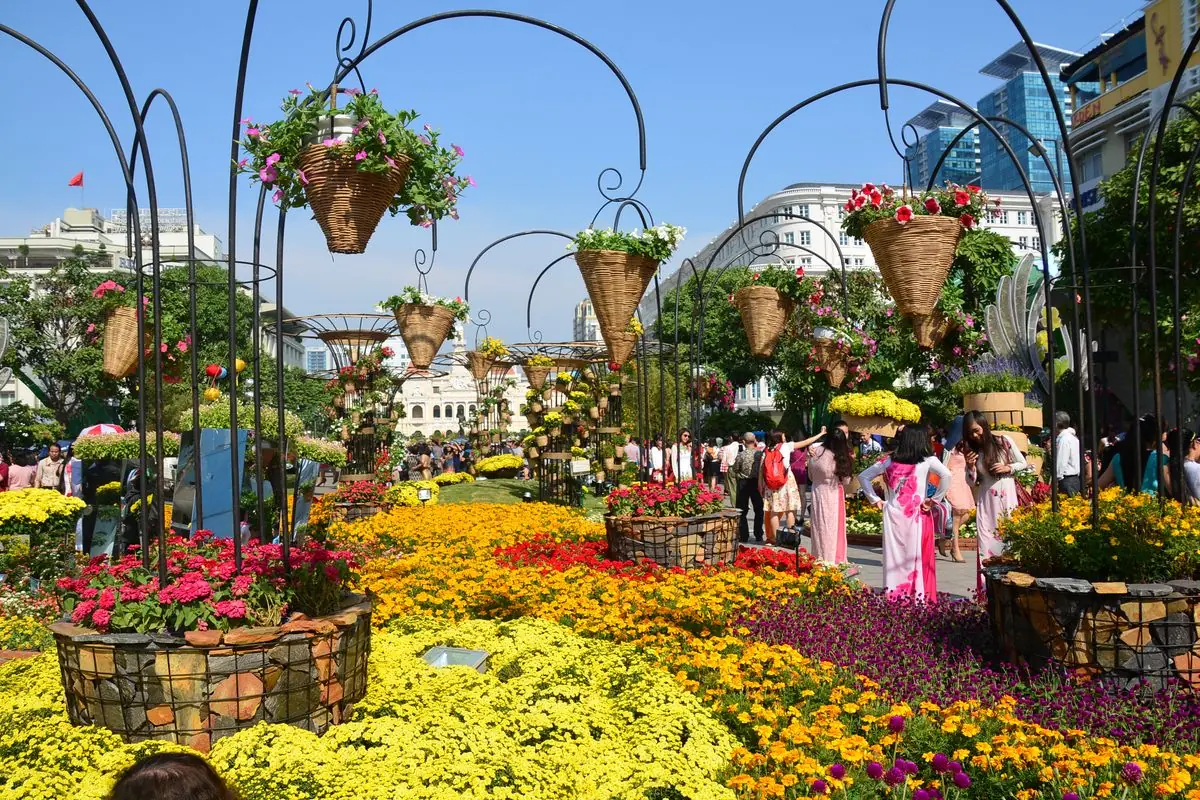
Travelers curious about Tet itself should stay in one city for several days, reserve their accommodation and ask the hotel which nearby restaurants will be operating. Quiet streets in the first days of the year are part of the experience. Racing between six cities in ten days by train, bus and plane goes more smoothly on other dates or after the busiest travel period.
Museums, restaurants, flights and buses set their own operating times. Confirm the service you need directly, since not every business reopens on the same morning.
Public holidays and other crowded travel periods
Tet is the biggest date to check, but not the only one. Vietnam also has New Year’s Day, Hung Kings Commemoration Day, April 30 and May 1, National Day in September and long weekends that send domestic travelers toward beaches and mountain resorts. The summer school break also adds visitors to popular coastal destinations, especially on weekends.
For 2027, the announced public-sector holiday periods include January 1-3, February 4-10 for Tet, April 16-18 for Hung Kings Commemoration Day, April 30-May 3, and September 2-5 for National Day. Vietnamese Culture Day on November 24, 2027 is also a one-day public holiday. Employers and services may have different operating arrangements, so the official break mainly tells you when demand will rise.
Book accommodation and transport earlier than usual for a weekend cruise on Ha Long Bay, a Sapa trip or a few days in Phu Quoc during one of these breaks. You can still travel over these holidays; just do not count on quiet beaches or last-minute bargains, however good the weather.
When is Vietnam cheaper to visit?
There is no single cheapest month for all of Vietnam. Hotel rates, domestic flights, trains and tours depend on the exact destination, the day of the week, international demand, local holidays and booking conditions. Some periods around May to June or September to November may offer softer prices for certain destinations. The trade-off is that one region’s lower-demand season may coincide with its worst weather. A bargain room in Hoi An during heavy rain is no saving at all for someone who came to spend every day outdoors.
Three windows balance value and comfort: early May on the central coast, before the busiest summer travel periods; late September or October for Hanoi and Ninh Binh, provided forecasts are suitable; or early December in southern Vietnam before some year-end holiday peaks. They are worth searching first, though whether prices drop or rooms are free still depends on when you book.
Compare like with like. A lower room rate may have stricter cancellation rules or exclude breakfast; a cheap flight may not include checked luggage or changes. Without a named hotel, operator and travel date, a universal figure such as “Vietnam costs a fixed amount per day in 2026” will throw your budget off. Flexible booking conditions can be worth more than the lowest headline price on a storm-sensitive itinerary.
An easy way to avoid unnecessary expense is to reduce backtracking. A journey that crosses the country twice adds transfers and possible disruption. Choosing a sensible southbound or northbound route is often more effective than chasing a small discount on every single hotel night.
Sample itineraries for different months
March and April: a 14-18-day north-to-south trip
Start with three days in Hanoi, then add two days in Ninh Binh or one to two days on Ha Long Bay. Continue to Hue for two days, spend three days around Da Nang and Hoi An, and finish with three days in Ho Chi Minh City plus one or two days in the Mekong Delta. With only two weeks, pick either Ha Long or Ninh Binh, or shorten one central stop. Do not turn every destination into a rushed afternoon. A long travel day still uses a day of your holiday.
This route is popular for a reason: it gives you cities, countryside, history and food without demanding ideal beach conditions at every stop. Keep your Ha Long boat booking reasonably flexible, and avoid connecting from an overnight cruise directly onto an international flight. Dates that overlap the late April holidays need checking before you fix domestic transfers.
June to August: a 7-10-day central-coast break
A Da Nang-Hoi An-Hue itinerary mixes beaches and historic sites, while a Nha Trang-Cam Ranh trip puts more emphasis on the coast and a slower rhythm. This is a better approach for travelers happy with heat than for people who want cool hiking weather. Sightsee early, take a break during the hottest hours and return outside later in the afternoon. Choose accommodation based on how easy it is to get around, not just the pool photographs.
Summer can be a busy domestic beach season. Island boats run only when conditions and the operator’s safety checks allow. Travelers who struggle with humidity do better with fewer stops and longer stays in one place.
September to November: an 8-12-day northern adventure
Choose Hanoi-Ninh Binh-Sapa for a combination of city, limestone scenery and highlands, or Hanoi-Ha Giang-Cao Bang if you have enough time and road conditions allow. September can be rewarding for landscapes, but it also requires careful attention to heavy rain and mountain-road warnings. October often offers a better balance for walking and sightseeing. A Ha Long Bay extension is possible, with the usual weather contingency for boats.
Avoid automatically adding Hue and Hoi An to the same trip simply because they sit along the classic north-to-south route. The best weather in Hanoi can coincide with the central coast’s wettest period. Spend that time exploring the north more deeply, or consider a southern city stop if the forecast and your interests support it.
December to February: an 8-12-day southern holiday
Try three days in Ho Chi Minh City, two days around Can Tho or another Mekong Delta base, and three or four days on Phu Quoc. You can add Da Lat for cooler air if you have more time. This route works well for travelers who want warm weather and a mix of markets, river scenery and beach days rather than a long list of domestic flights.
Adding Hanoi in January means packing winter clothing and expecting possible mist over Ha Long Bay. On a February 2027 trip, keep Tet on February 6 in mind. The week around it deserves special attention when planning long-distance transport and accommodation.
Only have seven days? Pick one region
January and February: the south and Phu Quoc are strong choices for sunshine, while the central coast gradually becomes easier from February. The north suits travelers comfortable with cool or cold weather. March and April: almost any region can work, but seven days is still too short to do justice to the whole country. May through August: central beaches and Nha Trang are appealing if you can handle heat. September through November: focus on northern Vietnam, with October often particularly pleasant. December: choose the south and Phu Quoc for a beach-oriented holiday, or the north if you want a cooler city experience.
Do not cancel an entire trip just because a ten-day weather forecast displays a rain icon. Check the likely timing, intensity and duration of rainfall, along with wind conditions. An afternoon shower is not the same as three days of severe rain. Equally, do not ignore a typhoon, flash-flood or landslide warning because a general travel guide says your month should be sunny.
Best time to visit Vietnam and Thailand on one trip
February and March often give a useful balance for an itinerary combining both countries. Central Vietnam is generally entering more favorable conditions, southern Vietnam is mostly in its dry season, and northern Vietnam is emerging from its coldest period. Meanwhile, Bangkok, Chiang Mai and Thailand’s Andaman coast, including Phuket and Krabi, are usually within their drier part of the year. November and December can also work well when you focus on northern or southern Vietnam; Hue and Hoi An are unlikely to be sunny then.
Thailand has its own important regional split. On the Andaman coast, including Phuket, Krabi and the Phi Phi Islands, heavier southwest-monsoon weather commonly falls around April to October. On the Gulf coast, including Koh Samui, Koh Phangan and Koh Tao, the wetter period is more concentrated around September to December. A November plan that pairs Hoi An with Koh Samui to dodge the rain can end up with bad weather in both.
For a sixteen-day holiday in March, one option is Hanoi-Ninh Binh-Hoi An-Ho Chi Minh City, followed by Bangkok-Krabi. Alternatively, remove one Vietnamese region to spend longer in Thailand. Trying to fit three regions of Vietnam and both Thai coasts into one short trip will use up a disproportionate number of days moving between airports, terminals and hotels.
Once your Thai beach is fixed, let its climate guide your Vietnam stops. A traveler committed to Phuket in February has more flexibility for central Vietnam than someone committed to Koh Samui in November. The countries are close on a map, but that does not mean their coastlines share exactly the same seasons.
A practical booking checklist
Start by writing down your non-negotiable destination. Is it Ha Long Bay, a trek near Sapa, the old streets of Hoi An or Phu Quoc’s beaches? Match the month to that place first. Next, check whether the rest of the route fits the same season, then look at Vietnam’s holiday calendar and the school or public holidays in the country where you are flying from. International airfare is influenced by both ends of the journey.
After that, review the cancellation rules of weather-sensitive bookings: cruises, island transfers, hiking tours and remote accommodation. Leave a reasonable buffer before international flights and any activity that cannot easily be moved. Mountain roads, trains and boats all need slack, and a timetable packed perfectly on paper may feel uncomfortable in practice.
Finally, as your travel dates approach, move from climate averages to current forecasts. Follow official storm information, ferry and cruise notices, airport advisories and guidance from your accommodation. A small adjustment, such as spending one extra night in a city instead of crossing to an island during bad weather, can protect the rest of your holiday.
Traveling over Tet 2027, set yourself a deadline: book your key long-distance tickets and hotel rooms by 6:00 p.m. Vietnam time on December 15, 2026 to keep plenty of choice. For an ordinary first-time journey across Vietnam, start with March or April, then choose the train, flight and overnight stops that make sense for each region.
Frequently asked questions
What is the best month to visit Vietnam?
March and April are among the easiest months for a trip across northern, central and southern Vietnam. Hanoi and the northern mountains are well worth visiting in October and November. For Hue, Da Nang and Hoi An, look at February to April; for Ho Chi Minh City and Phu Quoc, consider December to March. The answer changes if you are traveling mainly for trekking rather than beaches.
When is the rainy season in Vietnam?
Northern Vietnam's wetter summer is broadly May to September. In southern Vietnam, rain is more common around May to November, often as afternoon showers. The central coast around Hue and Hoi An gets heavy rain from about September to December, sometimes into the start of the new year. Nha Trang, Da Lat and Phu Quoc follow their own patterns, so check the forecast city by city.
Is Tet a good time to travel to Vietnam?
Yes, as long as you enjoy the festive mood and can stay flexible. Expect busy transport, changing opening hours and some businesses closed for several days. Tet falls on February 6 in 2027, and the announced public-sector break is February 4-10. Book your room and important transfers early, and stay in one city for a few days instead of moving constantly.
What is Vietnam's weather like in December?
December can be cold and misty in northern Vietnam, especially in Sapa and sometimes on Ha Long Bay. Hue and Hoi An can still get heavy rain, and Nha Trang may not have dried out yet. Ho Chi Minh City, the Mekong Delta and Phu Quoc, on the other hand, are usually moving into the dry season, which makes the south a good pick for winter sun.
When should I visit Vietnam and Thailand together?
February or March offers a strong balance for central or southern Vietnam plus Bangkok, Chiang Mai, Phuket or Krabi. In November or December, check the rain patterns for Hue and Hoi An as well as Thailand's Gulf islands, particularly Koh Samui. The Andaman and Gulf coasts have different rainy seasons, so your choice of Thai beach matters.