When to visit Ha Long Bay: check the weather and choose the right month
In December, Ha Long Bay has average daily highs and lows of around 22°C and 17°C, but little rainfall doesn't necessarily mean clear skies. Check the monthly weather before choosing your cruise dates, planning water activities, and packing for the wind on deck.
 22 min read

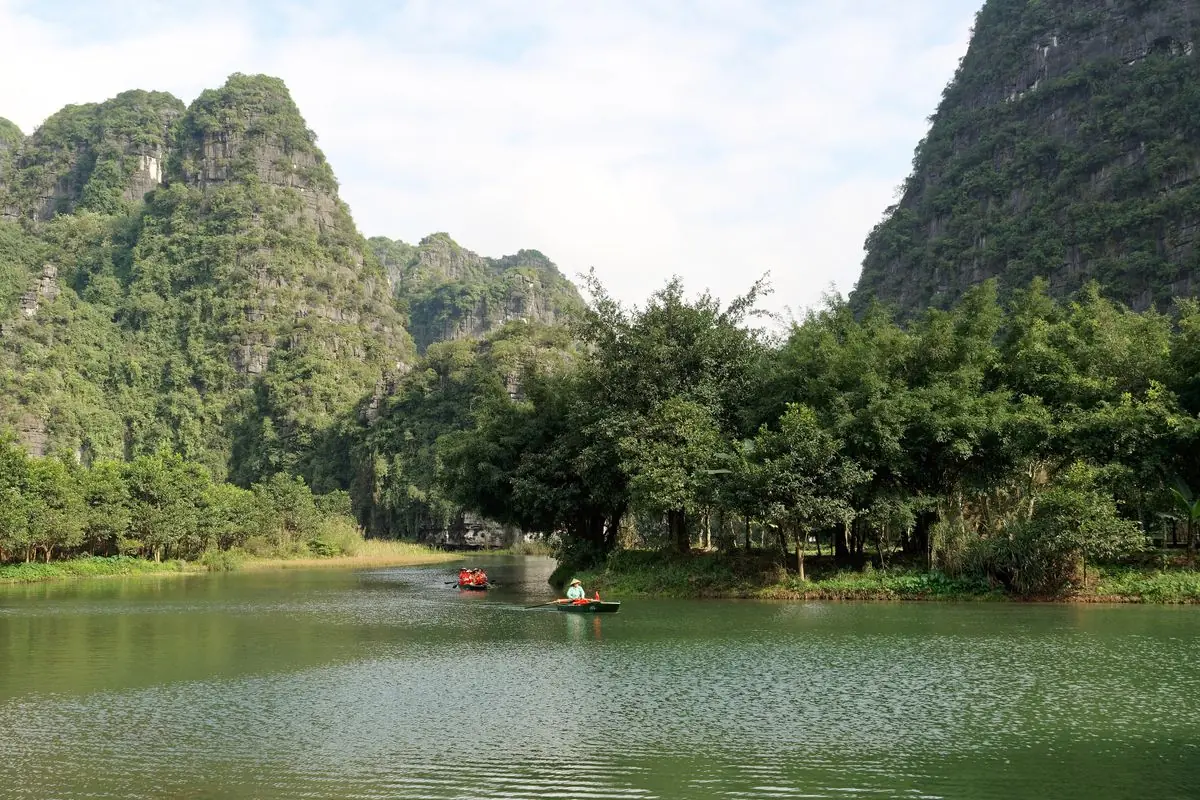
A late-November day on Ha Long Bay, clear enough to see the distant line of limestone islands on the horizon.
At 7 AM on a winter morning, the limestone islands of Ha Long Bay may appear as faint gray shapes behind a curtain of mist. On a clear October day, those same islands reveal their steep cliffs and the stretches of blue-green water between them. For the best chance of wide, clear views, aim for October-November or April-May. If your Northern Vietnam itinerary falls between December and February, the bay is still worth visiting, but you’ll need warmer clothes and some flexibility around fog.
Ha Long Bay weather by month: temperatures and rainfall
Ha Long Bay has hot, humid summers with substantial rainfall and cooler, relatively drier winters. Bai Chay, Hon Gai, and the waters surrounding the bay share the same general climate, although the weather can feel quite different on land and aboard a boat.
In Bai Chay, you can step into a café or restaurant when the wind picks up. Out on the bay, particularly on the open deck of a moving cruise boat, there’s much less shelter. A temperature of 20°C can feel surprisingly chilly after you’ve been sitting outside for a while.
The table below gives you an overview of what to expect throughout the year.
| Month | Avg. daily high/low | Avg. rainfall | What to expect |
|---|---|---|---|
| January | 20/16°C | 39 mm | Cool to cold, cloudy, possible fog |
| February | 21/17°C | 28 mm | Cool and damp, occasional drizzle and mist |
| March | 24/20°C | 39 mm | Warmer, although visibility can remain limited |
| April | 27/23°C | 66 mm | Pleasant for sightseeing and kayaking |
| May | 31/26°C | 185 mm | Hotter, warming water, increasing rain |
| June | 33/28°C | 266 mm | Hot and humid, with showers and thunderstorms |
| July | 33/28°C | 306 mm | Hot, rainy, and important to monitor storms |
| August | 32/27°C | 461 mm | Highest average rainfall in the table |
| September | 32/26°C | 309 mm | Still hot, with rain and possible typhoons |
| October | 29/24°C | 147 mm | More comfortable, often good for sightseeing |
| November | 27/21°C | 37 mm | Mild, relatively little rain, often good visibility |
| December | 22/17°C | 19 mm | Cool to cold, lowest rainfall in the table |
Data note: Figures are calculated from ERA5 historical weather data through Open-Meteo for the Bai Chay - Hon Gai area, covering 2016-2025. High and low temperatures are averages of daily maximum and minimum temperatures. Monthly rainfall represents the average monthly total across the ten-year period. These are historical climate averages, not forecasts for specific travel dates.
There are two important things to understand before using this table to choose your trip.
First, December has the lowest average rainfall, at just 19 mm, but that doesn’t guarantee blue skies. Winter fog, low clouds, and overcast conditions can reduce visibility without producing much measurable rain. You could spend an entire morning outside without opening an umbrella and still struggle to see the islands farther away.
Second, August having the highest rainfall doesn’t mean it rains every day or that August necessarily has the most typhoons. Heavy rain, ordinary showers, and tropical storms are different things. Some August days can be sunny and beautiful, while a cruise scheduled near an approaching typhoon may need to be changed completely.
When is the best time to visit Ha Long Bay?
October and November are among the best months to visit Ha Long Bay if your main priorities are limestone scenery, photography, and spending time on a cruise boat.
By then, the intense summer heat has eased, rainfall has generally decreased, and the weather often provides good opportunities for clear views. You can enjoy the open deck without dealing with the strongest summer sun or the colder winds of midwinter.
April and May are also excellent choices, particularly if you’d like to combine sightseeing with activities on the water. April usually offers more comfortable temperatures, while May feels noticeably warmer and is more appealing for swimming.
Still, the best season depends on what you’re planning to do.
| Your main activity | Months to consider | What to keep in mind |
|---|---|---|
| Photographing limestone islands and clear scenery | October-November | Late November can become cooler and windy |
| Cruising and kayaking comfortably | April-May, October | May brings increasing heat and rainfall |
| Swimming and water activities | May-June, September to early October | Showers, thunderstorms, and rough weather remain possible |
| Enjoying misty scenery | December-March | Distant islands may be hidden by fog |
| Avoiding the wettest part of the year | November-April | Winter can be cold, while spring may bring drizzle |
For first-time visitors to Vietnam who have just one night to spend in Ha Long Bay, it’s worth prioritizing the cruise experience over swimming.
A boat trip past the limestone formations near Hon Trong Mai, the Sung Sot Cave area, or Ti Top Island is much more rewarding when you can appreciate the surrounding scenery. Choosing the hottest month won’t necessarily give you the most enjoyable sightseeing conditions.
Ha Long Bay weather from November to February: how cold does winter get?
Winter is a popular time for international travelers to visit Northern Vietnam. Many people include Ha Long Bay in a route through Hanoi, Ninh Binh, and Sa Pa, particularly around Christmas, New Year, and Vietnamese Lunar New Year.
Ha Long Bay doesn’t experience the mountain cold of Sa Pa, and snow isn’t a normal concern here. However, northeast monsoon winds and occasional cold spells can make the open deck considerably less comfortable than the temperature forecast suggests.
November: mild weather and good conditions for sightseeing
November has average daily highs and lows of 27°C and 21°C, with approximately 37 mm of rainfall.
Daytime conditions are usually comfortable for cruising, exploring caves, and watching the limestone islands from the deck. It’s a good month for travelers who enjoy being outdoors but don’t particularly like intense heat.
A T-shirt or light shirt may be enough for walking around Bai Chay during the day. Once you’re out on the water, especially early in the morning or after sunset, a light jacket becomes useful.
Clear visibility is one of November’s advantages. On days with limited cloud cover and moderate winds, the limestone formations can stand out beautifully against the sky.
However, cold air can occasionally arrive toward the end of the month, bringing temperatures down more quickly than expected. The average high of 27°C doesn’t mean every November afternoon will feel that warm.
Torn between November and December? November is generally the better choice for spending longer periods outside, taking photographs, and enjoying the deck without wearing several layers.
December: little rain, but cool temperatures and possible fog
Ha Long Bay weather in December has average daily highs of around 22°C and lows of 17°C. Average rainfall is approximately 19 mm, the lowest of all twelve months in the historical table.
At first glance, those numbers might make December sound like the perfect month for guaranteed clear weather. The reality is a little more complicated.
Winter in Northern Vietnam can bring overcast skies, low clouds, fog, and cold northeast winds. The bay may look beautifully atmospheric, but the distant islands won’t always be sharply visible.
In Bai Chay, a sunny afternoon can still feel pleasant enough for a walk along the waterfront. On a cruise boat, though, the wind is much more noticeable.
Bring a sweater or fleece and a wind-resistant outer layer. A scarf is also useful if you tend to get cold easily.
If you’re booking an overnight cruise, remember that the deck can feel much colder at sunrise than it did when you boarded around midday. Those outdoor lounge chairs look wonderful in cruise photographs, but you may prefer sitting inside when the weather turns chilly.
December remains a good month for visiting Sung Sot Cave, enjoying the limestone scenery, and experiencing a quieter, softer-looking bay.
Swimming, however, shouldn’t be the main reason for choosing this month.
January: one of the coldest months in Ha Long Bay
In January, average daily highs and lows drop to approximately 20°C and 16°C.
These are averages, not the coldest temperatures possible. When a strong cold front arrives, actual temperatures can fall below the figures in the table.
Cloudy skies and persistent wind make the weather feel colder still.
The scenery is quite different from summer. Limestone islands may appear in overlapping shades of gray, and the water can look darker beneath an overcast sky. Fog doesn’t necessarily cover the entire bay, but visibility can change considerably from one day to another.
For a day cruise, wear long trousers, a warm layer, and a windproof jacket. Shoes with good grip are helpful when boarding boats, walking along damp piers, or exploring cave paths.
If you’re staying overnight, ask whether your cabin has heating or an air-conditioning system that can provide warmth. In January, a comfortable room temperature matters more than the size of the balcony.
This is a good month for travelers who enjoy quiet scenery and don’t mind spending some time indoors between outdoor activities.
February: damp, cool, and sometimes drizzly
February has average daily highs and lows of 21°C and 17°C, with around 28 mm of rainfall.
Temperatures start moving gradually toward spring, but cool, humid weather remains common. Fog, low cloud, and light drizzle can make the bay feel damp even when rainfall totals are relatively small.
Winter drizzle is different from a heavy summer shower.
You may notice tiny droplets collecting on the boat’s windows, railings, and your jacket while the sky stays gray for hours. The rain can be light enough that an umbrella seems unnecessary, yet the overall weather still feels wet.
If you’re hoping to capture sharp photographs of distant limestone islands, February can be challenging.
On the other hand, the same conditions can create beautiful atmospheric scenes. Nearby rock formations remain visible while the islands behind them gradually disappear into the mist.
Wear layers that provide warmth without becoming uncomfortable in damp conditions. A wind-resistant, lightly waterproof jacket is more practical than relying entirely on a thick sweater.
February can also coincide with Vietnamese Lunar New Year, depending on the year. The holiday period may affect visitor numbers and service schedules, so weather shouldn’t be the only factor in your planning.
Ha Long Bay weather from March to May: warmer days and better kayaking conditions
March: comfortable temperatures, but visibility can still be limited
In March, average daily highs and lows rise to 24°C and 20°C.
The coldest part of winter is usually over, and midday temperatures become much more comfortable. You may be able to sit outside for longer without wearing a heavy jacket.
The challenge in March is often visibility rather than heavy rainfall.
Late winter and early spring in Northern Vietnam can bring humid conditions, low clouds, and fog. The limestone islands nearby may be clearly visible, while formations farther away remain hidden behind a pale gray horizon.
For travelers interested in sightseeing, walking through caves, and relaxing aboard a cruise, March can be a pleasant choice.
A light jacket is still useful in the early morning, particularly on the water.
Kayaking can be comfortable when the wind is light and sea conditions are suitable, although the water won’t feel as warm as it does in summer. Wet clothes are much easier to deal with when you have something dry to change into afterward.
March suits travelers who enjoy a slower pace and don’t need perfectly blue skies for every photograph.
If distant views and crisp landscape photography are essential, April or October-November may be more appealing.
April: a good balance between sunshine and comfortable temperatures
April has average daily highs and lows of approximately 27°C and 23°C, with around 66 mm of rainfall.
Compared with March, the weather is warmer, and there are often good opportunities to enjoy the scenery and outdoor activities.
You can climb the steps to the viewpoint on Ti Top Island, explore Sung Sot Cave, or go kayaking without facing the intense heat commonly experienced in midsummer.
A T-shirt, light trousers, and comfortable walking shoes work well for most daytime activities.
Still, pack a thin jacket. Even on a warm day, wind can feel cooler when the boat is moving through exposed sections of the bay.
Sea temperatures are rising during April, although swimming may still feel chilly for some people. Those who specifically want warm-water swimming conditions will probably find May more appealing.
April is also worth considering if you want pleasant sightseeing temperatures without spending much of the day seeking shade.
One practical consideration is the Vietnamese holiday around April 30 and May 1. Popular travel dates can attract more domestic visitors, regardless of how good the weather is.
May: hotter weather, warmer water, and increasing rainfall
By May, average daily highs and lows reach approximately 31°C and 26°C, while monthly rainfall increases to around 185 mm.
The sun is noticeably stronger, especially around midday.
On an exposed cruise deck, a hat, sunglasses, sunscreen, and drinking water become essential. Comfortable shoes with good grip are still useful for cave visits and paths with stone steps.
May is an attractive month for travelers who want a combination of cruising, kayaking, and swimming in permitted areas.
The water is warming up, making it more appealing than during January, February, or March.
The trade-off is increasing rainfall.
Some days may begin with beautiful sunshine before showers or thunderstorms develop later. It’s worth paying attention to the forecast and the cruise crew’s instructions rather than assuming the morning weather will last until evening.
If you’re deciding between April and May, choose April for milder temperatures and comfortable sightseeing. Choose May if warmer weather and water activities are higher on your list.
Ha Long Bay weather from June to September: heat, heavy rain, and typhoon risk
June: hot, humid, and definitely summer
June has average daily highs and lows of 33°C and 28°C, with approximately 266 mm of rainfall.
This is unmistakably summer weather.
Walking around Bai Chay at midday can feel exhausting, particularly when the humidity is high. On the water, the breeze may make the heat more tolerable, but it doesn’t eliminate the risk of sunburn.
Sea temperatures are generally warm enough for most people to enjoy swimming.
However, pleasant water temperatures don’t guarantee safe conditions. Thunderstorms, strong winds, and rough seas can force water activities to stop.
A June itinerary works best with some flexibility.
You may enjoy a beautiful sunny morning, followed by a sudden change in weather later in the day. Don’t assume a clear start means the entire cruise will be sunny.
July: hot weather with significant rainfall
July records average daily highs and lows of 33°C and 28°C, with around 306 mm of rainfall.
The sea is warm, and sunny days can offer spectacular views of the limestone islands. At the same time, rain showers and thunderstorms are an important part of the season.
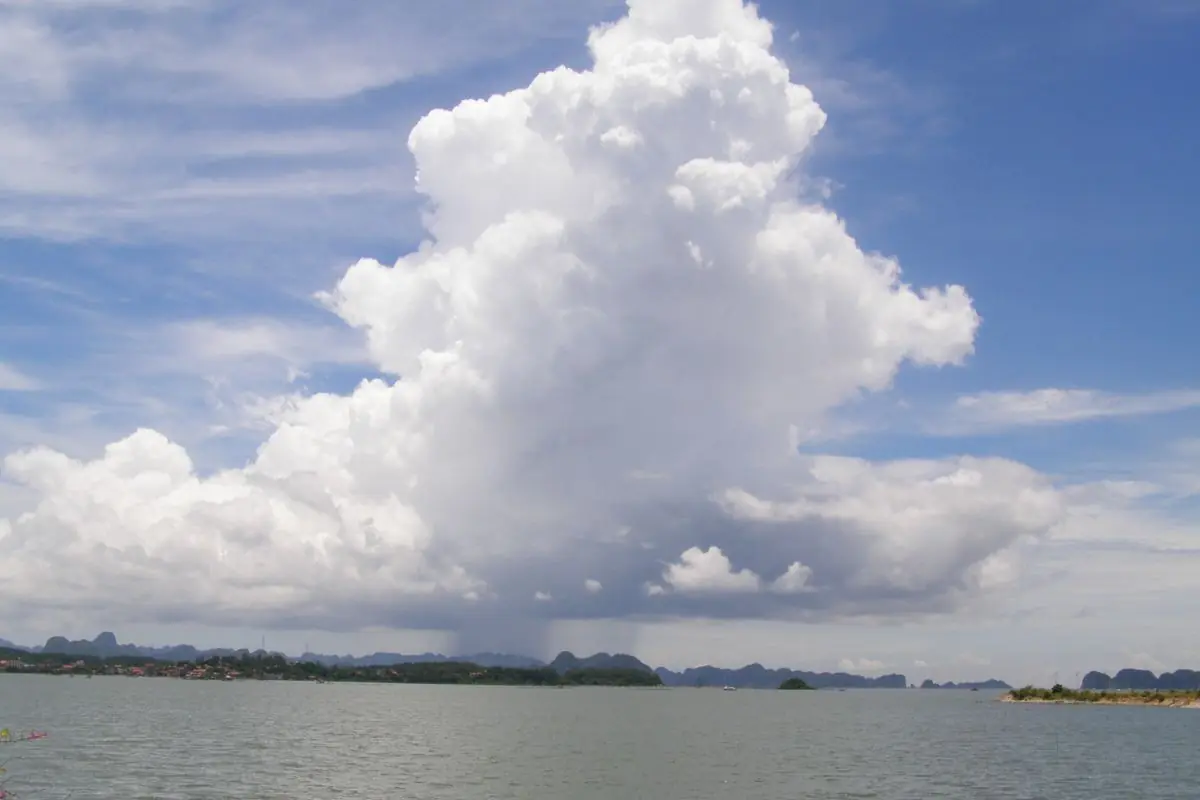
For families visiting during the summer holidays, the thunderstorm forecast deserves more attention than the temperature alone.
A 33°C day can still bring dangerous conditions on the water.
A waterproof bag for your phone, a lightweight raincoat, and spare clothing are sensible additions to your packing list.
If you’re traveling with children, avoid making swimming or kayaking a non-negotiable part of the itinerary. Weather conditions may require those activities to be canceled.
July is also a month when you should pay close attention to tropical storm and typhoon forecasts, especially if your cruise is already booked and you have onward travel arranged.
August: the wettest month in the historical table
August has average daily highs and lows of 32°C and 27°C.
Average rainfall reaches approximately 461 mm, the highest monthly figure in the table.
That doesn’t mean it rains every day. However, when planning an entire holiday, you should allow for the possibility of heavy rain, thunderstorms, and unfavorable sea conditions.
If your Northern Vietnam itinerary includes only one fixed day for Ha Long Bay, August can be more difficult to plan around.
Cruise departures may be suspended when weather conditions make operations unsafe.
On the other hand, the sea remains warm, and the bay can look beautiful when the weather is good.
The difference between a sunny day and a storm-affected day can be substantial during this period. A forecast checked shortly before departure is therefore far more useful than a general statement about what August weather is usually like.
Travelers with flexible dates may find it easier to work around unfavorable conditions than those with tightly connected transport reservations.
September: still hot, still rainy, and not free from typhoons
September has average daily highs and lows of around 32°C and 26°C, with approximately 309 mm of rainfall.
Rainfall decreases compared with August but remains substantial.
Early September shouldn’t be mistaken for cool autumn weather. Temperatures are still high, humidity remains noticeable, and tropical storms or typhoons can continue to affect the region.
The water is generally warm, making swimming appealing when conditions are safe.
Kayaking can also be enjoyable on calm days, but the decision to operate depends on the actual weather, sea conditions, and the cruise provider.
A September trip from Hanoi to Ha Long Bay works better with some flexibility in your schedule.
In particular, avoid planning a cruise immediately before an important flight or another connection without allowing time for possible disruption.
October: one of the best months for Ha Long Bay scenery
October has average daily highs and lows of 29°C and 24°C, with approximately 147 mm of rainfall.
The intense summer heat begins to ease, but the weather remains warm enough for long periods outdoors.
This is an excellent time for travelers who want to photograph limestone formations, enjoy the open deck, and visit places such as Sung Sot Cave and Ti Top Island.
On clear days, the rock formations stand out distinctly, and distant views are often more rewarding than during foggy winter weather.
October is still a transitional month.
Early October can experience heavy rain or late-season tropical storms, while the latter part of the month is generally more appealing for cooler temperatures and reduced rainfall.
Light clothing works well during the day. Bring a thin jacket for early morning or late afternoon cruising.
Swimming may still be comfortable, particularly earlier in the month, while the sea retains warmth from summer.
If you’re choosing a time primarily for sightseeing rather than swimming, the second half of October and November deserve a place near the top of your list.
Does winter fog hide Ha Long Bay’s limestone islands?
Sometimes, yes. Dense fog can significantly reduce visibility and obscure the islands. However, winter doesn’t mean the entire bay is covered in fog every day.
More often, you may notice that nearby limestone formations remain visible while distant islands gradually fade into the background.
When fog becomes thick, visibility can drop considerably, making it difficult to appreciate the wide panoramic views that many visitors associate with Ha Long Bay.
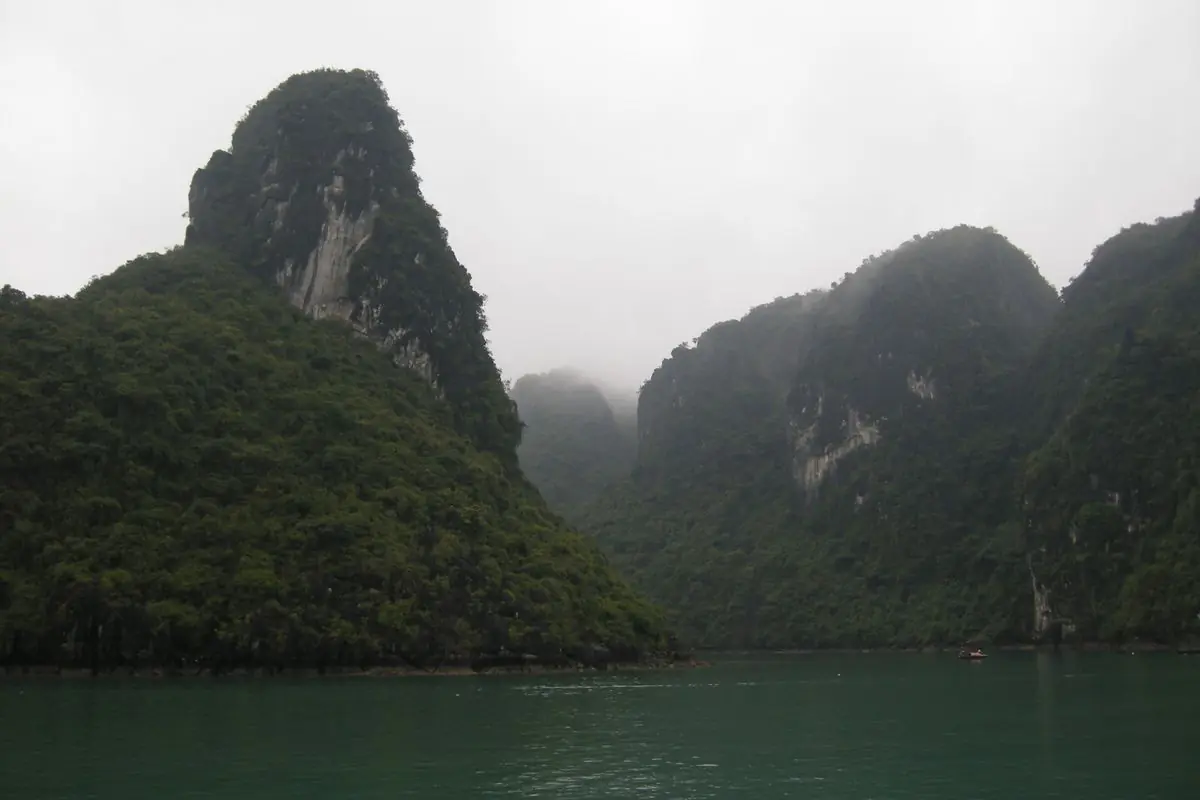
December through March is a period when fog, low cloud, and overcast conditions are worth considering.
During late winter and early spring, humidity, drizzle, and low cloud cover can keep the sky gray for extended periods.
It’s useful to distinguish three weather conditions:
- Fog: Reduces visibility and may obscure islands, including some that are relatively close.
- Low clouds or overcast skies: Don’t necessarily hide the islands, but can make photographs look flat or less colorful.
- Drizzle: Light rain that can continue or return intermittently, leaving boat windows, railings, and clothing damp.
A foggy morning doesn’t automatically mean the afternoon will be foggy too.
Visibility sometimes improves as conditions change, but clouds and mist can also remain throughout the day. There isn’t a reliable hour when the fog is guaranteed to clear.
If photography is important to you, check forecasts for low clouds, fog, and visibility rather than relying only on the usual rain or sunshine icons.
The forecast for Ha Long City may not describe conditions among the islands perfectly, either.
For blue skies, distinct limestone formations, and wide landscape photographs, October-November generally offers better opportunities than January-March.
If you love misty, atmospheric scenery, winter has a different kind of appeal.
Ha Long Bay sea temperature: when is the water warm enough to swim?
Air temperature and sea temperature don’t change at exactly the same rate.
Even after a sunny day, the water can feel surprisingly cool when you first step in.
In Ha Long Bay, seawater is generally coolest during winter and early spring, particularly from December through March.
It warms gradually from April and becomes more inviting for swimming around May and June. Relatively warm water usually continues through summer and into early autumn.
For practical trip planning, the swimming season can be divided into three broad periods.
| Period | General water conditions | Is swimming a priority? |
|---|---|---|
| December-March | Cool to cold, especially in midwinter | Usually not the main activity |
| April and November | Transitional temperatures that vary by date | Depends on your tolerance for cool water |
| May-October | Generally warmer water | More appealing when weather and swimming conditions are safe |
This is a seasonal guide, not a set of measured sea temperatures for individual beaches.
Offshore sea-surface temperature can differ from the temperature of shallow water near a beach. Sun exposure, tides, depth, and local conditions all affect how the water feels.
If you want an actual sea temperature for your travel dates, check the forecast for the relevant area rather than assuming one offshore reading represents every swimming location in the bay.
What about kayaking?
Kayaking doesn’t require water as warm as swimming, because you spend most of the activity sitting in the kayak.
March-May and October-November are often comfortable periods in terms of air temperature.
However, wind, waves, thunderstorms, and local operating rules matter much more than water temperature.
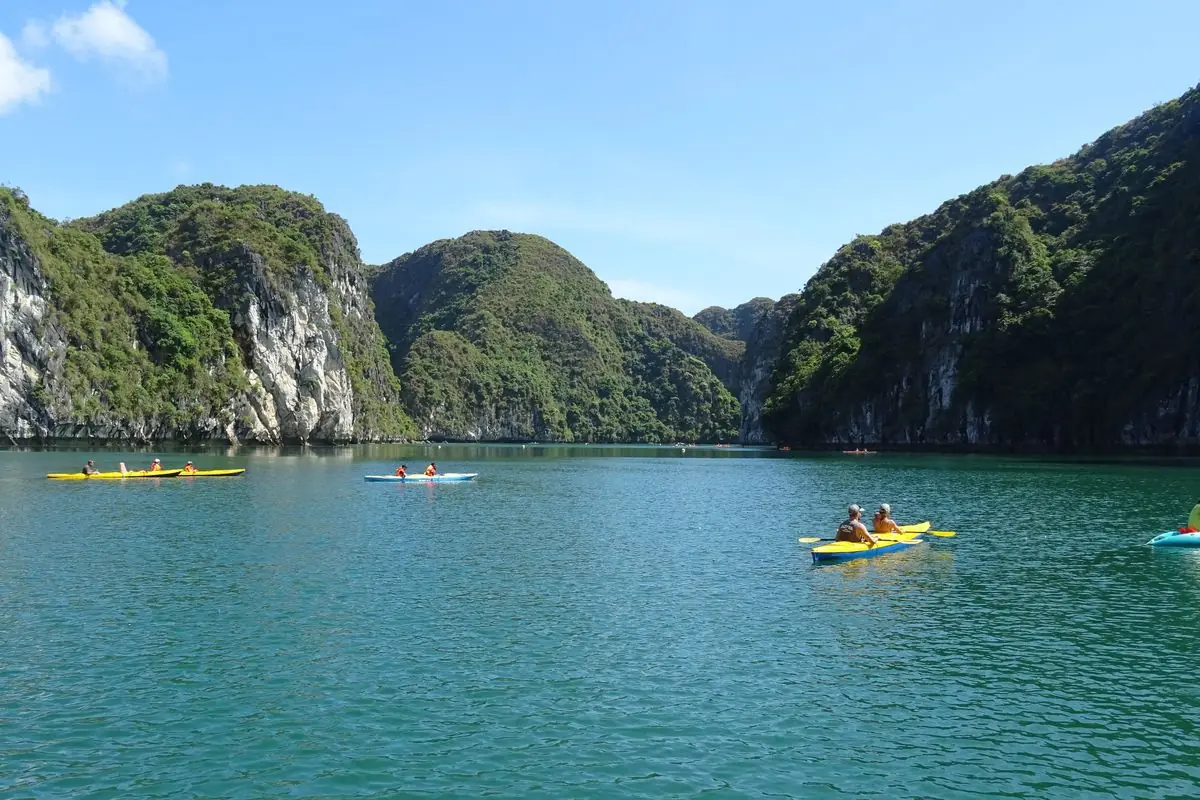
Only kayak in permitted areas, wear a properly fitted life jacket, and follow the crew’s instructions. Even on a sunny day, don’t enter the water near areas where boats are moving.
How different is the weather on the bay from Bai Chay?
On the same day, Bai Chay can feel pleasantly warm while the cruise deck feels noticeably cooler.
The most obvious reason is wind.
In town, buildings, restaurants, and other structures provide some shelter. On an open boat deck, the wind reaches you directly. When the boat is moving, the airflow can make damp clothing feel particularly cold.
Summer brings a different contrast.
A breeze on the boat can relieve some of the heat, but sunlight reflected from the water and prolonged sun exposure can still leave you tired or sunburned.
Conditions may also differ between locations within the bay.
A clear sky above Bai Chay doesn’t guarantee that more distant islands are free of low clouds or fog. A city forecast is helpful, but it should be considered alongside marine weather information, especially when strong winds, thunderstorms, or typhoons are possible.
Overnight cruise passengers have another consideration: the evening and following morning.
Clothes that feel perfectly comfortable while walking through Bai Chay at 2 PM may not be warm enough for sitting on deck at sunrise in January.
What to wear on a Ha Long Bay cruise in each season
You don’t need to bring an enormous suitcase of extra clothing, but it’s worth packing layers you can adjust as the temperature and wind change.
The biggest seasonal difference often comes down to your jacket.
November to February: warm layers and wind protection
In November, a light jacket may be enough on many days.
From December through February, pack long sleeves, a warm middle layer, and a wind-resistant jacket.
If you get cold easily, a scarf and socks can make sitting outside more comfortable.
You don’t need to wear heavy winter clothing throughout the cruise. The indoor areas of the boat may be considerably warmer than the open deck.
A practical winter outfit includes long trousers, a fleece or thermal layer, a windproof jacket, and closed-toe shoes.
Because drizzle can leave clothing damp, a water-resistant outer layer is often more useful than a thick sweater worn on its own.
Kayaking in cool weather calls for dry clothes to change into afterward.
March to May and October: light clothes with an extra layer
T-shirts, shirts, light trousers, and comfortable walking shoes are suitable for many days during these months.
March can still feel cool and damp in the morning.
April is generally comfortable, while May becomes much hotter, making sunscreen and a hat more important.
October remains warm during the day, but a light jacket is useful toward the end of the month, particularly if you plan to sit outside after sunset.
For cave visits and island viewpoints, choose footwear that provides good grip. Some paths include stone steps, and surfaces can become slippery when wet.
June to September: sun protection and rain preparation
During summer, prioritize breathable, quick-drying clothes.
Bring a hat, sunglasses, sunscreen, and a reusable water bottle.
A compact raincoat and waterproof bag are also useful, particularly when joining outdoor activities.
Wear sandals or shoes with good traction when boarding boats and exploring caves. Wet steps can be more slippery than they appear.
If you’re kayaking, leave unnecessary items on the main boat. A waterproof phone pouch is helpful, but it should still be attached or secured rather than placed loosely inside the kayak.
When is typhoon season in Ha Long Bay, and can cruises be canceled?
Ha Long Bay can be affected by tropical storms and typhoons during the warmer part of the year, mainly from summer into early autumn.
June through September is a particularly important period for travelers to monitor marine weather alerts, although storms can also occur outside those months.
When conditions become dangerous, local authorities may temporarily suspend permission for tourist boats to depart.
The decision depends on actual safety conditions. It isn’t simply a question of whether rain is falling over Bai Chay at that moment.
For example, on July 3, 2026, Quang Ninh authorities announced temporary restrictions on marine operations in response to an approaching storm. Overnight accommodation boats and evening sightseeing boats were affected from noon, with restrictions on other watercraft beginning at 5 PM.
Such restrictions are safety measures rather than individual decisions made by cruise operators.
Before traveling during the storm season, monitor official announcements and keep in contact with your cruise provider.
If a trip is affected, the available options for rescheduling, itinerary changes, or refunds depend on your booking conditions and the circumstances of the suspension.
Visiting Ha Long Bay between December and Tet: planning a northern Vietnam itinerary
Many international visitors travel through Northern Vietnam during winter and want to combine Hanoi, Ninh Binh, Sa Pa, and Ha Long Bay.
There’s no need to remove Ha Long Bay from your itinerary simply because it’s December, January, or February.
Instead, think about what you want most from the experience.
If sightseeing is your priority, choose an itinerary with enough time on the bay and accept that your photographs may feature gray skies and mist rather than bright blue water.
A December cruise can still be memorable without swimming. Limestone formations, caves, and the changing appearance of the water provide plenty to enjoy.
For travelers considering a one-day trip from Hanoi, remember that transport takes a substantial portion of the day.
If fog limits visibility during your scheduled sightseeing hours, there may be little opportunity to wait for clearer conditions.
An overnight cruise gives you more opportunities to enjoy the scenery at different times, including late afternoon and the following morning. That doesn’t guarantee better visibility, but it provides more than one chance to see the bay.
Late January and February also require attention to Vietnamese Lunar New Year, known as Tet. The holiday falls on different Gregorian calendar dates each year.
Weather remains generally cool and potentially damp during this period, while holiday travel can affect crowds and service schedules.
If you only have two days in Ha Long Bay, keep the itinerary straightforward.
When a cruise already takes up most of your time, it’s usually better to leave the remaining hours for meals, rest, and transfers rather than squeezing in another distant attraction.
How to check Ha Long Bay weather before your cruise
Historical climate averages help you choose a month. A current weather forecast helps you decide what to pack and whether your planned activities are realistic.
About three days before departure, check the expected temperature, rainfall, wind, and any marine weather warnings.
For trips between December and March, pay particular attention to fog, low clouds, and visibility.
For trips between June and September, prioritize thunderstorms, strong winds, and tropical storm or typhoon alerts.
Check the forecast again roughly 24 hours before departure and confirm the situation with your cruise operator.
A sunny forecast issued earlier in the week isn’t enough to guarantee the conditions you’ll encounter the next morning, especially during the rainy season.
On departure day, look for the latest updates before traveling to the port.
Don’t rely entirely on a sunshine icon for Ha Long City. Conditions farther out on the bay also depend on wind, waves, and visibility.
It’s also important to distinguish between weather that isn’t ideal for photography and weather that prevents safe sailing.
Cloudy skies don’t automatically mean a cruise will be canceled. Severe marine weather, however, can stop boats from departing even when it hasn’t started raining in town.
Which month should you choose for your Ha Long Bay trip?
Dates still open? Start with October-November for limestone scenery and comfortable cruising, or April-May if you prefer warmer conditions and more opportunities for water activities.
If you’re already planning Northern Vietnam between December and Tet, Ha Long Bay can still fit beautifully into your trip. Pack a windproof jacket, check the visibility forecast, and choose a cruise itinerary that gives you enough time to appreciate the landscape.
Frequently asked questions
Is Ha Long Bay cold in December?
Yes, December can feel quite cool, especially on the water. Average daily highs and lows are approximately 22°C and 17°C, although cold fronts can bring lower temperatures. Wind on the open deck may make it feel colder than walking around Bai Chay. Pack long trousers, a warm layer, and a windproof jacket, particularly for overnight cruises. December has relatively little rainfall in the historical averages, but cloudy skies and fog are still possible.
What is the best month to visit Ha Long Bay?
October and November are among the best months for limestone scenery, photography, and comfortable cruising temperatures. April and May are also good choices, especially if you want to combine sightseeing with kayaking or swimming. No month guarantees perfect weather every day, so check the forecast before departure.
Does fog cover Ha Long Bay in winter?
It can. Dense fog may obscure islands and significantly reduce visibility, particularly during the December-March period. However, winter days aren't always completely foggy. Sometimes only the distant islands disappear into the mist, while nearby formations remain visible. Fog can clear as conditions change, but there is no guaranteed time when visibility will improve.
Can Ha Long Bay cruises be canceled during typhoon season?
Yes. Authorities can temporarily suspend tourist boat departures when tropical storms, typhoons, or other dangerous marine conditions threaten safety. Summer and early autumn are important periods to monitor for these risks. Before departure, check official weather warnings and confirm your cruise status with the operator. Don't assume boats will operate just because it isn't raining at your hotel.
When is the sea warm enough to swim in Ha Long Bay?
May through October is generally more appealing for swimming, with warmer water during summer. From December through March, the sea often feels cool or cold for many visitors. April and November are transitional months, so comfort depends on the particular day and your tolerance for cooler water. Regardless of temperature, swim only in permitted areas when weather and water conditions are safe.