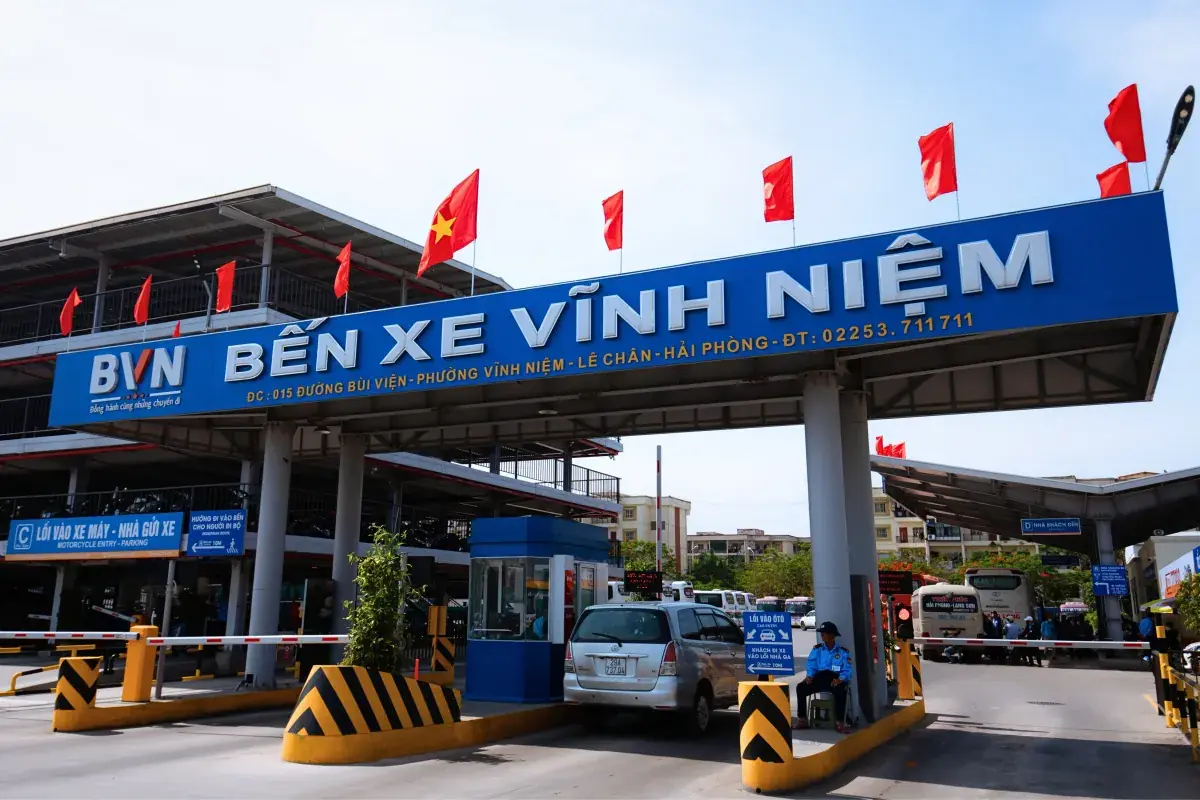
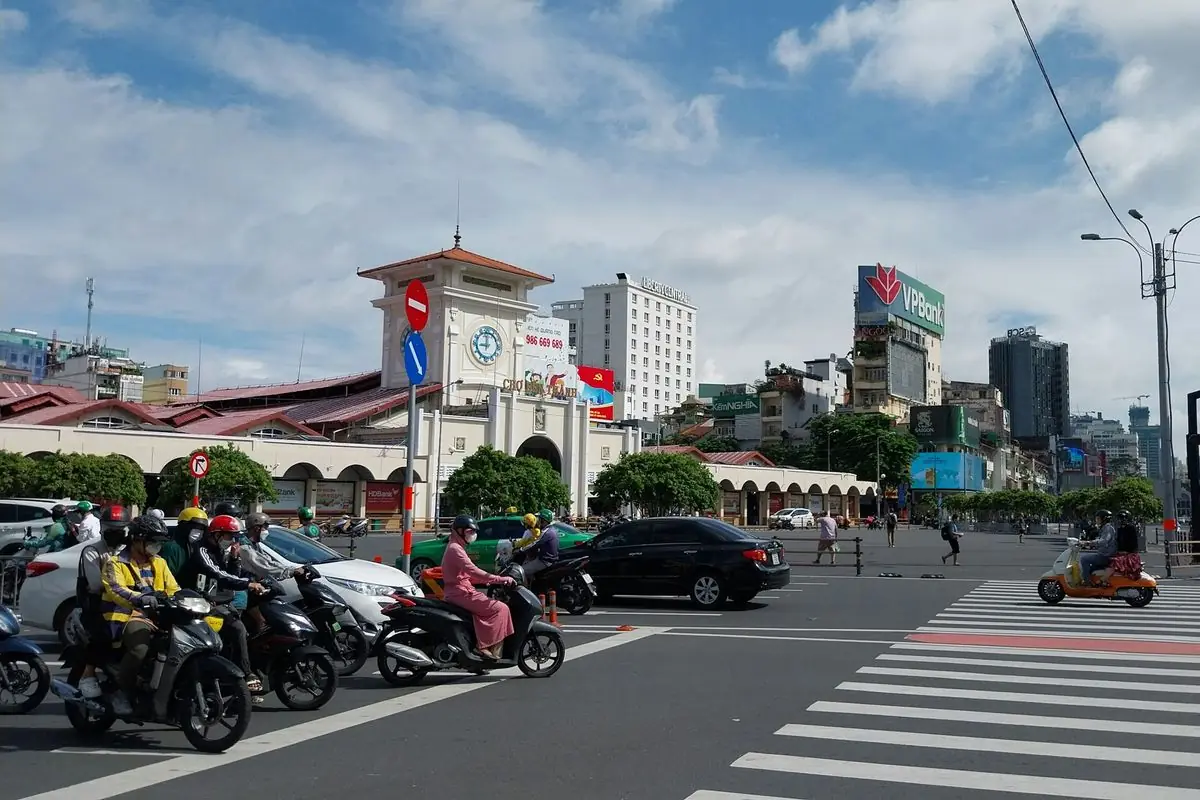
Thailand vs Vietnam for your first trip to Southeast Asia
Choose Thailand if you want an easy introduction to Southeast Asia with established tourist routes and island options. Choose Vietnam if you prefer varied landscapes, regional food and a slightly leaner budget, and let your travel month settle the close calls.
 20 min read
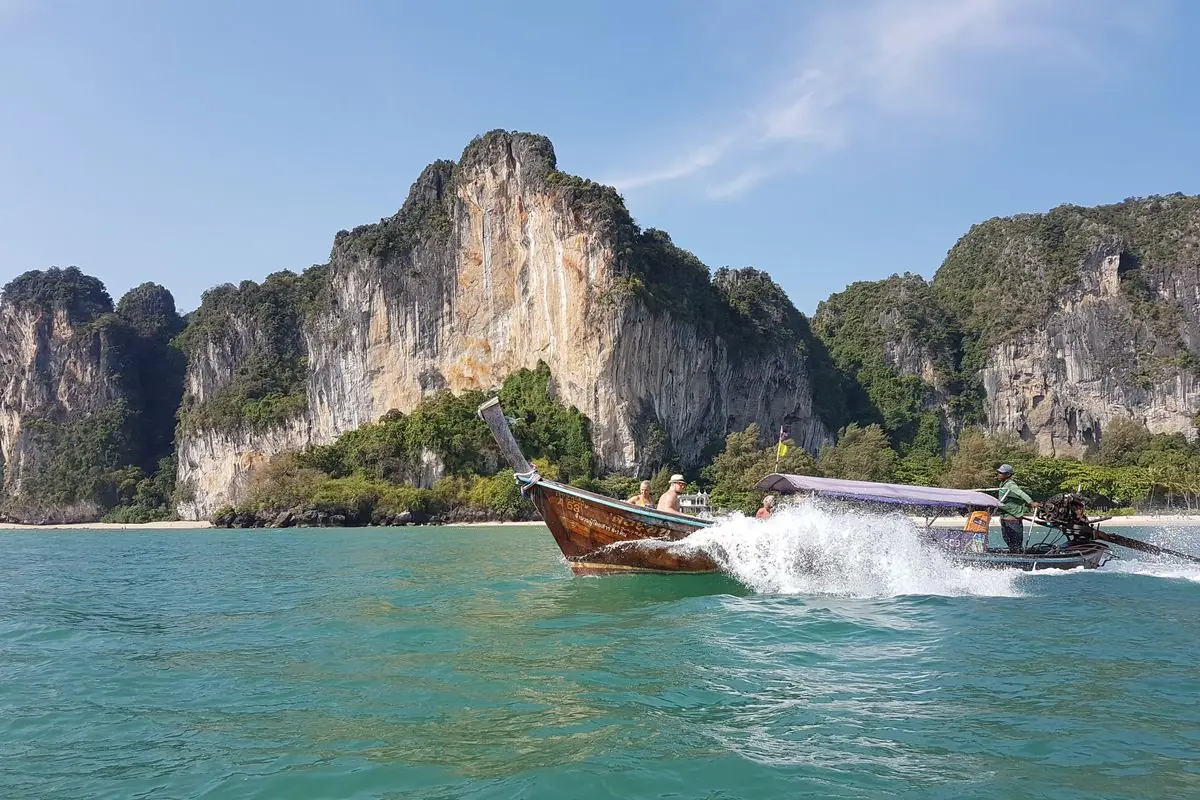
Railay, one of Krabi's best-known beaches.
At Bangkok’s Suvarnabhumi Airport, the Airport Rail Link signs point you towards a train to Phaya Thai; the full journey costs 45 baht. In Ho Chi Minh City, a single cash fare on metro Line 1 costs 7,000-20,000 dong, depending on the stations. Neither country requires an expensive private driver to get started, but they feel different once you begin moving beyond the big cities.
For a first trip to Southeast Asia, Thailand is generally the easier place to settle into, while Vietnam often stretches a modest budget a little further. Treat it as a starting point. If your dream is mountains and old streets, the country with the more established beach-resort scene may not be the country you enjoy most.
Thailand vs Vietnam at a glance
| What matters to you | Thailand | Vietnam |
|---|---|---|
| First-time travel | Familiar tourist routes; extensive urban rail in Bangkok | Straightforward in major cities; more planning for a multi-region trip |
| Budget travel | Affordable, with higher spending possible on popular islands | Often marginally cheaper, especially for dorms |
| Beaches and islands | Phuket, Krabi, Phi Phi, Koh Samui, Koh Tao | Phu Quoc, Nha Trang, Con Dao, Cat Ba, Da Nang |
| Mountains and landscapes | Chiang Mai, Chiang Rai, Khao Sok | Sapa, Ha Giang, Ninh Binh, Phong Nha |
| Heritage and cities | Bangkok, Ayutthaya, Sukhothai, Chiang Mai | Hanoi, Hue, Hoi An, Ho Chi Minh City |
| Food | Strong sweet, sour, salty and spicy combinations | Distinct regional dishes, herbs, soups and grilled foods |
| Getting around | Plenty of well-trodden tourist connections | Useful north-south railway, but long distances |
| Best-known trip style | Big city plus temples and an island | Cities, scenery, heritage and food across several regions |
A comparison table can only take you so far. Three days in Bangkok followed by four on a beach in Krabi is a different holiday from ten days between Hanoi, Ninh Binh and Hoi An. Both can be relaxed; both can become tiring if you book too many transfers. Compare the actual journeys you would take, not just two country names.
Is Vietnam cheaper than Thailand in 2026?
Usually yes, but the gap for an ordinary hostel-based trip is smaller than the internet often suggests. One backpacker budget model estimates about €29 per person per day in Vietnam and €32 in Thailand for its more social backpacking style. The model includes a dorm bed, food, everyday transport, some activities and extras. Its stricter shoestring model puts Vietnam at €19 and Thailand at €22 a day.
| Backpacker budget estimate | Thailand | Vietnam |
|---|---|---|
| Average dorm bed | €7 per night | €4 per night |
| Very tight backpacker day | €22 | €19 |
| More comfortable backpacker day | €32 | €29 |
These are only planning estimates, and room prices will vary when you book. International airfare, travel insurance, intercity transfers and unusually expensive excursions are not fully captured. Over 14 days, the difference between €32 and €29 a day is €42. You could spend that much, or more, on one extra flight, a boat outing or a room upgrade. Avoid building a whole travel decision around a three-euro daily difference.
Accommodation is where the distinction becomes easiest to see. A basic dorm in a Vietnamese city is often excellent value. Thailand has plenty of budget beds too, particularly in places such as Bangkok and Chiang Mai. But put a beachfront room on Koh Samui beside an inland guesthouse in Hanoi and the comparison tells you more about the room category than about the destination. Phuket in a busy holiday period can be significantly more expensive than a modest inland stop; a high-end resort in Phu Quoc can cost far more than a simple Thai guesthouse.
Food can be inexpensive in both countries when you eat at local restaurants, food courts and markets. Coffees, snacks and short journeys in Vietnam can also be relatively inexpensive, but a day of boutique cafés, private transport and guided activities adds up. In Thailand, island transfers and popular tours can move your total noticeably. A fair Vietnam vs Thailand cost comparison prices a complete day: accommodation, three meals, local transport and one activity, with the big transfers added separately.
Two ticket prices give a feel for sightseeing costs. Bangkok’s Grand Palace charges foreign visitors 500 baht, with regular visiting hours of 8:30 am to 3:30 pm. In Hoi An, a 120,000-dong ticket package covers the town and a selection of heritage sites. They are very different attractions, so the point is not that one country charges a fixed multiple of the other. Real prices tell you more than vague claims that everything is cheap.
On a set budget, lock down your accommodation and the number of internal flights first. Then leave some flexibility for meals, small attractions and cafés. The easier a day is to change, the less painful it becomes when rain or a delayed flight affects your original plan.
Food: bold Thai flavors or Vietnam’s regional variety?
Thailand makes a confident first impression through food. Pad thai is familiar to many visitors, but it is only a starting point. Tom yum has an assertive sour and spicy character, som tam brings crisp texture and punchy dressing, and green curry offers fragrant richness with a kick that can be stronger than expected. Up north, khao soi introduces curry noodles with a very different feel from a Bangkok stir-fry. Low heat tolerance is no reason to skip Thailand; just ask for a milder version when you order.
Bangkok is a convenient place to explore food without turning every meal into a planned excursion. You can have a simple breakfast near your hotel, eat in a shopping-center food court when the afternoon gets hot, and try different dishes at a market after dark. In Chiang Mai, swap some of the Bangkok dishes you already know for northern Thai specialties. If you have limited time, eating one dish well at a local place is more satisfying than racing through a checklist of famous foods.
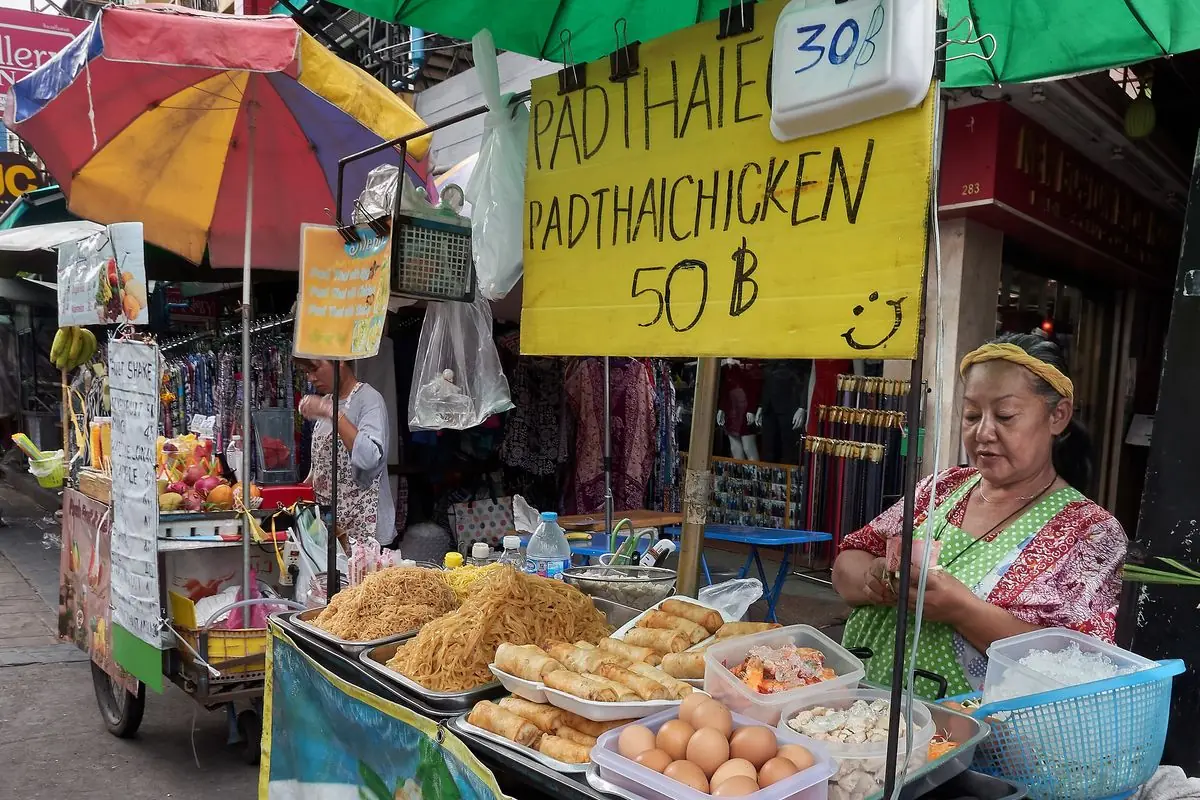
Vietnam’s strength is the way food changes as you travel. Hanoi is associated with pho, bun cha and many noodle dishes; Hue is known for bun bo Hue and small savory cakes; Hoi An has cao lau and chicken rice. Farther south, Nha Trang offers fish-cake noodle soup and nem nuong, while Ho Chi Minh City mixes southern food with dishes from other regions. A trip can move from a steaming noodle breakfast to rice at lunch, a strong coffee in the afternoon and grilled food or fresh rolls at night.
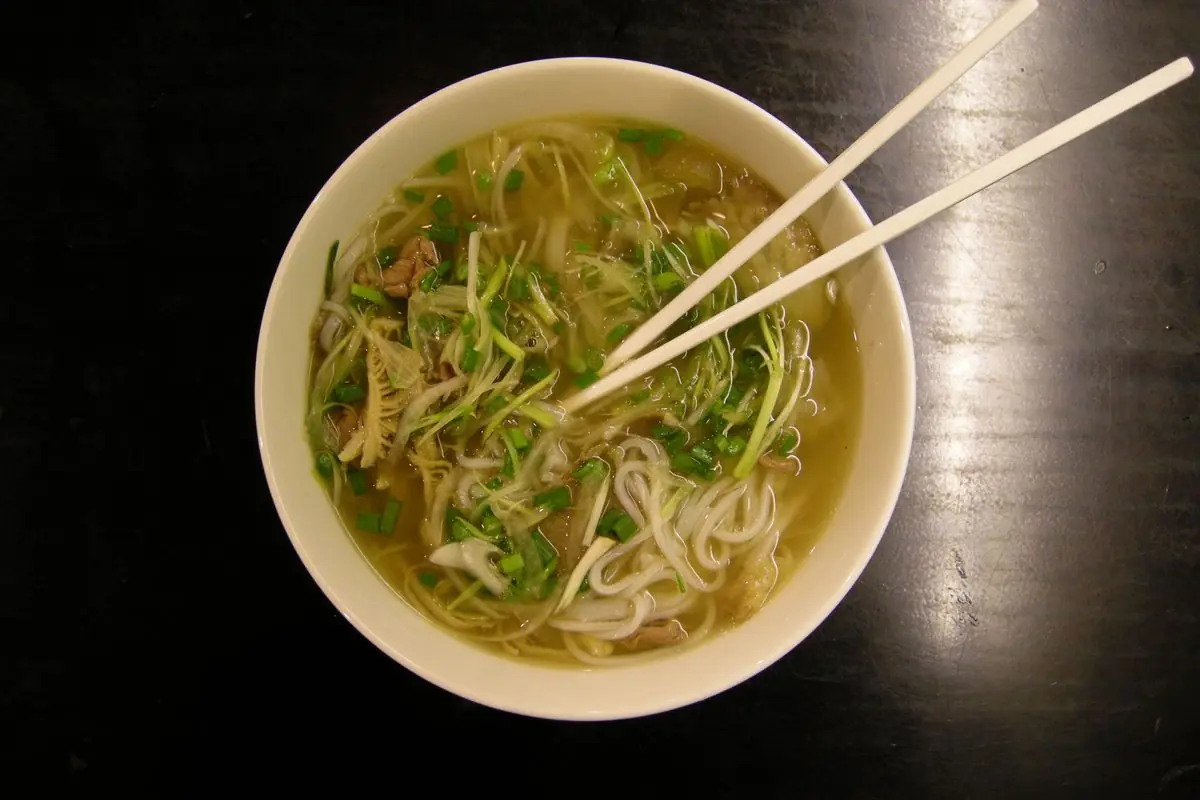
Many Vietnamese dishes may feel easier to approach if you prefer gentler flavors or like adjusting chilli at the table. That is only a broad tendency: some Vietnamese soups and sauces can be spicy, and plenty of Thai cooking is mild. Vegetarian travelers should ask specifically about fish sauce, shrimp paste, dried shrimp and meat-based broth in both countries. Vegetables in a dish do not guarantee that the sauce or stock is vegetarian.
Thailand vs Vietnam beaches: which coast would you enjoy more?
For a trip built primarily around islands, Thailand has the edge in the range of mature island-hopping and resort itineraries. Phuket is a large gateway with a wide choice of accommodation. Krabi combines limestone cliffs with beaches such as Railay. The Phi Phi Islands are known for their dramatic scenery and boat trips. On the other side of southern Thailand, Koh Samui, Koh Phangan and Koh Tao provide a separate set of islands with their own seasonal patterns.
That tourism infrastructure is convenient, but it can also bring crowds. A famous beach at midday is unlikely to look like a deserted travel photograph. Popular boat stops are particularly busy during holiday periods. Travelers after quiet should choose where they sleep carefully, consider the distance from the boat departure point, and not expect a large shared day tour to feel private. A hotel with “Phuket” in its address may be nowhere near the pier used by your chosen excursion.
Vietnam has a long coastline, and its beach destinations are quite different from one another. Phu Quoc works for a classic resort holiday. Nha Trang lets you combine urban restaurants and cafés with boat trips and beach time. Con Dao appeals to people drawn to a quieter island setting and coastal nature, depending on the exact area and season. Da Nang is convenient when you also want to visit Hoi An. Farther north, Cat Ba and Lan Ha Bay offer limestone-island scenery that feels more like a bay adventure than a conventional beach-resort break.
A useful distinction is Ha Long Bay versus the Phi Phi Islands. Both have dramatic rock formations rising from the water, but the experiences are not interchangeable. Ha Long and Lan Ha are often about cruising through a bay, enjoying the scenery and possibly kayaking when conditions allow. Phi Phi is more closely associated with tropical island beaches and boat stops. Neither is automatically better; they answer different holiday wishes.
Whatever the boat activity, look past the photos to the practical details. How long will it take to reach the pier? How much time is actually spent swimming? Will the operator cancel or change the route in rough weather? Are life jackets provided and used? An appealing destination is only enjoyable when the journey to it is realistic and the conditions are safe.
Old towns, mountains and landscapes: Vietnam’s strongest argument
Vietnam becomes especially compelling if you want the scenery to change every few days. Hanoi gives you busy streets, neighborhood food and old architecture. Ninh Binh pairs rivers and fields with spectacular limestone formations. Hoi An brings a very different townscape of old buildings, tiled roofs and riverside streets. With more time, northern Vietnam opens out towards Sapa, Ha Giang and Cao Bang, while central Vietnam offers Hue’s heritage and the caves around Phong Nha.
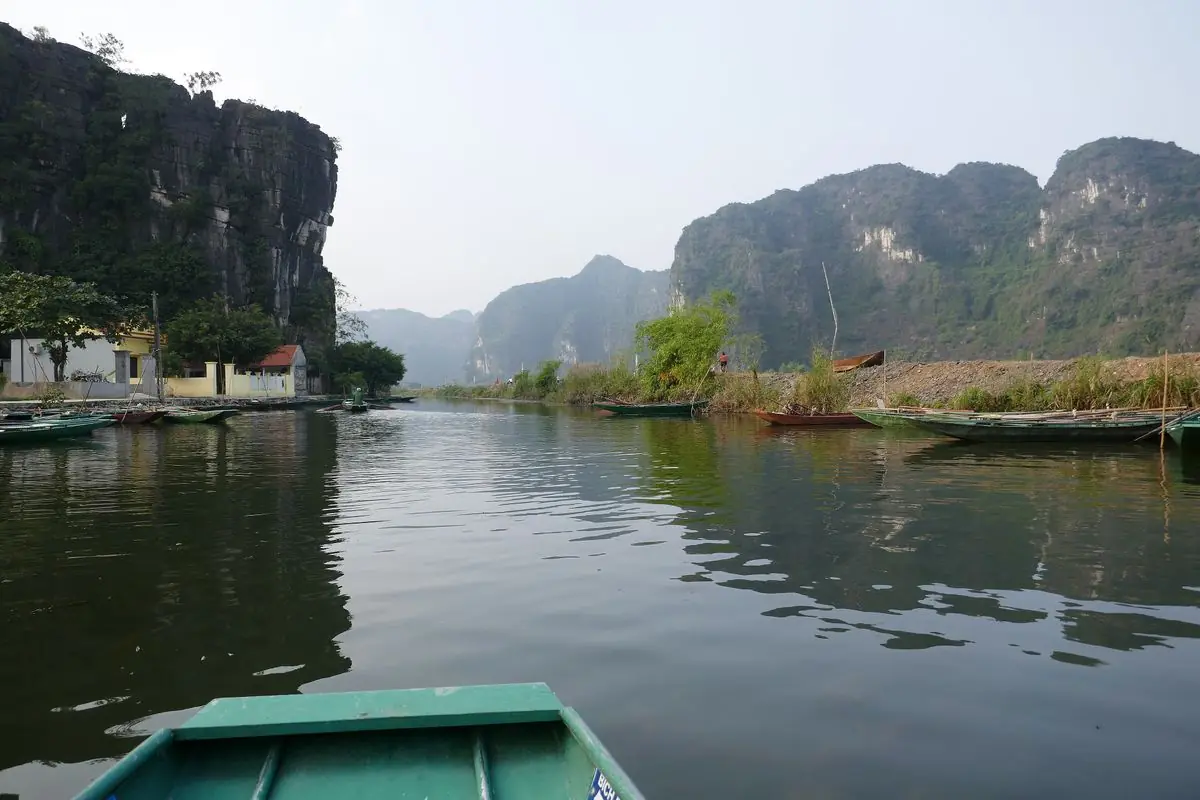
The catch is that these places are not close together. Ha Giang deserves several days rather than a hurried overnight detour. The caves of Phong Nha need travel time. Moving between Hanoi and central Vietnam requires an intentional choice between air, rail and road. On a first visit, trying to cover the north, center and south in a week usually means spending too much of your holiday checking out of hotels.
Thailand has more than beaches and Bangkok. Chiang Mai offers temples, food and access to northern landscapes. Chiang Rai is an option if you want a longer northern route. Ayutthaya and Sukhothai have fascinating historic sites, while Khao Sok in southern Thailand gives you rainforest and lakeside scenery rather than another crowded beach. A city-and-mountains holiday in Thailand can be just as rewarding as a coastal one.
The difference is often the rhythm rather than the quality. Thailand is particularly comfortable for a Bangkok-Chiang Mai-beach combination. Vietnam rewards a traveler who wants to move between cities, countryside, dramatic rock formations and regional cooking. If old streets, photography, mountain scenery and everyday local food matter more than staying in a resort, Vietnam may be your better first choice.
Getting around: why Thailand often feels easier initially
Bangkok’s urban rail system is a genuine advantage for new arrivals. The BTS and MRT cover many useful areas, and the Airport Rail Link connects Suvarnabhumi Airport with Phaya Thai. Airport Rail Link fares run from 15 to 45 baht depending on distance, with 45 baht for Phaya Thai. Check the timetable close to your arrival date, especially if your flight lands very late.

Ho Chi Minh City’s metro Line 1 links Ben Thanh with the direction of Suoi Tien. Single cash fares run from 7,000 to 20,000 dong. Hanoi also has metro lines, although the system does not reach every common tourist destination. A metro ride may solve part of your journey; you may still need a bus or car to reach the old town, a hotel or an airport. App-based car services help with route visibility and estimated pricing in both countries.
Vietnam has Grab and Green SM among its ride options; Thailand has Grab and other local services. At airports, follow the pickup instructions on the app or official signs. Someone approaching you in arrivals and claiming to be your driver is not proof that they are the correct person. Match the vehicle details before getting into the car.
The biggest transport question is how many times you change cities. Thailand’s established tourist routes offer flights, trains and buses between major areas, but islands often add a road transfer and a ferry. Vietnam has a long north-south railway, intercity buses and domestic flights linking major centers. Its length is easy to underestimate: Hanoi and Ho Chi Minh City are not a simple short train ride apart just because they are in the same country.
Overnight trains and sleeper buses may save the price of a hotel room, but they can also leave you tired for the next day. Choosing one sensible internal flight can make better use of a trip under ten days than chasing the cheapest possible transfer. Budget the hours you lose moving between hotels as carefully as the amount you pay.
Visas in 2026 for US, UK, Australian and South Korean passports
This is the most important section to check again immediately before booking. The rules below concern ordinary passports and short tourism visits. Your country of residence does not replace the nationality of the passport you travel on, and special travel documents can have different rules.
| Passport | Thailand | Vietnam |
|---|---|---|
| United States | Tourist visa exemption for up to 30 days | Usually requires an e-visa for a standard tourism trip |
| United Kingdom | Tourist visa exemption for up to 30 days | Visa-free for up to 45 days under the current policy |
| Australia | Tourist visa exemption for up to 30 days | Usually requires an e-visa |
| South Korea | Visa-free for up to 90 days under a bilateral agreement | Visa-free for up to 45 days under the current policy |
Thailand ended its old 60-day visa-exemption scheme on 15 September 2026. Many older travel articles still describe that arrangement. For US, UK and Australian ordinary passport holders, the standard tourist exemption is now 30 days. South Korean ordinary passport holders are a notable exception because the bilateral arrangement allows stays of up to 90 days. Do not lump all four nationalities into one entry category.
Vietnam’s official e-visa can be valid for up to 90 days, with single-entry and multiple-entry options. The e-visa fee is US$25 for a single entry and US$50 for multiple entries, non-refundable if refused. UK and South Korean visitors on eligible passports may not need to apply for a short trip because of the 45-day exemption; US and Australian travelers will commonly need to arrange an e-visa before departure.
Which country is more crowded?
Thailand welcomed approximately 32.97 million international visitors in 2025, compared with nearly 21.2 million in Vietnam. Those are countrywide totals: Thailand operates on a larger international tourism scale, but a quiet part of northern Thailand can still feel much less crowded than a popular Vietnamese heritage street on a holiday weekend.
Bangkok, Phuket and Phi Phi are often lively, especially in good-weather periods. Yet there are plenty of areas beyond the most promoted routes. Hoi An’s old town, Hanoi’s central streets, Ha Long Bay and well-known Vietnamese resort areas can also become busy. Social-media images taken at dawn do not always represent the same location at 4 pm.
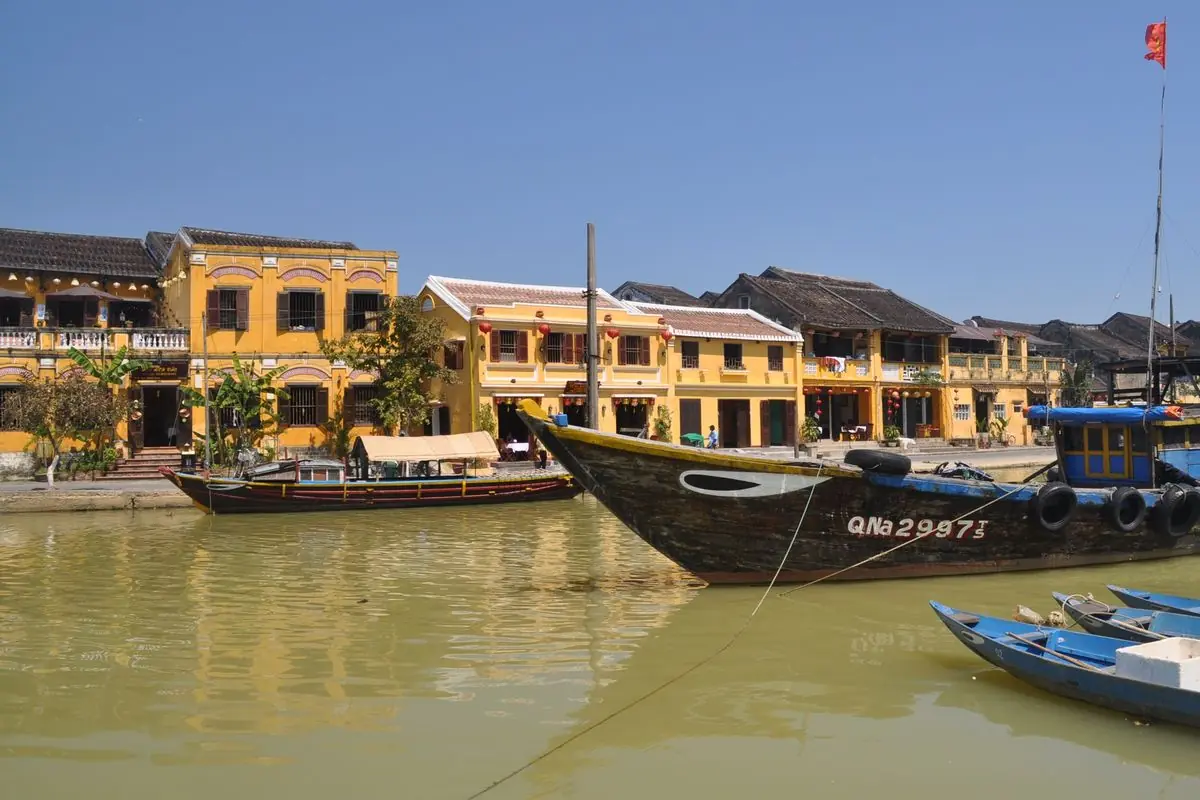
Choose the day and neighborhood as carefully as the country if you prefer calmer places. Weekends near major cities can change the atmosphere dramatically. Hoi An is different early in the morning from the evening lantern hours. The Grand Palace in Bangkok opens at 8:30 am under its usual schedule; an early visit can help with the heat, even if organized groups are already arriving.
Crowds have an upside too. Popular destinations can make it easier to find hostels, restaurants, organized tours and fellow travelers. That can be reassuring when you are traveling alone for the first time. If you want near-solitude, you will need to research specific areas rather than assume Vietnam is empty because its national arrival total is lower.
When to go: the season can change the answer
Thailand and Vietnam both have regional weather patterns, so the question “Which country has better weather in November?” is too broad. In Thailand, the Andaman coast, including Phuket, Krabi and Phi Phi, is generally a better beach bet around November to April. The Gulf of Thailand coast, including Koh Samui, Koh Phangan and Koh Tao, has a different monsoon pattern and often sees significant rain during September to December. A sunny Phuket forecast says little about whether a boat trip from Koh Samui is sensible that week.
Vietnam has its own regional split. Northern Vietnam often feels pleasant for city walks and landscapes in autumn and spring, although winter can be chilly and mountain weather much colder. Central Vietnam, including Hue, Da Nang and Hoi An, can see heavy rain, flooding and storms during parts of autumn and early winter. Southern Vietnam and Phu Quoc are generally more appealing for a dry-season trip from the later months of the year into the early part of the next.
For November or December, Bangkok with Chiang Mai and Krabi is worth considering if the forecast supports the coast. In Vietnam, a Hanoi-Ninh Binh route or Ho Chi Minh City with Phu Quoc may be a better match than arranging a whole beach holiday around central Vietnam without allowing for rain. For April to June, consider Da Nang, Hoi An and Nha Trang in Vietnam, or appropriate Gulf-side destinations in Thailand after checking current conditions.
Do not force a beach itinerary into the wrong season simply because it was a good route for someone who traveled in a different month. Weather affects ferries, boat tours, mountain roads and the comfort of your hotel location. A place you love can still be a poor choice for the week you have available.
Safety, scams and travel comfort
Both countries are major tourism destinations, but neither is free of everyday travel risks. Visitors to Vietnam should pay attention to bag snatching, phone theft, traffic when crossing streets and unlicensed airport transfer offers. In Thailand, common concerns include petty theft, unclear taxi or tuk-tuk pricing, disputes involving vehicle or jet-ski rentals, and region-specific security issues. These do not mean you should avoid either country; they mean that ordinary precautions still matter.
Use an official booking desk or a recognized transport app. Confirm the driver’s details before entering a car. Never hand over your passport as rental collateral, and save a copy of the important page separately. When walking beside traffic, carry your bag away from the road. Before renting a scooter, make sure your license, experience and insurance actually cover the activity. Busy Southeast Asian traffic is a poor place to learn how to ride for the first time.
On water, check forecasts, operator standards and life-jacket arrangements. On mountain routes, rain, landslides and limited daylight can alter a journey. Government travel advisories also distinguish between popular tourist areas and places with separate security warnings. Thailand has specific warnings concerning areas near the Cambodian border and parts of the far south; consult the advice issued for your own nationality before traveling beyond conventional tourist routes.
Let safety shape the route you build. A shorter transfer in daylight and a reputable boat operator are more useful choices than trying to decide which destination has the better reputation overall.
Thailand or Vietnam for first-time travelers: who should pick Thailand?
Thailand suits visitors who want to land, work out a few city basics and then enjoy a recognizable holiday structure. Bangkok offers temples, shopping, river scenery and food. Chiang Mai adds northern culture and an easier pace in many areas. Krabi or Phuket can finish the trip with beaches and boat outings. There are plenty of accommodation choices for different budgets and a familiar tourist route can reduce the amount of independent troubleshooting needed.
It is also useful for groups with different interests. Some people want markets and temples, others prefer pools and cafés, and others want a beach. You can often accommodate these preferences without creating an extremely complicated trip. Families and travelers who dislike frequent hotel changes might do particularly well with a city stay and one beach base.
Thailand still takes some effort. An island may still be a flight, a transfer and a ferry away. Storms can affect boats, and famous beaches can be crowded. With only five or six nights, Bangkok plus Phuket might be plenty. Adding Chiang Mai and two additional islands could make a trip more stressful.
Who is likely to enjoy Vietnam more?
Vietnam is a strong choice if your ideal holiday is about exploring places rather than spending most afternoons at one resort. You can combine Hanoi’s food and architecture with the river landscapes of Ninh Binh, then visit heritage towns or coastal areas as your time allows. Local meals and smaller hotels can offer good value, and there is considerable variety across regions.
Photographers, walkers, food lovers and travelers drawn to mountains and history will find an appealing two-week route in Vietnam. Its main challenge is distance. The north and south are far apart, and a sunny forecast in one region does not guarantee similar conditions elsewhere. Choosing one or two regions well is better than hurriedly collecting the biggest place names on a map.
You can still have a resort holiday in Vietnam. Phu Quoc, Nha Trang and Da Nang offer beach stays and a range of hotels. If rest is what you need, give yourself that rest and skip the grand north-to-south adventure. The best destination is the one you can enjoy at the pace you actually want.
Simple seven- to ten-day itineraries in one country
Thailand in seven days: spend three nights in Bangkok, with time for the Grand Palace and Wat Phra Kaew, the Chao Phraya River, neighborhood food and a market. Then spend four nights in Krabi or Phuket. Pick one beach base and keep your boat outings to a manageable number. Reconsider the beach choice if the season is wrong for the Andaman coast, instead of copying the route unchanged.
Thailand in ten days: three nights in Bangkok, three in Chiang Mai and four in Krabi or Phuket. This gives you a city, the north and the coast, but it involves significant transfers. On a tighter budget, choose Bangkok with Chiang Mai or Bangkok with the coast rather than paying for every additional internal flight.
Vietnam in seven days: use Hanoi for three nights and Ninh Binh for two, then spend the remaining time in Hanoi or add the Ha Long-Cat Ba area if you are comfortable with the transfers. Do not attempt Ninh Binh, Ha Giang and Hoi An in the same week. That is a schedule built around vehicle departures rather than enjoying the places.
Vietnam in ten days: three nights in Hanoi, two in Ninh Binh and four or five around Da Nang and Hoi An, using a domestic flight to avoid an overlong land journey. This provides a good blend of food, limestone landscapes and heritage. If you are traveling in the heavy-rain months of central Vietnam, switch the second region to one with a better seasonal outlook.
Staying in two or three places is often more comfortable on a first trip than changing hotels every night. Leave space for a slow breakfast, an unexpected favorite neighborhood and the occasional delay.
Can you visit Thailand and Vietnam in two or three weeks?
Yes, especially with at least 14 days, provided you leave out several famous places in each country. Thailand and Vietnam do not share a land border. For most short combined trips, flying between Bangkok and Hanoi, Da Nang or Ho Chi Minh City is simpler than traveling overland through a third country. Check whether the Bangkok departure airport is BKK or DMK and compare the baggage rules on separate airline bookings.
A manageable 14-day itinerary could be three nights in Bangkok, three in Chiang Mai, a flight to Hanoi for three nights, two nights around Ninh Binh, and the remaining time back in Hanoi or around Ha Long depending on flight logistics. It prioritizes cities, temples and inland landscapes. It does not include a long island stay, and that is fine. Skip squeezing Phuket and Phu Quoc into the same fortnight.
For a coastal emphasis, consider Bangkok for three nights, Krabi for four, Da Nang/Hoi An for four and Hanoi for three, but only when the season and available flights make sense. This version involves more air transfers. Treat arrival and departure days as travel days; you will not see much on either side of a flight.
With 21 days, you could divide the trip into roughly ten days in Thailand and eleven in Vietnam. One logical progression is Bangkok, Chiang Mai and Krabi, followed by Hanoi, Ninh Binh and Da Nang/Hoi An. Replace a stop if Ho Chi Minh City or Phu Quoc matters more, instead of adding another journey to an already full plan. If your international return flight is on a different ticket from the last regional flight, an overnight buffer can be worth the cost.
Pay attention to Vietnam’s single-entry versus multiple-entry visas if you plan to return after visiting Thailand. This is particularly relevant for US and Australian passport holders arranging e-visas. UK and South Korean travelers relying on visa exemptions should still check the conditions applying to each separate entry. Booking two countries is straightforward when the paperwork and airport connections are planned as carefully as the sightseeing.
The quick choice
Choose Thailand if your first Southeast Asia holiday should be easy to organize, with Bangkok and beach time in the same trip. Choose Vietnam if you would rather spend your budget on regional food, old towns, mountains and a journey with changing scenery; with three weeks, combine the two, but keep the route selective.
Frequently asked questions
Thailand or Vietnam for a first trip to Southeast Asia?
Thailand often feels easier because of its established tourist circuits and Bangkok's transport options. Vietnam works well for travelers who enjoy independent exploration and do not mind planning a few longer journeys.
Is Vietnam cheaper than Thailand?
Usually a little, when comparing similar backpacker trips. Backpacker estimates come to about €29 a day in Vietnam and €32 in Thailand, but flights, hotels and island excursions can easily reverse the difference for an individual holiday.
Are Thailand's beaches better than Vietnam's?
Thailand has an extensive network of popular island and resort destinations. Vietnam offers a different mix, including Phu Quoc, Nha Trang, Con Dao, Da Nang and the limestone scenery around Cat Ba. Season, beach style and how much you want to move matter more than the country name.
Do US, UK, Australian and South Korean visitors need visas?
Thailand's current standard exemption allows up to 30 days for eligible US, UK and Australian ordinary passport holders, while South Korean ordinary passport holders have a 90-day bilateral arrangement. Vietnam currently allows eligible UK and South Korean visitors up to 45 days visa-free; US and Australian travelers usually apply for an e-visa. Recheck the rules for your passport before departure.
Can I see both countries in two or three weeks?
Yes. Focus on one or two areas per country and use a flight between Bangkok and a major Vietnamese city. Avoid planning a full north-to-south Vietnam journey plus several Thai islands in just 14 days.