On Vietnamese Teachers' Day, should you give a gift or just say thank you?
Vietnamese Teachers' Day doesn't require expensive flowers or gifts, but parents and students still often wonder how best to say thank you. Parent committee rules have also changed this year; read up on them before chipping in for a class gift.
 22 min read
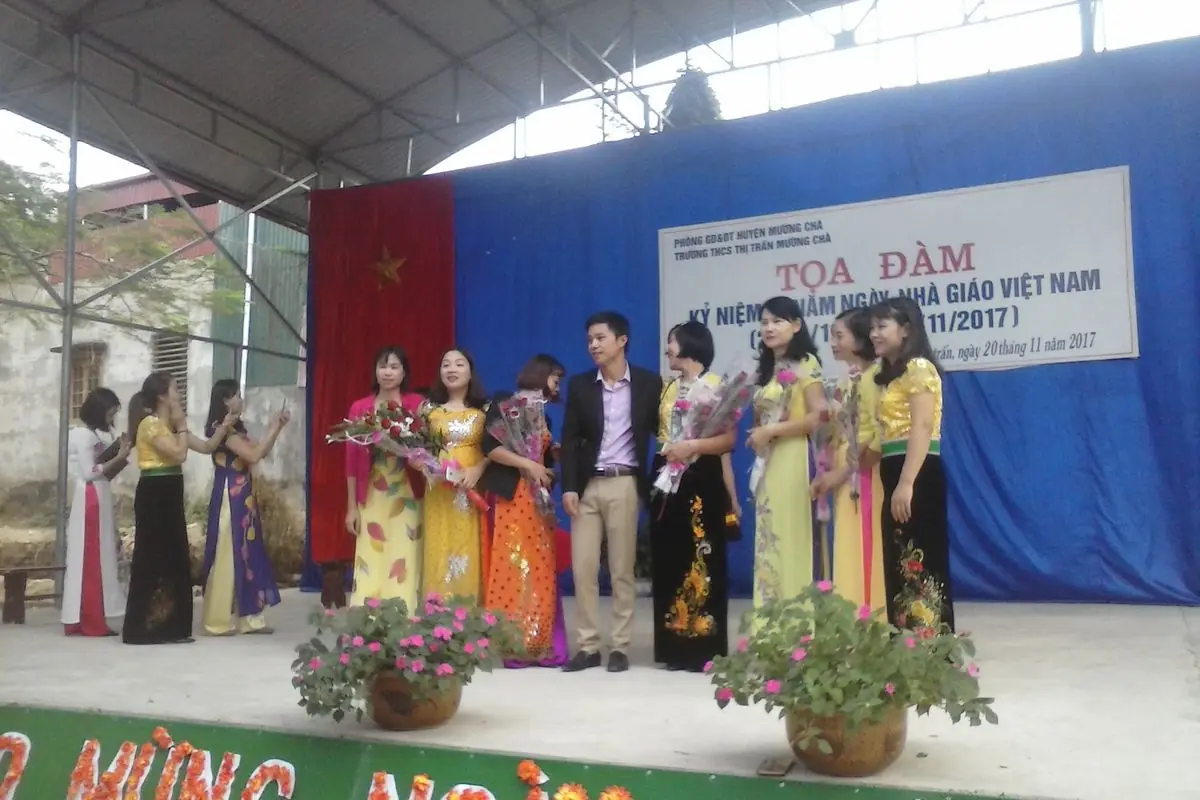
Teachers with flowers on Teachers' Day in Muong Cha.
Vietnamese Teachers’ Day takes place every November 20, when students and families show appreciation to the people who teach them. In 2026, it falls on Friday, November 20, and it is not a nationwide paid public holiday. Flowers, handwritten cards, and small gifts are common, but students and parents are not generally required to buy anything for their teachers.
1. What is Vietnamese Teachers’ Day on November 20?
Vietnamese Teachers’ Day, known locally as Ngày Nhà giáo Việt Nam, is a national occasion honoring teachers, from preschool educators and primary school teachers to university lecturers and retired teachers.
The celebration reflects an important Vietnamese tradition called tôn sư trọng đạo, which means respecting teachers and valuing education.
For many Vietnamese people, that appreciation continues long after graduation. Someone who finished school twenty years ago might still call a former homeroom teacher on November 20. A group of old classmates may arrange a visit, bringing flowers and spending an afternoon remembering their school days.
Inside schools, celebrations often include musical performances, handwritten cards, classroom decorations, student speeches, and ceremonies recognizing teachers’ contributions.
Some schools hold their main event on November 20 itself. Others organize activities earlier in the week, depending on their academic calendar.
Travel around Vietnam in mid-November and you may notice flower shops displaying extra bouquets of roses, sunflowers, and carnations. Greeting cards often carry the message:
Chúc mừng Ngày Nhà giáo Việt Nam 20/11.
That means "Happy Vietnamese Teachers’ Day, November 20."
Around school entrances, you may also see students carrying flowers, small gift bags, or handmade cards.
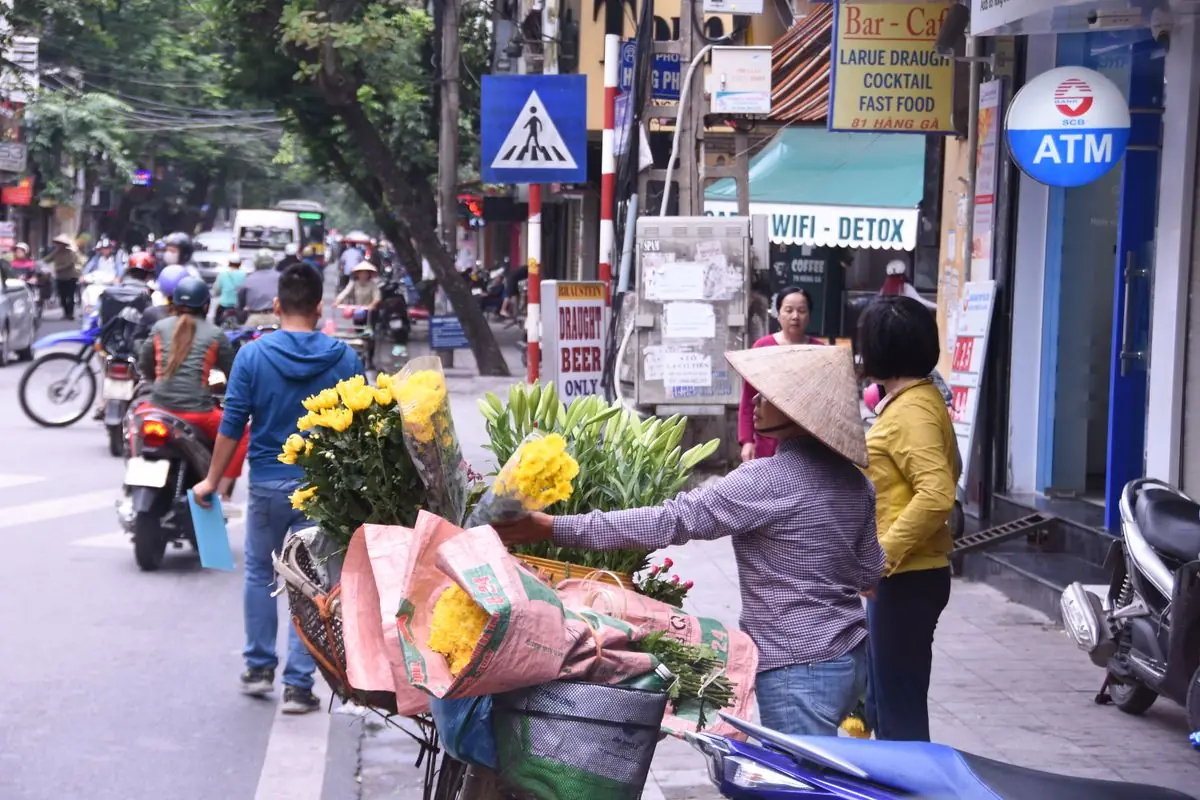
It is an important part of Vietnamese school culture, but it isn’t a nationwide street festival. Shops, restaurants, and tourist attractions don’t all close for the occasion.
Vietnamese Teachers’ Day is also different from International Women’s Day on March 8 and Vietnamese Women’s Day on October 20. Those two occasions celebrate women more broadly, while November 20 recognizes teachers of all genders.
2. When did Vietnamese Teachers’ Day begin?
Vietnam officially established Teachers’ Day in 1982, although November 20 had already been celebrated in northern Vietnam since 1958.
The date has a history connected to international teachers’ organizations.
From the Teachers’ Charter to November 20, 1958
In 1946, the International Federation of Teachers’ Unions, commonly known by its French abbreviation FISE, was established in Paris.
In 1949, the organization developed a Teachers’ Charter in Warsaw, Poland. The charter emphasized protecting teachers’ rights, improving their professional standing, and supporting progressive education.
During a FISE conference held in Warsaw from August 26 to 30, 1957, delegates decided that November 20, 1958, would be observed as International Teachers’ Charter Day.
Northern Vietnam held its first celebration on November 20, 1958.
The occasion continued to be observed in subsequent years and gradually became an established tradition in Vietnamese education.
September 28, 1982: Vietnamese Teachers’ Day becomes official
On September 28, 1982, Vietnam’s Council of Ministers issued Decision No. 167-HĐBT, signed by Deputy Chairman of the Council of Ministers Võ Nguyên Giáp.
Article 1 officially designated November 20 of every year as Vietnamese Teachers’ Day.
The first celebration under its official name took place on November 20, 1982, at Ba Đình Hall in Hanoi.
That means 2026 marks the 44th anniversary of the official establishment of Vietnamese Teachers’ Day, counting from 1982.
The tradition itself is older, dating back to the first November 20 celebrations in 1958.
The Law on Teachers, effective January 1, 2026, also recognizes November 20 each year as Vietnamese Teachers’ Day.
Is November 20 the same as World Teachers’ Day?
No. Vietnam’s Teachers’ Day and World Teachers’ Day are different occasions.
World Teachers’ Day takes place on October 5 each year. UNESCO began observing it in 1994, drawing attention to the 1966 international recommendation concerning teachers’ status.
Vietnam has its own national celebration on November 20, shaped by the country’s educational history and cultural traditions.
Families with children attending international schools may see both dates on their school calendars.
An international school might participate in global teacher appreciation activities in October while also recognizing Vietnamese Teachers’ Day in November.
3. What day is November 20, 2026? Is it a public holiday?
November 20, 2026, falls on a Friday.
Plan flower orders, school pickup, and visits to former teachers around that.
| Date | Day | What happens |
|---|---|---|
| November 19, 2026 | Thursday | Some schools may hold early celebrations |
| November 20, 2026 | Friday | Vietnamese Teachers’ Day |
| November 21, 2026 | Saturday | A weekend day for many schools and workplaces |
| November 22, 2026 | Sunday | A regular weekend day |
| November 23, 2026 | Monday | A normal working day |
| November 24, 2026 | Tuesday | Vietnamese Culture Day, a paid day off |
Do employees get a day off on November 20?
No. Vietnamese Teachers’ Day is not a nationwide paid public holiday.
Vietnam’s Labor Code specifies the public holidays for which employees are entitled to paid leave. November 20 is not included.
Office workers, employees of private businesses, and people working in other industries therefore follow their usual schedules unless their employer offers separate leave arrangements or they take annual leave.
Teachers are not automatically entitled to a full day away from work either.
However, the 1982 decision that created Teachers’ Day allows schools to rearrange teaching and learning activities so teachers can participate in school or local celebrations.
Actual schedules can therefore vary considerably between schools.
Do students get November 20 off?
There is no nationwide rule requiring every school to close on Vietnamese Teachers’ Day.
Some schools operate normally and include appreciation activities during class meetings.
Others organize musical performances, ceremonies, or staff gatherings. A school may adjust its timetable or give students time off as part of its own arrangements.
Whether your child has November 20 off depends on the school’s announcement.
This is particularly important for preschool and kindergarten families.
Even with a morning celebration, the school may not provide its usual lunch, afternoon nap, or care until normal pickup time.
Why do some websites mention a four-day holiday in November 2026?
That idea comes from Vietnamese Culture Day on November 24; Teachers’ Day on November 20 has nothing to do with it.
Under a National Assembly resolution effective July 1, 2026, November 24 became Vietnamese Culture Day, with employees entitled to a paid day off.
The new holiday is observed for the first time in 2026.
An earlier proposal considered moving the working day of Monday, November 23, to Saturday, November 28.
For employees who normally have weekends off, that arrangement would have created a four-day break from November 21 through November 24.
That proposal wasn’t adopted.
Under the arrangement the Government Office approved on October 2, 2026, employees receive one day off on Tuesday, November 24, without a working-day swap.
Monday, November 23, remains a normal working day.
4. How do Vietnamese people celebrate Teachers’ Day?
Every school celebrates in its own way.
The activities depend on students’ ages, school traditions, and the academic calendar.
Preschools and primary schools
Young children may make greeting cards, draw pictures, rehearse songs, or participate in short performances.
Some preparations begin several days before November 20.
Parents might receive messages asking children to wear performance costumes, bring a flower, or prepare simple craft materials.
At this age, a card covered in a child’s drawings can feel much more personal than an expensive gift chosen entirely by an adult.
Preschool children may also have several adults caring for them throughout the day: classroom teachers, teaching assistants, English teachers, or other staff members.
The exact arrangement varies between schools.
Before preparing individual gifts, find out who works directly with your child.
Secondary and high schools
Older students may participate in music competitions, classroom decoration, wall-newspaper projects, appreciation ceremonies, or school performances.
A graduating class might create a photo album, a collection of letters, or a short video for its teachers.
If students plan to share the video publicly, they should use photos they have permission to publish and ask the people involved before posting.
Not every teacher wants to appear in a widely shared social media video, even when students have good intentions.
Universities
Universities and individual departments may organize gatherings, recognition ceremonies, and meetings with former lecturers.
Students might send messages to academic advisers, thesis supervisors, or lecturers who helped them through a difficult subject.
You don’t need to buy a gift for every professor who has taught you a course.
A specific thank-you email to someone who made a difference can be more meaningful than sending the same generic message to twenty lecturers.
Adults visiting former teachers
Many Vietnamese adults use November 20 as an opportunity to reconnect with teachers from primary school, secondary school, or university.
Some arrange reunions with former classmates. Others simply call or send a message.
People living abroad may still contact their old teachers, even after years without meeting in person.
Visiting a former school is a nice idea, but teachers may not be there all day on November 20.
They may be attending ceremonies, working elsewhere, or already retired.
A quick message to arrange a suitable time avoids an unnecessary journey.
5. Should you give a Teachers’ Day gift or just a card?
Both are perfectly reasonable options.
There is no general requirement for students to buy gifts for teachers on November 20.
The price of a gift matters less than whether your gesture is comfortable for the recipient, allowed by the school, and meaningful to the student.
Flowers: a familiar and simple choice
Fresh flowers are among the most recognizable Teachers’ Day gifts in Vietnam.
A single wrapped flower, a small bouquet of carnations, sunflowers, or roses, or a modest flower arrangement can all work.
Some florists also include a handwritten greeting card.
There’s no official Teachers’ Day flower to hunt for.
Most teachers notice the message more than the symbolism of the bouquet.
To give you an idea, at Một Tiệm Hoa Tươi a small bouquet of around five to seven roses or carnations with baby’s breath costs about VND 150,000-250,000.
A medium one with around nine to eleven flowers is about VND 250,000-400,000.
That’s one shop’s pricing, and others may differ. Actual prices depend on the flowers, wrapping, delivery arrangements, and demand around the holiday.
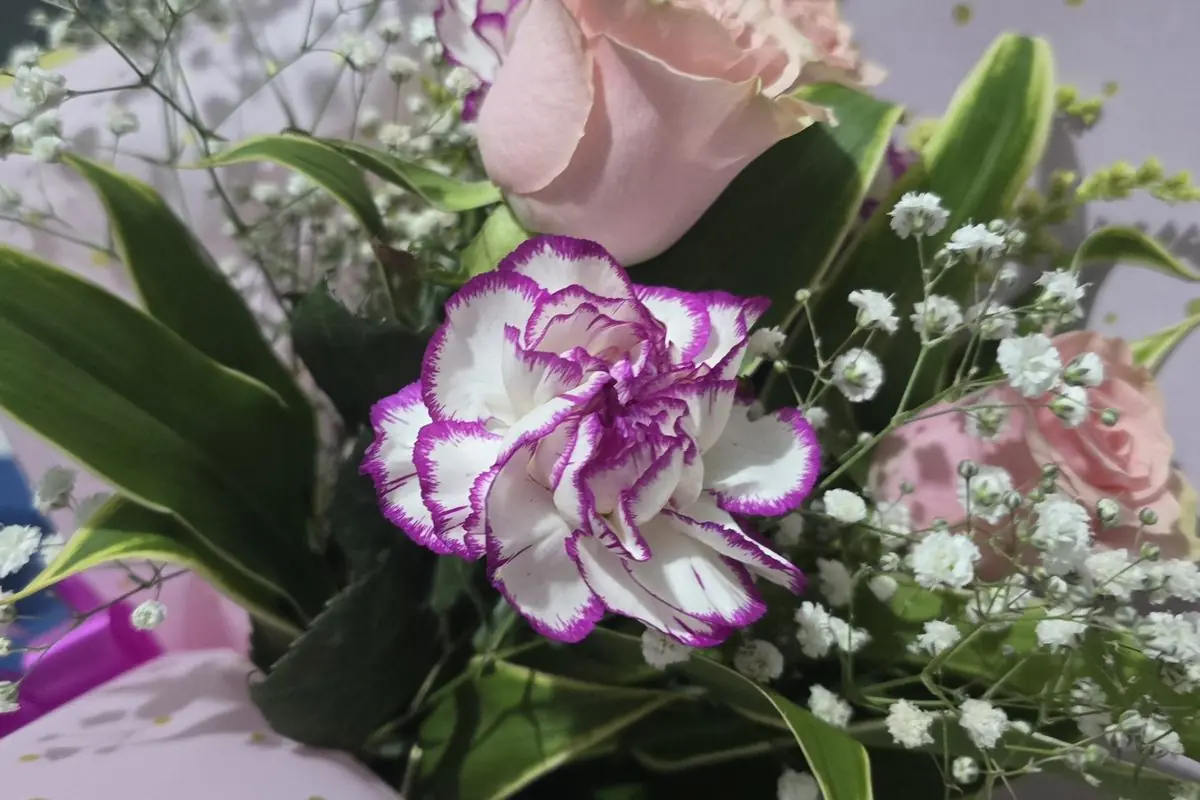
Many florists still take orders on the afternoon of November 19 or the morning of November 20, but choices and delivery times can be limited.
If you need delivery at a specific time, ordering several days ahead is more practical.
In Hai Phong, another option is buying loose flowers from a local market and wrapping them yourself.
Handwritten cards: inexpensive but personal
A meaningful Teachers’ Day card doesn’t need elaborate language.
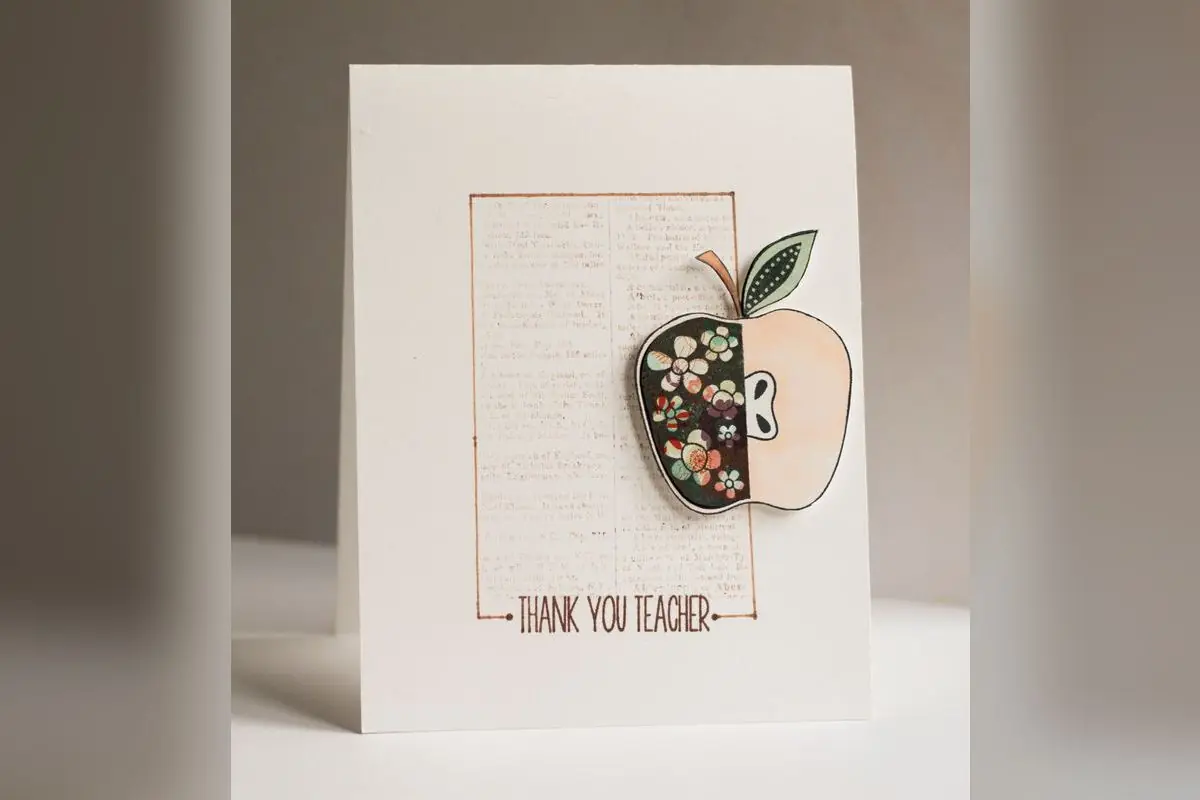
For younger children, let them draw something they enjoy at school, then help them write down what they want to say.
For example:
I love it when you tell us stories. Happy Teachers’ Day!
Older students can include a specific memory.
Instead of writing a formal message about being forever grateful for a teacher’s enormous contributions, they might say:
I still remember the afternoon you stayed after class to explain the math problem I couldn’t understand.
The second message feels personal because it recalls something that actually happened.
Small practical gifts
Other options include notebooks, pens, books, simple handmade items, or small personal accessories.
A book makes more sense if you know what the teacher enjoys reading.
As for pens, think twice before assuming a teacher needs more.
Reusable mugs, scarves, and desk plants are also common gift ideas, but consider whether the teacher will actually use them.
A potted plant can look nice in a shop and still become something the recipient has to carry home and maintain.
Avoid choosing perfume, skincare products, or supplements unless you know the teacher’s preferences and needs.
The purpose of a Teachers’ Day gift isn’t to impress someone with its price.
A small gesture that creates no obligation is usually easier for everyone.
6. What are good Teachers’ Day gifts for preschool teachers?
For parents with children in nursery or kindergarten, choosing a November 20 gift can be surprisingly difficult.
Young children can’t write their own messages yet, while parents naturally want to thank the people who care for their children every day.
A card made by your child
This is one of the easiest choices when a child can draw, color, or use simple craft materials.
Fold a piece of A5 cardstock and let your child draw their teacher, classroom, favorite toy, or school activity.
Add the child’s name and the date, November 20, 2026.
There’s no need to correct every crooked line or color that goes outside the drawing.
It’s your child’s work, after all.
For toddlers, parents can help create a simple card with a handprint using child-safe materials, a drawing, or a photograph where permitted by the school.
A small bouquet your child can carry
Preschoolers may struggle with oversized bouquets or heavy flower baskets.
A single sunflower, a few carnations, or a small wrapped bouquet is easier for a child to hand over personally.
If several teachers care for the same class, parents may prefer similar gifts for each person rather than creating an unintended comparison.
It is also sensible to ask whether the classroom accepts fresh flowers.
Some preschool rooms have very limited space, especially those used by younger children.
A shared thank-you gesture
In classes with two or three main teachers, some parents consider a collective thank-you.
Rather than purchasing separate expensive gifts, families could help children make individual cards or take part in an appreciation activity approved by the school.
However, an informal personal gesture is different from a financial contribution organized by the official parent representative committee.
New regulations effective November 15, 2026, place restrictions on how these committees can collect and use support.
Gifts that may be less appropriate
Expensive jewelry, luxury accessories, and cash envelopes can put teachers in an uncomfortable position.
Homemade food and sweets aren’t always ideal either.
Teachers may have allergies or dietary restrictions, while schools may have rules about outside food.
You don’t need to buy a gift because another parent says everyone else is doing it.
A family can show appreciation through a thoughtful message and respectful cooperation throughout the school year without giving a physical present.
7. Gift ideas for primary school, secondary school, and former teachers
Different teachers have different circumstances.
One type of gift for everyone doesn’t always fit.
Homeroom teachers
A handwritten card from students is an easy starting point.
For primary school children, parents can help prepare materials while letting the children write or draw their own messages.
Secondary school students can usually organize cards and appreciation activities themselves.
Keep any bouquet to a manageable size.
A teacher may receive flowers from several classes in one morning while still carrying teaching materials, a handbag, and other belongings.
Subject teachers
Students don’t need to create a list of every teacher and purchase a separate gift for each one.
A card for a teacher who made a particular difference, or participation in a school-organized appreciation activity, is enough.
Even a quick thank-you after class works.
University lecturers
Emails and handwritten notes are natural ways to express gratitude, especially when you’re living far away.
If a lecturer is currently supervising or grading your thesis, dissertation, or academic work, avoid expensive gifts.
At that stage, a gift can make people wonder whether the grading is fair.
Retired teachers
A conversation may mean more than a present.
You could call, send a health and well-being message, or arrange a visit with a few former classmates.
A modest bouquet, a book, an album of old class photographs, or a local specialty the teacher enjoys can be suitable.
Avoid buying large quantities of food without knowing whether the recipient wants or can eat it.
8. Should parents contribute money for Teachers’ Day gifts?
Parents need to understand the difference between a voluntary personal gift and a contribution collected through an official parent representative committee.
November 20, 2026, is the first Vietnamese Teachers’ Day after the Ministry of Education and Training’s new rules on parent representative committees take effect.
The circular was issued on September 28, 2026, takes effect on November 15, 2026, and replaces the 2011 rules on parent representative committees.
Parent committees cannot require families to contribute money
The new regulations prohibit parent representative committees and their members from imposing mandatory contributions, setting average or minimum contribution amounts, or pressuring parents to provide support.
These committees also may not collect, receive, or manage money intended as support for their activities.
Where permissible support is involved, parents may voluntarily provide goods or services or pay suppliers directly.
Importantly, the new rules prohibit requesting or using support for committee activities to pay for gifts, bonuses, remuneration, or other benefits for teachers, school administrators, and educational support staff.
Can parents personally give teachers a gift?
Vietnam’s Law on Teachers does not contain a specific blanket prohibition on every voluntary gift from students or parents on November 20.
However, the law prohibits teachers from forcing students to provide money or goods beyond what regulations permit.
Gift-giving must also comply with other applicable laws and individual school policies.
It would therefore be incorrect to interpret the committee regulations as a ban on every bouquet or handmade card.
Even without a blanket ban, a very expensive or badly timed gift is still a bad idea.
Families can choose a simple card, thank-you message, or small bouquet while respecting their school’s rules.
What if a group of parents wants to buy a joint gift?
First, establish whether the arrangement is an activity of the official parent representative committee and check the rules that apply.
Some parents may privately discuss personal gifts outside the committee’s activities. Even then, it is sensible to ask about school policy, particularly when the gift involves cash or substantial value.
Avoid setting fixed contributions, publishing lists of families who haven’t paid, or identifying children whose parents choose not to participate.
A message in a parent chat group shouldn’t make anyone feel they must transfer money to prevent their child from being treated differently.
An appreciation activity that doesn’t involve financial contributions is often easier to organize, particularly in classrooms with families from different cultural backgrounds.
9. Is giving teachers cash in an envelope appropriate?
Cash envelopes are more sensitive than cards or flowers.
In Vietnam, cash can be a practical gift in certain social situations, but the relationship between parents, students, and teachers requires particular care.
Giving a large amount of money, especially privately before examinations or while asking a teacher for special treatment, can create serious concerns.
Are cash envelopes completely banned?
The Law on Teachers 2025 does not specifically state that every cash envelope given on November 20 is prohibited.
However, individual situations must still comply with anti-corruption rules, professional conduct requirements, school regulations, and other applicable laws.
Parents should not assume they have an unrestricted right to offer cash or that teachers are expected to accept it.
What if other parents say everyone is contributing?
No need to argue at length in the class group chat.
A polite reply could be:
Thanks for organizing and sharing the information. Our family has decided to help our child make a personal card for the teacher this year.
You can respect your child’s teacher and still not chip in.
The ministry’s new circular also provides that whether parents support committee activities must not affect their children’s lawful rights and interests or be used as grounds for discrimination or disadvantage.
10. How should foreign families celebrate Teachers’ Day in Vietnam?
If you’ve recently moved to Vietnam and your child attends a Vietnamese school, November 20 may feel busier than expected.
Parent chat groups become active, children rehearse songs, and florists stock special Teachers’ Day bouquets.
The holiday’s Vietnamese name may also appear in school notices without much explanation.
First, Teachers’ Day is about thanking teachers, and nobody can require you to buy presents.
If your child attends a Vietnamese school
Read the school’s announcement carefully.
Help your child prepare whatever cards or flowers the school asks students to bring.
There’s no need to purchase an additional personal gift when the school has already planned a collective appreciation activity.
For young children who don’t speak much Vietnamese yet, a very simple sentence is enough:
Con chúc cô ngày 20/11 vui vẻ ạ!
This roughly means, "I wish you a happy Teachers’ Day!"
Parents can also add a short English message.
A teacher may particularly appreciate a note about something specific, such as helping a child settle into a new classroom, learn Vietnamese, or make friends.
If your child attends an international school
International schools in Vietnam each handle November 20 differently.
Some organize Vietnamese Teachers’ Day activities, while others mainly observe different teacher appreciation dates.
Policies on receiving gifts may also vary.
Before purchasing anything, you can ask the school office:
Does the school celebrate Vietnamese Teachers’ Day on November 20, and are students allowed to give teachers cards or small gifts?
This question establishes whether the school observes the occasion and what gifts, if any, are permitted.
There is no need to ask an individual teacher how much money you should spend.
Do foreign tourists need to do anything?
Generally, no.
Vietnamese Teachers’ Day is not a nationwide tourism holiday, and visitors are not expected to participate in school celebrations or bring gifts.
Restaurants, hotels, attractions, and transportation services don’t all close because of November 20.
Areas near schools or flower shops may be busier around arrival times and school ceremonies.
Some performances and celebrations take place on school grounds.
If you’re interested in observing these activities, respect school access rules and avoid photographing children closely or publishing their pictures without permission.
Teachers’ Day offers a glimpse into Vietnamese school culture, but visitors don’t need to enter a school event to appreciate the tradition.
11. When and how should you give a Teachers’ Day gift?
The timing of a gift often matters more than its wrapping.
For current students, suitable opportunities include a school-approved gift exchange, a class appreciation event, or a convenient moment before or after lessons.
Avoid entering the teachers’ office without permission or interrupting someone in the middle of teaching.
Should you give flowers on November 20 or the day before?
November 20, 2026, is a Friday, so many schools may organize celebrations that morning.
If the school has scheduled a program, follow its arrangements rather than trying to deliver gifts earlier.
For flowers, you could arrange to collect a bouquet on November 19 and bring it to school the following day.
Make sure you can store the flowers properly overnight.
Ordering delivery for the exact starting time of a school ceremony is less reliable.
The recipient may be in an assembly hall, performing on stage, or unable to answer their phone.
Should you visit a teacher at home?
Not unless you know the teacher well and have arranged the visit beforehand.
Don’t turn up at a teacher’s home unannounced with gifts.
For former teachers, send a message or call first to ask whether a visit would be convenient.
Visiting on a day other than November 20 is fine too.
A conversation the following weekend, when everyone has more time, may be more enjoyable than a rushed visit during a busy school day.
Is it appropriate to post gift-giving photos on social media?
Yes, provided the people appearing in the photographs agree and the posts comply with school rules.
Not every gift exchange needs to be made public.
Be especially careful when pictures include children, other parents, or personal information.
A private thank-you doesn’t become less meaningful because it isn’t posted on Facebook.
12. Vietnamese Teachers’ Day wishes and messages
A good Teachers’ Day wish can be plain and simple.
Choose a message that fits your relationship with the teacher, then personalize it where possible.
Messages for preschool teachers
Message 1 - From parents:
Happy Vietnamese Teachers’ Day! Thank you for taking such good care of our child and for making the classroom a welcoming place. Wishing you good health, happiness, and many enjoyable days with your students.
Message 2 - From a young child:
Happy Teachers’ Day! Thank you for teaching me songs, telling me stories, and playing with me every day!
Message 3 - For several preschool teachers:
Wishing all of you a wonderful Vietnamese Teachers’ Day. Thank you for your patience, kindness, and the care you give our children every day.
Messages for homeroom teachers
Message 4 - From a student:
Happy Vietnamese Teachers’ Day! I wish you good health and happiness. Thank you for looking after our class and helping us throughout the school year.
Message 5 - A simple message for a teacher:
Wishing you a wonderful Teachers’ Day. Thank you for your lessons, encouragement, and patience with us.
Message 6 - From parents:
Thank you for guiding and supporting our child this school year. Wishing you good health, happiness, and a meaningful Vietnamese Teachers’ Day.
Messages for former teachers
Message 7 - Warm and straightforward:
Happy Vietnamese Teachers’ Day! Although I graduated years ago, I still remember your lessons and kindness. Wishing you good health and many happy moments.
Message 8 - For a retired teacher:
Wishing you a peaceful and happy Teachers’ Day. I hope retirement brings you plenty of time to relax and enjoy life with your family. I’m still grateful for the opportunity to have been your student.
Message 9 - When you haven’t been in touch for years:
Happy Vietnamese Teachers’ Day! This is [name] from your [class/year]. I still remember our lessons together and wanted to send you my best wishes. I hope you’re doing well.
Short messages in Vietnamese
If you’re learning Vietnamese, you may want to write a greeting in the local language.
Message 10 - Simple and polite:
Chúc mừng Ngày Nhà giáo Việt Nam 20/11! Em chúc thầy cô luôn mạnh khỏe và hạnh phúc.
Happy Vietnamese Teachers’ Day! I wish you good health and happiness.
Message 11 - For a female preschool teacher:
Con chúc cô ngày 20/11 thật vui ạ! Con cảm ơn cô đã chăm sóc và dạy dỗ con.
Happy Teachers’ Day! Thank you for caring for me and teaching me.
Message 12 - From parents:
Gia đình cảm ơn cô đã luôn quan tâm và đồng hành cùng con. Chúc cô một ngày 20/11 thật nhiều niềm vui!
Our family thanks you for your care and support. Wishing you a very happy Teachers’ Day!
In Vietnamese, thầy commonly refers to a male teacher and cô to a female teacher. Thầy cô can be used when addressing teachers collectively.
You can use these messages as written, but adding one genuine detail will make them more personal.
For example, instead of simply thanking someone for helping your child settle into school, mention the specific thing the teacher did during your child’s first week.
Three thoughtful sentences are enough.
13. Choosing the right gift for your situation
As November 20 approaches, you can make the decision easier by thinking about your relationship with the teacher.
Families with preschool children: A handmade card, a brief thank-you from parents, and perhaps a small bouquet if permitted by the school are suitable. Let your child take part in preparing the gift rather than simply handing over a bag selected by an adult.
Primary and secondary school students: A handwritten note, one flower, or participation in a school-organized appreciation activity is enough. Avoid turning gift-giving into a competition between classmates.
Adults who have already graduated: A message recalling a specific memory, a phone call, or an arranged visit may be more meaningful than a physical present.
Foreign parents new to Vietnam: Check the school’s schedule and gift policy first. If you’re unsure what is acceptable, a simple thank-you card is a good starting point.
People sometimes ask how much they should spend on Vietnamese Teachers’ Day gifts.
There isn’t one appropriate amount for every teacher or school.
A gift should be affordable, consistent with the relevant rules, and free from expectations of special treatment or academic advantages.
Those considerations matter far more than the price on the receipt.
14. When should you start preparing for November 20, 2026?
You don’t need to plan weeks ahead, but leaving everything until Friday morning can make the day unnecessarily complicated.
- Before November 15
Ask the school, pick a thank-you
Parents can check the school calendar, ask about planned celebrations, and confirm whether the school has any specific gift policies.
Decide now how your family wants to say thank you.
For younger children, you could buy some colored paper, pencils, and glue, then spend a short evening making a card together.
If you want a particular flower arrangement or delivery time, contact the florist early and confirm current prices and availability.
- November 16-19
Finish cards, confirm flowers
Students can finish their cards and write their messages.
Confirm the bouquet, delivery location, and collection or delivery time with the florist.
Double-check the school address, especially if it has several campuses or entrances.
Around now, ask former teachers when they’d be free for a visit.
Don’t organize a reunion and inform the teacher only when everyone is already on the way.
Teachers have their own schedules during the celebration week.
- November 20
Give cards, send wishes
Children go to school as the school has announced, join any planned activities, and give their cards or greetings at an appropriate time.
Most employees follow their normal Friday work schedule unless they have arranged leave.
A message still works if you haven’t bought flowers or a present.
A short phone call at a convenient time can be just as thoughtful as a bouquet delivered to someone’s door.
Frequently asked questions
What day is Vietnamese Teachers' Day in 2026, and is it a public holiday?
Vietnamese Teachers' Day falls on Friday, November 20, 2026. It is not a nationwide paid public holiday under Vietnam's Labor Code. School schedules vary, and teachers may have adjusted timetables for celebrations. The separate new paid holiday in November 2026 is Vietnamese Culture Day on Tuesday, November 24.
When was Vietnamese Teachers' Day first celebrated?
November 20 was first celebrated in northern Vietnam in 1958. The occasion was officially designated Vietnamese Teachers' Day by Decision No. 167-HĐBT, issued on September 28, 1982. The year 2026 marks 44 years since then.
What is an appropriate Teachers' Day gift for a preschool teacher in Vietnam?
A handmade card from your child, a small bouquet, or a personal thank-you message are all thoughtful choices. Check your school's gift policy first. Avoid expensive presents, cash envelopes, and personal products whose suitability you're unsure about. If several teachers care for your child, consider how to thank them without creating uncomfortable comparisons.
Are parents required to contribute money for Teachers' Day gifts?
No. New Ministry of Education and Training rules, effective November 15, 2026, prohibit official parent representative committees from imposing mandatory contributions, setting minimum support amounts, or collecting and managing financial support. Support for committee activities must not be used to buy gifts for teachers. A parent's decision not to contribute must not disadvantage their child.
What should I write in a Vietnamese Teachers' Day card?
A short, sincere message works well: "Happy Vietnamese Teachers' Day! Thank you for your kindness, patience, and everything you've taught us. Wishing you good health and happiness." For a former teacher, add a genuine memory from your school days. For a preschool teacher, mention something your child particularly enjoys about the classroom.