Vietnam solo travel itineraries for 7 or 14 days
Seven days lets you settle into one region; 14 days gives you room to connect the north, center and south. Fewer stops mean more time to meet people and fewer tiring transfers.
 23 min read
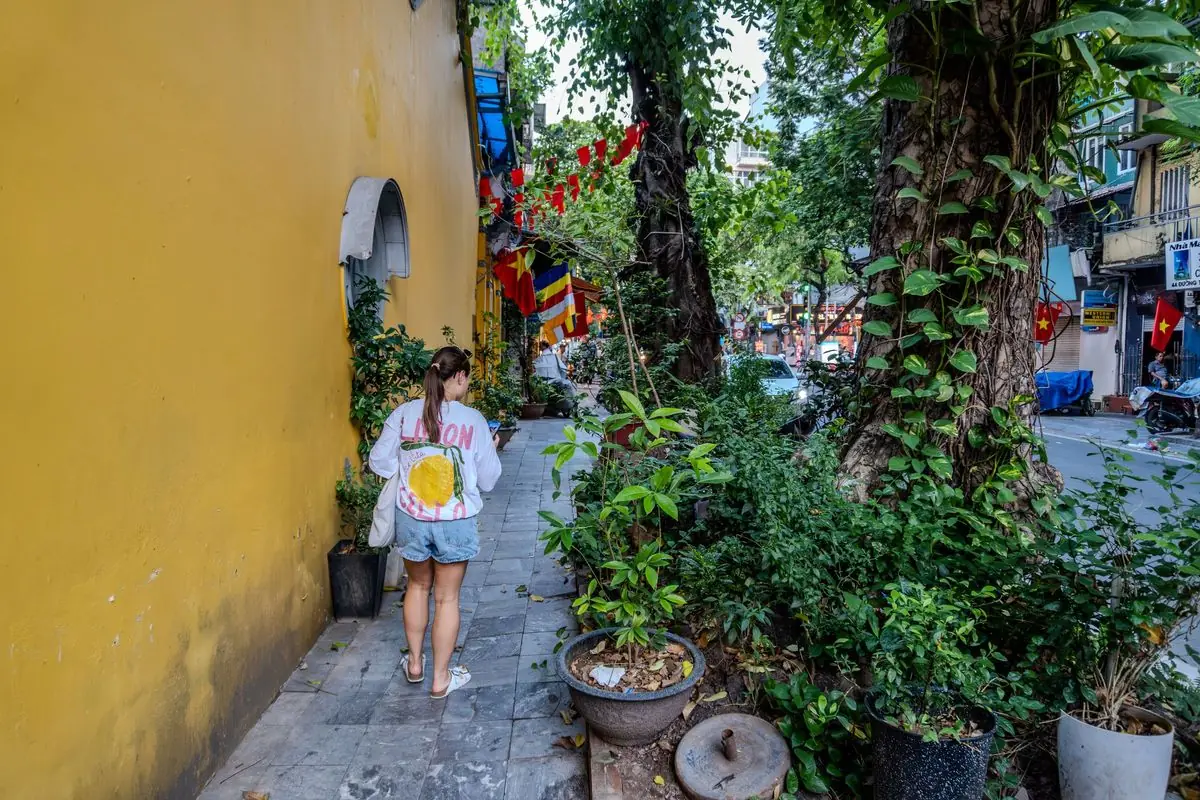
On day one in Hanoi, just walk around your area.
Is Vietnam a good country for your first solo trip?
The SE3 train leaves Ninh Binh at 9:36 p.m. and reaches Hue at 7:50 a.m. the following morning. That single journey shows how manageable Vietnam solo travel can be: you can book your own berth, wake up in a different region and continue without a tour group. For a first-time visitor, including a woman traveling alone, the key is a sensible route, accommodation with recent reviews and enough time to deal with delays.
It is not necessary to be fearless, speak Vietnamese or know how to ride a scooter. It helps much more to land during daylight, know where you will sleep that night and resist the urge to see the entire country in one week. Vietnam is long. A trip that looks neat on a map can involve lengthy road transfers, ferries and airport journeys that take most of a day.
This guide focuses on the decisions solo backpackers actually face: where to begin, the best places in Vietnam for solo travelers, how to find a hostel with a friendly atmosphere rather than nonstop noise, whether group tours are worthwhile, how to travel between cities, where to eat without company, how much to set aside each day and what female travelers should know about safety. There are ready-to-use routes for seven and 14 days, with room to adjust them to your flight and the weather.
Seven days or 14 days: choose your pace first
For seven days, staying in northern Vietnam is the more enjoyable decision for most first-timers. Hanoi gives you city life and food; Ninh Binh gives you limestone landscapes and cycling; Cat Ba adds the chance to join a boat tour around Lan Ha Bay. None requires you to own or rent a motorcycle. Each stop also has other travelers following a similar route, which makes it relatively easy to find someone for dinner or a day out.
You will miss Hue, Hoi An, Ho Chi Minh City and the Mekong Delta on this itinerary. That is fine. The value of a short solo trip is having spare hours to follow a recommendation from someone you just met rather than watching the clock until the next bus leaves.
For 14 days, a north-to-south route becomes possible without turning every other day into a transfer day. Hanoi, Ninh Binh, Hue, Hoi An and Ho Chi Minh City provide a combination of busy urban areas, countryside, heritage sights and relaxed evenings. The suggested route includes an overnight train and a domestic flight. Skip a destination if you prefer longer stays; there is no prize for squeezing in every famous location.
The easiest places in Vietnam to explore alone
Hanoi
The best starting point if you want people around
Hanoi is busy, sometimes loud and full of small places to eat alone. Its Old Quarter has backpacker accommodation, food walks, cooking classes and agencies selling shared excursions to Ninh Binh and Ha Long Bay. The area around Hoan Kiem Lake is useful for orientation: you can walk around the water, identify your hostel street, find an ATM and buy a SIM before committing to a complicated day.
Allow yourself a low-pressure first afternoon. A walk, a meal and an early night may be all you need after a long-haul flight. Crossing the road requires attention because motorcycles can appear from unexpected directions, and sidewalks are not always clear. Use marked crossings and traffic signals where available, and keep looking as you cross.
Hanoi is also a good place to meet other travelers, but keep your schedule independent. Meeting someone at breakfast who is heading to Ninh Binh tomorrow is a chance to share a car or meet there later, without immediately booking the same hostel, bus and next three destinations.
Tam Coc and Ninh Binh
Countryside without total isolation
Many travelers say they are staying in Ninh Binh when their accommodation is actually around Tam Coc, the tourist-friendly village area. That distinction matters. Ninh Binh railway station is not at the Tam Coc boat pier; you need an onward ride. Tam Coc is convenient for guesthouses, cafes, bicycle rentals and other backpackers going to Trang An or Mua Cave.
Rent a bicycle where roads and weather allow, enjoy the limestone views and book one major activity rather than three. Trang An is known for longer scenic boat routes through caves and temple stops; Tam Coc is closer to much of the traveler accommodation and its own boat route begins at Van Lam pier. Solo travelers can ask at the ticket office about sharing a boat with other visitors.
Trang An’s 2026 adult admission is VND 300,000. The old VND 250,000 rate no longer applies. Go earlier in the day when possible, protect yourself from the sun and allow several hours instead of squeezing the boat trip between two transport connections.
Cat Ba
Join a bay tour rather than hire a boat
Cat Ba gives a solo traveler the sea without requiring a private cruise. Stay near the town’s main services, book a shared Lan Ha Bay day tour, and make sure you understand exactly what is included. Some trips focus on sightseeing; others include kayaking, swimming or lunch. A tour can change or be canceled because of sea conditions, so treat those activities as weather-dependent.
Cat Ba Beyond’s shared services start at VND 350,000 per person, one way, both for Hanoi-Cat Ba and Ninh Binh-Cat Ba. Journey times are around 3.5 hours from Hanoi and 4.5-5 hours from Ninh Binh, depending on the service. The actual fare depends on the departure time and vehicle type.
Choose a sailing company that can explain passenger numbers, life jackets, weather cancellation rules and pickup arrangements. If the forecast is poor, stay on land or move to another destination. Changing your own plans is one of the perks of traveling solo.
Hue
A quieter pause between long journeys
Hue has the Imperial City, the Perfume River, Dong Ba Market and royal tombs beyond the center. It works well after an overnight train because you can spend the arrival day doing something uncomplicated: drop your luggage, eat breakfast and decide how much energy you have left. The 2026 adult ticket for the Imperial City is VND 200,000. Additional monuments have separate admission arrangements or combination tickets, so decide whether you really want a full day of historic sites.
The area around Vo Thi Sau Street makes a good hostel base, with restaurants and traveler accommodation. Hue is an especially good place to try a small guesthouse when you need rest. A social hostel might be enjoyable on your first night, but a quiet bed after ten hours on a train can be the better purchase.
Hoi An
Easy evenings, group activities and beaches
Hoi An is one of the easiest places to settle into a slower routine. You can spend a morning in the Ancient Town, join a cooking class, cycle in appropriate conditions and share a taxi to An Bang Beach with hostel guests. The Old Town’s walking areas make it more comfortable to explore on foot than the busiest streets of Hanoi or Ho Chi Minh City.
Hoi An’s Ancient Town has VND 80,000 and VND 120,000 ticket options, each covering a different number of heritage attractions. Choose based on the sites you actually plan to enter. Walking around the area and buying a ticket for designated heritage visits are not the same thing; follow the ticket rules displayed locally.
Hoi An is also where an extra day can improve your trip considerably. After several transfers, being able to wake up without packing gives you time to get to know people you’ve already met instead of starting from zero every morning.
Ho Chi Minh City
Food, culture and a final group excursion
Ho Chi Minh City is a useful final stop because it has an international airport, large numbers of places to eat and day tours to the Mekong Delta. Its central backpacker streets can be fun but noisy. Light sleepers will find a hostel away from the busiest bars worth the extra walk or short ride.
Not every day here needs a tour. Museums, cafes and local meals are easy solo activities. A small-group food walk or a Mekong day trip can provide company when you feel like it. Save a flexible day near the end for laundry, shopping or recovering from a delayed transfer.
Other popular stops such as Sa Pa, Ha Giang, Phong Nha, Da Lat and Phu Quoc are all worth visiting, but they require different trade-offs. Mountain journeys mean more time on winding roads; island trips can be weather-sensitive; cave adventures need reputable guides. They make better alternatives to an existing stop than extra stops squeezed onto an already busy route.
A practical Vietnam solo travel itinerary for 7 days
This northern loop begins and ends in Hanoi. Ideally, your international flight leaves on day eight, after your final night in the city. If you must fly on day seven, shorten the island section and return to Hanoi earlier. A boat tour followed immediately by a ferry, a road transfer and an international flight is too much risk for an otherwise relaxed trip.
| Day | Where you sleep | What to do | One practical detail |
|---|---|---|---|
| 1 | Hanoi | Check in, walk around Hoan Kiem Lake, eat nearby | Avoid an ambitious tour after landing |
| 2 | Hanoi | Old Quarter, one museum or Temple of Literature, a group activity | A food walk is an easy way to meet people |
| 3 | Tam Coc | Travel to Ninh Binh, transfer to Tam Coc, explore locally | Confirm where the bus or train actually stops |
| 4 | Tam Coc | Trang An boat ride; Mua Cave if you still have energy | Keep several hours free for the boat and transfers |
| 5 | Cat Ba | Shared bus from Ninh Binh, settle into the island | Do not book a tightly timed afternoon activity |
| 6 | Cat Ba | Shared Lan Ha Bay cruise, conditions permitting | Ask about life jackets and weather cancellations |
| 7 | Hanoi | Return to Hanoi and spend a final night | Leave a large buffer before your onward flight |
Days 1 and 2: get comfortable in Hanoi. Spend your first morning learning how the streets and traffic work. Pick a museum, a walk or a coffee stop, then use the afternoon for an organized small-group activity. A food tour means you won’t need to find a dining companion before trying local dishes. It is fine to decline when a fellow guest suggests a last-minute excursion to somewhere hours away. You already have a workable plan.
Days 3 and 4: slow down in Tam Coc. Travel from Hanoi by rail or a reputable shared road service. Check whether your vehicle arrives at Ninh Binh station, a bus office or a pickup point closer to Tam Coc. After checking in, spend the afternoon near the river. On day four, visit Trang An, preferably earlier in the day. Arrange your return transfer before setting off so you are not negotiating a ride with a nearly empty phone at the end of a long, hot boat trip.
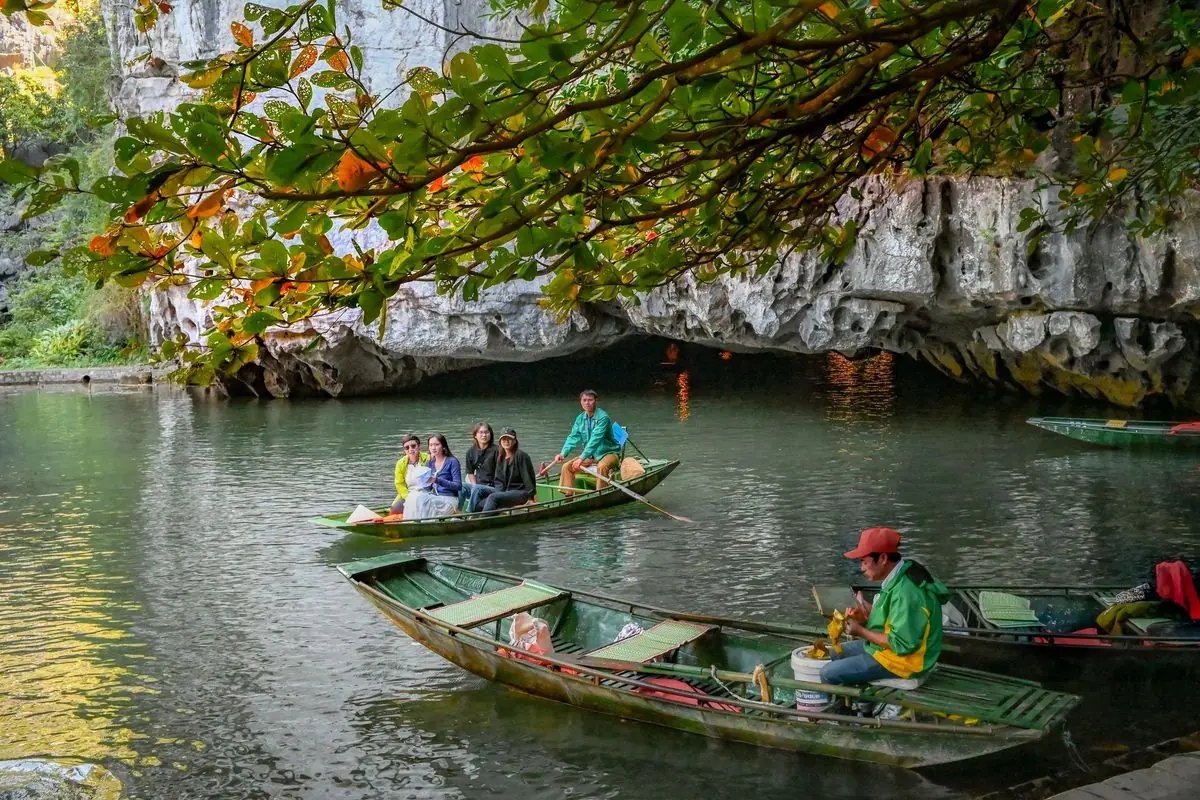
A hill climb at Mua Cave can be rewarding but tiring in heat or rain. Skip the climb when the boat tour runs longer than expected. One of the pleasures of traveling by yourself is not having to apologize to anyone for changing your mind.
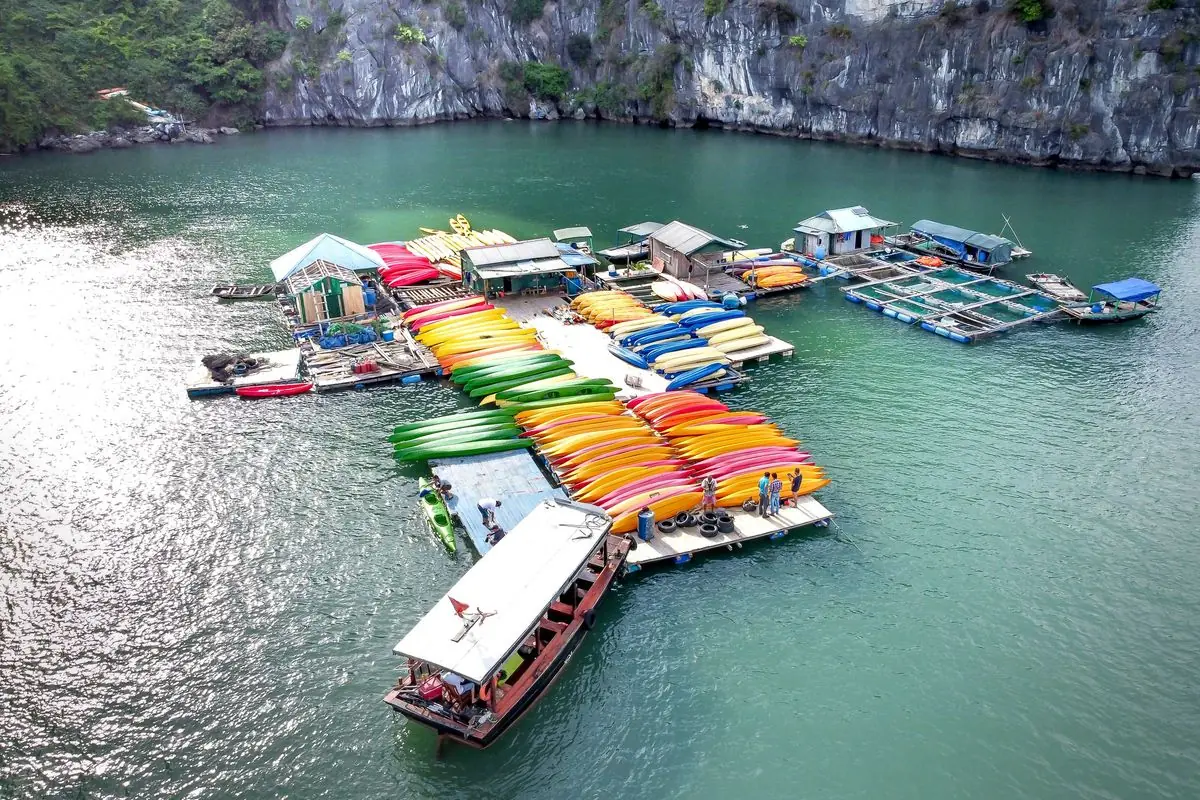
Days 5 and 6: head for Cat Ba. A through-ticket for the land journey and island connection can simplify things; confirm the actual pickup location and whether the ferry or other island crossing is included. On the island, use your first afternoon to ask about the next day’s conditions. A shared Lan Ha Bay trip is an easy place to meet people. You might sit with a traveler from your hostel or chat with others on deck, but you can also enjoy the scenery quietly.
Day 7: return to Hanoi. If your departure is on day eight, you have breathing room. Flying out on day seven means sleeping in Hanoi the night before. Ferry connections, weather and traffic are not under your control, and international check-in deadlines will not move to accommodate them.
A 14-day north-to-south Vietnam solo travel itinerary
Fourteen days allows more variety without making transport the main event. The suggested route is Hanoi → Tam Coc → Hue → Hoi An → Ho Chi Minh City. It deliberately leaves out Sa Pa, Ha Long Bay and Da Lat. They deserve more time than a rushed stop between buses.
| Day | Overnight base or journey | Main plan |
|---|---|---|
| 1 | Hanoi | Arrival, hostel check-in, local dinner |
| 2 | Hanoi | Old Quarter, lake, one cultural sight |
| 3 | Hanoi | Walking tour, cooking class or relaxed city day |
| 4 | Tam Coc | Transfer to Ninh Binh and explore by bicycle |
| 5 | Overnight train | Trang An or Mua Cave; travel from Ninh Binh to Hue in the evening |
| 6 | Hue | Arrive, drop bags, Imperial City if rested |
| 7 | Hue | Dong Ba Market, one royal tomb or a food tour |
| 8 | Hoi An | Road transfer via Da Nang, afternoon at leisure |
| 9 | Hoi An | Ancient Town, heritage sites and local food |
| 10 | Hoi An | An Bang Beach or cooking class; social hostel evening |
| 11 | Ho Chi Minh City | Transfer to Da Nang Airport and fly south |
| 12 | Ho Chi Minh City | Central sights, museum or evening food tour |
| 13 | Ho Chi Minh City | Shared Mekong Delta day trip or free day |
| 14 | Ho Chi Minh City | Breakfast, packing and airport transfer |
Ten hours overnight is a long time, so consider a sleeper berth rather than trying to save every last dong on an upright seat. Four-berth and six-berth cabins differ in privacy and comfort; a lower berth can also cost more than an upper one. Pack a small overnight bag so your main backpack can stay closed in a shared compartment. Keep passport, wallet and phone with you while asleep.
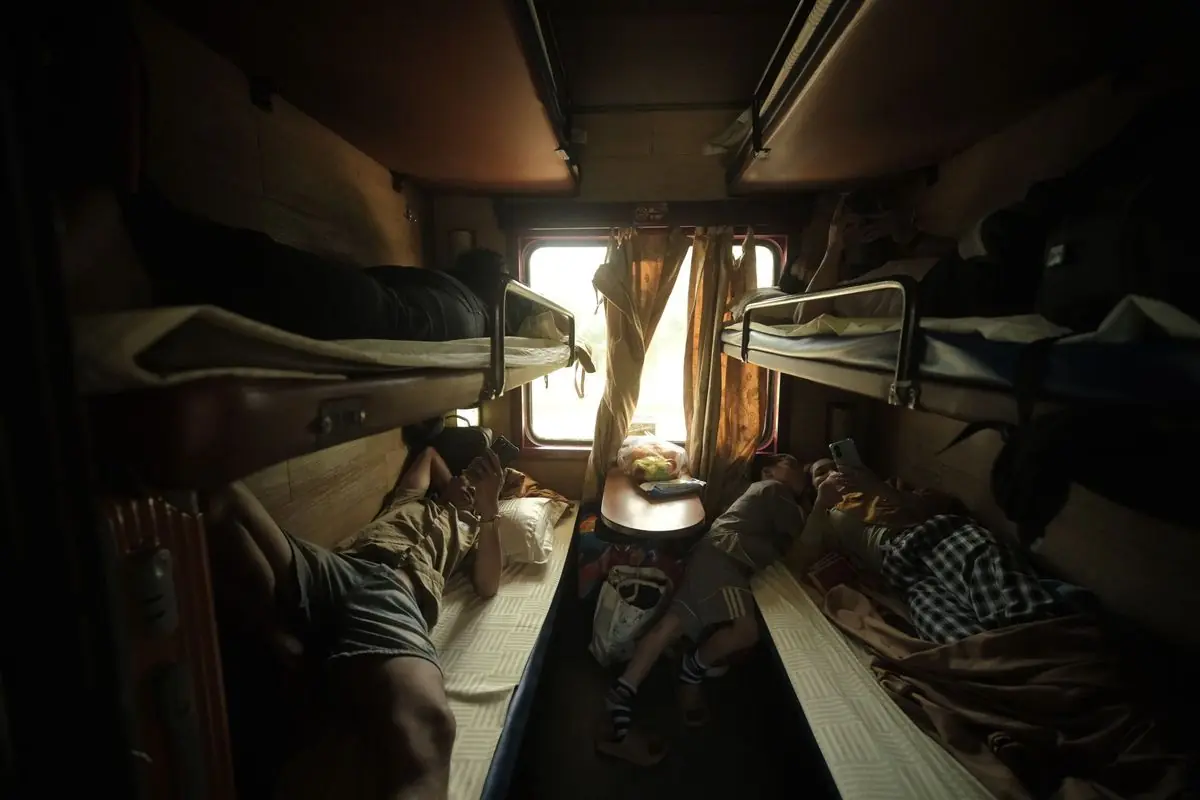
The next transition is Hoi An to Ho Chi Minh City. Hoi An does not have its own commercial airport; you normally travel to Da Nang International Airport and fly south. Compare the complete price of the journey, including baggage and the ride to the airport, not just the first number displayed. A midday flight is often easier than a late-night arrival when you are finding your next hostel alone.
What if you would rather visit the bay? Replace some of the northern days with Cat Ba and keep Hue or another destination shorter. What if you hate flying? You could travel farther south by train, but the journey takes much longer and 14 days will become tighter. What if you fall in love with Hoi An? Stay four nights and remove a different stop.
At the end of the trip, consider keeping day 13 uncommitted until you know your energy level. A full Mekong outing may be exciting, but a quiet cafe, a market visit and a relaxed dinner are also a good last full day.
How to find a social hostel without sacrificing sleep
The right hostel in Vietnam can make a solo trip feel sociable within an hour of check-in. The wrong one can turn an early departure into a sleepless night. Search for recent reviews, not just an overall rating, and read comments about lockers, air-conditioning, bathrooms, staff availability, noise and whether the common area is actually used by guests.
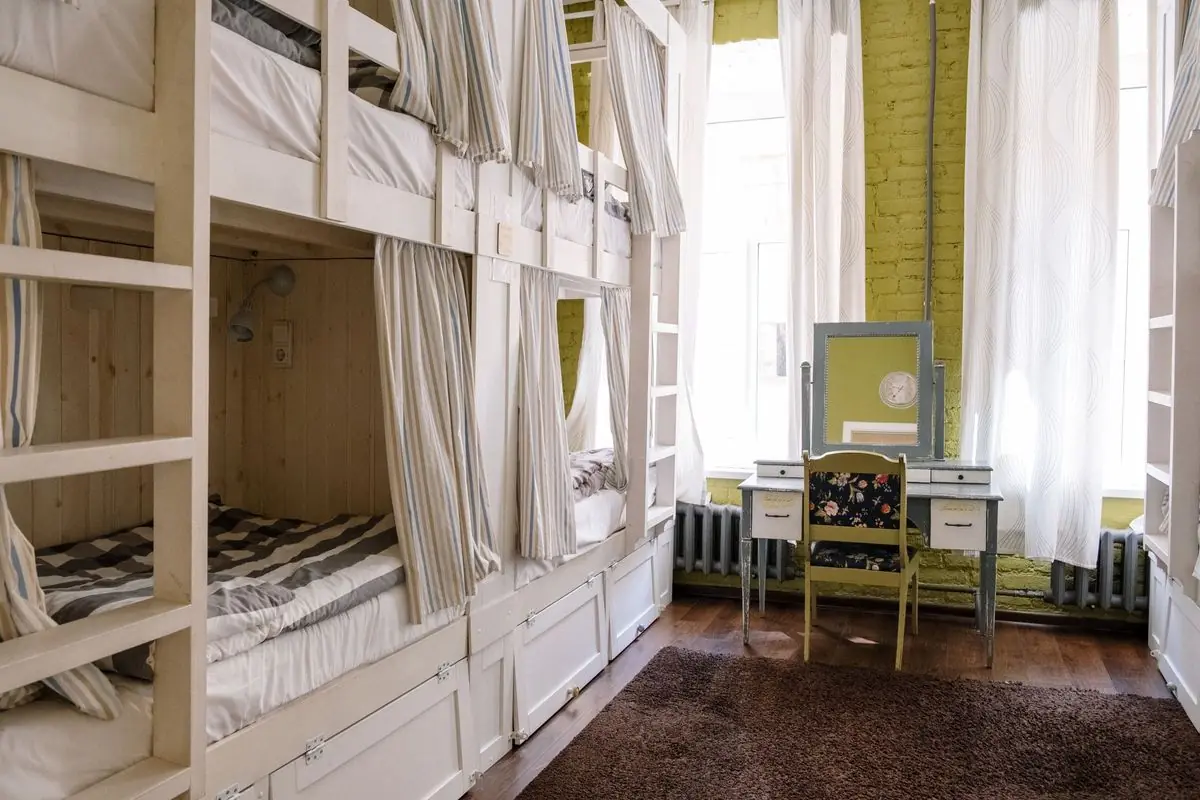
Hanoi Buffalo Hostel is in Hanoi’s Old Quarter, near the lively beer and nightlife streets. This location is convenient for meeting other backpackers and walking to food, but it may not be ideal if noise bothers you. Check which room you are booking, not just the property’s street address. A quieter hostel a few streets away can be a better choice while remaining close to everything.
At Tam Coc, The Banana Tree Hostel is a social hub, with common areas and a pool, and helps arrange local activities and onward travel. That setup makes it easy to ask whether anyone is heading to Trang An or the next town. Still, keep your valuables and future bookings to yourself until you know people better.
In Hue, Hue Happy Homestay is a smaller, quieter option near restaurants and the central area. It helps with tours and buses and has set reception and check-in hours. That last detail is important if your train or bus reaches town late. An unstaffed front desk means contacting the property before traveling or choosing somewhere else.
In Hoi An, Mad Monkey Hoi An is deliberately social. It hosts The Meet Up at 7 p.m. each evening and offers group events, female-only dorm options and an evening shuttle to the Old Town. That’s a clear advantage when you want an easy introduction to other guests. The same activity schedule might push people who need quiet toward a smaller guesthouse.
In Ho Chi Minh City, compare The Like Hostel & Cafe, City Backpackers Hostel and Saigon Rooftops Hostel. Their scale, locations and social atmosphere differ, so look into each one before booking. Read the latest traveler comments and look carefully at the distance to your preferred attractions and whether music is audible from your bed.
Meeting fellow travelers through group tours
A walking tour in Hanoi, shared boat trip at Trang An, Lan Ha Bay cruise, Hoi An cooking class or food tour in Ho Chi Minh City provides a ready-made activity without requiring you to find a travel partner in advance. Before paying, find out who actually operates the trip. Some hostels sell excursions run by other businesses. Ask for the departure point, group size, activities, exclusions, cancellation policy and emergency arrangements.
Check life jackets on any boat outing, and whether the company cancels in unsafe weather. Motorcycle experiences raise other questions: who is driving, and whether the itinerary and insurance make sense for your experience level. Never feel pressured to join an activity just because everyone in the common room is doing it.
Conversation can be simple. “Where are you heading tomorrow?” is often enough to start planning a shared lunch or sightseeing trip. You can enjoy someone’s company for one afternoon without agreeing to share transport, accommodation or personal information for the rest of your holiday.
Solo travel Vietnam tips for getting between cities
Trains are useful for Hanoi-Ninh Binh and longer sections toward Hue and Da Nang. The journey itself can be part of the experience, especially on a comfortable sleeper. Buy from Vietnam Railways or a recognizable booking platform that clearly identifies the train, date, berth or seat and departure station. Keep the electronic ticket available offline as well as in your email. Check the class before paying for a low headline fare: a soft seat is not the same as a sleeper berth.
Shared vans and coaches work well for Hanoi-Ninh Binh, Ninh Binh-Cat Ba and Hue-Hoi An. The pickup point often causes more trouble than the journey itself. A vehicle may collect travelers from selected hotels, an agency office or a bus stop rather than the main station. Request the pickup instructions in writing. Ask your hostel to identify any pickup spot you don’t recognize before departure morning.
Sleeper buses exist on many longer routes, but road journeys at night deserve caution. Driving standards, fatigue and weather can make them less comfortable and riskier than they first appear. Night-bus accidents are a known risk. Saving one hostel night is not worth much if you arrive exhausted and then have to find transport across an unfamiliar city.
Domestic flights are most useful when covering a large distance such as Da Nang to Ho Chi Minh City on a two-week schedule. Allow for airport transfers, baggage rules and possible delays. If the cheapest flight lands very late, compare the cost of a better-timed flight with the additional taxi expense and the stress of a midnight check-in.
Within a city, ride-hailing services such as Grab or Green SM can be easier than negotiating with a driver on the street where available. Match the license plate and driver details to the booking before entering. Do not follow a stranger at an airport or bus terminal who says your app driver has sent them. Walking in suitable areas, cycling on manageable roads, using cars and joining tours with licensed drivers are generally more sensible for a newcomer than renting a motorcycle without relevant experience and legal authorization.
Eating alone: Vietnam makes it surprisingly easy
Many classic Vietnamese dishes are served as single portions. Pho, bun bo Hue, cao lau, com tam and hu tieu do not require a group order. You can take a seat at a small noodle shop, point to the dish you want and eat at your own pace. Sharing a table in a busy place is common, and nobody expects you to make conversation.
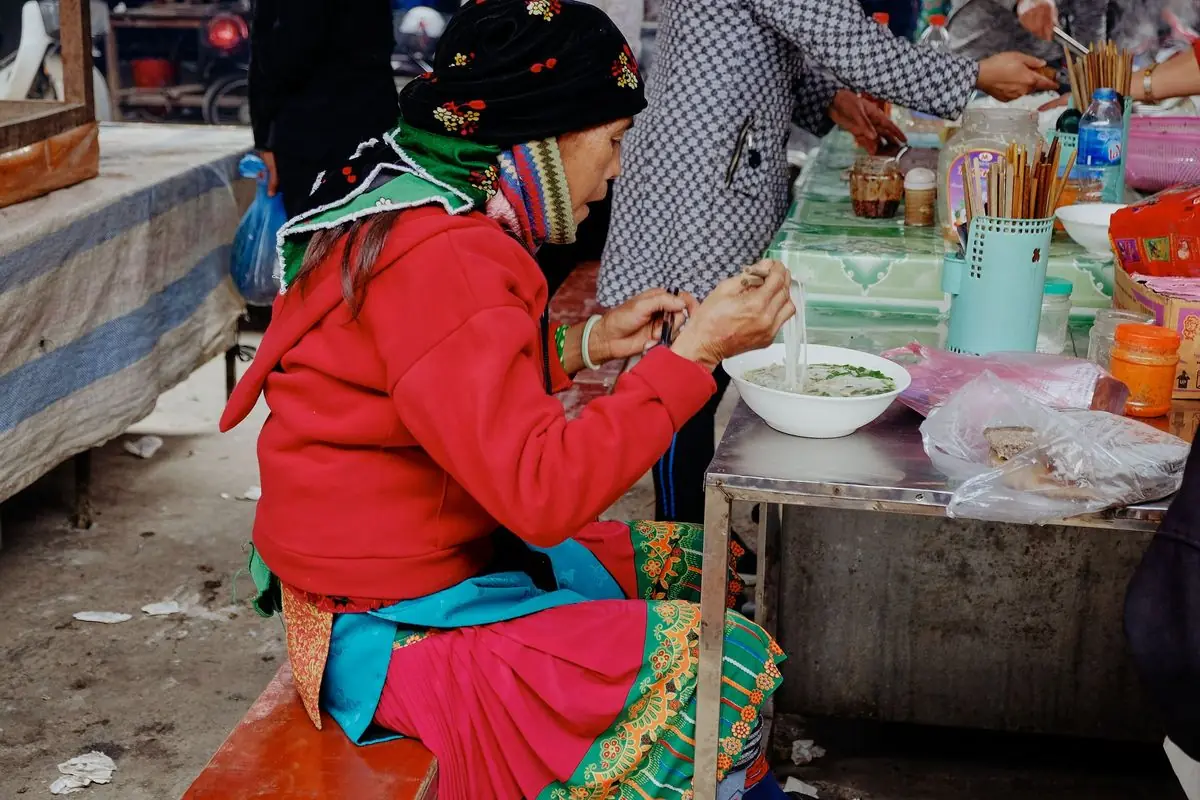
In Hanoi, Banh Mi 25 operates its main counter at 25 Hang Ca, with seating at 30 Hang Ca. It is an easy first meal when you are still getting used to the streets. Bun Cha Huong Lien at 24 Le Van Huu is a sit-down option for the city’s grilled pork and rice noodle dish. It opens from 8 a.m. to 8 p.m. and takes cash. Go outside the busiest lunch period if you would rather not queue.
In Hue, try bun bo Hue or another local noodle dish in the area around Dong Ba Market. Banh Mi Phuong at 2B Phan Chau Trinh in Hoi An is a straightforward sandwich stop, while a small cao lau or chicken-rice shop makes a good sit-down meal. In Ho Chi Minh City, rice plates, noodle soups and baguette sandwiches are particularly practical for one diner. You can enjoy a memorable food day without paying for a formal multi-course restaurant.
Food allergies need to be explained clearly in Vietnamese as well as English. A photo-based menu may not reveal ingredients in a broth, dipping sauce or garnish. Carry some small-denomination Vietnamese dong because not every casual stall accepts international cards. Before ordering in a place without a displayed menu, ask what the portion costs. A crowded shop where food is being cooked fresh may be a better choice than an empty restaurant with a long tourist menu.
Eating by yourself can feel awkward in a city where you don’t know the language, but it rarely stays that way after your first bowl of noodles. Make the first evening easy: choose somewhere close to your accommodation rather than crossing a city solely because a restaurant went viral online.
Is Vietnam safe for solo female travelers?
For someone searching “Vietnam solo travel female,” the most useful answer is: yes, many women can travel independently here, but sensible precautions still matter. The US State Department’s advisory issued on 24 June 2026 places Vietnam at Level 1, exercise normal precautions. It also flags petty crime in tourist areas. British travel advice describes bag-snatching, harassment and reports of sexual assault, and warns against assuming every taxi driver or new acquaintance is trustworthy.
Begin with how you carry your belongings. Keep a crossbody bag close and on the side away from moving traffic when you can. Avoid walking beside the road while holding your phone loosely in one hand. Keep your most important items in a small bag that stays with you in crowded stations and markets. If someone tries to grab your bag from a motorcycle, your physical safety matters more than the contents; do not get dragged into traffic trying to hold on.
Choose your first hostel carefully. Look at the most recent reviews written by women, check the surrounding streets on a map and confirm when you can reach reception. A female-only dorm may make sleeping more comfortable, but a labeled dorm is not a substitute for a secure building, working locks and responsible staff. On arrival, check your locker, door and route out of the building. Uncomfortable with your room or another guest? Ask to change rooms or move accommodation.
At night, use a booked vehicle rather than accepting an unsolicited ride. Verify the car and driver in the app, and share your trip details with someone you trust if helpful. Keep your drink in sight and avoid accepting open drinks from strangers. You can decline invitations to private apartments or isolated locations without giving a detailed explanation. It is fine to meet new friends in a public restaurant, take a group tour with them and still return to your hostel independently.
You are not required to tell strangers that you are staying alone. Avoid sharing your room number, full schedule or where your valuables are kept. If someone pushes you to change accommodation, hand over your passport or join an expensive tour immediately, say no. A good travel friendship will survive a boundary.
Water activities require their own checks. On a boat, ask for a properly fitting life jacket and listen to the safety briefing. Mountain routes, caves and motorcycle trips call for reputable operators with a clear emergency plan. Do not decide to tackle a remote route alone merely because the journey looks short on a map. Weather and road conditions can make a large difference.
Passports, money and phones on a solo trip
Use your original passport for check-in, transport or identification when legitimately required, but do not hand it over as collateral for a motorcycle rental or an unrelated service. When sightseeing, the US and UK travel guidance recommends keeping passports and valuables in safe storage and carrying copies, subject to any identification checks that actually apply to you. Save a digital copy of your passport, visa, insurance details and tickets in a password-protected location, with an offline backup in case your mobile connection fails.
Split your money and cards. Keep enough for the day’s meals and rides in an accessible wallet, and store backup funds separately. Charge your phone before an overnight transfer and save the next accommodation address in Vietnamese. Turn on a device-finding feature and keep your account recovery information somewhere safe. You still need a way to contact your insurer, airline and family if your phone disappears.
Keep important items with you in your berth on overnight trains instead of leaving them in a corridor or luggage rack. A small lock and a simple pouch can make this easier. Check how a shared dorm locker closes before trusting it.
How much does solo travel in Vietnam cost per day?
A sensible 2026 planning allowance for a budget solo backpacker is around VND 700,000-1,100,000 a day if you usually sleep in dorms, eat at local places and rely on shared transport. Travelers who prefer private rooms, more car rides and frequent paid excursions should budget VND 1.2-2 million a day or more.
| Expense for a typical day | Budget planning range, 2026 | More comfortable planning range, 2026 |
|---|---|---|
| Dorm bed or private room | VND 150,000-300,000 | VND 400,000-800,000 |
| Meals and drinks | VND 180,000-300,000 | VND 300,000-500,000 |
| Local travel plus average intercity transport allowance | VND 120,000-250,000 | VND 200,000-400,000 |
| Attractions, activities and contingency allowance | VND 150,000-250,000 | VND 300,000-500,000 |
| Illustrative daily total | VND 600,000-1,100,000 | VND 1.2-2.2 million |
What makes the budget move most is the type of day you are having. A day walking around Hanoi and eating noodles is inexpensive compared with a bay cruise, a flight or several entry tickets. A few fixed prices help: Trang An adult boat admission is VND 300,000, the Hue Imperial City adult ticket is VND 200,000, Hoi An heritage ticket options are VND 80,000 and 120,000, and Cat Ba Beyond shared transfers begin at VND 350,000 per person one way. Actual hostel beds, train berths and flight seats should be priced for your travel dates.
For the seven-day northern itinerary, a planning total of roughly VND 6-11 million per person leaves room for basic accommodation, local meals, shared transfers and a reasonably priced sea excursion. The 14-day cross-country route calls for about VND 12-22 million per person, depending especially on your sleeper class, domestic flight and optional tours. Both figures exclude international airfare, visa charges and travel insurance. Keep an additional emergency reserve separate from your daily spending money.
Solo travel has a small price penalty because you cannot automatically split private rooms or taxi fares with a companion. Social hostels and group tours reduce that disadvantage. Removing a destination, and with it a couple of transfers, often saves more money and stress than cutting back on every meal.
Visa, weather and preparation before you go
International travelers should check entry requirements for their own nationality and passport. A friend with a different passport may have different visa-free privileges. Apply through the official Vietnam Immigration Department e-visa portal, rather than an intermediary charging a service fee. E-visas are valid for up to 90 days, with single- or multiple-entry options. The government fee is USD 25 for a single-entry e-visa and USD 50 for a multiple-entry e-visa. Check the approved document carefully, including your name, passport number, permitted dates and entry conditions.
Weather matters especially for the island portion of the seven-day route and for central Vietnam on the 14-day route. Northern Vietnam has a cooler winter and hot, humid summer; central coastal areas experience a period of heavy rain and storms; the south has a different wet-and-dry rhythm. Coastal storms can hit from roughly June through December, most often in September through November. Check forecasts again close to departure and accept that a safe boat operator may cancel a trip.
Buy travel insurance that actually covers your itinerary, medical care and any activities you intend to try. Before leaving home, download maps for your first three destinations, arrange mobile data through a SIM or eSIM, save the hostel address in Vietnamese and leave a rough itinerary with someone you trust. You can be flexible about a coffee stop or an extra museum. Your arrival night, major intercity connections and the night before flying internationally deserve firmer plans.
One trip, your own pace
This approach works beyond a first visit. On your next Vietnam solo trip, you could swap the northern loop for Da Lat and Nha Trang or focus on a different region, while keeping the same habits: fewer bases, reliable accommodation, room for new friends and a buffer before important connections. Traveling alone does not mean you must eat, explore or laugh alone every day; it means you get to decide when you do.
Frequently asked questions
Is Vietnam safe for solo travelers?
It is a realistic destination for independent travel with ordinary precautions, but watch for bag-snatching, petty theft, traffic risks and the safety of night transport. The US advisory rates Vietnam at Level 1. Always check the latest advice from your own government before departure.
Can a woman travel around Vietnam alone?
Yes. Choose accommodation with recent reviews from female guests, consider female-only dorms if you prefer them, book rides through reputable apps and keep personal details private around people you have just met. Have an easy way to leave any situation that feels wrong.
What is the best Vietnam solo travel itinerary for 7 days?
For a first visit, spend two nights in Hanoi, two in Tam Coc, two on Cat Ba and return to Hanoi on day seven. The most comfortable plan is to fly home on day eight. If your flight leaves on day seven, shorten the island section or return earlier.
What are the best hostels in Vietnam for meeting people?
Consider Hanoi Buffalo Hostel in Hanoi, The Banana Tree Hostel in Tam Coc, Mad Monkey in Hoi An and a well-reviewed social hostel in Ho Chi Minh City. Compare recent comments about events, lockers, dorm noise and staff availability rather than booking solely on a headline rating.
What is a realistic daily budget for traveling alone in Vietnam?
Dorm-based backpackers usually budget around VND 700,000-1,100,000 a day in 2026, plus a separate reserve for flights, premium tours and unexpected costs. A private room, cruise or intercity journey can make individual days substantially more expensive.