Vaccines for Vietnam, the medicines to pack and travel insurance
Book a travel health appointment 4-6 weeks before departure, or about 8 weeks ahead for a more complex trip. Your vaccines for Vietnam depend on your medical history, itinerary and time outside major cities.
 20 min read
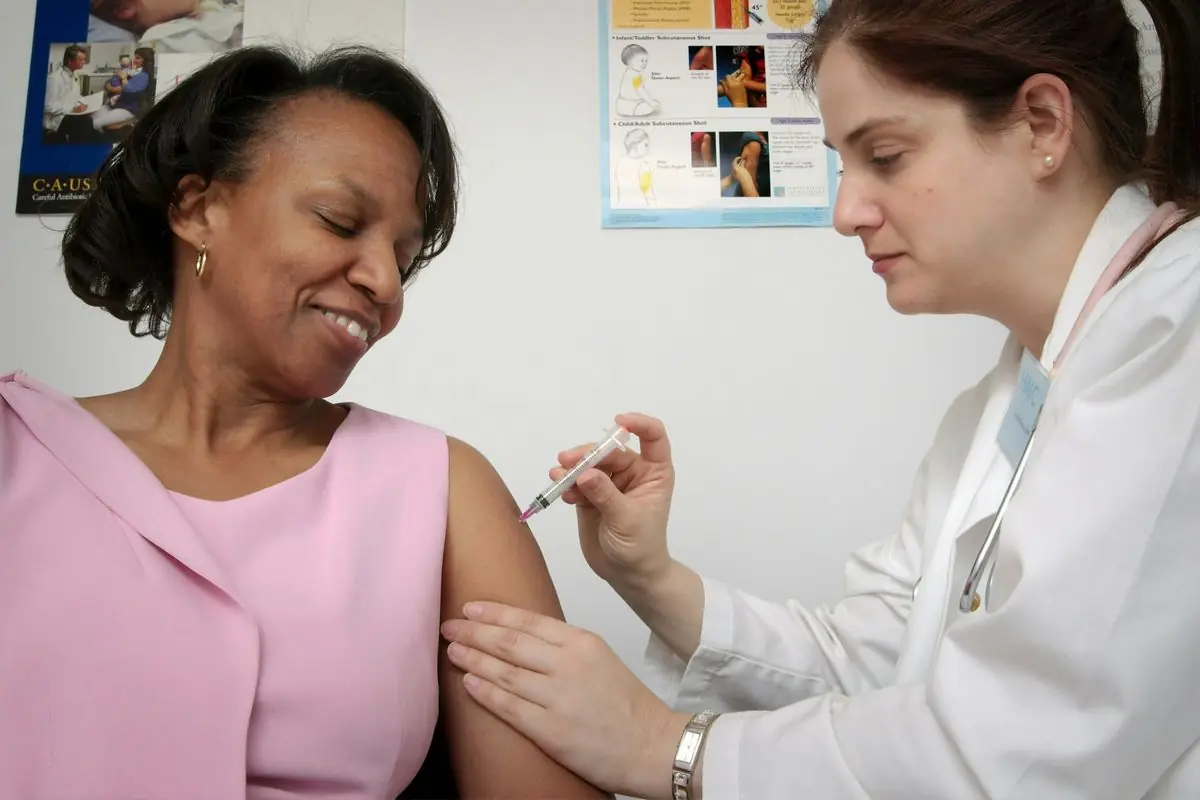
Book your vaccine visit 4-6 weeks before you fly.
Vaccines for Vietnam: do you actually need them?
Vietnam does not require every tourist to turn up with a special set of travel vaccinations. There is no general vaccination certificate requirement for entry, and Vietnam does not require a yellow fever vaccination certificate. Still, it is worth reviewing your vaccinations before you go. A two-week holiday around Hanoi, Hoi An and the beaches near Da Nang poses a different mix of risks from several months of village stays, trekking and camping in rural districts.
The most useful step is to make an appointment with a travel health professional and bring your actual itinerary. They can check which routine vaccines you already have, which travel vaccines are recommended for your circumstances, and whether malaria prevention or extra medical arrangements are sensible. You should not buy every vaccine on a generic list, and you should not skip medical advice simply because none is required at passport control.
This guide explains what to ask, what to pack, how to reduce mosquito and food-related risks, what to look for in travel insurance for Vietnam, and where to seek care if something goes wrong. It helps you plan, but it does not replace individual medical advice.
The short version before you pack
| Question | Practical answer |
|---|---|
| Are any vaccines mandatory for entry? | There is no general vaccination certificate requirement for ordinary tourist entry; check requirements again for your nationality and transit route. |
| Which shots should I review first? | Routine immunizations, hepatitis A, hepatitis B and typhoid. |
| What if I stay in rural Vietnam? | Discuss Japanese encephalitis, rabies and location-specific malaria prevention. |
| When should I book an appointment? | Ideally at least 4-6 weeks ahead; around 8 weeks or earlier is helpful for complex plans. |
| Is dengue only a jungle problem? | No. Mosquitoes that spread dengue also live in urban environments. |
| Do I need malaria tablets everywhere? | No. Risk is concentrated in certain rural areas and is absent in several major cities. |
| Is travel insurance important? | Yes. Check medical treatment, emergency care, evacuation and activity exclusions. |
| What’s the ambulance number? | 115 is the national emergency ambulance number. |
Which vaccines for Vietnam travel should you ask about?
Start with your routine vaccination record
It is easy to become fixated on tropical diseases and forget the vaccinations that matter wherever you travel. Your doctor may want to check measles, mumps and rubella (MMR), tetanus, diphtheria and pertussis protection, polio, seasonal influenza, COVID-19 and any other age-appropriate routine immunizations. Whether you need a booster depends on your history and your home country’s schedule.
Measles deserves particular attention because international travel brings people together in crowded airports, trains and tourist areas. Ask about the international-travel recommendations for your children’s ages. Babies can have different timing requirements from older children and adults. Adult dose schedules do not carry over to infants.
Bring a photo or digital copy of your vaccination record. If you cannot remember which doses you had, say so. A travel clinician can work through incomplete records and decide which gaps matter most. There is no benefit in guessing or booking a repeat course without checking.
Hepatitis A is a priority discussion for many visitors
Hepatitis A can spread through contaminated food and water, or close contact with an infected person. It is recommended for travelers to Vietnam who are not already protected. Staying in an upscale hotel does not make food- and water-related infections impossible, because food storage, preparation, serving and hand hygiene all matter.
Ask your clinician whether you have completed a hepatitis A series, when an initial dose should be given, and what follow-up is needed. Some travelers departing at short notice, such as older adults or those with certain medical conditions, may require a different plan. A clinician should make that call. Safe food and water habits remain important even after vaccination.
Typhoid vaccination is commonly recommended
Typhoid is another infection associated with contaminated food and water. Typhoid vaccination is recommended for most visitors to Vietnam, especially people making long stays, visiting friends or family, traveling in places with uncertain sanitation or eating frequently away from controlled kitchen environments.
The vaccine may be given by injection or, where available and appropriate, as an oral course. Timing, age eligibility and booster intervals depend on the product. Ask which formulation your clinic uses and when it becomes effective. Vaccination does not provide perfect protection, so it does not replace careful choices about drinking water, uncooked food and handwashing. There is little point leaving a vaccination appointment until the day before departure, when a particular schedule may need more time to work properly.
Hepatitis B depends partly on what you have had before
Hepatitis B is spread through blood and certain body fluids. Sharing a meal will not spread it. Exposure risks include unprotected sex, tattoos or piercings with nonsterile equipment, needle sharing and medical or dental procedures in unsafe conditions. CDC recommends hepatitis B vaccination for unvaccinated travelers to Vietnam, and longer stays make it more relevant.
A considerable number of visitors were vaccinated in childhood or during work-related healthcare training. In that case, your clinician can confirm whether any additional doses are necessary. If you have never started a course, discuss the available schedule and whether there is enough time to complete it, or to continue a course after returning home. Use licensed facilities for medical, dental and cosmetic treatment, and do not have a tattoo or piercing on a whim when you cannot verify sterile practices.
Japanese encephalitis is an itinerary decision
Despite the name, Japanese encephalitis is present in Vietnam. It is transmitted by mosquitoes and can be a concern for people spending substantial time in rural settings. Vaccination is generally recommended for travelers staying in risk areas for roughly a month or longer, relocating there, or visiting repeatedly. Shorter trips may also justify a conversation if they involve camping, hiking, cycling through countryside, or sleeping in places without screened windows, air conditioning or mosquito nets.
In northern Vietnam, seasonal activity tends to be more marked around May to October, although the exact risk depends on the location and the year. Still, a few days in central Hanoi in July is not the same exposure as a month of overnight stays in rural communities. Equally, being in Vietnam for only ten days is not a reason to ignore a genuinely high-exposure itinerary.
Ask early because a course can require more than one dose. Your clinician should advise on the appropriate schedule and whether the vaccine is useful for the actual places you plan to sleep, not just the cities where your flights arrive.
Rabies vaccination matters for certain longer or remote trips
Rabies is another vaccine that requires a personal risk assessment. Infected dogs are sometimes found in Vietnam, and bites or scratches from other mammals can also require urgent attention. Pre-exposure vaccination is worth discussing for people whose activities put them close to animals, who expect long periods in remote locations, or who may struggle to reach reliable post-exposure treatment quickly.
Avoid stroking unfamiliar dogs, feeding monkeys or attempting close-up wildlife photographs. Children need clear instructions, since they may not mention a small scratch. Previous rabies vaccination never means you can ignore a bite or scratch. You still need prompt medical assessment and potentially post-exposure vaccine doses; the earlier course changes the treatment plan rather than removing the need for care.
After a bite or scratch from a mammal, wash the wound thoroughly with soap and running water for about 15 minutes and seek medical attention immediately. Do not wait for symptoms, or for someone to tell you that the animal probably looked healthy.
What about yellow fever, dengue and other vaccines?
Yellow fever vaccination is neither recommended by CDC for travel to Vietnam nor a Vietnamese entry requirement. This is a frequent source of confusion when travelers compare lists for several countries in one Southeast Asian itinerary.
Dengue vaccines require more nuance. They are not a standard vaccination for every first-time visitor. Eligibility and recommendations depend on factors including age, previous dengue infection, the vaccine used, medical circumstances and the guidance applicable where you receive it. A clinician specializing in travel medicine should make that decision with you, rather than a website treating all travelers alike.
Other mosquito-borne disease vaccines may sometimes be relevant during particular outbreaks or for specialized risk groups. Check current notices close to departure, since a vaccine list does not stay the same every year.
How far ahead should you visit a travel clinic?
Aim for 4-6 weeks before your departure, and give yourself roughly eight weeks if you have a complicated route, need a multi-dose course or live with a medical condition. Some health authorities advise starting at least eight weeks ahead. People who are immunocompromised, pregnant, taking multiple prescription medicines or traveling with small children need more lead time.
A last-minute trip is not a reason to abandon the appointment. Some advice, routine updates, mosquito precautions and medicine planning remain helpful even when there is not enough time for every ideal vaccination schedule. Be clear about your departure date so the clinician can make a realistic plan.
Traveling with a child, an older relative or someone who needs ongoing treatment? Give each person an individual medical review. One shared destination does not mean everyone needs the same vaccines, medicines or insurance exclusions.
The region and season matter more than a generic Vietnam map
Vietnam is geographically long, with major differences in rainfall and temperature between north, center and south. There is no single rainy season that fits every beach, mountain town and city. Dengue risk can persist year-round and may increase during wetter periods, while malaria transmission is concentrated in specific rural areas rather than the major tourist cities.
| Where you’re going | What deserves attention |
|---|---|
| Hanoi, Hai Phong, Da Nang, Nha Trang, Ho Chi Minh City | CDC lists no malaria transmission in these cities; mosquito bite prevention still matters for dengue. |
| Hoi An, Hue and common coastal stops | Focus on food, water, heat, rain and mosquitoes; review separate risks if you travel into rural surroundings. |
| The Mekong and Red River deltas | CDC does not recommend malaria prophylaxis for these delta regions, but still recommends bite prevention. |
| Rural mountain districts, forest stays and remote camping | Ask for a location-specific malaria assessment and advice on Japanese encephalitis, rabies and access to care. |
| Remote islands or long overland routes | Check the availability of medical transport and the evacuation terms of your insurance. |
The difference between a city and a rural district is critical. A malaria warning for a wider province does not mean you need malaria tablets for an ordinary stay in central Nha Trang. Conversely, staying in a modern city hotel does not protect you from dengue mosquitoes.
How to prevent dengue in Vietnam
Dengue is often wrongly described as a jungle or night-time problem. The mosquitoes that spread it commonly bite during the day, including mornings and late afternoons, and can be found in towns and cities. A mosquito net at night is useful in some settings but should not be your only protection.
Pack a proven insect repellent containing an active ingredient such as DEET, picaridin or IR3535, and follow the product label for application and reapplication. Apply sunscreen first and repellent afterwards. Loose-fitting long sleeves and trousers help when you are sitting in gardens, visiting outdoor markets or spending hours around vegetation and standing water.
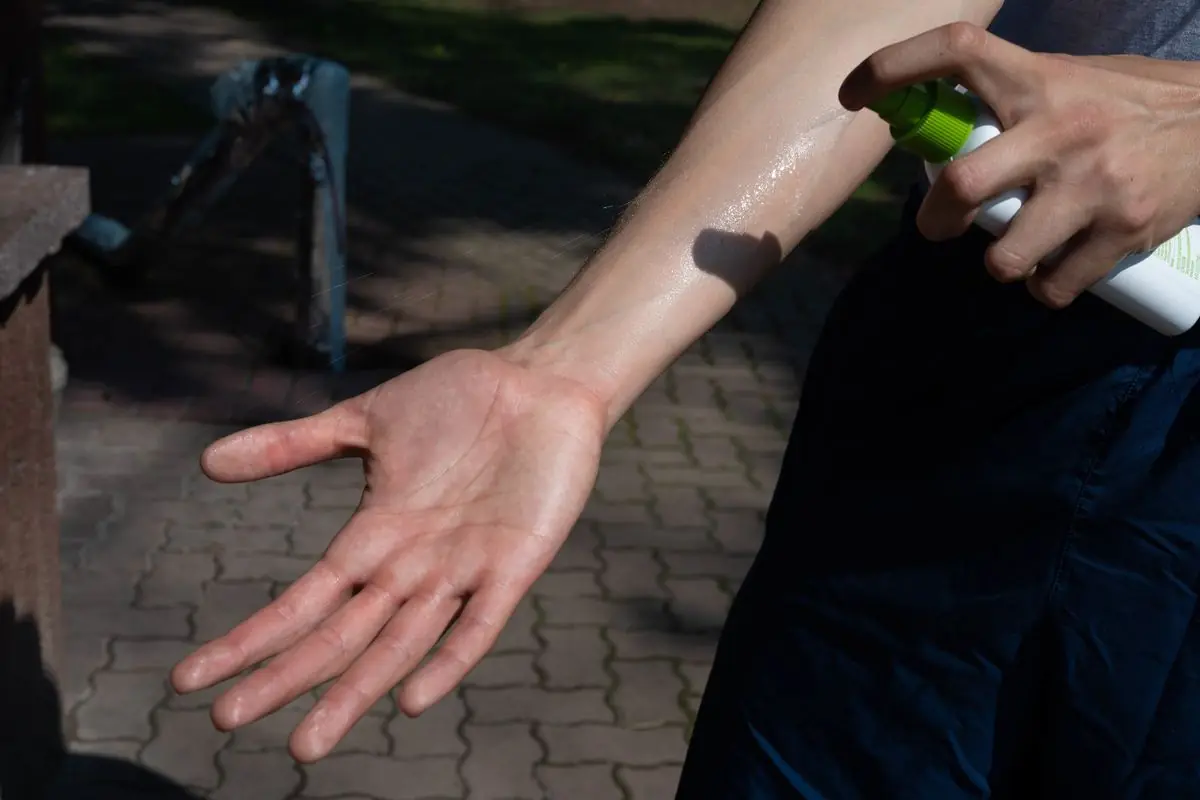
Choose accommodation with air conditioning, screens or a mosquito net when possible. Campers can consider suitable permethrin-treated clothing and equipment, but products intended for fabric must not be applied directly to skin. For children, use a product appropriate for their age and follow the manufacturer’s directions.
Do you need malaria tablets for Vietnam?
Most short city-based holidays do not require malaria prevention medicine. Malaria tablets are not routine travel vitamins: they must be chosen based on the precise destination, medical history, interactions and local drug-resistance patterns. CDC notes no malaria transmission in the cities of Hanoi, Hai Phong, Da Nang, Nha Trang, Quy Nhon and Ho Chi Minh City, and does not recommend chemoprophylaxis in the Mekong or Red River deltas.
Certain rural areas are different. People camping in forested districts, working in remote communities or staying outside the standard tourist network should ask a travel clinician to check the malaria guidance for their exact route. Options can include atovaquone-proguanil, doxycycline or another suitable medicine, but some medications should not be used in particular areas because of resistance. Doses may need to start before arrival and continue after you leave the risk area.
Even without malaria tablets, use mosquito repellent. If you develop a fever during travel or after returning home, tell the healthcare professional where you slept and when. A fever following potential malaria exposure needs prompt assessment, even if it feels like flu.
What medication should you take to Vietnam?
A compact, familiar medical kit is more useful than a bag full of medicines you have never taken. Ask your clinician or pharmacist which items are suitable for your age, medical history and trip duration.
- Your regular prescriptions. Carry enough for the full trip and a reasonable contingency for delays, preferably in original labeled packaging with documentation.
- A suitable pain and fever medicine. Discuss paracetamol dosing and any reasons you should avoid it, particularly if you have liver problems or take combination products.
- Oral rehydration salts (ORS). They are especially useful when diarrhea or vomiting causes fluid loss. Mix each packet with the exact amount of safe water on the label.
- An anti-diarrheal option, if appropriate. Loperamide can help some adults with uncomplicated diarrhea, but it should not be used alone for bloody diarrhea or diarrhea accompanied by fever.
- Any familiar allergy medication. Travelers at risk of severe allergic reactions should carry emergency medication prescribed for them and know how to use it.
- Simple first-aid supplies. Dressings, antiseptic, adhesive bandages and a thermometer can help with minor incidents, but deep wounds and animal bites need professional assessment.
- Prevention essentials. Sunscreen, mosquito repellent, a mask and any personal hygiene or skin-care items you depend on.
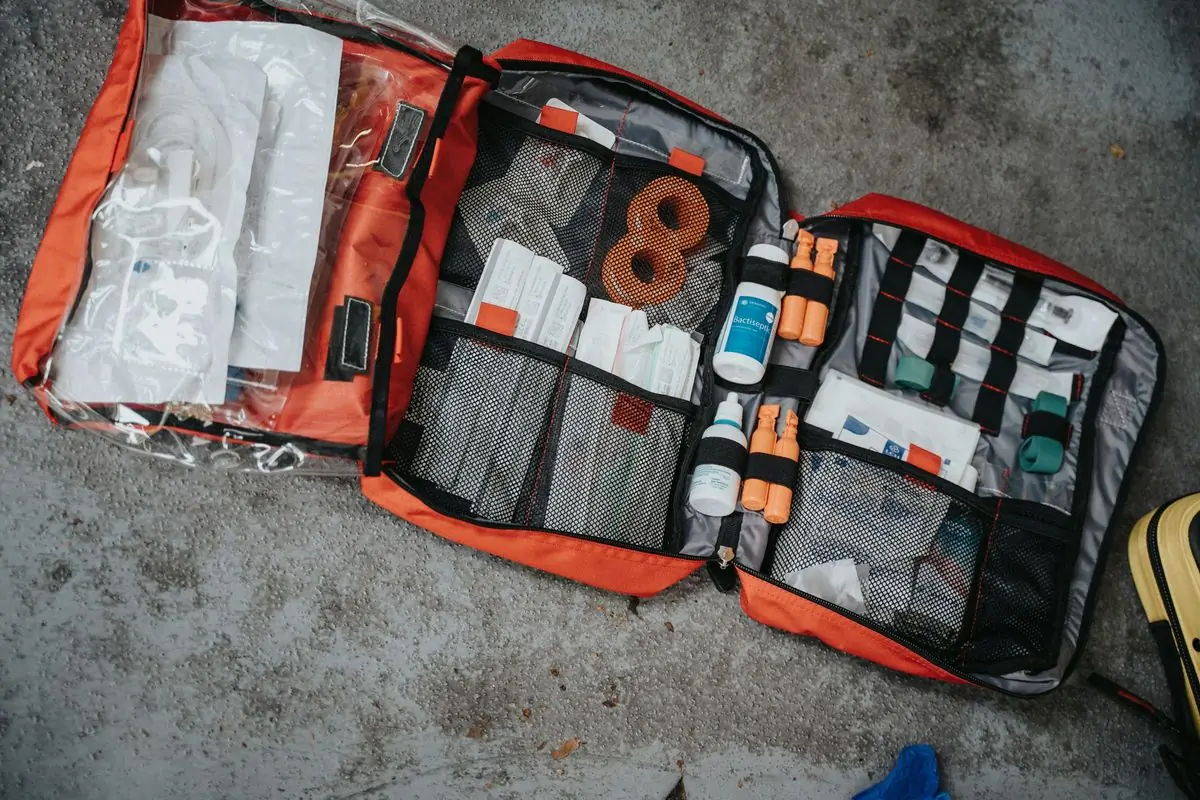
Do not automatically pack antibiotics to treat every stomach problem. Travelers’ diarrhea can be caused by different organisms, and many cases do not need antibiotics. For selected travelers, a doctor may provide a clear self-treatment plan or prescription; such a plan needs specific advice about when to start it and when to seek help instead.
Check the rules for controlled prescription medicines
Before packing a controlled medicine, check the current requirements with a Vietnamese embassy or consulate and with customs. Keep it in the original packaging and carry an English-language prescription or doctor’s letter stating your name, the generic medicine name, dose, quantity needed and prescriber’s details. Put essential medicines in hand luggage in line with airline security rules and keep copies of documents separately.
Avoid buying unlabeled medicines from informal sellers. For a replacement prescription in Vietnam, find a qualified clinician rather than trying to substitute a similar-sounding brand on your own.
Can you drink tap water in Vietnam?
Do not drink untreated tap water in Vietnam, including in the major cities. Choose unopened factory-sealed bottled water, properly boiled water or water that has been made safe using an appropriate treatment method. Ask how the jug in your hotel room is filtered or treated before you drink from it.
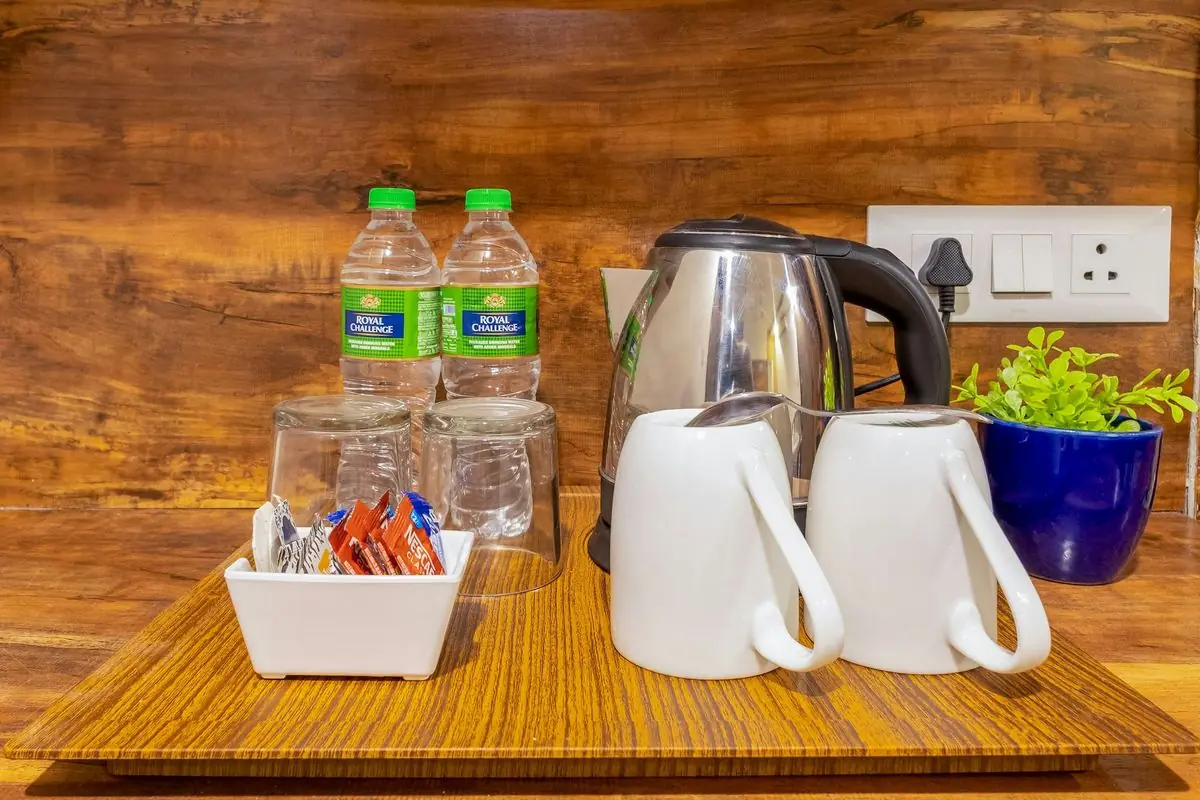
Ice is another easy detail to overlook. You cannot tell whether ice is safe from its shape or clarity, and it may have been produced using unsafe water. Ask for drinks without ice if you are unsure. Tea or coffee prepared with freshly boiled water is generally a safer choice than drinks mixed with water of unknown quality.
Be careful not to swallow tap water when showering. People who are vulnerable to gastrointestinal infections, or unsure about the water, can use bottled or treated water for brushing their teeth as well. For babies, young children and people with compromised immunity, safe water handling matters even more.
Local drinks are still worth trying, as long as you know what goes into them. It helps to keep a written Vietnamese explanation of any food allergy on your phone. Peanuts, fish sauce, seafood, shellfish and other ingredients may be present in sauces or garnishes that are not obvious from the dish name.
Is Vietnamese street food safe to eat?
Street food is part of the appeal of Vietnam, yet popularity and a long queue are not guarantees of safe preparation. Prefer freshly cooked food served piping hot. A bowl of noodle soup that has just been prepared is easier to assess than a tray of cooked ingredients standing for hours in warm weather. With banh mi, pay attention to how meat, pâté, sauces and fresh vegetables are stored and handled.
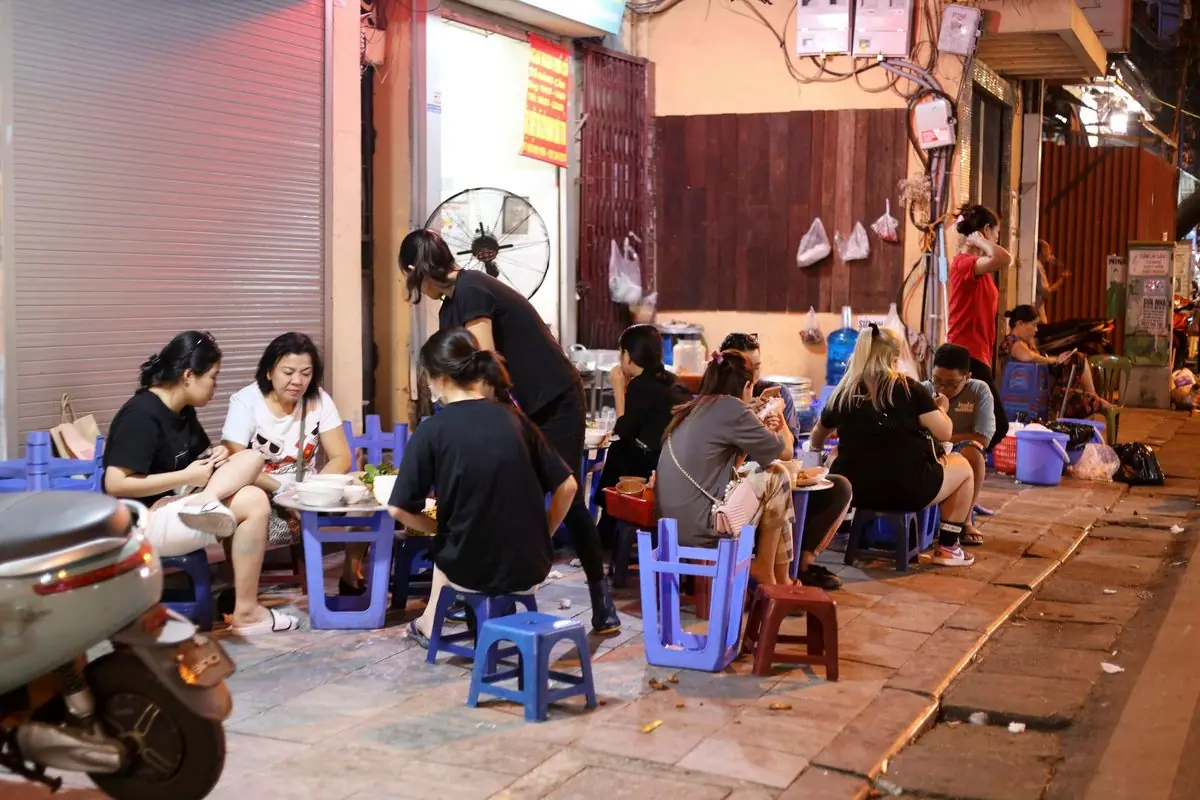
Avoid raw or undercooked meat, seafood and freshwater shellfish, raw blood dishes, food exposed to flies, and uncooked greens washed in water of uncertain quality. Fruit you can wash with safe water and peel yourself gives you more control than a pre-cut fruit display. Wash hands before eating and use alcohol-based hand sanitizer when soap and clean water are unavailable.
There is no need to turn every meal into an inspection. Notice whether food is cooked thoroughly, served hot, handled cleanly and stored properly. Doubtful-looking food is your cue to choose another stall. This matters most on long bus journeys, ferry trips and remote excursions, when bathroom access and medical care may be limited.
With diarrhea, start with safe fluids and appropriate oral rehydration. Seek medical attention if you have high fever, blood in the stool, severe abdominal pain, persistent vomiting, signs of dehydration or symptoms that are not improving. Children, pregnant travelers, older adults and people with chronic conditions may need earlier assessment.
Do you need travel insurance for Vietnam?
For an ordinary tourist visit, travel insurance is not generally a mandatory entry document. That does not make it optional in any sensible trip budget. Private medical treatment, hospital stays, emergency transport and evacuation from a remote island or mountainous area can be expensive. Your embassy is not there to pay a hospital bill on your behalf.
Choose insurance that reflects both your health and how you will travel. Check the limits for outpatient consultations, emergency care, diagnostic tests, prescriptions, admission to hospital and ambulance journeys. Medical evacuation, including an air ambulance when clinically necessary, and repatriation matter most on remote itineraries.
Read the exclusions. Pre-existing conditions may need to be declared or specifically covered. Pregnancy-related treatment often has separate restrictions. Riding a motorbike, diving, trekking, climbing or taking part in adventure activities may require an additional policy or confirmation. You should also check whether riding without the appropriate license or helmet would invalidate a claim under your contract.
Five questions worth asking before you buy
- Does this policy cover medical treatment in Vietnam, including private hospitals and emergency admission?
- Can the hospital bill the insurer directly, or will I need to pay first and claim afterwards?
- Who arranges and pays for medical transfer from an island or remote mountain area?
- Are my pre-existing conditions, pregnancy or planned activities covered in writing?
- Which 24-hour assistance number must I call, and what paperwork should I keep for a claim?
Save the policy number, assistance phone number and insurance certificate offline. Share them with someone traveling with you. Keep itemized invoices, prescriptions, test results, medical reports and discharge paperwork if you need treatment. Contact your insurer as early as practical when a hospital admission or transfer is likely, but never postpone emergency treatment while waiting for authorization.
A cheap policy that excludes the activity you have built your holiday around is no bargain. Check the small print before you rent a motorbike or book a multi-day hike.
Where should you go if you get sick in Vietnam?
Major Vietnamese cities have public hospitals, private hospitals and international clinics. A private clinic may be convenient for a minor illness, an English-language consultation or a referral. A major hospital can be more appropriate for severe injury, serious infection or a problem that requires tests or specialist treatment. Language assistance, available specialties and direct insurance billing vary by facility.
The facilities below are reference addresses only, not a ranking, and they can be full at times. Phone ahead for a non-emergency visit; in a genuine emergency, seek the nearest suitable emergency service.
| City | Medical facility | Useful details |
|---|---|---|
| Hanoi | Hanoi French Hospital | 1 Phuong Mai Street; 24-hour emergency number +84 24 3574 1111. |
| Hanoi | Vinmec Times City | 458 Minh Khai Street; +84 24 3974 3556. |
| Hanoi | Family Medical Practice | 298i Kim Ma Street; +84 24 3843 0748. |
| Ho Chi Minh City | FV Hospital | 6 Nguyen Luong Bang Street, Tan My Ward; emergency +84 28 3511 3500. |
| Ho Chi Minh City | Vinmec Central Park | 720A Dien Bien Phu Street; +84 28 3622 1166. |
| Da Nang | Family Medical Practice | 96-98 Nguyen Van Linh Street; +84 236 358 2699. |
| Da Nang | Vinmec Da Nang | 30 Thang 4 Street; +84 236 3711 111. |
| Nha Trang | Vinmec Nha Trang | Tran Phu Street; +84 258 3900 168. |
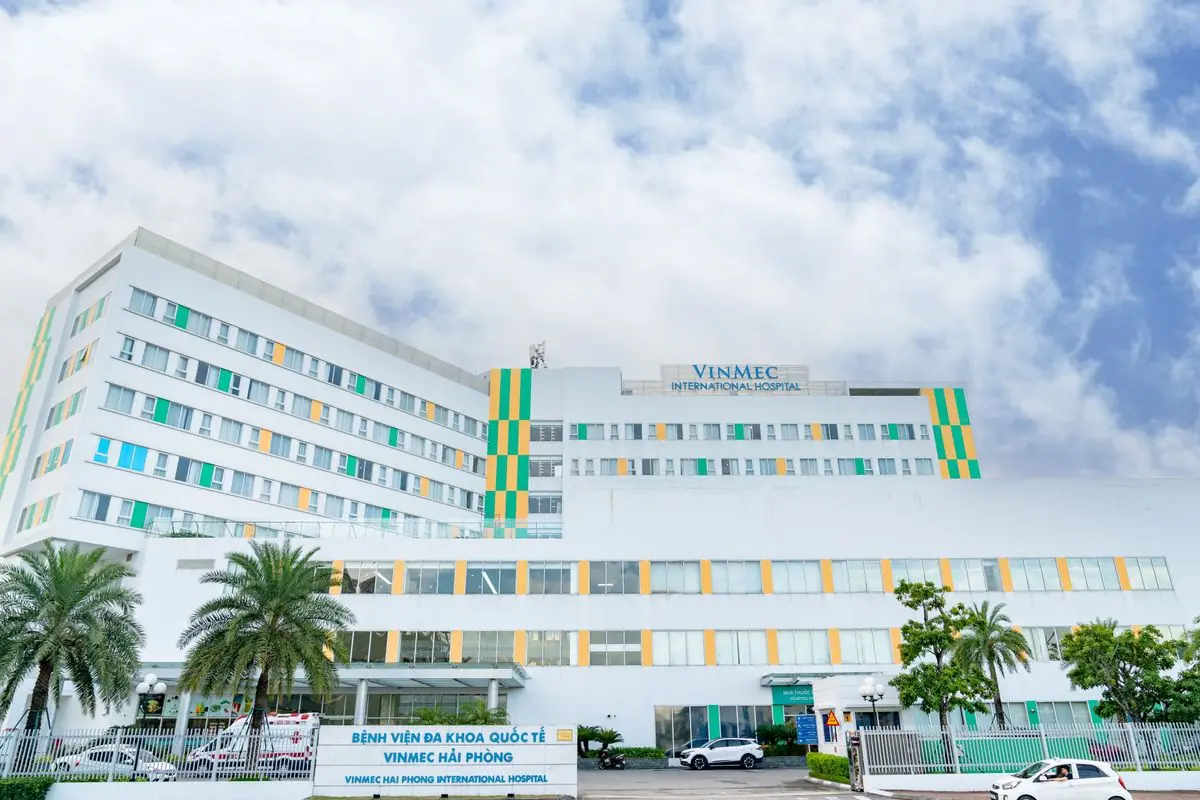
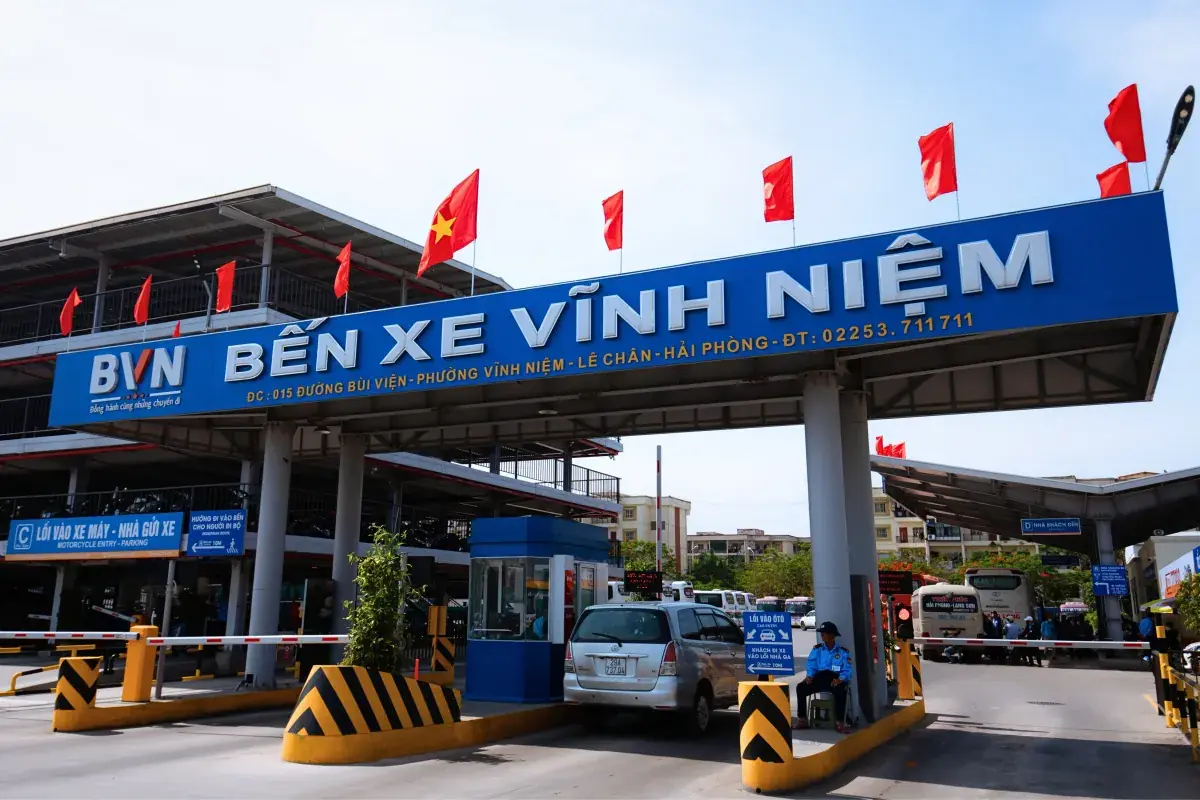
| Hai Phong | Vinmec Hai Phong | Bui Vien Street; +84 225 7309 888. |
On an island, a trekking route or a village stay, ask your host or guide on arrival where the nearest functioning clinic is and how someone would transfer you to a larger hospital. The nearest major city on a map may not be reachable quickly when ferries stop, roads flood or there is no phone signal.
What if it is an emergency?
Call 115 for an ambulance in Vietnam. Seek urgent help for chest pain, severe breathing problems, unconsciousness, stroke-like symptoms, seizures, major injuries, uncontrollable bleeding or warning signs of severe dengue. A hotel receptionist, guide or local contact can help communicate your location in Vietnamese if necessary. In some situations, traveling directly to the nearest emergency department may be faster; follow local emergency guidance.
When you can, tell the hospital about any allergies, daily medicines, chronic conditions and the places you recently visited. Save these details in a phone note, ideally alongside your passport information and insurance assistance number.
Where can you buy medicines in Vietnam?
Cities have hospital pharmacies and established pharmacy chains such as FPT Long Chau. Look for an identifiable licensed pharmacy, properly labeled packaging, an intact seal and a receipt. Match the generic ingredient and strength, not only the brand name; different products can look or sound similar.
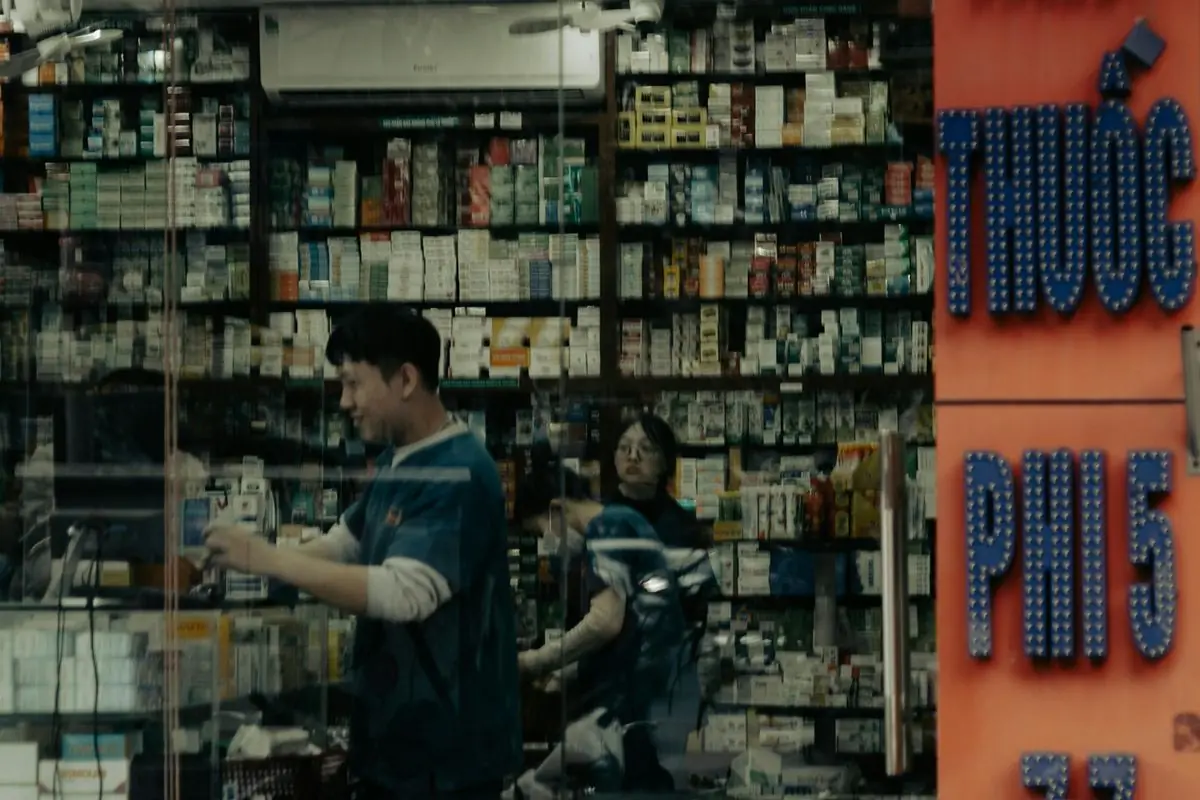
A pharmacist can be useful for simple questions about familiar over-the-counter products, but is not a substitute for a doctor when you have a serious infection, an animal bite, unexplained fever or persistent dehydration. For a vital medicine you cannot find, speak to a doctor or your insurer’s assistance team about a safe alternative rather than buying loose tablets without a label.
Three itineraries, three different health plans
Two weeks of cities, beaches and sightseeing
Suppose your stops are Hanoi, Ha Long Bay, Da Nang, Hoi An, Nha Trang and Ho Chi Minh City. Focus first on routine immunizations, hepatitis A, typhoid and hepatitis B as appropriate for your history. Pack repellent, regular medicines and oral rehydration salts, arrange medical insurance, and identify a clinic near the places where you will stay overnight. On CDC’s malaria risk map, the city centers on this route do not need malaria tablets.
Do not neglect heat, hydration or basic food precautions. A long day walking around a city can be uncomfortable even without an infectious illness, more so for travelers who arrive jet-lagged or are not used to hot, humid weather.
A month of homestays, rural cycling and trekking
Nights in remote villages, camping near forests, cycling through rural districts or rooms without screens all make your conversation with a travel clinic more specific. Ask about Japanese encephalitis and rabies, and about malaria prevention for the exact locations where you will sleep. Find out which hospitals can actually be reached from the trail and whether your insurance covers rescue or medical evacuation.
It is sensible to build a small amount of flexibility into the route. A remote overnight stay can become difficult if a fever, injury or ferry cancellation means you need treatment in a city.
Traveling with children or a medical condition
For families and travelers with ongoing health needs, the priority is an age-appropriate vaccination review, enough regular medicines, safe hydration, an insurance policy that covers the relevant condition and a realistic plan for getting medical help. Children do not use all adult medicines or repellents, and some vaccine decisions depend on age. Pregnant travelers and people who may become pregnant should seek individual advice about mosquito-borne infections and any vaccine or medication restrictions.
Choose accommodation and transfer options with healthcare access in mind. For someone who needs frequent medical review, staying far from a hospital for several days may not be a good trade-off for a more secluded view.
Your simple before-and-after-arrival checklist
Before flying: attend the travel clinic appointment; bring or photograph your vaccination records; prepare prescription documentation; check the legality of controlled medicines; buy suitable insurance; save the 24-hour assistance number; and note a hospital or clinic in each overnight city.
On arrival: confirm drinking-water arrangements, ask the hotel how to contact emergency help, locate the nearest medical facility and use mosquito protection. Before a remote excursion, understand the transfer route back to medical care and what happens if there is no phone reception.
During the trip: choose safe water and thoroughly cooked food, wash your hands, avoid unfamiliar animals, stay hydrated and seek assessment promptly for significant fever, serious gastrointestinal illness or an animal bite. Feeling unwell is a good reason to cancel an activity rather than push through a potentially serious illness.
One final question before you leave
Do you know where you will actually be staying, which health risks follow that route, and whom you would call if you needed a doctor? Those answers matter more than buying a generic bundle of shots or medicines.
Frequently asked questions
Do I need vaccines for Vietnam?
No general vaccination certificate is currently required for ordinary tourist entry, and yellow fever vaccination is not an entry requirement. However, that is not the same as a medical recommendation. A travel clinician should review your routine vaccines and discuss hepatitis A, hepatitis B and typhoid, with other vaccines depending on your plans.
Which vaccines are recommended for Vietnam travel?
Check MMR, tetanus-containing and other routine vaccinations first, then ask about hepatitis A, typhoid and hepatitis B if you are not already protected. Japanese encephalitis and rabies may matter for longer stays, rural activities or increased animal exposure. An appointment 4-6 weeks in advance is ideal, or earlier for complex journeys.
Is travel insurance for Vietnam compulsory?
It is generally not a compulsory medical entry document for an ordinary tourist trip, but it is strongly recommended. Choose cover for emergency treatment, hospital admission, medical transport and repatriation, and check exclusions for pre-existing conditions, pregnancy and activities such as motorbiking or diving.
Can I drink tap water in Vietnam?
Do not drink untreated tap water, even in major cities. Use sealed bottled water or water that has been boiled or otherwise treated properly. Avoid ice of uncertain origin and take extra care with water used for food preparation or brushing your teeth.
Where can I see a doctor if I get sick in Vietnam?
Major cities have international and private medical facilities, including Hanoi French Hospital, FV Hospital, Family Medical Practice and Vinmec hospitals. Choose a facility based on the urgency, location and specialty needed. For a medical emergency, call 115 or go to an appropriate emergency department without delay.