SIM cards and currency exchange in Hai Phong: 7 steps for your first day
One wrong tap on an ATM's conversion screen, or a SIM that skipped facial verification, can make your first day in Hai Phong harder than it needs to be. Pick the right SIM or eSIM, a low-fee ATM and a licensed exchange counter, and you can sort out internet and cash on day one.
 16 min read
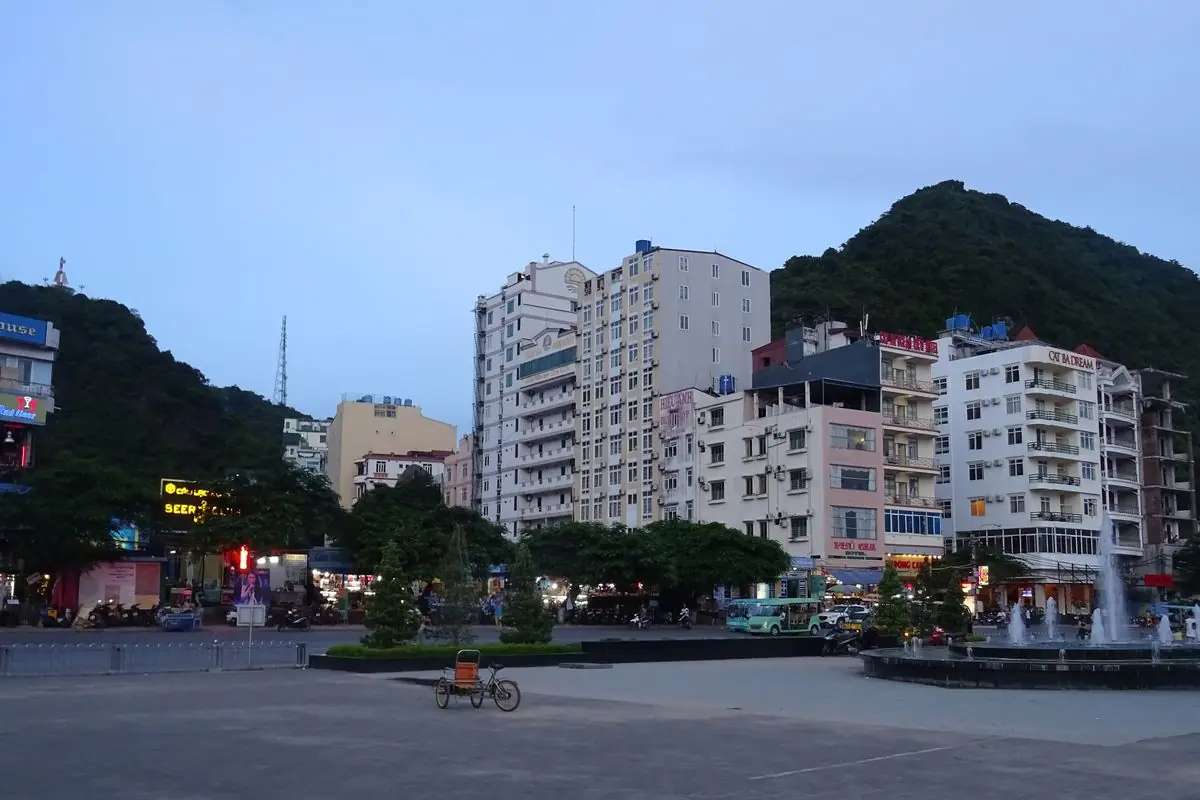
Dusk on the central square in Cat Ba town: high-rise hotels under a wooded hill, shopfronts lighting up and a fountain on the right.
One wrong tap on an ATM’s currency conversion screen can cost you extra money before your trip has even begun. When you arrive in Hai Phong, focus on getting internet access, withdrawing some Vietnamese dong, and sorting out any additional currency exchange. Whether you land at Cat Bi Airport or travel down from Hanoi, you can take care of these essentials on your first day.
1. Should you get a SIM card or eSIM before arriving in Hai Phong?
Start by checking whether your phone supports eSIM and is unlocked for use with other mobile networks. From there, the choice comes down to how soon you need internet access and whether you need a Vietnamese phone number for calls and text messages.
International travel eSIM: get online as soon as you land
Buying a travel eSIM before departure is a convenient option for international visitors.
You’ll receive a QR code by email, install the eSIM on your phone, and activate it according to the provider’s instructions.
For example, Airalo offers Vietnam eSIM plans using VNPT’s network. Its advertised prices include:
| Validity | Airalo eSIM price |
|---|---|
| 3 days | US$11.50 |
| 7 days | US$27 |
| 15 days | US$48 |
| 30 days | US$69 |
These plans are advertised as unlimited data, although speeds are reduced to 1 Mbps after 3 GB of daily usage. Prices may also change during promotions.
On a three-to-five-day visit to Hai Phong, a few gigabytes of high-speed data will usually cover maps, ride bookings, messaging, and restaurant searches. Frequent video calls or laptop tethering will use much more, so check the daily high-speed allowance rather than relying on the words "unlimited data."
Local Vietnamese SIM: better value for longer trips
Travelers staying in Vietnam for a week or more will often spend less with a local SIM from Viettel, VinaPhone, or MobiFone.
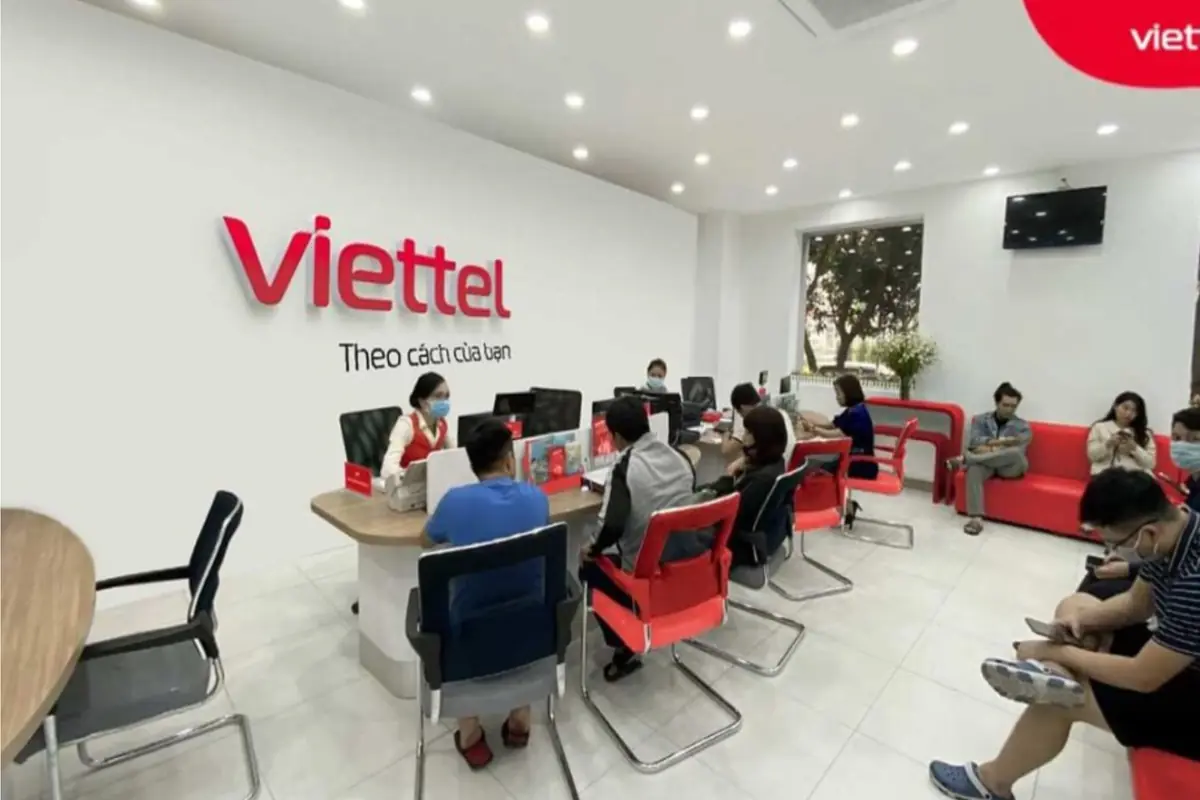
Viettel, for instance, advertises the following tourist packages:
| Plan | Validity | Data | Plan price |
|---|---|---|---|
| 5G80T | 15 days | 5 GB/day | 80,000 VND |
| 5G150T | 30 days | 5 GB/day | 150,000 VND |
| 5G180H | 30 days | 5 GB/day, plus calling minutes | 180,000 VND |
These are advertised package prices, excluding the cost of the SIM itself. Eligibility and availability depend on the type of subscription and the offers available when you register.
An eSIM isn’t always data-only.
An eSIM is simply a digital SIM embedded in your device. Vietnamese mobile operators can issue eSIMs with a local +84 number, while many international travel eSIM providers sell internet-only packages.
If you expect to call hotels, contact drivers, or register for services requiring a Vietnamese phone number, choose a mobile subscription that includes a +84 number. Check whether voice calls and SMS are included in the package.
2. Is it better to buy a SIM at Cat Bi Airport or in Hai Phong city?
Buying a SIM at Cat Bi International Airport sounds like the easiest solution after a long flight. It can be convenient when an official operator counter or authorized retailer is open and staff can complete the registration process.
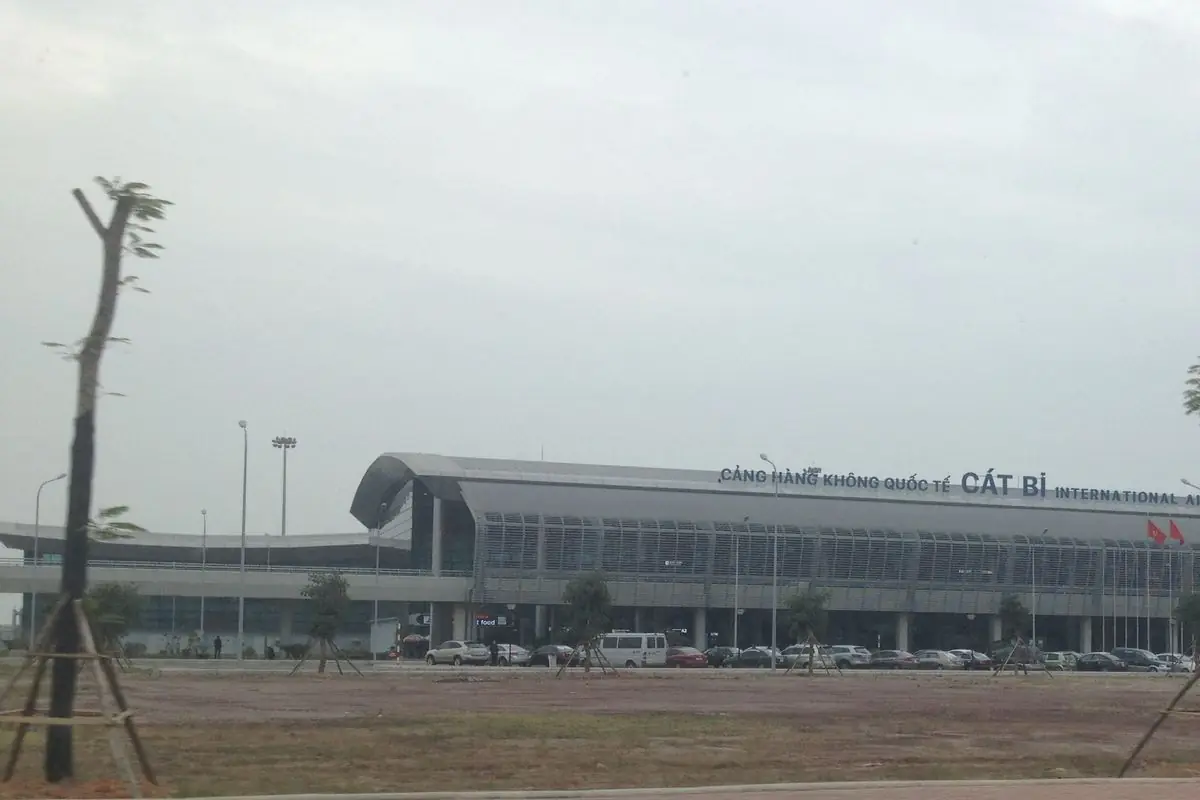
Still, don’t count on finding every package at the airport. SIM availability, sales counters, and operating hours may change, especially for late arrivals.
An alternative is to use airport Wi-Fi to arrange your ride, check into your accommodation, and visit an official mobile operator store in the city.
Travelers coming from Hanoi can also register a local SIM before heading to Hai Phong and continue using it throughout their trip.
Viettel operates an English-language tourist SIM ordering website. The process involves uploading a photograph of the passport information page, submitting a portrait photo, choosing a number and package, and providing an email address for order information.
Viettel also lists customer support numbers 1800 8198 and 198.
What documents do foreigners need to buy a SIM in Vietnam?
Since December 24, 2024, foreign visitors can register a mobile subscription using a passport valid for their permitted stay in Vietnam.
The permitted period depends on the visitor’s visa or the maximum stay allowed under a visa exemption. A qualifying Vietnamese electronic identity account may also be used instead of a passport under the applicable rules.
Subscriber verification has extra steps from April 15, 2026.
Registration information includes the identification document number, full name, date of birth, and facial image. For foreign nationals, the information is checked against Vietnam’s national immigration database or another legally recognized data source.
When visiting a mobile operator store, bring your original passport, relevant entry information, and the phone you intend to use.
Staff may need to photograph your documents, capture a live facial image, or complete other verification steps.
When electronic verification cannot be completed successfully, registration must be handled in person at an appropriate operator store or authorized service point rather than relying solely on an app.
Avoid sellers offering supposedly ready-to-use SIM cards that require no passport. A SIM registered under someone else’s identity may later be suspended when the operator checks its registration details.
Can your SIM be blocked after moving it to another phone?
Yes, changing devices can trigger additional verification requirements.
From June 15, 2026, moving a SIM to a different phone may require the subscriber to verify their face again.
Under Viettel’s published implementation schedule, outgoing calls and SMS can be temporarily blocked if facial verification hasn’t been completed within two hours of moving the SIM to a new device.
If verification remains incomplete for 30 days after the one-way restriction, the subscription may be blocked in both directions. Viettel also states that a further five days without verification may result in termination and number recovery.
3. Withdrawing cash in Hai Phong: which ATMs have lower fees?
You’ll find ATMs supporting international cards across central Hai Phong, particularly near bank branches, shopping centers, and busy commercial areas.
Many machines accept Visa and Mastercard, while support for other networks depends on the individual ATM.
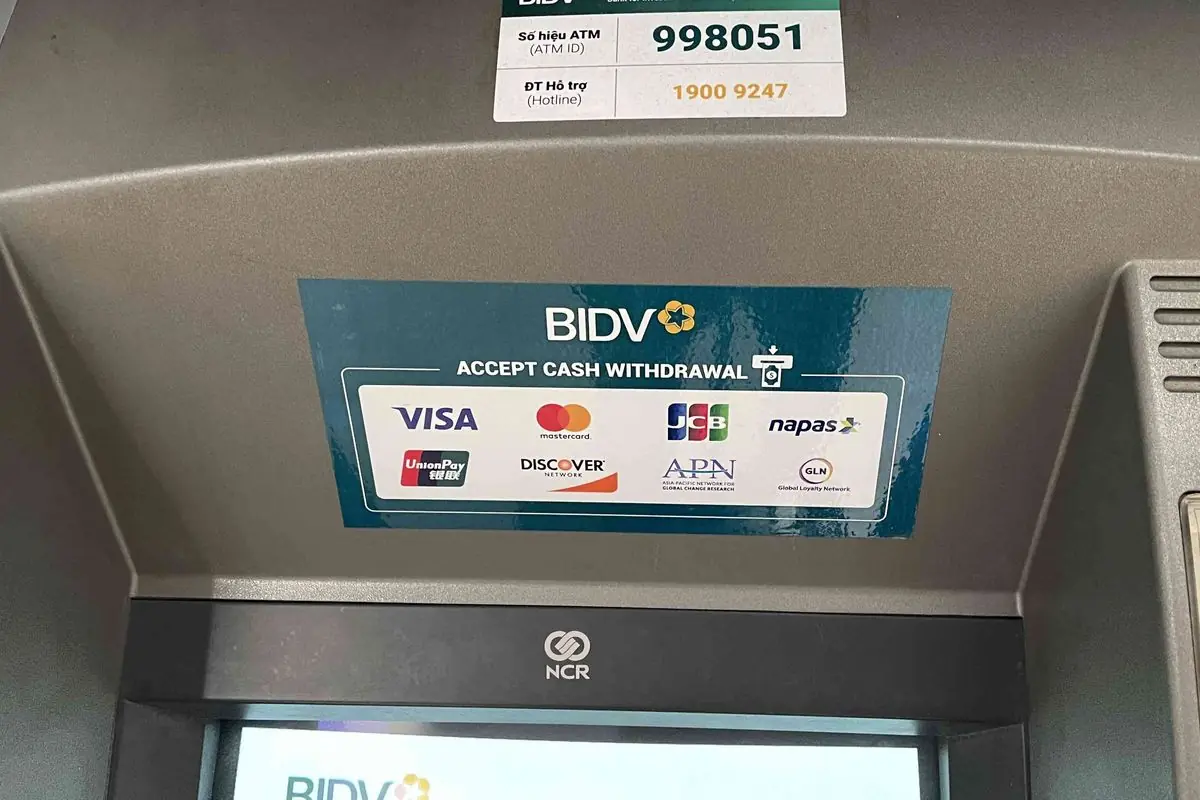
Cat Bi Airport has ATMs for passengers too, but you’ll only know exactly where they are and whether they’re working once you land.
Travelers entering Vietnam through Hanoi’s Noi Bai Airport will generally find a wider selection of international airport banking services and currency exchange counters before continuing to Hai Phong.
How much do Vietnamese ATMs charge foreign cards?
A cash withdrawal in Vietnam may involve two separate fees:
- A surcharge charged by the Vietnamese bank operating the ATM.
- An overseas withdrawal or foreign transaction fee charged by your card issuer.
Some Vietnamese banks charge a fixed ATM fee of roughly 50,000-165,000 VND per withdrawal. Others charge around 2-5% of the amount withdrawn, sometimes with a minimum fee or additional VAT.
Certain banks or ATMs may charge no local surcharge for eligible international cards.
Travelers often point to VPBank as a relatively low-fee option, with some international cards paying no local ATM surcharge at all. ACB gets similar praise.
These are useful starting points rather than guarantees. Charges can differ between ATMs, card networks, and account types.
Your bank back home may still charge its own fee even when the Vietnamese ATM doesn’t.
How much cash can you withdraw at once?
Many Vietnamese ATMs allow foreign cards to withdraw around 2-5 million VND per transaction.
Some machines permit withdrawals of approximately 10 million VND, while certain ATM and card combinations may allow higher amounts.
At some VPBank ATMs, travelers can take out up to 10 million VND per transaction.
The actual limit depends on the machine, your card, the issuing bank, and available cash.
For example, withdrawing 3 million VND with a fixed fee of 50,000 VND is cheaper than making three separate 1-million-VND withdrawals and paying the same fee each time.
During a short visit to Hai Phong, one reasonably sized withdrawal is often more economical than several small ones.
Always choose Vietnamese dong at the ATM
An ATM may offer to convert your withdrawal into USD, EUR, AUD, or your home currency.
Choose VND (Vietnamese Dong) or select Decline Conversion / Continue Without Conversion.
This rejects Dynamic Currency Conversion, commonly called DCC.
DCC allows the ATM operator or payment service to set the exchange rate. That rate is often less favorable than the one applied through your card network and issuing bank.
The same rule applies when a hotel or shop’s card terminal asks whether you’d like to pay in Vietnamese dong or your home currency.
4. Where to exchange money legally in Hai Phong
Visitors carrying US dollars, euros, Australian dollars, Chinese yuan, Korean won, or Thai baht can exchange them for Vietnamese dong at banks authorized to conduct foreign exchange transactions or licensed currency exchange agents.
In central Hai Phong, one recognizable option is Vietcombank’s Hai Phong Branch at 275 Lach Tray Street.
Vietcombank also has a South Hai Phong branch at 11 Hoang Dieu Street.
Other commercial banks, including BIDV, VietinBank, and Agribank, operate branches and transaction offices across the city.
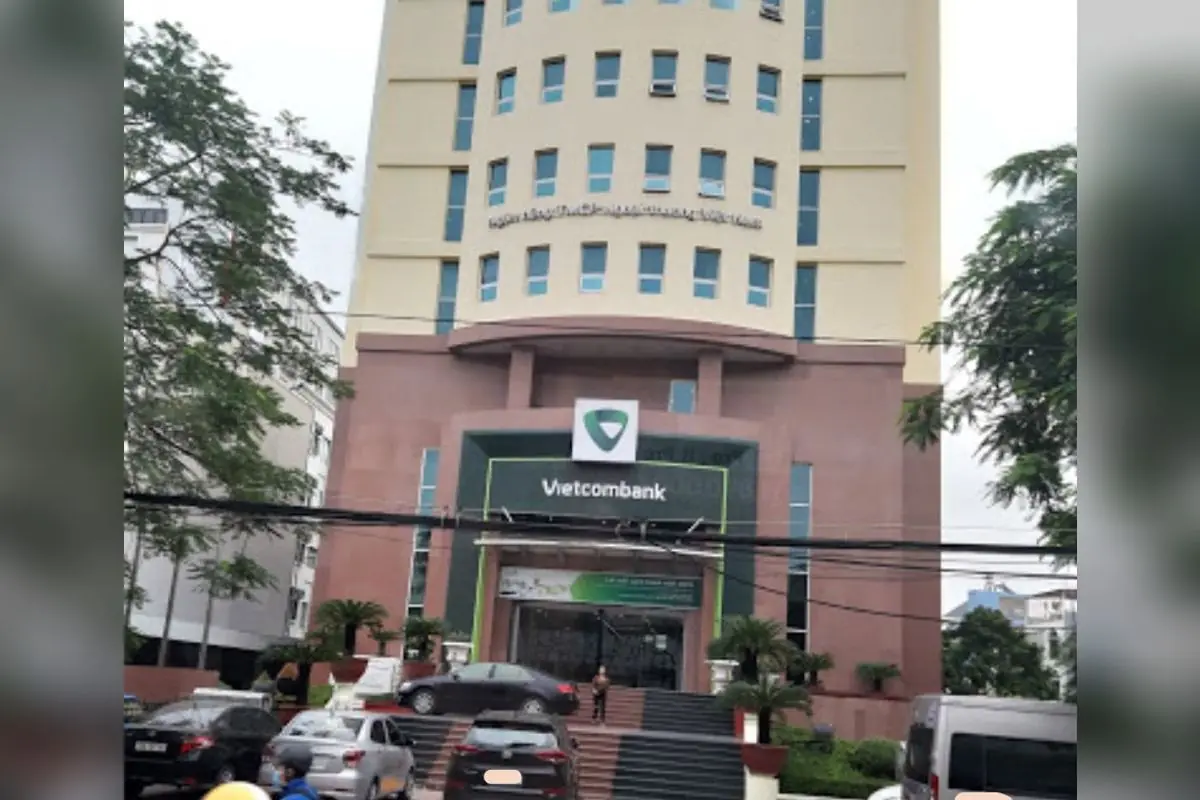
Before visiting, check whether the specific branch handles cash exchange for foreign visitors and accepts your currency. Not every bank counter deals with every foreign currency.
You’ll generally need your passport and banknotes in acceptable condition. Torn, heavily marked, or damaged notes may be refused.
USD, EUR, AUD, CNY, KRW and THB exchange rates
Here are Vietcombank’s indicative cash buying rates as a rough guide.
These rates show how many Vietnamese dong the bank pays when purchasing one unit of foreign currency in cash.
| Currency | Indicative cash buying rate |
|---|---|
| 1 USD | 25,560 VND |
| 1 EUR | 28,094 VND |
| 1 AUD | 17,551 VND |
| 1 CNY | 3,779 VND |
| 1 KRW | 16.59 VND |
| 1 THB | 673 VND |
For example, exchanging US$100 at 25,560 VND per dollar would give you approximately 2,556,000 VND, before any separate charges.
For Korean and Thai travelers, the gap between cash and transfer buying rates is wide.
On the same rate board, Vietcombank’s transfer buying rates were approximately 18.43 VND per Korean won and 748 VND per Thai baht, noticeably higher than the cash buying rates.
As a result, carrying large amounts of won or baht in banknotes may be less economical than expected.
Withdrawing dong from an international debit card could work out better, depending on the ATM surcharge, card issuer’s fees, and exchange rate.
Exchange rates change throughout the day. When selling foreign banknotes to a bank, compare the cash buying rate, not the bank’s selling rate or transfer buying rate.
Can you exchange money at gold shops, hotels, or on the street?
A hotel or commercial establishment may exchange foreign currency only when it meets the applicable requirements and is authorized to provide that service.
The same applies to gold shops: selling jewelry or gold doesn’t give a business a foreign exchange licence.
Since February 9, 2026, unauthorized foreign exchange carries the following penalties.
Buying or selling foreign currency between individuals or at unauthorized locations in amounts below US$1,000 may result in a warning.
For violations involving US$1,000 to less than US$10,000, individuals may face fines of 10-20 million VND. Certain violations may also lead to confiscation of the related foreign currency or Vietnamese dong.
Paying for goods or services in foreign currency outside the permitted circumstances can also result in penalties.
A tour operator might quote a price in US dollars for convenience, but ordinary domestic payments should generally be settled in Vietnamese dong.
How much cash can you bring into Vietnam?
Travelers entering or leaving Vietnam through an international border checkpoint with a passport must declare cash when carrying:
- More than US$5,000, or the equivalent in another foreign currency.
- More than 15 million VND in Vietnamese currency.
These are declaration thresholds, not absolute bans on carrying larger amounts.
Taking cash out of Vietnam above the threshold may also require supporting documents or authorization, depending on the circumstances.
Failing to declare cash above these limits, or declaring it incorrectly, is penalized from July 1, 2026.
Certain outbound violations can result in fines of up to 50 million VND.
5. Where can you pay by card or VietQR in Hai Phong?
International Visa and Mastercard debit or credit cards are accepted at many hotels, resorts, larger restaurants, supermarkets, spas, and established travel agencies in Hai Phong.
Some taxi companies and shops also accept contactless payments using a physical card, phone, or compatible digital wallet.
Smaller eateries, traditional markets, and street vendors are more likely to prefer cash or domestic bank transfers.
You’ll also notice QR codes at countless checkout counters. But there are two important systems to distinguish:
- Standard VietQR: Primarily supports transfers between Vietnamese bank accounts.
- VietQRGlobal: Supports cross-border QR payments through participating payment networks, apps, and merchants.
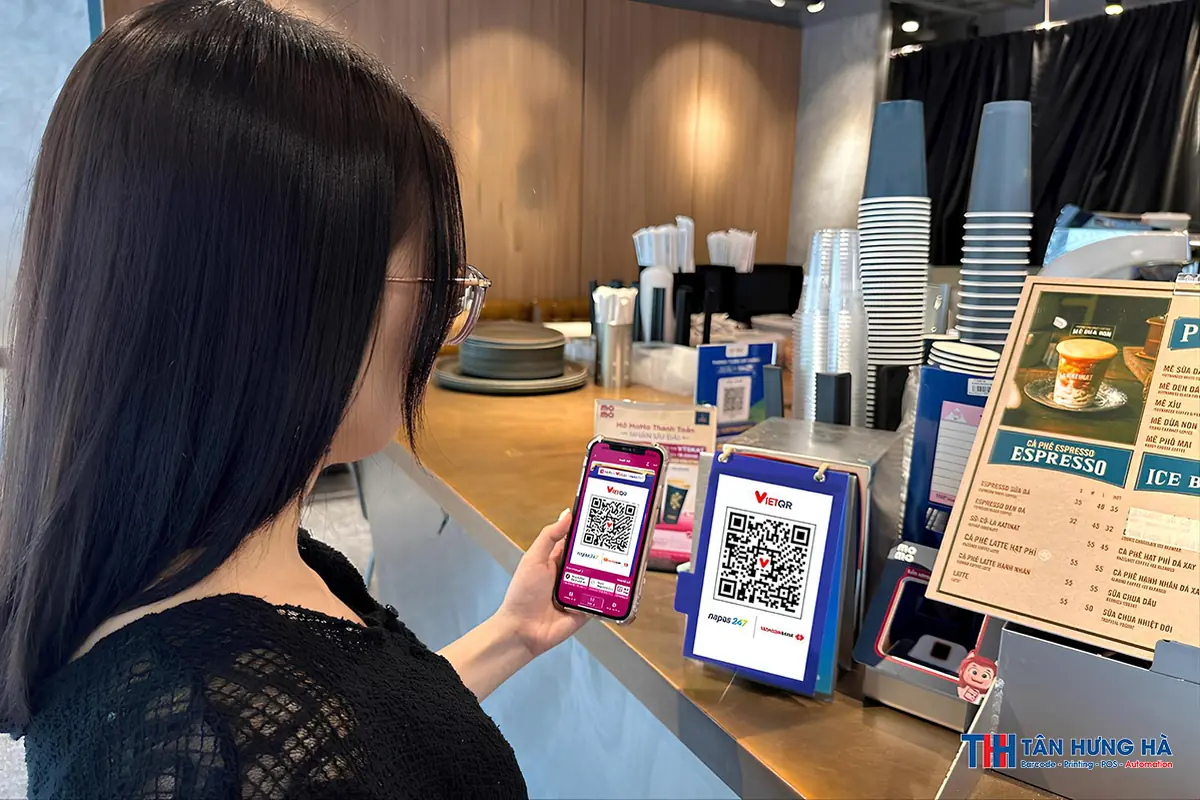
Whether your home banking app can scan a VietQR code depends on which network it belongs to.
Can Chinese, Korean, and Thai tourists pay by VietQR?
Vietnam already has cross-border QR payment links with several Asian markets.
| Country or region | QR payment options in Vietnam |
|---|---|
| China | UnionPay, Alipay, and Weixin Pay (WeChat Pay) at participating VietQRGlobal merchants |
| South Korea | Participating Korean banking apps and e-wallets connected through GLN International |
| Thailand | Banking apps participating in the linked QR payment network |
| Singapore | Participating apps connected to VietQRGlobal |
| Laos and Cambodia | Apps supported through their respective cross-border payment networks |
| Europe, United States, Australia | No widely available VietQRGlobal connection for ordinary domestic banking apps from these markets |
Vietnam’s QR payment connection with China began with UnionPay on December 2, 2025.
It expanded to Alipay on April 3, 2026, followed by Weixin Pay on August 6, 2026.
Cross-border QR services for South Korean visitors launched on April 23, 2026, with the involvement of NAPAS, GLN International, Hana Bank, and BIDV.
Payments can be converted between Korean won and Vietnamese dong during processing.
Vietnam’s QR connection with Singapore launched on July 2, 2026, following earlier integrations with Thailand, Laos, and Cambodia.
Both the payment app and the merchant must support the relevant cross-border service.
For example, a Chinese visitor using Alipay should look for VietQRGlobal acceptance and confirm with the cashier that Alipay payments are supported.
A small shop’s regular VietQR bank-transfer code may not work with Alipay, WeChat Pay, or a participating foreign banking app.
As for visitors from the United Kingdom, Germany, France, the United States, or Australia, international cards and Vietnamese cash remain the most straightforward payment options.
If you’re traveling with a Vietnamese friend, they may be able to pay small expenses using a local banking app when a shop accepts only domestic QR transfers. You can settle the shared expenses between yourselves afterward.
6. How much cash should you bring to Cat Ba Island, and is tipping expected?
After a few days in Hai Phong, many travelers continue to Cat Ba Island.
This is where having some cash becomes especially useful, whether you’re buying snacks near the pier, paying for local transport, or using a service without a card terminal.
Bring around 1-2 million VND per person
For a one- or two-day trip to Cat Ba, about 1-2 million VND in cash per person is a sensible reserve, assuming you’ve already paid for accommodation and major tours.
That amount can cover meals, drinks, local transport, sightseeing fees, and smaller unexpected expenses.
Private boat rentals, seafood meals, and unpaid hotel bills should be budgeted separately.
From January 1, 2026, the following sightseeing fees apply to selected attractions in Cat Ba:
| Attraction | Adults | Children aged 6 and over |
|---|---|---|
| Bay sightseeing routes around the Cat Ba Archipelago | 120,000 VND | 60,000 VND |
| Cat Ba National Park | 160,000 VND | 80,000 VND |
| National Park Center - Kim Giao - Ngu Lam - Trung Trang route | 120,000 VND | 60,000 VND |
These cover the regulated sightseeing fee only, not the boat trip, transfer, or guide.
Some tour operators include admission fees in their package prices. Others list them separately or collect them during the trip.
Before booking, check exactly which fees are included.
Boat rental and other services at Ben Beo Pier should be priced directly with the relevant operator at the time of travel.
Cat Ba has ATMs and businesses accepting cards, but finding a machine compatible with your overseas card may take longer than in central Hai Phong.
Withdrawing some cash before leaving the mainland makes the journey more convenient.
Understanding Vietnamese banknotes
Vietnamese dong is commonly used in paper and polymer banknotes. Coins are rarely seen in everyday transactions.
Visitors will regularly handle denominations from 10,000 to 500,000 VND.
Two notes are particularly easy to confuse:
- 20,000 VND: Predominantly blue.
- 500,000 VND: Also blue-toned, but worth 25 times as much.
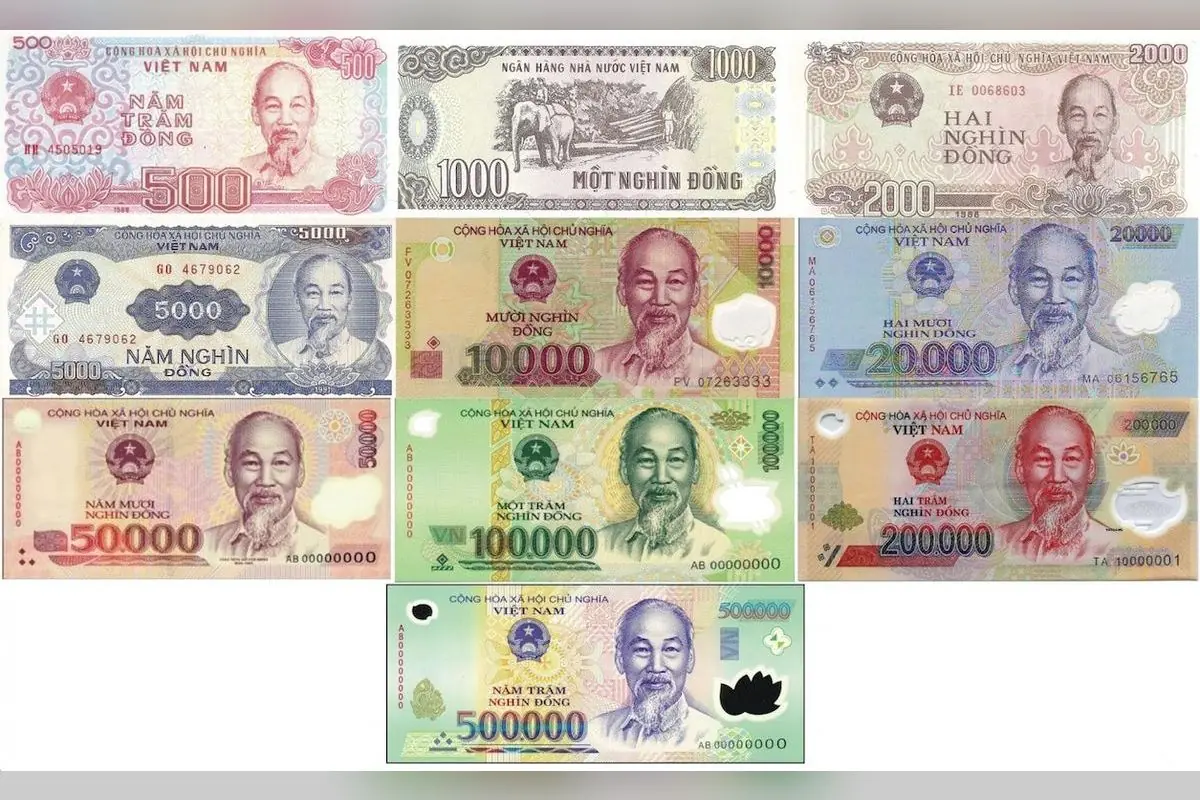
Break a few 500,000 VND notes into smaller denominations, particularly 20,000, 50,000, and 100,000 VND, for everyday purchases.
Do you have to tip in Vietnam?
Tipping isn’t mandatory in Vietnam, and it isn’t a universal expectation across restaurants, cafés, taxis, and other services.
Nobody expects a tip for a bowl of pho, a coffee, groceries, or an ordinary taxi ride.
That said, staff generally appreciate a small voluntary tip for good service.
Tipping is more common in spas, beauty services, and private guided tours.
The amount depends on your experience and budget. There’s no single percentage that applies to every situation.
Some larger hotels and restaurants already include a service charge, such as 5%, in their bills. This is separate from any voluntary tip.
VAT is another item to check. Eligible accommodation and dining services currently benefit from the reduced 8% VAT rate through December 31, 2026.
When reviewing a bill, check whether the advertised price already includes tax and service charges.
7. Common money mistakes foreign visitors make in Hai Phong
Accepting the ATM’s currency conversion rate
An ATM may show the withdrawal amount in your home currency, making the transaction feel more familiar.
But accepting that conversion may result in a substantially worse exchange rate.
Decline DCC and complete the transaction in VND.
Buying an already activated SIM
A seller may offer a ready-to-use SIM that supposedly requires no passport.
It may be registered under another person’s identity. When the operator checks subscriber information or requests renewed verification, your service could be interrupted.
Have the SIM registered under the identity of the person who will actually use it.
Confusing banknotes when paying
Vietnamese banknotes take time to get used to, especially when you’re tired after traveling.
The classic slip is handing over a 500,000 VND note instead of a 20,000 VND note.
Count your change carefully and check each denomination.
For QR payments, verify the recipient’s name and the amount displayed on your phone before confirming the transfer.
If a printed QR code looks tampered with or has another sticker placed over it, ask the seller to confirm the correct payment details.
Exchanging money with strangers
Someone offering a much better USD or EUR exchange rate on the street may seem helpful.
But informal exchanges can expose you to counterfeit notes, short-changing, and violations of Vietnam’s foreign exchange rules.
Banks and licensed exchange counters provide clearer rates, records, and procedures.
Not confirming the total price
At seafood markets, restaurants, and busy tourist destinations such as Do Son, displayed prices may be calculated per 100 grams or kilogram.
Cooking and preparation charges may also be listed separately.
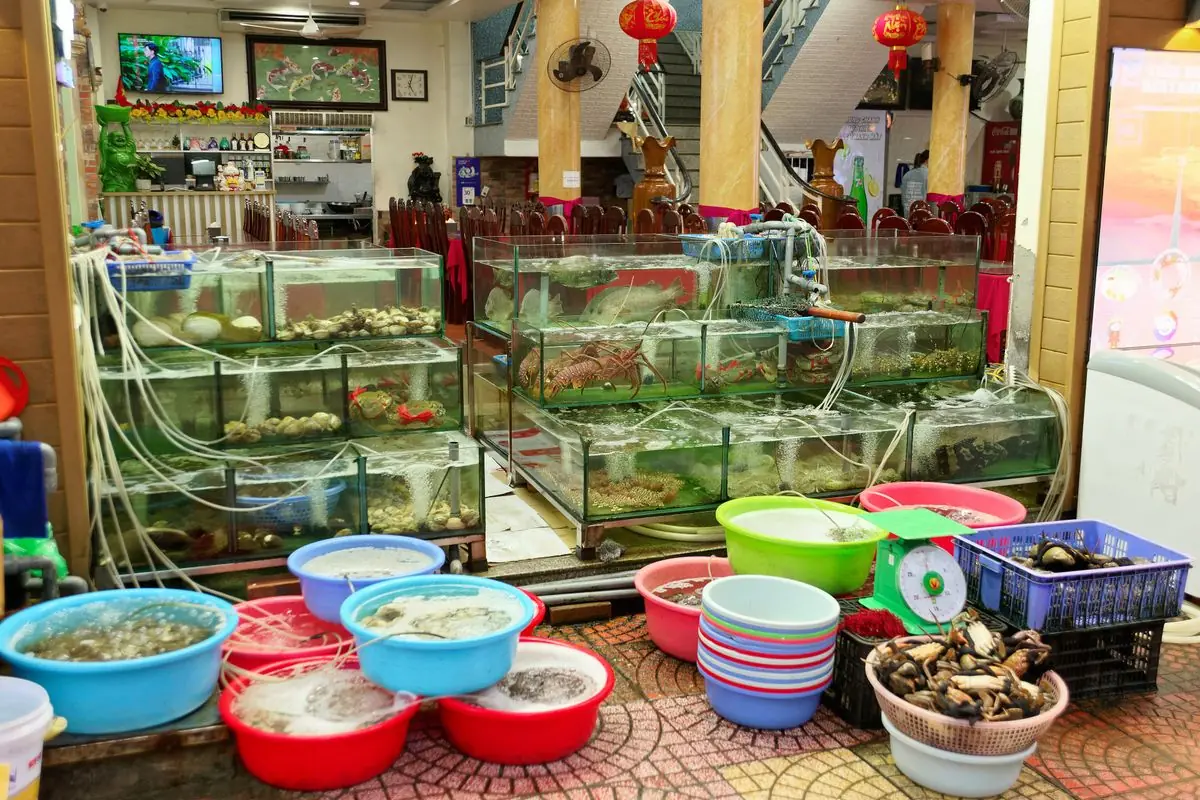
Before ordering seafood, confirm the price per unit, weight, preparation fee, and expected total.
For taxis or private transport arranged outside an app, agree on the fare or confirm that the meter will be used before starting the trip.
Using a credit card for ATM cash advances
Withdrawing cash using a credit card can trigger cash advance fees and interest from the date of the transaction.
These charges are different from the terms that may apply to ordinary card purchases.
An international debit card is generally a more suitable option for withdrawing travel money. The actual cost still depends on your card issuer’s terms.
Before leaving the airport or your hotel on the first day, open a map using mobile data, check the Vietnamese dong in your wallet, and test a small payment.
Frequently asked questions
Should I buy a SIM at Cat Bi Airport or get an eSIM before flying?
Buying an international travel eSIM before departure is convenient when you want internet access immediately after landing, particularly on a late flight. A Vietnamese mobile operator's SIM usually offers better value for longer visits and may include a local +84 number. At Cat Bi Airport, purchase a SIM only from an official counter or properly authorized retailer that completes the required registration.
What documents do foreigners need to buy a SIM in Vietnam?
Foreign visitors generally need a passport valid for their permitted stay in Vietnam or a qualifying electronic identity account under the relevant regulations. Since April 15, 2026, new subscriptions have also required subscriber information and facial verification. Visitors who cannot complete electronic verification must use an appropriate in-person registration point.
Which ATMs in Hai Phong have the lowest fees for foreign cards, and how much can I withdraw?
Travelers often find VPBank charges relatively low fees, or no local ATM surcharge, for certain international card withdrawals. ACB is another bank worth checking. Many machines allow withdrawals of approximately 2-5 million VND per transaction, while some permit around 10 million VND. Exact limits and fees depend on the ATM, card network, and issuing bank, so check the screen before confirming.
Where can I legally exchange USD or euros in Hai Phong at a good rate?
You can exchange cash at banks authorized for foreign exchange transactions, including Vietcombank at 275 Lach Tray Street, or at properly licensed currency exchange agents. Compare cash buying rates, ask about any additional charges, and bring your passport. Avoid informal exchanges with individuals or unlicensed businesses, even when they advertise a better rate.
Is tipping required in Vietnam, and can foreign visitors pay with VietQR?
Tipping isn't required in Vietnam, although it's more common for spa treatments and private guided tours. For QR payments, visitors from China, South Korea, Thailand, and certain other connected countries may use supported home-country apps at participating VietQRGlobal merchants. Travelers from Europe, the United States, and Australia will generally find international cards and cash more reliable.