Hanoi itinerary for 2-5 days: a first-timer's guide to exploring the city without wasting time
Three days are enough to discover Hanoi's main attractions, while four or five days give you time to explore more slowly and take a day trip beyond the city. The key is to group nearby places together rather than crossing Hanoi several times a day.
 24 min read
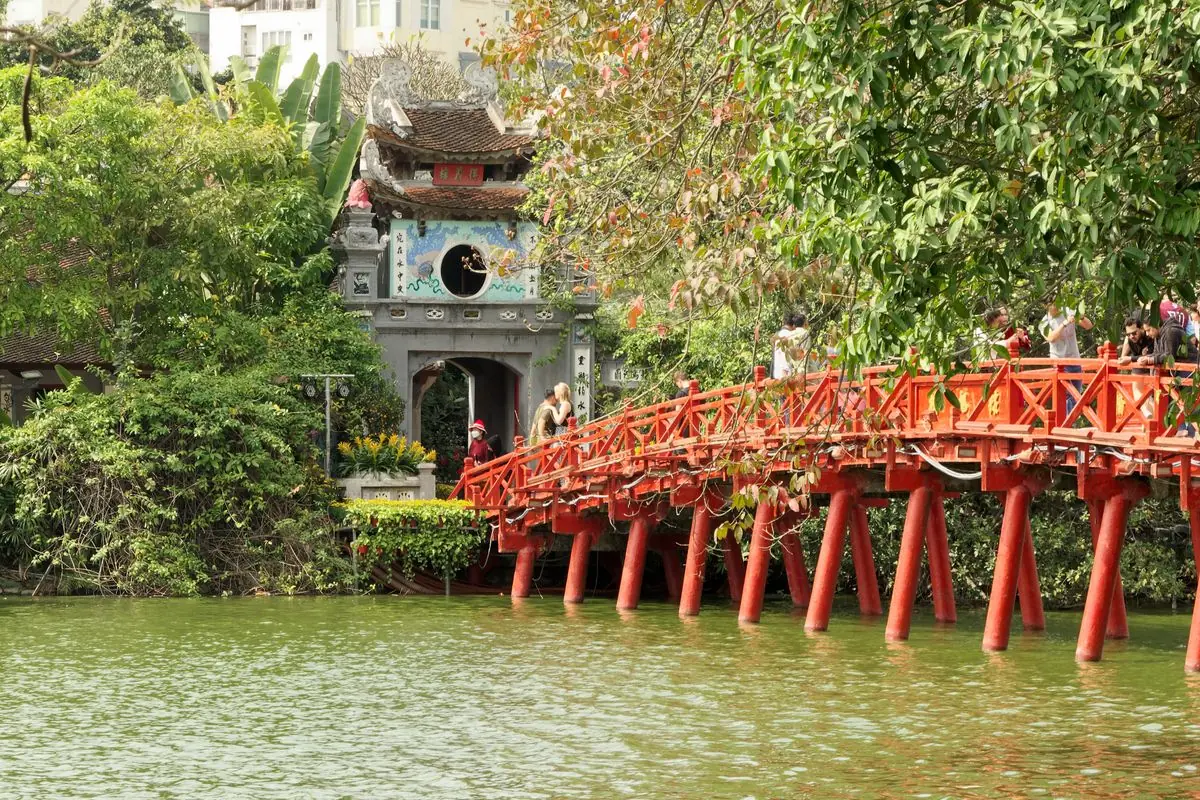
The red The Huc Bridge crosses Hoan Kiem Lake to the gate of Ngoc Son Temple among the trees.
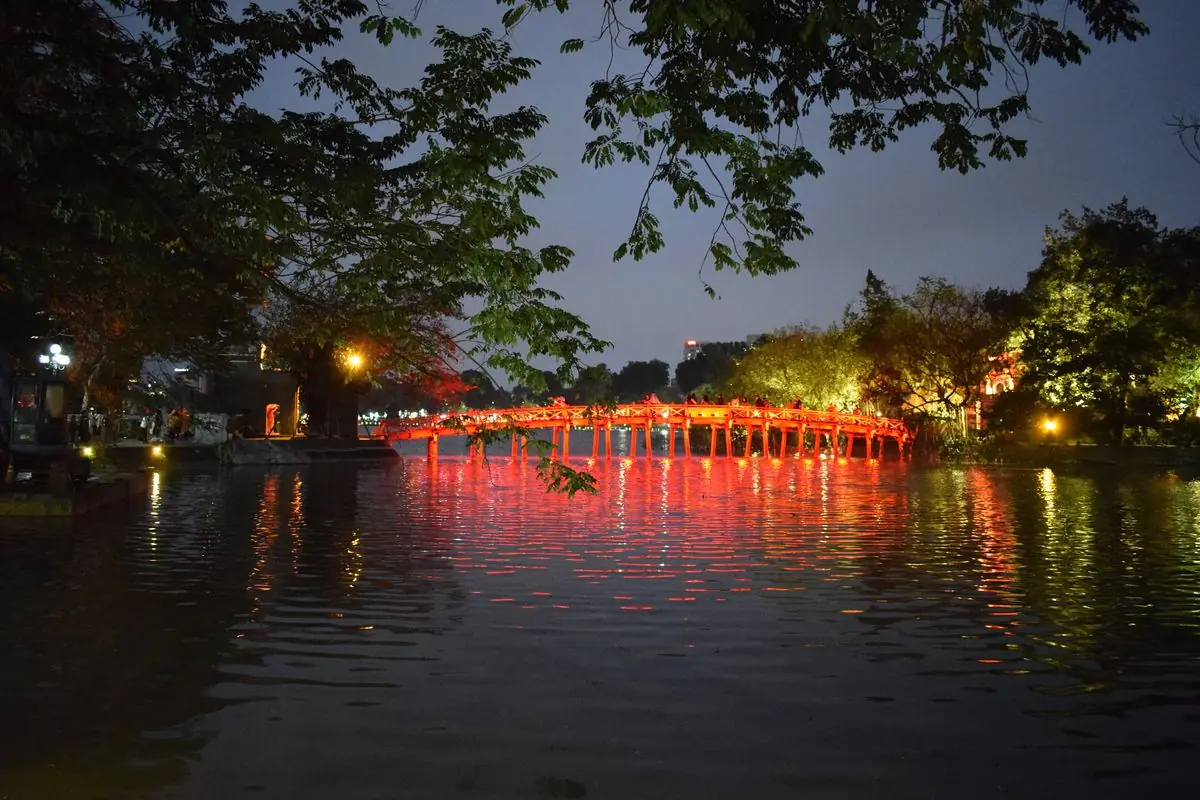
At around 7:15 a.m., standing on Dinh Tien Hoang Street and looking toward The Huc Bridge, you can see its bright red structure reflected in Hoan Kiem Lake. It’s a good place to begin exploring Hanoi before the surrounding streets become crowded. With two to five days in the city, you can spend your first day visiting the famous landmarks, explore quieter neighborhoods over the following days, and set aside time for Ninh Binh or Ha Long Bay.
How should you plan a 2-5 day Hanoi itinerary?
Many of Hanoi’s attractions are close together, but others are more than 10 kilometers from the city center. Hoan Kiem Lake and the Hanoi Opera House, for example, are within walking distance of each other, while the Vietnam Museum of Ethnology is much farther west, in Cau Giay. Trying to visit all three in one morning would mean spending unnecessary time in traffic.
The easiest approach is to divide your trip into five areas or themes:
| Day | Main area | Highlights | Evening |
|---|---|---|---|
| Day 1 | Ba Dinh - Temple of Literature - Hoan Kiem | Ho Chi Minh Mausoleum, Temple of Literature, Hoan Kiem Lake, Old Quarter | Lakeside walk, water puppet show |
| Day 2 | Trang Tien - French Quarter | Hanoi Opera House, Vietnamese Women’s Museum, Trang Tien Street | St. Joseph’s Cathedral area or Old Quarter |
| Day 3 | Truc Bach - West Lake - Cau Giay | Tran Quoc Pagoda, Ngu Xa, Vietnam Museum of Ethnology | Dinner near West Lake |
| Day 4 | Ninh Binh or Ha Long Bay | Full-day sightseeing trip | Rest in Hanoi |
| Day 5 | Bat Trang or a special-interest attraction | Pottery village, hands-on workshop, or museum | Shopping, packing, and departure preparations |
This is a complete five-day plan, not a checklist you have to finish.
- 2 days in Hanoi: Follow Days 1 and 2. Prefer open spaces to museums? Replace Day 2 with West Lake.
- 3 days in Hanoi: Explore all three city areas, or spend two days in Hanoi and take a day trip to Ninh Binh.
- 4 days in Hanoi: Spend three days exploring the city and one full day in Ninh Binh or Ha Long Bay.
- 5 days in Hanoi: Add Bat Trang Pottery Village, a larger museum, or a slower final day before continuing your journey.
For international visitors traveling to Vietnam for the first time, three full days in Hanoi generally offer a good balance. Travelers already familiar with the Old Quarter may prefer to cover the historic center in one day and spend more time exploring traditional villages, museums, and neighborhoods beyond the usual tourist routes.
Day 1: Ba Dinh, Temple of Literature, Hoan Kiem Lake, and the Old Quarter
Your first day is best spent exploring Hanoi’s most recognizable landmarks. You’ll start in the historic and political heart of the capital, then finish near Hoan Kiem Lake, where it’s easy to find dinner and return to your hotel.
A typical sightseeing route is:
Ho Chi Minh Mausoleum → One Pillar Pagoda → Temple of Literature → Hoa Lo Prison Relic → Hoan Kiem Lake → Old Quarter.
That’s quite a full day. Travelers who enjoy taking their time at historical sites should consider skipping either the Temple of Literature or Hoa Lo Prison rather than spending just 20 minutes at each attraction.
The Ho Chi Minh Mausoleum requires particular attention when planning your schedule.
Public visits are normally held on Tuesday, Wednesday, Thursday, Saturday, and Sunday mornings. During the cooler season from November 1 to March 31, visits generally begin at 8:00 a.m. and finish around 11:00 a.m., with adjustments for weekends and public holidays. The mausoleum is closed to visitors on Mondays and Fridays, as well as during scheduled maintenance periods.
So, if your flight lands at Noi Bai International Airport at 9:00 or 10:00 a.m., don’t rush straight to the mausoleum. Move Ba Dinh to another morning and begin with the Temple of Literature or the Hoan Kiem area instead.
Evening 1: get to know Hanoi’s Old Quarter
After a full day on your feet, choose something close to your accommodation.
The Thang Long Water Puppet Theatre, at 57B Dinh Tien Hoang Street, sits right beside Hoan Kiem Lake. It’s convenient for an evening performance followed by dinner in the Old Quarter.
A typical water puppet show lasts around 50 minutes. Performance schedules vary, so check the available showtimes and reserve your seats in advance, particularly on weekends.
If your first evening falls on Friday, Saturday, or Sunday, consider spending some time in the Hoan Kiem pedestrian zone.
Under its usual schedule, the pedestrian area operates from 7:00 p.m. on Friday until the end of Sunday, although special events and weather conditions can affect the arrangements.
You don’t need to explore every street. A comfortable walk from Dong Kinh Nghia Thuc Square along Dinh Tien Hoang Street, around Hang Khay, and back toward St. Joseph’s Cathedral is enough for an enjoyable first evening.
Day 2: walk through the French Quarter, visit a museum, and explore Trang Tien
After a first day filled with historical landmarks, the second day is a good opportunity to explore the streets south and southeast of Hoan Kiem Lake.
Ly Thuong Kiet, Trang Tien, Ngo Quyen, and Hai Ba Trung are home to buildings influenced by French colonial architecture, alongside shops, cafés, and public institutions that remain in use today.
The best part of this route is that you won’t need much transportation. Most of the day can be spent walking.
8:30-10:30 a.m.: Vietnamese Women’s Museum
The Vietnamese Women’s Museum is located at 36 Ly Thuong Kiet Street and is open daily from 8:00 a.m. to 5:00 p.m.
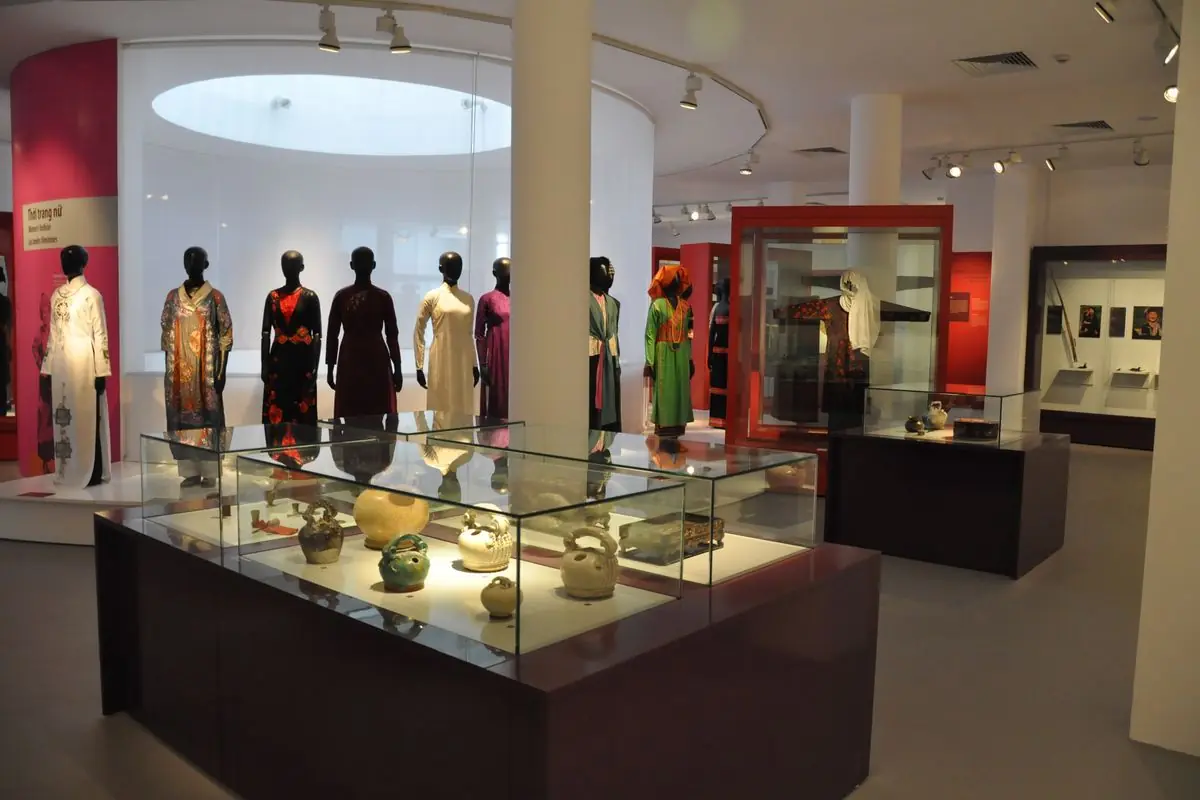
Rather than simply presenting historical events in chronological order, the museum explores the lives of Vietnamese women through family traditions, clothing, customs, work, and experiences during wartime.
International visitors can use audio guides in English and several other languages.
Allow around 90 minutes to two hours. You may want longer if you’re interested in traditional clothing and the cultures of Vietnam’s different ethnic communities.
This is also a convenient place to visit on a rainy day or Monday, when some other museums in Hanoi are closed.
10:30 a.m.-12:00 p.m.: walk from Ly Thuong Kiet to Hanoi Opera House
Leaving the museum, head toward the Hanoi Opera House at August Revolution Square.
The building has an imposing façade, classical columns, and broad steps facing the square. It’s worth stopping to admire the architecture from outside.

Access to the interior depends on performances and other activities taking place at the opera house. Don’t assume you can simply walk in for a self-guided visit.
Trang Tien Street is only a short walk away. Continue past its shops, bookstores, and older buildings before stopping for lunch.
1:30-4:00 p.m.: choose one afternoon activity
There are several ways to spend the afternoon, depending on your interests.
For history lovers: Visit the Vietnam National Museum of History around 1 Trang Tien Street. Its collections introduce ancient Vietnamese cultures, archaeological discoveries, and different periods of the country’s history.
The museum publishes morning opening hours from 8:00 a.m. to noon and afternoon hours from 1:30 to 5:00 p.m. The museum may close on Mondays, so confirm before planning a Monday visit.
For café lovers: Spend the afternoon around Trang Tien or walk toward St. Joseph’s Cathedral. The streets around Nha Chung, Nha Tho, and Au Trieu offer plenty of places to stop for a drink before heading back toward Hoan Kiem Lake.
For older travelers: Skip the second museum and return to your hotel for a two-hour break. You can head out again in the late afternoon.
Don’t try to fill every minute between 1:00 and 5:00 p.m. During summer, these are often the least comfortable hours for walking because of the heat and sun.
Evening 2: St. Joseph’s Cathedral or a cultural performance
The St. Joseph’s Cathedral neighborhood is a pleasant place for coffee, a short walk, and a relaxed dinner.
Already spent your first evening around Hoan Kiem Lake? You could check the performance schedule at Hanoi Opera House or another cultural venue in central Hanoi.
Another possibility is a nighttime experience at the Temple of Literature, on evenings when the program operates. This is separate from the normal daytime visit, so you won’t simply be returning to take the same photographs.
Day 3: West Lake, Truc Bach, and the Vietnam Museum of Ethnology
Your third day takes you beyond the Old Quarter without leaving Hanoi.
West Lake and Truc Bach Lake are especially pleasant for a morning outing. After lunch, continue west toward the Vietnam Museum of Ethnology on Nguyen Van Huyen Street in Cau Giay.
This is also a good day to keep in your itinerary when visiting Hanoi with kids. There are more outdoor spaces, and you won’t be moving between historical monuments all day.
7:30-10:00 a.m.: Tran Quoc Pagoda and Truc Bach
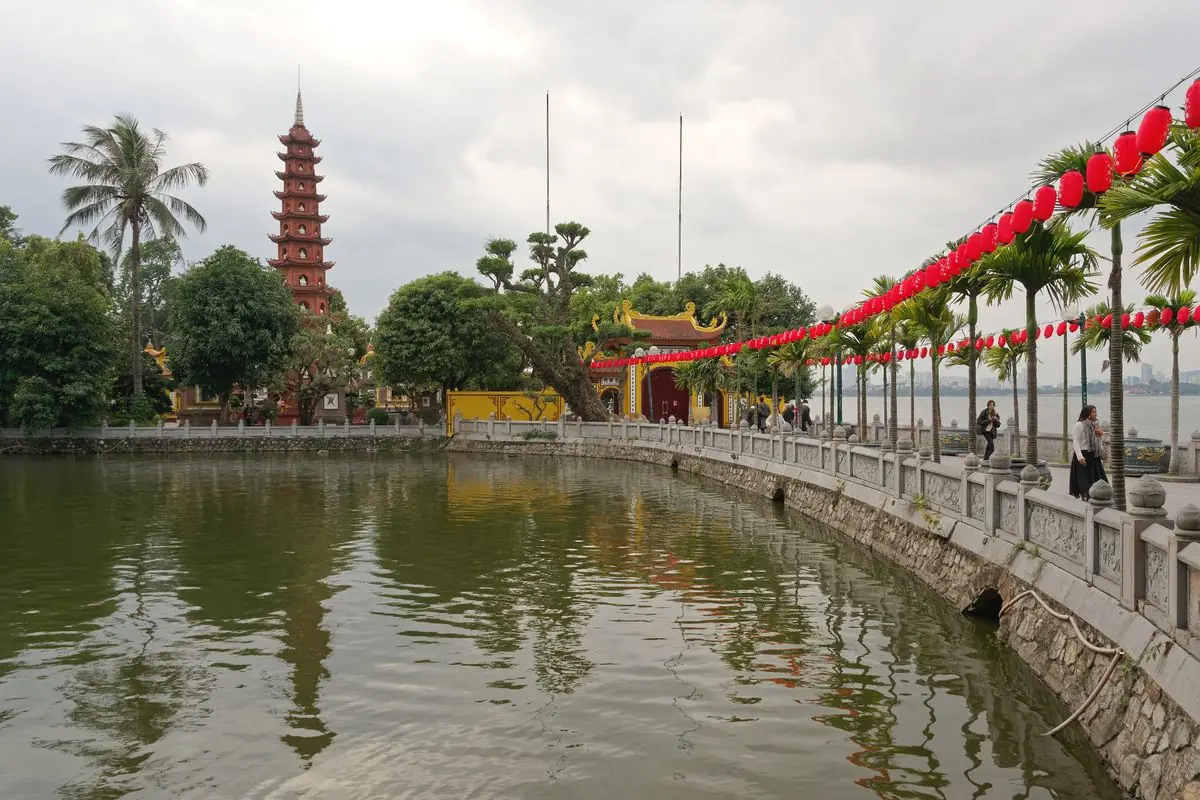
Begin at Tran Quoc Pagoda on Thanh Nien Road, surrounded by the broad waters of West Lake.
The pagoda is known for its traditional Buddhist architecture and distinctive multi-tiered tower.
It remains an active religious site, so dress respectfully, keep your voice down, and follow any photography restrictions.
Don’t schedule every attraction around West Lake into one morning.
After Tran Quoc Pagoda, walk along Thanh Nien Road, look across Truc Bach Lake, and visit Quan Thanh Temple toward the southern end of the road if you have time.
Thanh Nien Road is especially pleasant in the morning, although some sections of pavement are narrow. Families with strollers should take their time and avoid the busiest traffic periods.
10:30 a.m.-12:00 p.m.: lunch in Ngu Xa
Ngu Xa is well known for pho cuon (fresh rice noodle rolls), crispy fried pho noodles, and fried noodle dishes.
One specific address is Pho Cuon Huong Mai, 25 Ngu Xa Street.
You can order pho cuon with fresh herbs and dipping sauce, then add a plate of pho chien phong, crispy puffed rice noodles, to share.
International visitors unfamiliar with traditional noodle soup often find pho cuon approachable because the ingredients are wrapped into ready-to-eat rolls rather than served in hot broth.
Don’t spend the whole afternoon traveling across the city just to sample every famous dish.
1:30-4:30 p.m.: Vietnam Museum of Ethnology
From Truc Bach, take a taxi or ride-hailing car to the Vietnam Museum of Ethnology on Nguyen Van Huyen Street.
The museum’s exhibitions extend beyond indoor display cases.
The outdoor grounds contain large-scale traditional houses, allowing visitors to better understand the living environments and architecture of several ethnic communities.
The houses, staircases, household objects, and wooden structures can be particularly engaging for children.
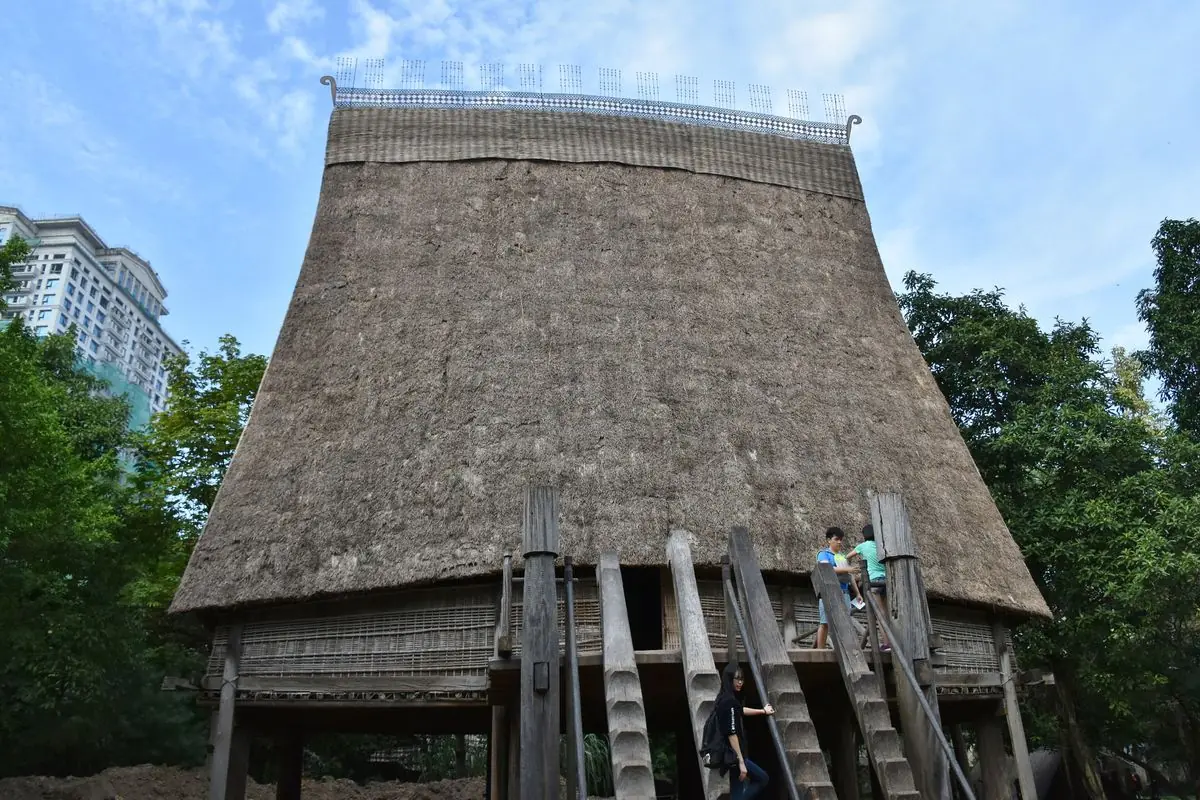
Visitor information published by the museum:
- Opening hours: 8:30 a.m.-5:30 p.m., Tuesday to Sunday.
- Closed: Monday and during the Lunar New Year holiday.
- Adult admission: VND 40,000 per person, based on the museum’s published admission information.
- Children under six: Free admission, with separate concessions for schoolchildren and other eligible groups.
Allow two to three hours, especially if you want to see both the indoor galleries and the outdoor houses.
Arriving at 4:00 p.m. isn’t a good idea. Walking between the exhibition areas alone can take a considerable amount of time.
Evening 3: stay around West Lake or return to the Old Quarter?
There are two sensible ways to finish the day.
To enjoy the lake after sunset, return to Truc Bach or one of the streets along West Lake for dinner. This is a good area for a longer, relaxed meal rather than squeezing in another attraction.
If you’re leaving early for Ninh Binh or Ha Long Bay the next morning, return to your hotel around Hoan Kiem and prepare your belongings.
Trying to confirm your pickup point, check departure times, or contact your hotel reception late at night can make the following morning unnecessarily stressful.
Day 4: choose Ninh Binh or Ha Long Bay for a day trip
With four or five days in Hanoi, Day 4 is an excellent opportunity to explore somewhere beyond the capital.
By this point, you’ve had time to settle into the city, recover from your flight, and become familiar with local transportation.
However, Ninh Binh and Ha Long Bay should not be combined into a single day trip from Hanoi. Each deserves its own full-day itinerary.
Option A: Ninh Binh - for limestone mountains, rivers, and countryside
Traveling from Hanoi to Trang An in Ninh Binh generally takes around two to two and a half hours by road, sometimes longer depending on your pickup location and traffic.
A typical day-trip schedule might look like this:
| Approximate time | Activity |
|---|---|
| 7:00-7:30 a.m. | Depart Hanoi |
| 9:30-10:00 a.m. | Visit Hoa Lu Ancient Capital |
| 11:00 a.m.-1:30 p.m. | Take a Trang An boat trip |
| 1:30-2:30 p.m. | Lunch |
| 2:30-4:00 p.m. | Visit Hang Mua or another nearby attraction |
| 6:30-7:30 p.m. | Return to Hanoi |
This is a sample schedule, not a guaranteed departure time for every tour operator.
For example, the Ninh Binh day tour published by SGO DMC includes a 7:30 a.m. pickup in Hanoi’s Old Quarter, visits to Hoa Lu and Trang An, lunch, and a stop at Hang Mua before returning to Hanoi at around 6:30 p.m.
Trang An or Tam Coc?
For a single day in Ninh Binh, it’s better to choose one of these two boat experiences.
Trang An is a good choice if you want a longer journey through limestone caves and different scenic stops.
Tam Coc is particularly attractive for its rice fields, especially during the golden harvest season.
It’s possible to visit both in one day, but you’ll spend much of your time sitting in boats and traveling between the two areas.

According to the ticket operator’s announcement, from January 1, 2026, Trang An sightseeing boat tickets cost VND 300,000 per adult and VND 150,000 per child in the applicable child-ticket category.
These are the boat sightseeing ticket prices only. Transportation from Hanoi and admission to other attractions are not included.
Should you climb Hang Mua?
Hang Mua is famous for its steep stone staircase leading to panoramic viewpoints.
Reaching the upper viewpoints involves climbing approximately 500 steps, with some particularly steep sections.
For reasonably fit travelers who still have enough time in the afternoon, the climb can be worthwhile.
However, if it’s raining, the steps are slippery, the afternoon heat is intense, or you’re traveling with very young children, consider skipping the climb and spending time around the lower grounds instead.
Ninh Binh works especially well for travelers who want natural scenery and don’t mind spending several hours in a vehicle.
If you’re planning to stay overnight in Ninh Binh later in your northern Vietnam trip, there’s little reason to return to Hanoi solely to travel there again the following day.
Option B: Ha Long Bay - spend a full day on the water
Ha Long Bay lies east of Hanoi.
Traveling along the expressway can take approximately two and a half to three hours each way, although organized tours may take longer because of hotel pickups, rest stops, and boarding procedures.
Many Hanoi day tours depart between 7:30 and 8:30 a.m. and return in the evening.
For example, the Ha Long Bay day trip published by Vivu Halong takes travelers from Hanoi to the Tuan Chau cruise port, followed by sightseeing around the bay, lunch on board, and visits to attractions included in the itinerary.
Its published schedule includes pickups between approximately 7:30 and 8:30 a.m. and a return to Hanoi around 8:30-9:00 p.m.
Other tours offer cruises lasting around six hours, sometimes visiting Sung Sot Cave, Luon Cave, and Ti Top Island.
Check the departure port and the actual sightseeing stops before booking. Not every cruise follows the same route.
Ninh Binh vs. Ha Long Bay: which is better for a day trip?
| Factor | Ninh Binh | Ha Long Bay |
|---|---|---|
| Main scenery | Limestone mountains, rivers, rice fields | Sea, limestone islands, caves |
| Main experiences | Rowboat trips, historical sites, hiking | Cruises, caves, kayaking |
| Travel from Hanoi | Around 2-2.5 hours each way | Around 2.5-3 hours each way |
| Traveling with young children | Fairly manageable if you skip steep climbs | Consider the long road journey and time on the boat |
| When to stay overnight | To explore Tam Coc, Trang An, and Hang Mua properly | For an overnight cruise or more time on the bay |
Ninh Binh generally offers more flexibility when you have only three days in Hanoi and want to include a trip beyond the city.
Ha Long Bay is the better choice if seeing the bay is one of the main reasons for your trip to Vietnam.
However, a same-day trip to Ha Long Bay commonly takes 12-14 hours from leaving your hotel to returning.
What about Cat Ba Island?
Cat Ba Island and Lan Ha Bay are other destinations accessible from Hanoi, but they are generally not ideal for a same-day return trip when you have only four or five days available.
Beyond the road journey, getting to the island can involve additional transport connections, and the schedule may depend on weather conditions.
If Cat Ba is a priority, plan for at least one or two nights there.
The same principle applies to longer journeys toward Sa Pa, Hai Phong, or several destinations across northern Vietnam. These work better as separate stages of your trip rather than short excursions from Hanoi.
Day 5: Bat Trang Pottery Village and a slower afternoon
After four busy days, don’t squeeze another long-distance tour into your itinerary.
Bat Trang is an easy choice, especially for families and international visitors interested in traditional Vietnamese crafts.
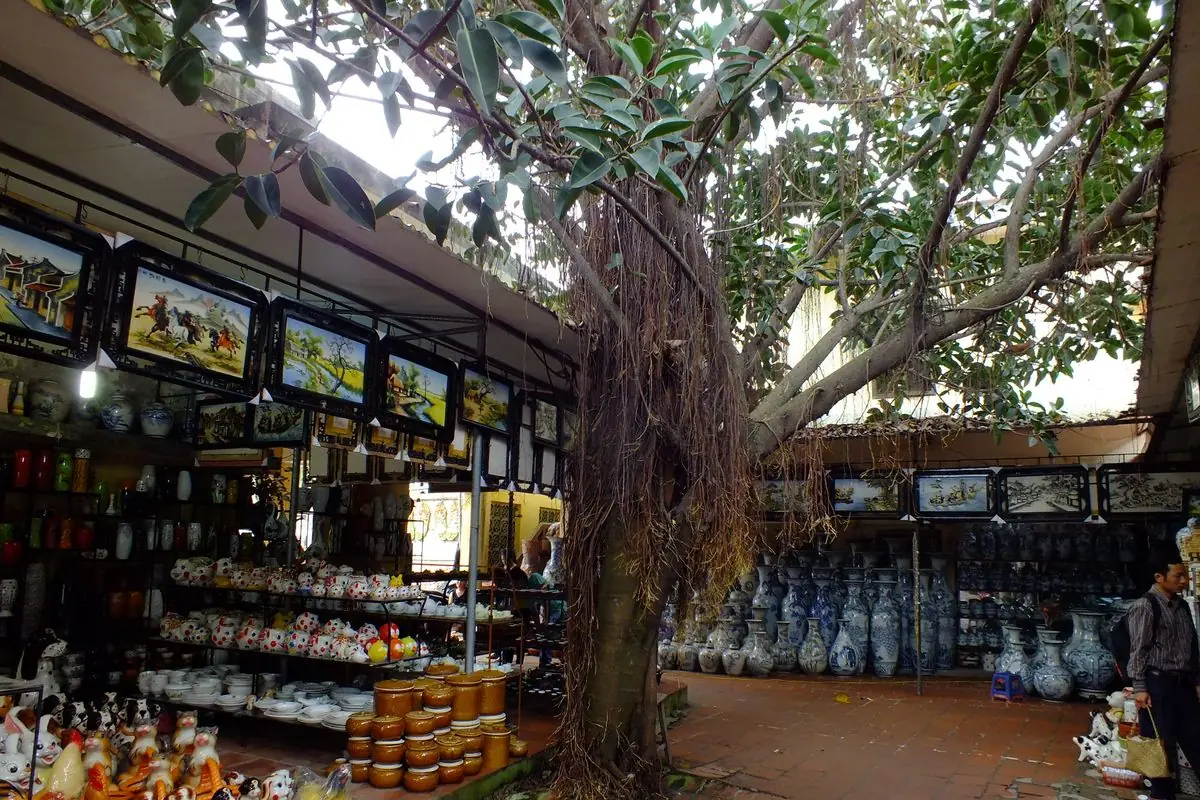
- 9:00 AM-12:00 PM
Bat Trang Pottery Village
Bat Trang lies southeast of central Hanoi, on the other side of the Red River.
Driving from Hoan Kiem usually takes around 40-60 minutes, depending on traffic.
You can wander through the village, browse pottery shops, and look at ceramics in all kinds of shapes, glazes, and colors, from everyday bowls and plates to decorative vases.
For a specific exhibition space, consider visiting Bat Trang Museum, dedicated to the late People’s Artisan Vu Thang, at No. 1, Road 1-5, Hamlet 2, Bat Trang.
The museum states that its exhibition area currently offers free admission and is open daily from 10:00 a.m. to noon and 1:30 to 5:00 p.m.
This is a separate location from the Vietnamese Craft Village Quintessence Center, another prominent building often referred to by visitors as the Bat Trang Pottery Museum.
- 1:00-3:00 PM
Try a pottery workshop
Several workshops in the village allow visitors to shape clay or paint ready-made ceramic objects.
Working with a pottery wheel generally requires more time. Your finished creation may also need drying, glazing, and firing, so you might not be able to take it away immediately.
If you’re flying home that evening, ask the workshop how long the finished product will take and whether collection or delivery is possible.
Painting a pre-shaped ceramic piece is usually more convenient for travelers with limited time.
- Day 5 afternoon
Return to central Hanoi
If you have an evening flight, finish your Bat Trang activities early and return to your hotel to collect your luggage.
Staying another night? Leave your final afternoon open for things you haven’t done yet: browsing a bookstore, buying small gifts, relaxing at a café, or taking another walk around Hoan Kiem Lake.
Avoid leaving all your souvenir shopping until the last minute.
Many shops in the Old Quarter are located on busy, narrow streets where handling large suitcases or arranging a car pickup can be inconvenient.
What to do in Hanoi for 3 days without following the full five-day plan
This is a decision worth making before booking a Ninh Binh or Ha Long Bay tour.
Three days might sound like plenty of time for one city, but they really give you only about six sightseeing periods.
If one afternoon is spent checking into your hotel, exchanging currency, or recovering from a flight, the available time becomes even shorter.
Three days focused entirely on Hanoi
This is a balanced itinerary for first-time visitors:
| Day | Morning | Afternoon | Evening |
|---|---|---|---|
| 1 | Ba Dinh and Ho Chi Minh Mausoleum | Temple of Literature, Hoan Kiem Lake | Old Quarter |
| 2 | Vietnamese Women’s Museum | Hanoi Opera House, Trang Tien | St. Joseph’s Cathedral |
| 3 | West Lake and Truc Bach | Vietnam Museum of Ethnology | Dinner by the lake |
This schedule includes historical landmarks, museums, old neighborhoods, and time to enjoy local food.
You also won’t need to wake up unusually early for three consecutive days.
Three days in Hanoi with a day trip
To visit somewhere beyond the capital:
- Day 1: Ba Dinh, Temple of Literature, and Old Quarter.
- Day 2: French Quarter, Vietnamese Women’s Museum, and Hoan Kiem Lake.
- Day 3: Full-day trip to Ninh Binh or Ha Long Bay.
With this plan, you’ll have to save West Lake and the Vietnam Museum of Ethnology for another visit.
If you arrive in Hanoi on the afternoon of Day 1 and leave on the morning of Day 3, you effectively have only a day and a half for sightseeing.
Don’t treat that as three full days and try to fit in a long-distance tour.
Is a 4-day or 5-day Hanoi itinerary too long?
Not at all, provided you don’t spend every day revisiting the same streets.
For a 4-day Hanoi itinerary, the most balanced option is three days in the city and one day outside it.
The fourth sightseeing day can be used for Ninh Binh or Ha Long Bay, but the day trip doesn’t necessarily have to fall on the final calendar day of your stay.
For example, suppose you arrive in Hanoi on Friday:
- Friday: Explore Trang Tien and Hoan Kiem Lake, then enjoy the weekend pedestrian streets.
- Saturday: Visit Ho Chi Minh Mausoleum, Temple of Literature, and Ba Dinh.
- Sunday: Explore West Lake and the Vietnam Museum of Ethnology.
- Monday: Take a day trip to Ninh Binh or Ha Long Bay.
This order also avoids scheduling the mausoleum or the Vietnam Museum of Ethnology on a Monday, when they’re closed.
For a 5-day Hanoi itinerary, there are two particularly good ways to spend the extra day.
Option 1: add Bat Trang Pottery Village. This works well for families, craft lovers, and anyone wanting a break from historical monuments.
Option 2: visit a major museum. Travelers interested in military history could spend half a day or longer at the Vietnam Military History Museum, located at Km 6+500 on Thang Long Avenue.
The museum is quite far from the city center and includes large military vehicles, equipment, and aircraft displayed outdoors.
Don’t try to combine it with both the Vietnam Museum of Ethnology and Bat Trang on the same afternoon.
The Vietnam Military History Museum is open from 8:00 a.m. to 4:30 p.m. on Tuesday, Wednesday, Thursday, Saturday, and Sunday. It is closed on Monday and Friday.
If you’re continuing to Ninh Binh, Ha Long Bay, or Sa Pa after Hanoi, you could instead use Day 5 as a rest day or leave the capital one day earlier.
Opening hours and closing days that can affect your Hanoi itinerary
Before confirming your hotel and booking tours, check which days of the week you’ll be in Hanoi.
The weekday can matter just as much as the number of days you’re staying.
| Attraction | Normal visiting hours | Closing days or notes |
|---|---|---|
| Ho Chi Minh Mausoleum | Morning only; schedule varies by season | Closed Monday, Friday, and during maintenance |
| Temple of Literature | 8:00 a.m.-5:00 p.m. | Open daily |
| Hoa Lo Prison Relic | 8:00 a.m.-5:00 p.m. | Open daily |
| Thang Long Imperial Citadel | 8:00 a.m.-5:00 p.m. | Open daily; confirm Monday visits |
| Vietnamese Women’s Museum | 8:00 a.m.-5:00 p.m. | Open Monday to Sunday |
| Vietnam Museum of Ethnology | 8:30 a.m.-5:30 p.m. | Closed Monday and during Lunar New Year |
| Vietnam Military History Museum | 8:00 a.m.-4:30 p.m. | Closed Monday and Friday |
| Hoan Kiem Pedestrian Zone | Friday evening through Sunday under the usual schedule | May change for events |
Public holidays, Lunar New Year, and special events may still affect opening hours.
The Ho Chi Minh Mausoleum is particularly worth checking. Following its maintenance closure from September 4 to November 2, 2026, public visits were announced to resume on November 3, 2026.
Visiting Hanoi with kids: what should you change?
Children don’t need the same itinerary as adults with slightly longer breaks.
A morning at Ho Chi Minh Mausoleum, followed by the Temple of Literature, Hoa Lo Prison, and two more museums, may appeal to history enthusiasts. It’s less likely to be enjoyable for a preschooler.
A better approach is to adjust the schedule to your children’s ages.
Children under 6: fewer stops and predictable breaks
On the first day, Hoan Kiem Lake, a short Old Quarter walk, and a water puppet performance at a suitable time may be enough.
Before visiting Ho Chi Minh Mausoleum, consider the possibility of queues and time spent outdoors.
On the second day, choose West Lake, Truc Bach, or somewhere with convenient places to sit and rest.
Avoid long walks around midday during summer.
In the Old Quarter, some pavements have high curbs, parked motorbikes, or street vendors, making them less stroller-friendly than the paths around the lake.
Children aged 6-12: add hands-on activities
At this age, the Vietnam Museum of Ethnology and Bat Trang are two especially worthwhile options.
At the Museum of Ethnology, children can explore traditional houses outdoors instead of spending the whole visit reading information panels.
In Bat Trang, painting or shaping pottery gives them something to make with their own hands.
You could also consider the Vietnam Military History Museum if your children enjoy planes, tanks, and large vehicles.
However, the museum covers a substantial area, so comfortable walking shoes and regular breaks are important.
Children aged 12 and older: a more flexible itinerary
Older children and teenagers can often follow a schedule similar to adults, including a Ninh Binh or Ha Long Bay day trip.
The better choice depends on their interests and how comfortable they are with long journeys.
- Nature lovers: Trang An and Ninh Binh’s limestone landscapes.
- Boat and cave enthusiasts: Ha Long Bay.
- Creative children: Bat Trang pottery workshops.
- History enthusiasts: Thang Long Imperial Citadel or the Vietnam Military History Museum.
For families with younger children, Ninh Binh can be more flexible because you can skip the Hang Mua climb.
However, the Trang An boat trip can last several hours, so bring drinking water, hats, and any essentials your children need, and follow all life jacket requirements.
For a family itinerary, aim for one main activity, one optional smaller stop, and a clear rest period each day.
Three places explored properly are often more rewarding than six where you only have enough time to take photographs outside the entrance.
Where should you stay in Hanoi for 2-5 days?
For this itinerary, your hotel location makes a real difference, especially on mornings when your tour departs from the Old Quarter.
Hoan Kiem
Best for first-time visitors
The streets around Hoan Kiem Lake, Hang Bong, Hang Gai, Nha Tho, and the edges of the Old Quarter are convenient for walking to many attractions.
There are also plenty of restaurants, cafés, hotels, and tour pickup points.
The main drawback is that some of the narrower streets become extremely busy on weekends.
Hotels hidden inside small lanes or pedestrian-restricted areas may not be accessible directly by car.
This is especially important on weekend evenings, when tour vehicles or taxis may be unable to stop outside your hotel.
Ask about the nearest accessible pickup point instead of assuming your driver can reach the lobby.
Trang Tien and the Opera House area
Quieter than the Old Quarter
This area is convenient for visiting the Vietnamese Women’s Museum, Hoan Kiem Lake, and the streets south of the historic center.
Many roads are wider than those in the Old Quarter, which can make the neighborhood feel less cramped.
However, rooms in larger hotels may be expensive, and you’ll still need a car or taxi for trips to West Lake and more distant attractions.
Tay Ho
Best for longer stays and a more relaxed atmosphere
The Tay Ho area offers serviced apartments, cafés, and accommodation overlooking West Lake.
It’s worth considering for a stay of four or five days without daily trips to the Old Quarter.
On the other hand, visitors with only two days in Hanoi will usually find Hoan Kiem more convenient.
Staying around West Lake but traveling into the historic center several times a day can cancel out the advantage of having a quieter hotel.
What to do in Hanoi at night without repeating the same activities
A five-day trip can mean four or five evenings in Hanoi.
Don’t return to Ta Hien Street every night.
Here’s an easy way to vary your evenings:
| Evening | Activity | Best for |
|---|---|---|
| Night 1 | Hoan Kiem Lake, Old Quarter, water puppet show | First-time visitors |
| Night 2 | Dinner and coffee around St. Joseph’s Cathedral | Couples and friends |
| Night 3 | West Lake views and dinner around Truc Bach | Travelers who enjoy quieter settings |
| Night 4 | Dinner near the hotel and rest after a day tour | Travelers returning from Ninh Binh or Ha Long |
| Night 5 | Souvenir shopping, an evening walk, or a cultural performance | Travelers preparing to leave Hanoi |
Ta Hien is popular with visitors looking for lively beer bars and crowded nighttime streets.
It can get quite noisy, especially on weekends, so families with small children and anyone who needs an early night don’t have to include it.
Hanoi Train Street also appears frequently in travel itineraries, but access can be restricted for railway safety.
Don’t treat it as an attraction you’re guaranteed to enter, and never stand on the railway tracks waiting for a train to take photographs.
For a multi-day itinerary, keep evening plans relatively close to wherever you’ve been sightseeing. Traveling across the entire city just for a short café stop rarely makes sense.
Three things to confirm before booking hotels and tours
Keep long-distance day trips on full days
Avoid scheduling Ninh Binh, Ha Long Bay, or any tour with a late return on the same day as an arriving or departing flight.
Travelers continuing to Sa Pa, Cat Ba, or Hai Phong should account for the next journey separately.
Taking another long bus ride immediately after an exhausting day tour can be particularly tiring for older travelers and children.
Check the weather for your actual travel dates
Hanoi experiences noticeable seasonal changes.
Summer can be extremely hot, with sudden heavy rain, so outdoor landmarks are generally better visited in the morning.
In winter, bring a jacket for walks around West Lake, especially after sunset.
On days of persistent rain, swap outdoor sightseeing for museums and indoor attractions.
Heading to Trang An or Ha Long Bay? Check the forecast for the destination itself.
Sunny weather in Hanoi doesn’t guarantee suitable cruising conditions in Ha Long Bay.
Confirm your tour pickup point in writing
When booking a tour from the Old Quarter, ask whether the vehicle will collect you directly from your hotel or from a nearby meeting point.
The day before departure, send the operator your hotel name, address, and Google Maps location.
A written confirmation of the pickup time, driver contact number, or vehicle details is more useful than an email containing only the words "pickup at hotel."
If you’re bringing large suitcases, ask specifically about luggage storage.
Shared tour vehicles may have limited luggage space, particularly when several passengers are traveling with bags.
Before finalizing your Hanoi itinerary, mark Mondays and Fridays on your calendar, then place attractions with fixed closing days on the other dates. That small adjustment can save you from reorganizing an entire day after arriving at a closed museum or the mausoleum.
Frequently asked questions
What should I do in Hanoi for 3 days?
With three full days, spend the first visiting Ba Dinh, the Temple of Literature, and the Old Quarter. Use the second for the French Quarter, Vietnamese Women's Museum, and Hoan Kiem Lake. On the third, explore West Lake and the Vietnam Museum of Ethnology. If you prefer natural scenery, replace Day 3 with a Ninh Binh day trip.
Is Ha Long Bay worth visiting on a 4-day Hanoi trip?
Yes, particularly if you don't have time to stay overnight in Ha Long. However, a day tour can take around 12-14 hours including transportation. Reserve a full day for the excursion and avoid scheduling an international flight that evening.
Is 5 days in Hanoi too long?
Five days aren't too long if you want to explore the historic center, West Lake, Bat Trang, and take a day trip beyond the city. However, if you're visiting several northern Vietnamese destinations, you could spend three days in Hanoi and use the remaining two for Ninh Binh or Ha Long Bay.
Where should families with children stay in Hanoi?
Hoan Kiem is generally the most convenient area for first-time family visitors because it's close to attractions, restaurants, and tour pickup points. Look for a hotel with an elevator, enough room for your family, and a location accessible by car. Hotels deep inside narrow lanes or directly beside busy beer streets may be less suitable for children who need an early bedtime.
Should I visit Ninh Binh or Ha Long Bay from Hanoi if I only have one day?
Choose Ninh Binh if you prefer mountains, rivers, and a more flexible sightseeing schedule. Choose Ha Long Bay if a cruise through limestone islands is your priority. Both require a full day, but Ha Long Bay generally involves longer travel and a more fixed cruise schedule.